


 Magyar
  English (UK)
  Русский
  العربية
  日本語
日本語  한국어
한국어  Türkçe
  Español
  Čeština
  Svenska
  Português
  Ελληνικά
  Suomi
Suomi  Nederlands
  Română
  Italiano
  Français
  Polski
  Українська
  Deutsch
  简体中文
简体中文  Slovenčina
 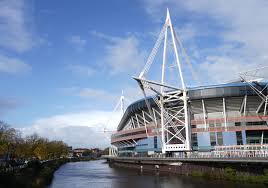 Cardiff fontolóra veszi, hogy bevezet egy látogatói illetéket a turizmushoz kapcsolódó kezdeményezések finanszírozására.">

Overview of Cardiff’s Proposed Tourist Tax
Cardiff is on the verge of becoming the first city in Wales to introduce a levy on overnight tourists, proposing a tax designed to generate approximately £3.5 million annually. The proposed service charge would apply primarily to visitors staying in hotels, guest houses, and similar paid accommodations, set at £1.30 per person per night. For campsites and shared dormitory-style rooms, a reduced rate of 75p per night is suggested. These revenues would be channeled through the Welsh Revenue Authority and allocated to local authorities to enhance the city’s offerings.
Objectives Behind the Levy
The key intentions behind the tax include increasing investment in marketing campaigns and broadening the scope of events available to visitors. The goal is to enrich the visitor experience, encouraging tourists to extend their stays and explore more of what Cardiff has to offer. This investment in tourism infrastructure and programming could position Cardiff as not only a more attractive travel destination but also a hub for a variety of cultural and leisure activities.
Voices in the Debate
The notion of a tourist tax has attracted mixed reactions. Local government officials and some business leaders see it as a chance to strengthen the city’s visitor economy. For example, representatives from business groups supporting Cardiff’s tourism potential emphasize its role in securing additional funding specifically for tourism-related initiatives.
Conversely, some local business voices express caution. Small business representatives highlight concerns over economic pressures from already high operational costs and subdued consumer spending, warning that adding a visitor levy might deter tourists and impact the viability of some tourism-dependent businesses.
Legislative Background and Specific Details
Recent legislation enacted in September grants Welsh councils the authority to impose a nominal fee on overnight tourists starting in 2027. The tax is set to apply only to stays of 31 nights or fewer in paid accommodations. Certain exemptions are in place, including children under 18 in campsites or shared rooms, occupants staying longer than 31 nights, and guests in emergency or temporary housing provided by local councils.
Public Consultation and Next Steps
Pending approval by Cardiff’s council cabinet, the city plans to initiate a 12-week public consultation period beginning December 1. This step aims to gather feedback from residents, businesses, and visitors before final decisions are taken concerning the implementation of the tax.
Historical Context of Tourist Taxes in the UK and Beyond
The concept of taxing tourists is not new and has been deployed by various cities worldwide to balance the benefits of tourism with the costs of increased visitor numbers on local infrastructure and services. Historic seaside towns and other popular destinations have occasionally introduced levies or bed taxes to help fund tourism management and public services.
In the UK, while other regions have debated similar charges, Cardiff’s proposed tax would be pioneering for Wales, setting a precedent in the governance of tourism finance in the country. The approach reflects broader trends seen internationally, where sustainable tourism development and revenue generation are critical to managing growing visitor flows.
Economic Impact of Tourist Levies
Tourism taxes can serve as a significant source of funding for destinations, with optimistic expectations that such revenues stimulate local economies through reinvestment. However, economic studies highlight a delicate balance, as higher costs to visitors may also influence travel behavior, sometimes discouraging stays or altering destination choices.
The economic multiplier effect explains how money spent on tourism circulates through local businesses such as hotels, restaurants, attractions, and beyond, supporting jobs and other service sectors. Therefore, funds raised through visitor levies, if wisely invested, can enhance these multiplier effects, benefiting the broader regional economy.
Table: Visitor Levy Proposed Rates in Cardiff
| Accommodation Type | Charge per Person, per Night |
|---|---|
| Hotels, Guest Houses, B&Bs | £1.30 |
| Campsites and Shared Rooms | £0.75 |
Looking Ahead: The Impact on Tourism and Community Relations
The initiation of such a tax raises questions about its long-term impact on tourism flows and the city’s reputation as a welcoming destination. While the additional revenue is intended to enhance visitor experiences and local events, it inevitably adds to travel costs, which might influence decision-making of budget-conscious tourists.
Policymakers must therefore carefully calibrate the tax alongside supportive measures, promoting sustainable tourism growth that benefits both visitors and residents alike. Public consultations will be crucial for adjusting plans to community expectations and economic realities.
Implications for Tourism and Boating Enthusiasts
Though Cardiff is not traditionally a marine resort, its coastal location along the Bristol Channel and the presence of marinas offer opportunities for leisure activities such as boating and sailing. Increased investment in tourism through visitor levies could potentially enhance infrastructure not just in the city but also in waterfront areas, indirectly benefiting sailing and boating amenities.
Potential Effects on Local Boating and Sailing Industries
- Improved marketing could attract more marine enthusiasts, boosting yacht charters and boat rentals.
- Enhanced city events may increase demand for waterfront leisure activities.
- Investment in local infrastructure might support marina upgrades and recreational water activities.
Következtetés
Cardiff’s proposed visitor levy represents a bold step to secure additional funding for the tourism economy, aiming to broaden cultural offerings and improve visitor experiences. While support exists among some business groups and local authorities, concerns linger regarding economic pressures on tourism operators and potential deterrent effects on visitors.
The coming consultation will play a decisive role in shaping the city’s approach to balancing revenue generation with maintaining an attractive and competitive destination. Success in this endeavor could provide valuable lessons for other cities contemplating similar measures.
For travelers seeking the charm of Cardiff’s urban and coastal environments, the proposed levy might translate into richer cultural events and better services. Boating and sailing enthusiasts visiting the area could also benefit if increased funds lead to enhanced waterfront facilities.
For those interested in exploring yacht charters, boat rentals, and water activities along the coasts and inland waters of the UK, GetBoat.com offers an extensive marketplace catered to every taste and budget, providing seamless access to the joys of sailing, yachting, and boating in and around vibrant destinations like Cardiff and beyond.