


 Magyar
  English (UK)
  Русский
  العربية
  日本語
日本語  한국어
한국어  Türkçe
  Español
  Čeština
  Svenska
  Português
  Ελληνικά
  Suomi
Suomi  Nederlands
  Română
  Italiano
  Français
  Polski
  Українська
  Deutsch
  简体中文
简体中文  Slovenčina
 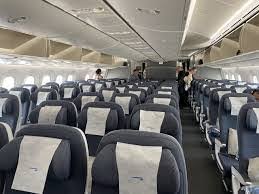 A British Airways Boeing 787-es gépek 41A-s üléseivel kapcsolatos problémák derült ki">

A Cautionary Account of Seat 41A on British Airways’ Boeing 787
Traveling long distances on an aircraft should ideally offer comfort and relaxation, essential on flights extending upwards of 14 hours. However, some passengers on British Airways’ Boeing 787 have reported significant discomfort while seated at position 41A during journeys such as Kuala Lumpur to London.
A traveller’s experience sheds light on why this particular seat has earned a reputation worse than many others on long-haul flights. Despite pre-selecting a window seat 24 hours prior to departure, the reality was far from expectations. The issues originated from the absence of a real window at seat 41A due to the narrowing of the aircraft fuselage, compromising personal space on the left side.
Additional hurdles included a bulky silver box housing the in-flight entertainment system affixed under the seat in front, intruding severely into legroom. This cramped setup further pushed the passenger’s legs into the shared space with the neighbor, intensifying the discomfort for a marathon flight.
Passenger Reactions and Wider Community Feedback
After enduring the constraints of seat 41A, the passenger took to social media to warn others against booking this seat. This warning resonated widely, sparking numerous comments from fellow travelers who expressed sympathy and shared similar discomforts. Several pointed out that this was a poor design choice affecting the economy class experience on the Dreamliner.
Many acknowledged that the entertainment box is a kind of mini-computer responsible for multiple screens but openly criticized its placement in the foot space. Some have suggested that airlines appear to prioritize fitting more seats over passenger comfort, pointing out that other airlines equip the Boeing 787 with fewer seats per row to enhance comfort during long flights.
Fortunately for the complainant, the cabin crew intervened and reassigned the seat after recognizing the visible discomfort, highlighting the role of attentive service in mitigating such issues during air travel.
Historical and Design Context of the Boeing 787 Seating
The Boeing 787 Dreamliner represents a leap in aviation technology with its fuel efficiency and long-range capability. Introduced to reshape long-haul travel, its interiors are designed to balance capacity and passenger comfort. Yet, challenges like the one linked to seat 41A illustrate that technological advancements sometimes come with practical trade-offs.
The narrow fuselage sections towards the rear of the aircraft inevitably reduce cabin width, limiting space allocation. Integrating bulky entertainment system hardware beneath seats in these areas further compounds confinement issues for passengers seated at the window.
Since the introduction of the 787, airlines have customized seating layouts according to different priorities, such as maximizing seats or enhancing personal space. The choice of packing more passengers into economy has often been to the detriment of comfort, a complaint not uncommon in the broader industry.
Table: Typical Challenges with Economy Seats on Modern Long-Haul Aircraft
| Challenge | Description | Effect on Passenger |
|---|---|---|
| Narrowing Cabin Sections | Fuselage tapers towards the rear causing reduced width | Less shoulder and side space, more confined seating |
| In-Flight Entertainment (IFE) Box Placement | Hardware placed underneath seats reducing legroom | Restricted foot movement, cramped leg space |
| Seat Proximity | Seats tightly packed to increase capacity | Reduced personal space, increased chance of discomfort with neighbors |
Long-Haul Air Travel and Implications for Tourism Enthusiasts
Comfort in economy class seats directly impacts traveler satisfaction, particularly for long-haul tourists crossing continents. In aviation tourism, where trip duration and transit experience shape overall destination impressions, seat design and comfort become critical considerations.
Such seating challenges tie into broader industry trends where airlines balance economics against passenger experience. The Boeing 787 was anticipated to improve long-haul flights with better fuel economy and enhanced comfort through larger windows and improved cabin pressure controls. Yet, localized design flaws can tarnish this image.
The evolution of aircraft and seating design has always influenced tourism flows. If distressing seat experiences deter travelers from choosing particular flights or airlines, alternative routes or modes—including charter boats or cruise yachts for travel segments—could gain favor, especially in coastal or island regions.
In marine tourism contexts, where passengers’ comfort and enjoyment are paramount, lessons from airline seating discomfort reinforce the appeal of more spacious and customizable arrangements like those found in yachts or charter boats. It highlights how travelers’ expectations of comfort significantly shape choices in transportation—whether by air or sea.
List: Key Factors Influencing Passenger Comfort on Long-Haul Flights
- Seat Space and Pitch: Legroom and ease of movement.
- Window Accessibility: Presence of actual window vs. blocked panels.
- Cabin Noise and Climate: Ambient conditions inside the aircraft.
- Entertainment System Design: Compactness and placement.
- Crew Assistance: Ability to intervene and resolve passenger discomfort.
Future Outlook and Considerations
As passenger expectations grow in tandem with advances in aviation technology, airlines are under pressure to rethink seating arrangements and onboard amenities. The debate between maximizing passenger counts and ensuring traveler comfort remains central.
Innovative designs that reduce intrusive hardware and optimize cabin layouts could improve the appeal of long-haul flights, eventually supporting continued growth in international tourism sectors. Meanwhile, travelers would do well to heed warnings about particular problematic seats when booking, especially for extensive journeys exceeding 10 hours.
Summary and Relevance to Sailing and Boat Rentals
The discomfort linked to British Airways’ seat 41A on the Boeing 787 Dreamliner highlights how passenger experience can vary drastically even within the same aircraft. Issues stem from structural constraints and design decisions that impinge on space and freedom of movement, especially on long journeys.
For tourists, particularly those journeying to popular marine destinations, the choice of transport affects the holiday experience from start to finish. While long-haul flights are often indispensable, comfort shortcomings can push travelers to explore alternative options like yacht charters or boat rentals once at the destination, preferring more space and personalized experiences on the water.
GetBoat.com, an international marketplace for renting sailing boats and yachts, offers a broad spectrum of charter options to suit various tastes and budgets. After a cramped flight, the chance to unwind on a sunseeker superyacht or enjoy fishing and sailing activities in clear blue waters can be the perfect remedy, enhancing overall travel satisfaction with superior comfort and freedom.
Whether cruising along sun-drenched gulfs, visiting vibrant beach marinas, or exploring serene lakes by sail, boating provides an unmatched experience of space and pleasure, a sharp contrast to the cramped airplane cabin. Travelers can rent yachts with captains or step into the helm themselves, making their journey part of the adventure.
For those who appreciate both air travel and marine escapades, knowing which flight seats to avoid and which boat or yacht to charter can turn a good holiday into a great one.