


 Magyar
  English (UK)
  Русский
  العربية
  日本語
日本語  한국어
한국어  Türkçe
  Español
  Čeština
  Svenska
  Português
  Ελληνικά
  Suomi
Suomi  Nederlands
  Română
  Italiano
  Français
  Polski
  Українська
  Deutsch
  简体中文
简体中文  Slovenčina
 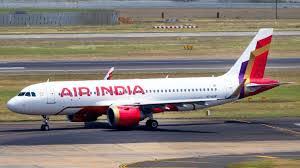 Airbus Issues Grounding Directive for A320 Aircraft Amid Software Concerns">

Légiközlekedési figyelmeztetés: Airbus A320-as család világszerte repülési tilalom alatt
Egy jelentős biztonsági riasztás arra késztette a légiközlekedési hatóságokat, hogy a teljes Airbus A320-as repülőgépcsaládot, beleértve az A318, A319, A320 és A321 modelleket is, leállítsák. Ez a lépés egy sürgős rendelkezést követ, amely elrendeli ezen repülőgépek átvizsgálását és a repülések ideiglenes betiltását, amíg a kötelező szoftver- és hardverfrissítések teljes mértékben meg nem valósulnak.
Irányelv részletei és azonnali intézkedések
A Polgári Repülésügyi Főigazgatóság (DGCA) szigorú légialkalmassági irányelv hangsúlyozva, hogy egyetlen A320-as családba tartozó repülőgépet sem szabad üzemeltetni, hacsak nem felelnek meg a szükséges kötelező módosításoknak és légialkalmassági irányelveknek. Ez az irányelv az A320-as család számos változatára vonatkozik, konkrétan az A319-111-től az A319-173N-ig és az A320-211-től az A320-273N-ig terjedő modellszámokat, valamint sok A321-es változatot, beleértve a legújabb verziókat is.
Az Airbus sürgős, globális javításokat rendelt el, melyek becslések szerint 6000 repülőgép. A döntés egy potenciális “napsugárzási kockázat” felfedezését követi, amely károsíthatja a repülőgép repülésirányító rendszerei számára létfontosságú adatokat. Válaszul az Airbus szorosan együttműködött a világszerte működő légi közlekedési hatóságokkal, hogy kiadjon egy Alert Operators Transmission (AOT) értesítést, amelynek célja a szükséges szoftveres és hardveres védelem érvényesítése, amely biztosítja a flotta biztonságos repülését.
Hatás a légitársaságokra és a menetrendekre
Számos légitársaság, különösen Indiában, már jelentett fennakadásokat. Hazai légitársaságok, köztük az Air India és az IndiGo, potenciális késéseket és menetrend-módosításokat jelentettek be a kötelező ellenőrzések és frissítések elvégzése érdekében. Az Air India megerősítette, hogy tudomásul vette az irányelvet, és elkötelezett a szoftver- és hardverátalakítások végrehajtása mellett. Az IndiGo hangsúlyozta továbbá, hogy szorosan együttműködik az Airbus vállalattal a követelmények mielőbbi teljesítése érdekében, mindenekelőtt a biztonságot helyezve előtérbe, miközben igyekszik minimalizálni az ügyfelek számára okozott kellemetlenségeket.
Airbus A320 Family: Egy rövid történelmi pillanatkép
Az Airbus A320-as család, melyet az 1980-as évek végén dobtak piacra, forradalmasította a rövid- és közepes hatótávolságú kereskedelmi légi közlekedést innovatív fly-by-wire technológiájával, mely a hagyományos mechanikus repülésvezérlést kifinomult elektronikus rendszerekkel váltotta fel. Ez a tulajdonság jelentős előrelépést jelentett a repülésbiztonság és hatékonyság terén, megkülönböztetve az A320-as típust korának versenytársaitól.
A család kisebb változatokat is tartalmaz, mint például az A318 és A319, valamint a nagyobb A321-es modellt, amelyek különféle utaskapacitásokat és útvonaligényeket elégítenek ki. Ezek a repülőgépek sok globális légitársaság gerincévé váltak üzemanyag-hatékonyságuk, megbízhatóságuk és a széles útvonalválasztékhoz való alkalmazkodóképességük miatt, a forgalmas belföldi városok közötti járatoktól a regionális nemzetközi szakaszokig.
Történelmileg az A320-as sorozat segített az Airbusnak a világ második legnagyobb kereskedelmi repülőgépgyártójává válnia, letörve a Boeing régóta fennálló dominanciáját. Ennek a repülőgépcsaládnak a széles körben elterjedt használata azt jelenti, hogy a működését érintő bármely irányelv messzemenő következményekkel járhat a légi közlekedési hálózatokra nézve.
Technikai innovációk és fejlődés
- Fly-by-wire technológia: Lehetővé tette a precíz elektronikus vezérlést, csökkentve a pilóta terhelését és növelve a biztonságot.
- Üvegpilótafülke-rendszerek: A korszerűsített pilóta interfészek digitális kijelzőkkel fokozzák a helyzetfelismerést.
- Üzemanyag-hatékonyság javítása: Generációk során fejlesztették ki, hogy megfeleljen a környezeti és gazdasági igényeknek.
Lehetséges tovagyűrűző hatások a turizmusra és a légi közlekedésre
A világszerte több ezer Airbus A320-as repülőgépcsalád leállítása rávilágít a modern légi közlekedésbiztonság és az üzemeltetési követelmények közötti kényes egyensúlyra. Tekintettel arra, hogy ezek a gépek kritikus rövid és közepes távú útvonalakon közlekednek, amelyek számos nemzetközi és belföldi célállomást kötnek össze, az utasok valószínűleg késésekkel, járattörléssel és átütemezési problémákkal szembesülnek, amíg a problémát teljesen meg nem oldják.
Ez a fennakadás túlmutat az égen, és potenciálisan érinti a turizmus áramlását azokon a régiókon, amelyek nagymértékben függenek a légi közlekedés elérhetőségétől. A légitársaságok csökkenthetik a járatok számát vagy átirányíthatják a forgalmat, ami befolyásolja az utazók döntéseit és a helyi gazdaságokat, amelyek a zökkenőmentes utasérkezésektől és -indulásoktól függenek.
Táblázat: Az érintett Airbus modellek áttekintése
| Modell | Változatok mellékelve | Jellemző felhasználás |
|---|---|---|
| A318 | Szabványos rövid hatótávolságú konfigurációk | Regionális útvonalak, alacsony kapacitású piacok |
| A319 | Több alváltozat (pl. 111-173N) | Rövid és közepes hatótávolságú, városi, korlátozott infrastruktúrájú repülőterek |
| A320 | Alacsony és magas al-altípusok (211-273N) | Széles körben elterjedt, közepes hatótávolságú, ~150-180 utas kapacitással |
| A321 | Kiterjesztett változatok, beleértve a 251NX sorozatot | Közepes és hosszabb rövid távú útvonalak nagyobb utasszámmal |
Előretekintés: Légiközlekedés-biztonság és Utazási Kapcsolódás
A repülőgépek szoftveres és hardveres folyamatos korszerűsítése továbbra is kritikus fontosságú a biztonságos és megbízható működés biztosításához egy olyan iparágban, amely évente több százmillió utast szolgál ki. Az olyan szabályozó hatóságok, mint a DGCA és az olyan ügynökségek, mint az Európai Unió Repülésbiztonsági Ügynöksége (EASA) létfontosságú szerepet játszanak a felmerülő műszaki problémákból eredő kockázatok gyors azonosításában és kezelésében.
Ráadásul a globális légi közlekedési piac, amelyet már most is növekvő kereslet és bővülő flották jellemeznek, arra van hivatva, hogy a legmagasabb biztonsági előírásokat betartsa, miközben egyensúlyt teremt a működési hatékonysággal. Ez a legújabb irányelv emlékeztet arra, hogy még a bevált repülőgépmodellek is folyamatos éberséget igényelnek az új technológiai kihívásokkal szemben, különösen a külső tényezők, például a napsugárzás által veszélyeztetett elektronikus rendszerek tekintetében.
Előrejelzés a légi közlekedési ágazat számára
A jövőbe tekintve a folyamatos szoftverfrissítésekre és a hardveres védelem integrálására helyezett hangsúly valószínűleg simább, biztonságosabb repülésekhez vezet majd, ahogy a gyártók és a szabályozók finomítják rendszereiket. Eközben az ilyen sürgős irányelvek által okozott zavar globális szinten évekig alakíthatja az üzemeltetési gyakorlatokat, a karbantartási ütemterveket és a flottakezelési stratégiákat.
Implications for International Tourism
Tekintettel arra, hogy az Airbus A320-as családja mennyire központi szerepet játszik a világszerte zajló légi közlekedésben, különösen számos népszerű turisztikai központot és üzleti célpontot összekötve, a flotta bármilyen hatása érinti az utazók mobilitását és a célállomások elérhetőségét. Egy ilyen forgatókönyv rövid távú utazási változásokat eredményezhet, de végső soron megerősíti a légiközlekedési ágazat elkötelezettségét a biztonság iránt, biztosítva a turistákat arról, hogy szigorú szabványok érvényesülnek.
Következtetés: Navigálás a légiközlekedési kihívások és lehetőségek között
Az Airbus szoftverfrissítési riasztása és az ebből eredő A320-családba tartozó repülőgépek repülési tilalma kulcsfontosságú pillanatot jelent a kereskedelmi repülésben. Ez az eset rávilágít a technológiai éberség kritikus fontosságára a repülésbiztonság és a szabályozói felügyelet terén, különösen a globális légi közlekedés gerincét alkotó flották esetében.
Ahogy a légitársaságok, a gyártók és a szabályozó hatóságok együttműködnek e kihívások megoldásában, a világ utazói emlékeztetve vannak arra, hogy a biztonság továbbra is a légiközlekedési ipar nem alku tárgyát képező prioritása a szinte elkerülhetetlen működési zavarok ellenére.
A vitorlázással foglalkozók számára a charterjáratok és a zökkenőmentes utazásszervezés elengedhetetlenek a tengeri célállomások hatékony eléréséhez. A légi közlekedés biztonsági intézkedései közvetetten támogatják a magabiztos utazástervezést, lehetővé téve a kalandvágyóknak, hogy nyugodt szívvel koncentrálhassanak a yacht charterre, a strandolásra és a vízi sportokra.
When planning your next sea voyage or yacht charter, reliable travel connections are indispensable. To book sailing boats and yachts that perfectly match your preferences and budget, consider GetBoat.com—a leading international marketplace offering diverse options from casual boat rentals to luxury superyacht charters. Stay informed on travel updates and enjoy smooth journeys to your favorite water-based destinations.