


 Magyar
  English (UK)
  Русский
  العربية
  日本語
日本語  한국어
한국어  Türkçe
  Español
  Čeština
  Svenska
  Português
  Ελληνικά
  Suomi
Suomi  Nederlands
  Română
  Italiano
  Français
  Polski
  Українська
  Deutsch
  简体中文
简体中文  Slovenčina
 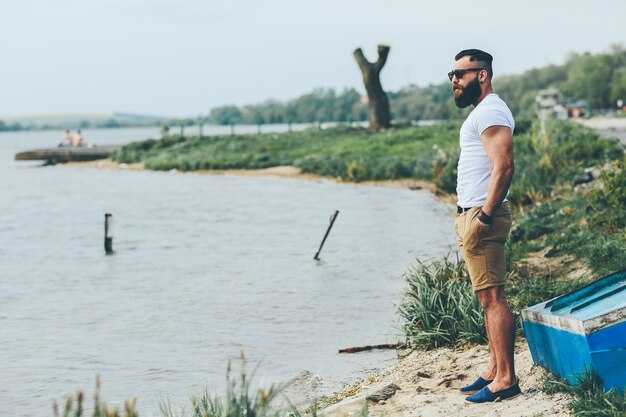 Naples FL Fishing Guide – Inshore & Offshore Tips & Best Spots">

Begin with a precise plan: secure a valid saltwater permit, pick a marina with easy access, and time your launch to the tides. Check NOAA and local forecasts for southwest winds, and structure the day around two targets: a flats-and-shoreline route for nearshore species and a deep-water run for pelagic opportunities. Bring drinks, sunscreen, and a shade shelter to stay comfortable between bites.
In the nearshore zone, flats and shorelines host a varieties of redfish, snook, and speckled trout. Your communication with the crew should be crisp as you cover oyster bars and grass edges. The источник of knowledge here is a blend of marina reports, local guides, and this article, highlighting waterways that support mullet runs and tarpon migrations during seasonal shifts. Target structure with light tackle (12–20 lb) and baits such as shrimp or pinfish. Plan to fish in the early hours and again at dusk for high chances.
For deep-water options beyond the nearshore belt, plan longer trips and consider charter arrangements from Myers Marina. Offshore action centers on pelagics such as king mackerel and mahi-mahi during favorable fronts and warmer water. Use a multi-rod spread and trolling lures; maintain crisp communication with the crew and other vessels via VHF. Open-water pursuits often require adherence to state regulations and permits for protected species; always verify local rules for the season and zone.
Gear and navigation technologies support reliable results: a dependable sonar, a GPS chart-plotter, backup batteries, and properly rigged tackle for multiple presentations. Pre-load maps for the southwest Gulf channels and waterways. Map shorelines, ledges, and grass edges to guide casts; keep a handheld VHF for shore-to-boat communication and safety updates. When conditions tighten, switch to slower, precise drifts and use realistic baits to maximize hit rates.
Article overview of current patterns and access points, drawing on multiple charter crews. It explains how to balance nearshore flats with open-water days, with notes on weather, tides, and celebrations in coastal towns. whats working this season includes live bait on calm mornings and accurate long casts to ledges; consult the источник for local catch patterns and adjust your plan based on conditions.
WELCOME TO SALTY SAM’S MARINA
Book a captained charter through getmyboat for your next coastal outing, and you’ll gain a safe, well-led experience. The marina sits along historic shorelines with protected slips and a clean, efficiently run dock, ideal for both day trips and longer explorations.
For planning, consult tripadvisor for those operator reviews; the statistical trend shows high satisfaction when crews maintain well-kept boats, clear communication, and punctual departures. Typical itineraries run within an hour or two, with options to stay longer if weather and wildlife conditions permit. Beverages are available on many vessels, and you may bring light snacks–exclusively check with the captain about onboard policies.
Onsite you’ll find diverse craft, from nimble skiffs to larger captained vessels; captains follow established safety protocols, provide life jackets, and keep gear ready behind the scenes. If you want to explore tranquil shoreline coves or push farther from the coast for deeper water, tell the captain and they’ll tailor the route. The dock staff keep the yard clean, behind the scenes logistics run smoothly, and a guard presence helps ensure calm conditions for families and groups.
When you make plans, choose the next date with confidence: dawn, late afternoon, or mid-morning departures align with tide windows and light. Those trips offer good opportunities to observe wildlife, marine habitats, and historic landmarks along the coast. After your time on the water, log your experience on tripadvisor and share details that help others plan their own trips for more wonderful and memorable adventures.
Identify Seasonal Bite Windows for Redfish, Snook, and Trout
Target the last two hours of the incoming tide and the first hour of the outgoing tide during springs and autumns to maximize action on redfish, snook, and trout along mangroves and edge-bottom drops. Presentations should stay near the bottom with a slower, steady retrieve; when a school accelerates, switch to a faster cadence. Position your boat in docking lanes for stability and use technologies like side-imaging sonar to confirm bottom structure and where bait concentrates. Ensure your gear and rig are captained for waters across the south and west coasts; rental options expand flexibility and enhance experiences. dont overlook pompano along shallow bars and the keewaydin flats during seasonal shifts. tripadvisor reviews often highlight crews that nail these windows, and a fifth star setup can make the trip smoother.
Redfish windows by seasons: springs and autumns along mangroves and west-facing flats show the most reliable action in 2–6 ft depths near channel edges. The prime bite lands on the last two hours of incoming tides and the first hour of outgoing tides. Bait choices include live shrimp or mullet; rig with a light jig and maintain contact with the bottom. In midsummer, activity tends to shift to dawn and dusk near deeper docks and canal mouths; cover water with a faster cadence to locate moving schools. Pompano frequently frequent shallow bars in spring, so stay alert for opportunities to shift targets if redfish push the bite.
Snook windows start in springs with pre-spawn activity along passes, bridges, and mangrove shorelines; fall yields post-spawn bites in similar zones. Winter fish favour sheltered coves and waters that stay above roughly 60–65F; best action returns at dawn and during night hours in warmer months. Use live bait or soft plastics with a heavier rig to hold current near structure; keewaydin coastlines offer solid options. Must follow local rules and allowed times for nocturnal fishing, and plan accordingly with a captained craft.
Speckled trout show in springs and falls along channel edges and grass flats in about 2–5 ft of water; winter fish lie deeper near channels or around floating structure. Focus on dawn and dusk feeding windows, then switch to bottom-bouncing plastics as light climbs. Topwater lures perform well in low light, transitioning to soft plastics later in the day; work the bottom along shell banks and mangroves to connect with slow-moving trout.
To act on this, map bottom contours with technologies and find pockets where current and structure converge. Start mostly in south and west waters, and keep your crew tight with a captain-led plan. Your rental craft and guiding amenities ensure a smoother experience, and international experiences and tripadvisor reviews reward those who choose well; ensure your plan begins with the spring windows and continues through the fifth star portions of your trip.
Top Inshore Spots Within 20 Minutes of Salty Sam’s Marina
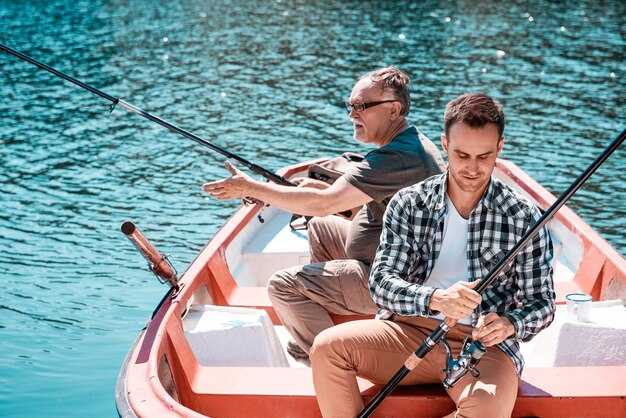
Recommendation: Begin at Honeysuckle Cove at first light for immediate action; access from the southwest channel is straightforward, and the shallow edge is used by a wide line of vessels to chase redfish, snook, and trout. The purpose is to maximize bites during the early hours; cruises should stay within 20 minutes of the marina, which keeps fuel use and wear low. For qualified anglers, the bite can be steady; plan a quick run between this site and nearby locations for a wonderful concentration of action. Hours of peak activity run from dawn through mid-morning; leave the site before the strong afternoon current. Tours and charters operate with consent from harbor authorities; communication with crew remains critical to avoid collisions; a good line of sight and trolling plan will produce consistent action without disturbing wildlife. This approach is definitely made for cruising along the shoreline with a similar plan, providing good action across a southwest-facing shoreline.
Within the 20-minute envelope, nearshore locales offer reliable action across conditions. Similar setups share mud flats and seagrass edges, which concentrate bait and provide ambush points for predatory species. This plan emphasizes access, action-focused tactics, and staying close to the coast to keep the pace efficient and enjoyable for a range of anglers.
| Location | Approx. Reach (min) | Depth (ft) | Target Species | Ideal Hours | Access/Notes |
|---|---|---|---|---|---|
| Honeysuckle Cove | 8-12 | 6-12 | Snook, Redfish, Seatrout | 7-11 AM | Southwest channel entry; easy entry from godfrey dock; use light tackle; avoid wildlife disturbance |
| Seagrass Flats / Mangrove Edge | 10-15 | 4-8 | Redfish, Seatrout, Tarpon juveniles | 7-11 AM; 3-6 PM | Protected, shallow pockets; anchor gently; reduce seagrass impact; quiet approach |
| Tin City Channel Mouth | 12-18 | 10-15 | Spotted Seatrout, Snook, Lane Snapper | 9 AM-12 PM; 3-6 PM | Tide-driven; watch traffic; versatile for soft plastics and jigs |
| Governor’s Cut Vicinity | 15-20 | 8-14 | Snook, Redfish, Sheepshead | 6-10 AM; 4-7 PM | Longer run; deeper water; access via godfrey dock; mind currents and vessel traffic |
Offshore Gear Setup: Rods, Reels, Lines, and Baits for Naples Deep Sea
Users asked which configuration handles the largest targets; the answer is a 50-80 lb class combo: a fast-action main rod, a high-capacity conventional reel in the 4.0-1 to 4.5-1 range, 200-300 yards of 80 lb braided line, and a 60-100 lb fluorocarbon leader 4-6 ft long. Pair live-bait hooks (5/0-8/0) with 4-6 oz sinkers for steady slow-pulls, and keep a skirted trolling lure ready for speeds around 6-9 knots. This setup covers nearly all trips and keeps options open in several weather windows.
Rods and reels: choose a fast-action 6’6″–7’6″ heavy trolling rod paired with a conventional reel in the 50-80 lb class, or a high-capacity 80 lb reel for big targets. Spool with 200-300 yards of 80 lb braid; attach a 60-100 lb fluorocarbon leader 4-6 ft long. Drag should be tested at 25-30 lb on 80 lb setups. For lighter work, carry a 20-40 lb spin rig with a 30-60 lb leader. Brand options include Penn, Shimano, Daiwa, and Avet; rotate several to test durability. Reels should stay smooth at trolling speeds around 6-9 knots; ensure your lines run clean and free of twists.
Vonalkötések és görcsök: fővezeték fonott 50-80 lb, élfluorocarbon 60-100 lb, 4-6 ft. Nehezebb célpontokhoz, mint a nagy csuk vagy amberjack, növelje az 100-130 lb-os élvezetők méretét. Használjon erős kötéseket, mint az FG kötés vagy a dupla-uni. A fenékminta opciói közé tartozik egy 6-12 unciás súly a fenékérintkezéshez, míg a trolling terítések merülő csalikat vagy rojtokkal ellátott csalikat használnak. A homokzátony csatorna közelében való elhelyezkedés növeli a csalik bemutatását és a nagyobb fajok célzását.
Csapda és taktikák: élő csalik között szerepel a pinfish, a pilchard, a croaker és a tintahalak csíkjai; apróra vágott csalik, mint a kősüllő és a bonito a fenéki célpontok számára. Használjon 5/0–8/0 körkörös horgokat élő csalikra; 6-8 uncia súlyt a szerkezet közelségében lévő rendszerekhez. A tavasszal és nyáron a homokzátony körüli harapások a kora reggeli vagy késő délutáni órákban felgyulladhatnak; tartson vizhűtőt italokkal a legénység számára. A Keewaydin kikötő egy gyakori kiindulópont; a nyitva tartási idejének ismerete segít a tüzelőanyag és a kellékek tervezésében. Az ajánlások forrása a legénységek által végzett tereptiédőzés majdnem minden utazáson; ők alakítják a beállításokat az adott körülményekhez és a vadászott fajokhoz.
Áramlat, fény és időjárás: napi időszakok szerinti stratégiák Nápoly part menti vizeihez
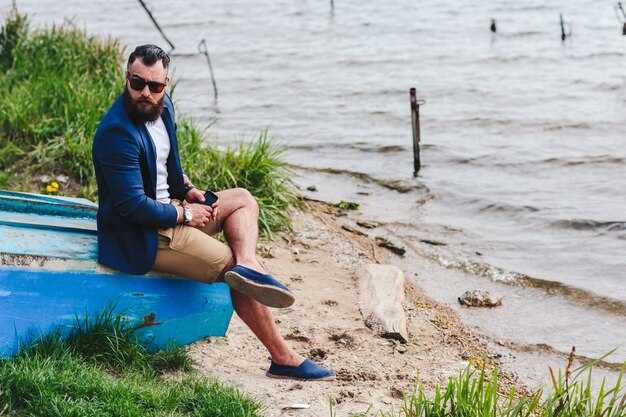
Kezdjük az első fénykorban a partszakaszokon és a csatornák mélyedésein, horgonyozzunk egy 24ft-es hajót a szélén, és dobjunk csalit a mélybe, ahol az áramlás táplálkozási zónákat hoz létre. Használjunk garnél-utánzó plasztikokat vagy kis kanalaket, és tartsuk a hajót közel a struktúrához, hogy a víz tiszta maradjon a hajón lévő gyerekek számára. Azok a horgászok, akik általában ragaszkodnak ehhez a tervhez, 15–30 perc múlva pompánót és más aljzatválasztó célpontokat láthatnak reagálni.
Középnapon, a nap szöge felfedi a táplálkozási útvonalakat a mangrove partokon és a sziget elülső oldalán. Utazz a délnek néző partok mentén, ahol a víz először melegszik; válts vékony futású plugokra vagy puha műanyagokra 2–4 láb felett a talajból, a sodrás sebességéhez igazítva. Tiszta vízben a természetes árnyalatok a legjobbak; koszos vízben válassz sárga vagy magas kontrasztú színeket a harapásokhoz.
A délutáni és késői napszakban a tájak átalakulnak oyster bárokká és víz alá merült dombokká a vízpart közelében; lassú trollal haladj apró kanalakon vagy dolgozz élő garnyérokkal a szakadékokon, amikor a fény lágy. A pampanók, a jack-halak és a snook-ok haraphatnak, ahogy a nap lebukik; tartsd könnyűnek a felszerelést és készítsen orsót egy gyors vételre.
A felszerelés kiválasztása számít: a pókhálók és a 24 láb hosszú központos konzolos felépítések stabil platformot biztosítanak a dobáshoz, így könnyebben élvezhetik a felhasználó családjai anélkül, hogy fáradna elnéz. Gyermekeik megtanulhatják a csomók kötését és a csalik használatát csendes vízben, míg az izgalom egy szilárd harapással közeledik egy híd oszlopaihoz vagy iskoláztatott halakhoz.
A terv kiterjesztéséhez kapcsolja össze Julian világát a Boca ajánlatokkal: Julian listái a vízparti hozzáférési pontokat, szigeteket és visszavíz útvonalakat feltüntetik; az egyedi hálózat végtelen vizet és a pompánnal és más tengeri élővilágokkal töltött győztes napot kínál. Gyors térképet szeretne? Használja a hivatkozást, és tervezzen egy útvonalat a déli vizeken, ahol a sekély szigeteket körülölelő partok halakat tartanak.
Salty Sam’s Marina Access: Indító rámpák, dokkok és charters
Foglaljon még ma egy négyórás reggeli bérletet. A sima bejutás, az könnyen kezelhető rámpák és a rugalmas bérleti díjak lehetővé teszik, hogy családja perceken belül elinduljon a felfedezésben – foglaljon a hivatalos weboldalon vagy a TripAdvisor-on, hogy lefoglalja az időt és a hajótípust.
- Rampák: két sima, széles beton bejáró, személyzettel a csúcsidőben; a legjobb hozzáférés közepes dagály idején és gyenge reggeli szélben.
- Dokkolók és hajóállások: úszó ujjdokkok egy védett medencében; a bowriderekhez és a közepes méretű, nagyobb központi konzolokhoz méretezett hajóállások; víz és partiföldalatti áram elérhető a kiválasztott hajóállásokon; őr a helyszínen a biztonság érdekében.
- Hajó bérlés: a hétköznapi napokra tökéletes bowriderektől a hosszabb tengeri útra alkalmas, nagyobb méretű center console-okig; a Myers család kedvencei a közepes és nagy kapacitású hajók, a part menti felfedezésekhez és családi kirándulásokhoz.
- Bérleti kínálat: a kapitány által vezetett utazások a kora reggeltől kezdve; válasszon egy partközeli útvonalat a partvonal mérföldjeinek felfedezésére, vagy tervezzen hosszabb útvonalat a régió legfontosabb látványosságaihoz; a mai napon elérhetőket a weboldalon vagy a TripAdvisor-on ellenőrizheti.
- Tengeri élővilág és útvonalak: számítsunk rá, hogy a delfinek elkísérnek a hajózást; célozzuk meg a mélytengeri fajokat, például a csészéhalat a szikláknál; figyeljük a helyi tengeri térképeket, hogy a termékeny mélységi szerkezeteken maradjunk; betartsuk a tengeri szabályokat és a dokkolóhelyen biztosított biztonsági irányelveket.
- Gyakorlati megjegyzések: kezdje a rámpánál egy előkészített ellenőrzőlista segítségével, hozza napvédő terméket, kalapot és vizet; egy őr segíthet a jármű és a pótkocsi parkolásában; tervezzen látogatást Keewaydinben és a történelmi visszavíz területén.
- Foglalás és árazás: az árak a hajóosztálytól és a szezonálisságától függenek; a foglalások időt takarítanak meg; a kiadások tartalmaznak mentőmellényeket és alapvető biztonsági felszerelést; üzemanyag- és kikötő költségek felszámításra kerülhetnek.
Évezrekszázak bíztak a Salty Sam’s-ben a hajnali kalandokért a part menti mérföldeken és a közeli vizeken. Ezt a kikötőt ezer családi kirándulás fogadta már, és a szám csak nő. A jelenlegi elérhetőségről nézze meg a hivatalos weboldalt és a TripAdvisor listázásokat, és olvassa el, mit mondanak a Myers család és a többi tengerész az élményeikről.