


 Magyar
  English (UK)
  Русский
  العربية
  日本語
日本語  한국어
한국어  Türkçe
  Español
  Čeština
  Svenska
  Português
  Ελληνικά
  Suomi
Suomi  Nederlands
  Română
  Italiano
  Français
  Polski
  Українська
  Deutsch
  简体中文
简体中文  Slovenčina
 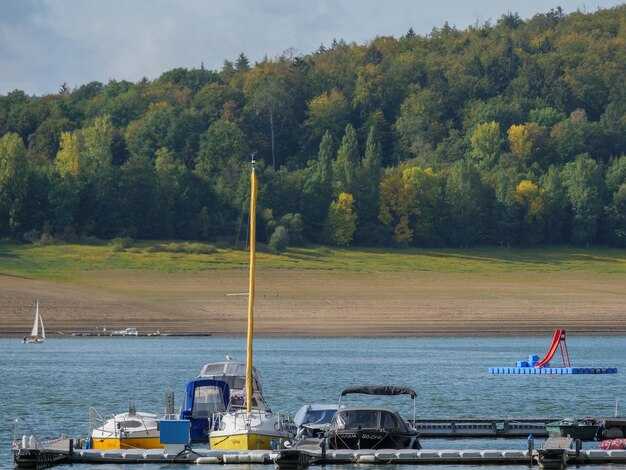 Lake Minnetonka’s Boating Guide – Tips, Marinas & Routes">

Start your weekend with a practical safety prep: conduct a 15-minute gear check, verify extinguishers are charged, inspect PFDs for wear, and replace any expired flares. Planning ahead helps you stay ready on the water; ensure your crew knows the route and expected conditions, and keep a printed map on board. Always have a whistle, a waterproof light, and a charged phone, so accidents are less likely and you can respond quickly while weather shifts or changing currents come up.
Three reliable marinas serve the lake’s north, central and south shores: Wayzata Bay Marina, Tonka Bay Marina, and Excelsior Harbor. They offer fuel docks, transient slips, and pump-out stations, plus restrooms and on-site cleaning supplies at service docks. Call ahead to confirm slip availability, hours, rates, and whether they require reservations on busy weekends.
Map a simple loop that starts near the north shore and returns along the central bays, letting you sail past varied scenery and sheltered coves. The plan helps you limit travel time between stops to a few hours, with a natural pause for snacks or fuel. While you sail, stay alert for waterfowl along shoreline reeds; keep speed polite in busy coves and around anchored boats, and use charts to stay clear of no-wake zones and shallow flats. If conditions change, have a backup route saved ahead of time and be ready to adjust.
Keep your craft prepared with routine checks: test the engine, battery, and charging system; inspect lines, anchors, and fenders; verify extinguishers’ pressure and that all safety gear is within date. Store gear in waterproof bags and make a quick deck cleaning after every trip to prevent slick spots. If you plan a longer weekend outing, wont miss a beat by packing a spare belt, tools, and a basic first-aid kit, ensuring you’re ready for minor hiccups without delaying the plan.
Lake Minnetonka Boating Guide: Practical Tips, Marinas & Routes
Always run a vesselsafetycheck before leaving the dock. Carry your certificate on board and keep it accessible. Do a quick check of life jackets, fire extinguisher, spring line and fenders to reduce delays at the first stop.
Equip every passenger with a Coast Guard–approved PFD and wear them during underway. Secure lines and fenders, and keep a whistle and VHF radio within easy reach. In shallow water, check depth in feet before placing the anchor, and confirm the battery and bilge are ready.
Weather can switch quickly on Lake Minnetonka, especially in spring. Wind shifts around coves can create wave patterns that catch unfamiliar boats off guard. The niccum of wind and current means you should map a route that stays in sheltered water during unsettled periods, and keep a close eye on the forecast when you head out early in the day, when the air might be cold.
Respect no-wake zones around shorelines and stay in marked channels to avoid shoals. A practical loop for most boaters follows the main channel toward Excelsior, then returns along the south shore, offering scenic coastlines and pockets of shallow water you should pass slowly. Upon approaching a dock, reduce speed, line up with the cleat, and maintain control of the vessel. This route stays closer to sheltered water, safer than rushing along the coast.
Marinas and guest access: Wayzata Marina and Excelsior-area docks provide fueling, slips, and pump-out, with additional transient berths at nearby towns like Deephaven and Shorewood. Most facilities offer restrooms, loaner life jackets, and ramps, and they tend to fill up on weekends in late spring and early summer–plan early if you need a slip and live aboard arrangements. Boaters around the lake can enjoy convenient access to shore services and quick repairs if needed.
Avoid angler zones: anglers often operate along coves, sometimes close to shore. They could be surprised by a passing craft, so reduce speed, give wide berth, and watch lines and hooks. When you spot someone fishing, maintain a safe distance and yield the right of way when appropriate.
Emergency readiness: carry a charged cell phone in a waterproof case and have a marine radio on channel 16 for help. In an incident, someone should stay calm, note your location, and call for assistance; if you lose power, drop an anchor and move to safer water while you await rescue. Always have a plan and share it with your crew before you head out.
Understanding the rental process helps: several companies offer craft suitable for Lake Minnetonka, from pontoon rentals to small bowriders. The process typically requires showing a valid certificate, signing a brief safety agreement, and receiving a short safety briefing. Most operators require a quick demonstration of basic maneuvers and docking; plan your trip for early or midweek if you want more flexible times and enjoy a safe, relaxed day on the water.
Popular Day Routes for Beginners and Families
Start with a gentle circuit from Wayzata Bay, heading toward West Indian Point, then return along the shore. This smooth ride keeps wake light, ideal for kids and first-time boaters. Renewal on the water accompanies this loop, assisting new skippers as they learn the cadence of Minnetonka.
For a gentle, family-friendly option, plan a 4-6 mile circuit that takes about 60-90 minutes at a calm pace. Stay in protected bays and follow no-wake zones, using the main channel as a reference to return to the launch.
Pause at a sheltered cove for a snack or a quick skim of shoreline views, staying inside marked areas. Keep a lightweight paddle or throw line on board for safety and enjoy views of cottages and wooded bluffs along the way.
Bring life jackets for every passenger, check weather forecast before departure, and keep an eye on other boats, skiffs and paddle craft. Maintain low speed near docks, swimmers, and shallow coves to ensure a relaxed outing for all ages.
When you want a second option, try an alternate route that stays along the north shore with a short detour to a sandy beach, offering another calm day on the water.
Top Marinas, Docks, and Quick Tie-Up Tips
Choose the Port of Wayzata for the quickest, most reliable tie-ups during July weekends.
- Port of Wayzata – Wayzata Bay harbor, sheltered slips, 250+ power and water pedestals, pump-out, and a short walk to shops; equipped for sailboats and powerboats, with five slip types to fit length and beam.
- Excelsior City Marina – public docks with easy access, near town amenities, shallow water close to the channel, ideal for day trips and small-to-mid keelboats; docks remain well-maintained and staff provide quick assistance.
- Orono Public Dock – flexible tie-up options, easy approach from the main channel, good for short stops and fueling, with nearby boat ramps and fishing access.
- Mound Harbor Docks – interior harbor with finger docks, protected from prevailing winds, convenient to local eateries, and great for half- or full-day visits.
- Shorewood Public Docks – straightforward entry, nearby bridge openings and shallow approach areas, known for orderly lines and reliable access to restrooms and water.
Five Quick Tie-Up Tips
- Planning and location awareness: Plan your approach using the published location and bridge schedules; the risk remains if you skip checks. This must be done by anyone piloting a craft; awareness saves time and reduces collisions.
- Approach and wind management: Approach at a controlled angle, give sailboats and other traffic room, and keep a slow, steady speed as you line up with the dock. Maintain situational awareness to avoid collisions with pilings or other boats; they can shift quickly in currents.
- Lines, fenders, and grip: Use a three-point mooring with a bow line, stern line, and a midship line when needed; employ one or two half-hitches to secure slack. Keep fenders at the correct height to prevent hull contact, and wear moisture-wicking gloves for a secure grip.
- Safety gear and readiness: Have a throwable device within reach and ensure life jackets are accessible for all aboard. Keep spare dock lines and a small toolkit handy for quick fixes, providing confidence during busy periods.
- Post-dock check and adjustments: After tying, verify lines are secure and cleats are not overloaded; monitor bridge openings and traffic in the channel. Ensure everything remains tidy, watch for waterfowl near the pilings, and adjust as needed to maintain safe clearance for approaching sailboats and other craft.
Cold Water Safety Gear: PFDs, Wetsuits, and Thermal Layers
Wear a properly fitted PFD at all times on Lake Minnetonka when the water is cold, test buoyancy before heading out, and clip the straps so the vest stays secure; this gives you great peace of mind as depths shift with conditions.
Pair the PFD with thermal protection: base layers like polypropylene or merino next to the skin, a wetsuit or drysuit, and an outer layer. For late spring and early fall, a 3/2 mm or 4/3 mm wetsuit works well; in colder conditions, add a fleece mid-layer or switch to a drysuit. Paul and another angler keep a light, quick-drying base beneath a wetsuit and carry a drysuit for the cold snaps; youve got to adjust layers for depths and weather conditions. Winterizing your gear after the season helps you keep everything in good condition, with nothing left to chance.
Store gear in enclosed compartments, check zippers and seams, and keep extinguishers accessible on powered boats; set a simple measures routine to verify that nothing else is missing before launch. If you could add a spare repair kit, do it; else you might be stranded on the shore. For canoes, kayaks, and other small craft, ensure PFDs are worn and visible by bright marks or color.
Registrations and the latest safety guidance appear on the website. Before you go, verify registrations and check the depth-related guidelines on the Lake Minnetonka boating information website; keep your gear in color-coded bags so you can locate them quickly on a busy day.
| Fogaskerék | Recommendation | Megjegyzések |
|---|---|---|
| PFDs | USCG-approved Type III, properly fitted; inspect straps and seams; replace worn gear | Keep on at all times; Paul and others should have one handy during angler trips |
| Wetsuits | 3/2 mm to 4/3 mm for cool seasons; thicker 5/4 mm or a drysuit for winter | Depths vary; near shore can feel warmer in sun |
| Thermal layers | Base: polypropylene or merino; Mid: fleece; Outer: wind shell | Layer up or down based on weather and season |
| Safety items | Whistle, lights, signaling; extinguishers on enclosed motorboats | Nothing else should be missing before launch |
Cold Water Shock: Early Signs, Preventive Steps and Rescue Basics
Immediately get your head above water and start controlled breathing, then move toward the nearest deck or shore and signal for help.
Early signs of cold water shock show up quickly in waters around Lake Minnetonka and similar environments. Look for:
- Zihálás, szapora légzés vagy az a érzés, hogy a levegő kevés az alámerülés első pillanataiban.
- Zsibbadás vagy bizsergés az ujjakban és lábujjakban, merev vagy görcsös markolás a korlátokon, ami olyan, mintha hideg vasat fognánk.
- Zavartság, zavarodottság vagy az az érzés, hogy az egyensúly felborult a vízbe lépést követő perceken belül.
- A bőrszín megváltozásai, például sápadt vagy kék ajkak, illetve a bőrön lévő jelek, amelyek a hipotermia kockázatára utalnak.
- Érthetetlen beszéd vagy szóformálási képtelenség, illetve a végtagok hirtelen mozgásképtelensége.
A kockázatok csökkentésére irányuló megelőző lépések már a kikötő elhagyása előtt elkezdődnek, és folytatódnak a tengerparton vagy a tóparton töltött hétvégén. Elsősorban az alapvető dolgokra összpontosítson, és tartsa be a korlátait:
- Viseljen megfelelően illeszkedő mentőmellényt mindenkor; tartsa azt könnyen elérhető helyen és ellenőrizze az illeszkedést egy gyors, kártyaméretű biztonsági ellenőrzőlistával.
- Mielőtt útnak indul, tekintse át az évszaknak megfelelő biztonsági követelményeket, valamint a kikötő kereskedőjének vagy a kapitány szabályait; győződjön meg arról, hogy a biztonsági felszereléseken lévő matricák láthatóak.
- Végezzen járműszerીzerű ellenőrzéseket: üzemanyagszint, akkumulátor, fenékvíz és hajótest épsége, valamint fedélzeti szerelvények ellenőrzése a durva vízen történő balesetek minimalizálása érdekében.
- Készítsen egy egyszerű biztonsági kártyát vagy ellenőrzőlistát, amely irányítja a beavatkozását vészhelyzet esetén, beleértve a sürgősségi kapcsolattartási telefonszámokat és a helyszín részleteit.
- Korlátozza a kitettséget azáltal, hogy a víz hőmérsékletének megfelelően öltözködik, és nem lépi túl a hétvégi kirándulások határait, ha a levegő hőmérséklete csökken.
- Tartsa szem előtt a világos menekülési tervet, és gyakorolja a felszerelés gyors elővételét a hajójáról vagy a vízparti tárolóból a legénységével.
- Érdeklődjön kereskedőjénél vagy a helyi hatóságoknál az ajánlott felszerelésfejlesztésekről és a Minnetonka-tóra vonatkozó szabályok szezonális változásairól.
A mentés alapjai a megelőzéssel kezdődnek, majd a hatékony, jól begyakorolt cselekvések következnek. A következő lépések segítenek, hogy nyugodtan és hatékonyan reagálj, amikor a hidegvíz-sokk bekövetkezik:
- Ha valaki a vízbe esik, először dobjon oda egy úszó eszközt vagy nyújtson felé egy kötelet; ne ugorjon utána, csak ha képzett és azonnali biztonság érdekében ez elkerülhetetlen.
- Kiálts segítségért, aktiváld a vészjelzést, és hívd a 112-t vagy a helyi rendőrséget vagy a parti őrséget szükség szerint; add meg a pontos helyzetedet és az incidens rövid leírását.
- Állítsa le a hajó motorját, és rögzítse a fedélzetet, hogy elkerülje a propeller okozta sérüléseket, miközben oldalról vagy a hajóorról segít; tartsa a hajótestet távol mindenkitől, aki a vízben van.
- Nyújtson egy kötelet vagy evezőt az illetőnek, miközben saját testét alacsonyan tartja a vízhez képest, és a hajó legbiztonságosabb bejárati pontja felé irányítja; kerülje a hirtelen mozdulatokat, amelyek ronthatják a sokkot.
- A hajóra szállva vetkőzzük le a vizes ruházatot, és vegyünk fel száraz rétegeket vagy takarót; adjunk meleg folyadékot, ha az illető biztonságosan tud nyelni és eszméleténél van, és figyeljük a kihűlés jeleit.
- Értékelje a mentális és fizikai állapotot, dokumentálja a tüneteket, és jelentse az esetet a biztonsági tisztjének, a kereskedőjének vagy a parti őrség helyettesének nyomon követés, valamint az esemény utáni üzemanyag- és hajóteststabilitás-ellenőrzések céljából.
A higgadt vezetés egy incidens során segít kezelni a csapat hangulatát és csökkenti a további sérülések kockázatát. Ne feledje, hogy a gyors, jól összehangolt erőfeszítések egy kész tervvel, a megfelelő felszereléssel és a hidegvíz sokk egyértelmű megértésével kezdődnek, akár egy hétvégi kiruccanáson, akár a hajó legénységével végzett rutinképzés során.
Időjárás, Hőmérséklet és Látási Viszonyok: Mikor Induljunk Útnak és Mikor Maradjunk Otthon
Csak akkor menjen vízre, ha a szél tartósan 15 mph alatt marad, a széllökések pedig 20 mph alatt, a látótávolság 4 mérföld vagy több, és a levegő hőmérséklete 65°F és 85°F között van. Ha ezek a feltételek nem teljesülnek, maradjon a parton. Ez a nyitány segít elnyerni az utasok bizalmát, és biztonságosabbá teszi a napot. Ha szán egy pillanatot a többnapos előrejelzés ellenőrzésére, az óvatosabbá teszi a terveket. Nézze meg a következő napok előrejelzését.
Hőmérséklet és kitettség: Forró napokon (32°C felett) gondoskodjon a hidratálásról és figyelje a hőstressz jeleit; a világos öltözet és a fényvédő használata segít. A hidegfrontok hirtelen csökkenthetik a hőmérsékletet; készüljön tervvel a túrák lerövidítésére és a part elérésére a szélváltozás előtt. A hipotermia kockázata megnő, ha a víz hideg és a ruházat nedves; korlátozza a kitettséget, tartózkodjon védett helyeken, és legyen kéznél száraz réteg. Ha hirtelen széllökéssel kell szembenéznie, vegye az irányt a legközelebbi part felé.
Láthatóság és navigáció: A tavon köd alakulhat ki, ami percek alatt egy mérföld alá csökkentheti a látótávolságot. Indulás előtt ellenőrizze a kikötőjéből vagy az időjárás alkalmazásokból származó élő frissítéseket, és legyen készen arra, hogy meghiúsítsa a terveket, ha a látótávolság 3 mérföld alá csökken. Ködös vagy párás napokon tartsa magát a kijelölt csatornákhoz, és támaszkodjon olyan eszközökre, mint a GPS, a radar és az AIS. Több evezős és vízibicikli is közlekedik a part közelében; tartson biztonságos távolságot a teherhajó méretű és nagyobb hajóktól.
Biztonsági felszerelés és tudatosság: Győződjön meg arról, hogy mindenki a parti őrség által jóváhagyott mentőmellényt visel; tartsa a tűzoltó készülékeket hozzáférhető helyen a motoros vízi járműveken; ellenőrizze, hogy a tűzoltó készülékek nem jártak-e le. Tartson magánál sípot vagy kürtöt és egy dobó eszközt. Ha felborul, a vízi járműnél maradva könnyebb a mentés. Egy tartalék mentőmellény és egy száraz réteg segíthet a váratlan körülmények kezelésében.
Útvonaltervezés és felszerelés: A terv tartalmaz egy indulás előtti ellenőrzőlistát, és bizonytalan körülmények között a part közelében marad. A hétvégi napokon nagyobb a forgalom, több útvonalon is nagy a nyüzsgés; a naprakész útbaigazításért és élő időjárás-előrejelzésért tervezzen a kereskedőjével vagy a kikötőjével. A kockázat csökkentése érdekében szánjon néhány percet arra, hogy extra biztonsági felszerelést csomagoljon, beleértve az elsősegélynyújtó készletet és egy zseblámpát. Győződjön meg arról, hogy az évszaknak megfelelő ruházatot visel, és ellenőrizze az állami hatóságok és a tókezelők által közzétett időjárási figyelmeztetéseket.