


 Magyar
  English (UK)
  Русский
  العربية
  日本語
日本語  한국어
한국어  Türkçe
  Español
  Čeština
  Svenska
  Português
  Ελληνικά
  Suomi
Suomi  Nederlands
  Română
  Italiano
  Français
  Polski
  Українська
  Deutsch
  简体中文
简体中文  Slovenčina
 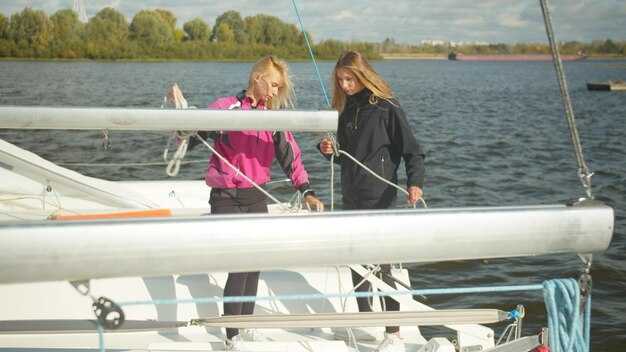 How to Plan a Boat Trip with Friends – A Simple Step-by-Step Guide">

Choose the right weekend in summer and lock a harbor berth for 2 boats at least 6 weeks ahead of time. A clear plan reduces chaos and ensures the crew gets ample water time.
Set the schedule and budget first. Collect availability within 2 weeks, then pick a 2–3 day window that works for these cities, including angeles. Pick a port within 60 minutes’ drive of most participants and map a route with 2 coastal stops maximum to keep the trip relaxed.
Choose the right boat for 6–8 guests: a 28–32 ft powerboat with a dependable engine and a comfortable cabin. Check safety gear for 8 passengers, life jackets for everyone, and a working bilge pump. Confirm a dock slot in the harbor, and scan the water and the ships that pass by to plan arrivals around tides for a smooth heading.
Assign roles early: one person handles the route and weather, another manages meals and shopping, and a third tracks the schedule for these people. If the trip includes a bachelor vibe, define boundaries in advance to avoid friction on board. Use inavx as a quick chat code to share updates with the crew.
Plan on-board activities boldly: bring games, a portable speaker for dancing playlists, and simple meals for eating on the go. Keep the plan flexible with these anchors: water-based games, a scenic heading along the coast, and time for sunset photos.
Check forecast 48 hours before departure, monitor wind speeds under 20 mph, and have a contingency plan for rain. Equip your crew with headlamps or flashlights for evening dock walks; ensure water and sunscreen are available; set a maximum 2-hour watch rotation when at sea so everyone stays alert.
Pack a streamlined kit: two spare batteries, a first-aid kit, a compact anchor, 50 m of line, and a cooler with drinks for 6–8 people. Label bags to avoid misplacing items and keep the engine room clean to prevent odors near the cabin.
After the trip, share notes via a quick summary and schedule the next trip in the same harbor or port. Use these insights to tackle lessons learned and keep the good energy for a future summer escape with the same crew.
Practical steps to plan a boat trip with friends
Book a catamaran for a relaxing outing along the coast with friends; choose a short, safe loop that keeps you within reach ashore for meals and quick land visits.
Create a guest list of 4–6 people, including couples and a woman who value time on the water; ask who likes lounging and who wants active stops. This clarity helps set expectations and makes the plan case clear for everyone because you can tailor the day to likes and limits.
Draft a course along the coast with 2–3 stops to visit a town, a sheltered cove, or notable features like a lighthouse. Keep the route flexible so you can adjust to wind and crowd, and mark ashore options for quick snacks or a swim.
Check the wind direction, preferably a steady breeze from the north for a smooth ride; confirm forecasts a day ahead and choose a time that avoids afternoon squalls. With calm seas, you can lounge on deck and still go ashore for a bite.
Pack light but complete: water, sunscreen, hats, towels, a light jacket, and a compact first aid kit. Assign roles: skipper, navigator, and lookout, so the crew stays engaged and safe on the way. Safety gear on board adds value and peace of mind for all.
Plan a simple onboard menu: finger foods, fruit, and a cooler with drinks; if you pass a town, dock briefly for a local treat. whats included on the boat matters, so choose options with short prep time to keep everyone lounging and happy.
Budget early and share costs evenly; estimate fuel, mooring, and provisioning so the per-person value stays fair. This approach keeps the day away from stress and preserves a karibien vibe with warm colors and blue water.
Always have a backup plan: a short cancellation window, a shore fallback, or an alternate water route in case wind shifts. This keeps the trip from turning into a tense case and lets you enjoy the coast together.
Choose the right boat size and confirm group capacity
Begin with a precise headcount and a buffer for late additions. If youre planning 12 people, book a 14-seat craft to keep decks open for dancing and cocktails, while still leaving room for gear and a mild breeze.
At the marina, verify these points before you confirm the booking:
- Official capacity and load: read the plate and confirm the max number of people and weight, including kids and gear. If youre unsure, ask the captain to verify how weight will distribute across decks.
- Boat type and features: for a honeymoon or family night, a catamaran with wide decks and shaded areas is ideal for close conversations and cocktails. Ask which seating zone suits your plan; for a group that wants dancing, choose a model with a dedicated lounge and an upper deck.
- Deck layout and carry capacity: consider how many decks, where to place the cooler and speakers, and how people will move between zones. Two-deck boats offer more space to explore and keep everything balanced; single-deck boats fit tighter groups.
- Safety gear and crew: ensure enough life jackets for everyone, with spare sizes for kids; confirm the crew can handle the group, especially during busy departure times when the marina is crowded.
- Itinerary feasibility: confirm where you go and what time you return; ensure the boat can reach planned stops and still offer a night cruise with close vantage points for cocktails and a gentle breeze.
Practical sizing guidelines:
- 6-8 people: best for a small crew; choose a pontoon or deck boat with comfy seating and a shallow draft for easy entry and exit on calm water; ideal for a lazy afternoon.
- 9-14 people: comfortable for a family or mixed group; a 12-14 seat catamaran or dual console works well, providing a stable ride and space for a mild dance or light mingling.
- 15-24 people: plan a larger catamaran or party boat; allocate space for groups of 4–6 around the decks, with room for a cocktail bar, extra coolers, and a dance area; this setup suits busy nights and longer cruises.
Tips to align with your plan:
- Ask about where to anchor or dock for short explore sessions; some boats have a fixed docking point near the marina where you can step off for a quick stroll before returning to decks.
- For a royal vibe on the water, reserve a vessel with a private lounge and a captain who can handle tailored requests such as a sunset cruise or a dedicated cocktail service.
- When planning a night cruise, ensure the boat has navigation lights and a plan for calm seas; keep the schedule flexible for hiccups or delays at busy terminals.
To move smoothly, confirm your party includes youre daughter and friends, and discuss seating, where to carry bags, and a backup option in case weather or fuel delays hit. This approach keeps everything clear and helps you plan a night that ends with cocktails under the stars in the north marina during seven cruises available that week.
Set a transparent budget: per-person costs and shared expenses
Set a transparent budget from day one: define per-person costs and shared expenses. Decide which costs stay private (each member covers personal meals and souvenirs) and which stay shared (charter, marina slips, fuel, provisioning). Track what is spent by each member in a single app to keep the crew aligned. This approach helps when you push off from lauderdale and head toward coastlines that offer playas and oasis alike.
Build a schedule with a per-person cap. For every stop, assign a price bucket: eating, fuel, marina, and port fees. Set aside a small buffer above the total to cover surprises and adjustments. Take notes as you go so you know where to trim if the total climbs.
Sample budget (4 days, six people, Lauderdale start):
Charter: $1,500/day × 4 = $6,000. Per person: $1,000.
Marina slips: $120/night × 4 = $480. Per person: $80.
Fuel: $180/day × 4 = $720. Per person: $120.
Groceries and meals on board: $70/day × 4 = $280. Per person: about $46.70.
Misc (ice, tips, port fees): $240 total. Per person: $40.
Total per person: around $1,286–$1,290.
For longer routes toward baja, mexico or west, the cost climbs. You may visit playas along the coast and stop at famous anchorages, or anchor near an oasis retreat for a lazy afternoon. If youre planning, you know how to adjust the plan and keep the schedule flexible. youre next: update the budget as you go so you dont end up staring at receipts after the trip.
Every crew member can take turns cooking to keep eating costs predictable, and log every spent item to maintain transparency. Keep the vibe positive by recognizing contributions, from a smooth berthing in a crowded marina to a quiet sunset after a long day. If kids are aboard, plan shaded hours and hats on deck, and choose spots in cities along the coast that feel safe and welcoming. Consider liberty-friendly harbors and private nooks, so the crew can unwind without breaking the bank while the boat stays ready for the next leg of the voyage.
Outline a safe, time-friendly route and realistic timing
Begin with a 3-leg, daytime route that keeps you close to sheltered water and away from busy lanes along the americas coast. Plan cruising at a mild wind for a comfortable pace, with a laid-back rhythm. Collect information from local harbor masters and set a simple safety briefing for the team before departure.
Leg 1: Depart Nassau Harbor at 07:30, head to a private playas cove about 22 nautical miles away. Cruising at 17 knots covers the distance in roughly 1 hour 15 minutes; if wind slows to 12 knots, estimate about 1 hour 50 minutes. Anchor by 08:45, stretch, and lunch served on board.
Leg 2: After a 60-minute shore break, depart 10:00 toward a second spot suitable for angling and short exploration. Expect to cover 15–20 nautical miles at 12–16 knots, arriving around 11:15–11:45. Take a quick break on shore, then resume the loop with light snacks and hydration on board.
Leg 3: Sail back to Nassau by 13:30–14:30, planning 20–25 nautical miles in 1.0–1.5 hours, depending on wind. Have a contingency to shorten the day and dock early if seas rise or the harbor gets busy.
Safety and information: Keep life jackets on and accessible, verify weather information from a trusted source, and use VHF channel 16 for updates. Run the day with a tight timetable, avoid busy lanes near shore, and ensure meals are served on board to limit delays. Re-check wind direction after each leg and adjust the plan if needed.
Assign roles: skipper, navigator, safety lead, and crew tasks
Assign four clear roles: skipper, navigator, safety lead, and crew tasks. The skipper steers, sets course, and makes final calls on weather. The navigator plans the route, checks charts, tides, and possible alternates; they map a safe corridor between hazards. The safety lead inspects life jackets, throwables, a first-aid kit, and fire gear, and they run quick drills so worry stays low. The crew handles sails, lines (cabos), deck gear, mooring tasks, and routine cabin duties. With this structure, they stay close and on the side deck, enjoying freedom on the water and much clarity about who does what, because the sea can transform a short trip.
Before departure, print a short checklist listing gear, roles, and a back-up plan. Gather PFDs, a VHF radio, a first-aid kit, fire extinguisher, spare parts, cabos, fenders, anchor, and line renewals. Assign a handoff protocol: navigator updates the skipper, safety lead signals weather changes, and crew execute tasks with discipline. This set gives much clarity and reduces chances of miscommunication by design, usually keeping everyone in the loop.
Invite a broader crew from the city or a private boat trip; if it’s a bachelor outing, keep tasks short and practical so everyone gets hands-on at least once. Rotate roles across trips to give they experience; usually the navigator or safety lead will take on new duties, though the skipper remains the final authority. When wind shifts, flexibly shift between tasks to maintain balance between focus and fun; avoid piling work on one person and keep worry to a minimum. Keep coco drinks handy on the side, and plan a safe return to the port before dark; this approach transforms a casual voyage into a relaxed, confident routine.
Plan food, drinks, and CocoCay activities for the day
Book a private cabana for the day to secure shade, a wide deck, and smooth service for food and drinks.
Staying organized begins with a simple food plan: on arrival, fruit bowls and yogurt; a mid-morning snack; lunch of grilled chicken, rice, and veggie skewers; and a few afternoon bites. Drinks are made fresh on site, with water, coconut water, and maybe a local lemonade. For groups from florida, coordinate with local options or your ship’s dining plan, and add a dessert to celebrate a sunny summer weekend, plus more snacks to tackle hunger between activities. Understand that this approach keeps things predictable and fun for everyone.
For activities, start with a 45-minute snorkeling session in the clear waters near CocoCay, then tackle the newest Thrill Waterpark with exciting slides and the wave pool. After that, switch to lounging on the private decks with peace and ocean views, or stroll the ground along the shore. If a woman is in the group, plan a short, active photo session or a quick scavenger around the island. End with a private boat ride or sunset view to celebrate the odyssey of your day.