


 Magyar
  English (UK)
  Русский
  العربية
  日本語
日本語  한국어
한국어  Türkçe
  Español
  Čeština
  Svenska
  Português
  Ελληνικά
  Suomi
Suomi  Nederlands
  Română
  Italiano
  Français
  Polski
  Українська
  Deutsch
  简体中文
简体中文  Slovenčina
  Hawaii’s Favorite Whale Watch – The Ultimate Guide to Hawaii Whale-Watching Tours">

This isnt just another tour–it’s the most reliable, highest-rated, state-of-the-art, amenity-rich whale-watching experience on a 3–3.5-hour outing, with expert naturalists who explain deep whale behavior. easy to pair with a beach day, it fits neatly into long days that start at dawn and end with sunset views.
On Oahu, Waianae coast departures deliver consistent sightings during winter. Each tour relies on hydrophones and binoculars, guided by seasoned naturalists aboard a sturdy, amenity-rich vessel. As a practical plan, pick a 2.5-hour morning option to leave room for a shoreline lunch on the south shore later in the day.
In Maui, the most recommended options come from Lahaina and Kahului harbors, lasting about 2.5–3.5 hours. The middle of the island sits above deep-water feeding grounds, boosting your chances of seeing breaching whales. These tours often feature highest-rated naturalists, on-board guides, and real-time whale-communication notes, making your experience both informative and memorable.
The Big Island offers south and east departures from Kailua-Kona, where opportunities for sightings often lie in deeper waters. On state-of-the-art catamarans, tours stay amenity-rich with shaded lounges and restrooms, and many operators add a snorkeling stop or reef-view segment to extend the day.
To maximize your chances, plan at least three days across two islands if possible, and try another tour on a different day to compare techniques and sightings. Each operator adapts to wind and swell, so checking daily forecasts improves success. Book early in peak months–December through February–to secure a spot on the highest-rated options.
Whether you choose Maui, Oahu, Kauai, or the Big Island, this unique place with its island habitats offers abundant opportunities to see blows, tail slaps, and deep breaches–from the south reefs to the middle channels.
Hawaii’s Favorite Whale-Watching Experience
Book the 8:00 AM departures with a small-ship operator that consistently delivers sightings and uses ex-navy captains. This setup offers calmer seas and more time with the whale, with finding opportunities to learn about their behavior; last season, guests reported multiple sightings on most trips.
Adding to the appeal, the operator follows whale-watching practices that prioritize safety and minimal disturbance: keep distance, quiet engines, and slow speeds. The crew, often drawn from a resident maritime background, excels at reading wind and whale cues to position the vessel for clear viewing. Departures vary by island and operator; check schedules on the official page, and check-in windows are clearly posted, conveniently guiding your day. Availability of sunset options varies with weather. These experiences never feel crowded on intimate vessels, enhancing every encounter.
- Options and vessels: The fleet includes smaller catamarans and mid-size vessels designed for stability and broad sightlines; some options include eco-friendly hulls for quiet runs; vessels comfortably accommodate 40–80 guests depending on the model.
- Departures and schedules: Most operators run 2.5–3 hour trips in the morning, with additional afternoon blocks when seas cooperate. Schedules vary by island and operator; some days offer longer charters or combo experiences.
- Sightings and reviews: Reviews consistently note close views of breaches, tail flukes, and curious pectoral fins; sightings last longer when boats follow strict distance guidelines.
- Snorkel and extras: Some packages add a snorkel stop near calm reefs if conditions allow, adding extra time on the water without rushing.
- Practical tips: Bring sun protection, a light layer, hat, and your camera; check parking and boarding points; being prepared makes the day smoother for residents and visitors alike.
- Recommendations and deals: This experience is highly recommended for families and solo travelers; some operators offer deal packages that combine multiple tours with flexible dates.
Morning vs Afternoon: When Whales Are Most Active Off Oahu
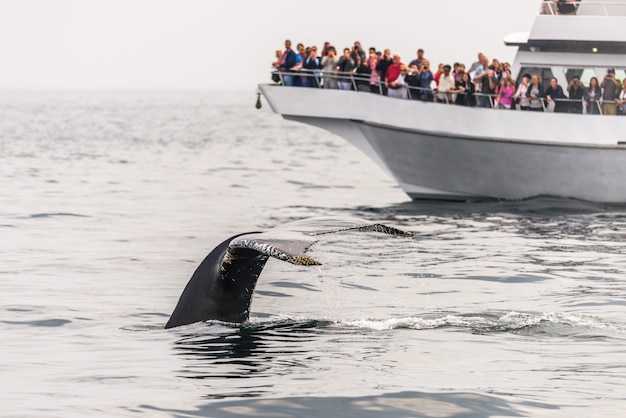
Choose a morning tour for the strongest chance of seeing whales in active behavior and enjoying calmer seas. A reliable window many operators report is from about 9 to 11 am, when surface displays such as breaching and spyhopping tend to be more frequent and your time on the water feels expansive.
The island’s humpback season runs from December through April, with mothers and their young migrating closer to central and Windward Oahu waters. These groups typically travel within a few miles of the coast, offering close-up opportunities for viewing and photography, including moments of tail slaps and breeching that showcase marine behavior in a vivid way. You’ll often find that sightings occur in smaller pods as the whales come together for socializing and feeding, providing a focused chance to observe natural creations unfold on the sea.
Morning light provides crisper visuals and less glare, which helps you capture the contrasts of spray, fins, and blue water. If you’re prioritizing photos, setups on the island with a dedicated photographer guide can enhance your focus on action like breaches and tail slaps, especially when you’re aiming to document mother–calf interactions with your own equipment. Some itineraries even include a quick stop near coastal caves for a scenic backdrop before returning to port, offering you a different slice of ocean life to frame with your camera.
Although afternoons bring warmer sun and a different light for framing distant breaches, winds can rise, seas may become choppier, and the pace of sightings can vary. If you’re chasing a deep-dive experience or you want to combine watching with other island activities, an afternoon schedule might suit your plans. Many visitors find a mix of morning and afternoon options on websites or through a single operator, allowing you to compare time slots and adjust based on daily conditions.
To optimize value, compare websites of several operators and read the latest reviews mentioning sightings across time slots. Look for tours that disclose recent sighting trends, duration, and whether they offer small-boat or larger-ship formats–your choice can change how intimate the experience feels on the water. If you’re curious about mantas or other marine life, some itineraries shift to nearby areas after whale watching, providing a different kind of coastal encounter on the same day. For a well-rounded plan, map out a route that includes miles of coastline on an island-focused agenda, and keep in mind that time spent on the water can be as valuable as the sights themselves. Your best bet is to use a mix of sources including multiple websites to compare options, times, and routes, so you can choose the experience that fits your preferences and adventure level.
Seasonal Windows: Peak Whale-Watching Months on Oahu
Book February for the best shot at close, memorable whale encounters. On Oahu, humpback whales migrate to Hawaiian coastal waters from December through April, with the largest aggregate presence typically in February and March. birth events occur during this window, and calves surface near mothers, offering playful sightings. Calves reach birthing stages in December–February, so you’ll often see newborns during trips. To maximize your chances, schedule a morning departure when seas are calmer and sightings rise before midday.
During the peak months, choose a well-based, state-of-the-art tour that prioritizes safety and observation. Powerboats or stabilized catamarans usually depart from Honolulu or Waikiki, with morning and afternoon windows that optimize light and seas. If you want to edge closer to shore, an inflatable craft can access shallower bays where calves surface, though you’ll need light winds and calm water. spinner dolphins often ride the bow wake, adding a coastal highlight to the day. The experience combines whale watching with coastal commentary and an aggregate of sightings, offering a fuller picture of activity along the coast.
Booking tips: use getyourguide to compare departures, durations, and prices. Look for personalized experiences or add-ons that fit your schedule; some departures run twice daily and some depart before or after typical windows. A 25-hour package can be found that blends a whale watch with coastal exploration, and some itineraries include credit toward future trips if weather forces a reroute. Before you depart, check what the captain will share in commentary and bring layers for changes in breeze. Each vessel departs at its scheduled time.
Choosing a Reputable Whale-Watching Operator on Oahu
Pick a licensed Oahu whale-watching operator with a clear safety record and local crews who run tours for months each year. Check that vessels comply with USCG standards, carry properly sized life jackets, and include rescue tubes and a reliable radio. This foundation reduces worry and sets the main path toward an incredibly smooth trip that everyone can enjoy.
Evaluate the booking system and guidance the operator offers. A clear online marketplace should present schedules side by side, show what’s included, and list credit options. Typical prices run around 40-90 USD per adult, with family bundles and multi-boat options that improve value. Pick a cruise that fits your plan, not one that leaves you pressed for time.
Ask about the crew’s agility and the main focus of the trip. Inquire how often boats reach sightings and how routes are adjusted toward opportunities to observe spinner dolphins and other species in peak season. Operators should provide incredibly clear guidance on wildlife etiquette and explain the time limits in sighting zones to maximize chances without stressing animals.
Consider the activities offered aboard and ashore: guided talks, on-board interpretation, and optional add-ons. Mind safety, wildlife-interaction rules, and expectations for kids and adults alike. Choose a lineup that keeps your mind at ease and lets you enjoy the cruise without friction.
While comparing options, focus on licensing, safety record, and a transparent system for cancellations and refunds. Look for multiple daily departures and honest schedules that align with your plans. A well-reviewed operator lists spinner dolphin sightings and other wildlife in recent trips, providing you with better opportunities to see whales and their companions.
| Factor | What to Look For | Why It Matters |
|---|---|---|
| Licensing and permits | USCG license, vessel inspections, current operator credentials | Baseline safety and legal operation |
| Safety equipment | Life jackets in all sizes, radio, first-aid kit, rescue tubes | Preparedness for emergencies and rapid response |
| Schedules and pricing | Multiple daily departures, transparent inclusions, credit options | Choose fits your plans and budget |
| Wildlife policy | Distance guidelines, no chasing, clear etiquette briefings | Protects animals and improves viewing chances |
| Experience and reviews | Recent feedback, safety history, operator responses | Megbízhatóságot és felelősségvállalást jelez. |
| Megfigyelések hangsúlyozása | Dokumentált pörgető delfin és bálna élmények útvonalakon | Kiemelt lehetőségeket kínál ikonikus fajok megfigyelésére. |
Mit Csomagoljon és Mit Vegyen Fel a Kényelmes Balénynéző Utazáshoz
Csomagoljon réteges ruházatot: nedvességelvezető alapréteget, egy meleg pulóvert és egy szélálló külső réteget, hogy kényelmesen érezze magát, ahogy a hajó a napsütötte fedélzékről árnyékos kilátóponthoz vált, és könnyebben juthat el a legjobb kilátáshoz.
Válassz csúszásgátló talpú és gyorsan száradó anyagú lábbelit, majd adj hozzá egy kompakt esővédőt a kamerakész felszereléshez. Vigyél magaddal sok nassolnivalót és egy feltölthető palackot, amit a közeli táskában tárolsz, hogy feltankolhass a nyílt tengeri órák alatt, és stabilizáld az energiádat a környező kilátásokhoz.
Védje a bőrt és a szemet egy széles karimájú kalappal, UV-védő napszemüveggel, SPF 30+ naptevével és ajakbalzsammal. A nyugodtabb reggelek gyakran tisztább kilátást nyújtanak a távoli bálnákra, formálva a perspektíváját a Csendes-óceán körül, ahol egy barátságos legénység felhívhatja a figyelmét a közeli marlinra és más pelagikus élőlényekre a kilátóból.
Réteg a szél és a fröccsenő víz ellen: egy könnyű fleece vagy pulóver egy lélegző esővédő alatt, plusz kesztyű, ha a fröccsenés belemarcskodik. Az áprilisi szelek csendesből hirtelen erős viharba átválthatnak, tehát maradj rugalmas; különböző körülményekhez igazodva tarts egyszerű csomagolási megközelítést, és minimalizáld a fedélzeten a térfogatot, különösen, amikor a pezsgető legénység a kabinok között mozog, és a megfigyelő éber.
Tartson magánál egy kis helyt elfoglaló, vízálló táskát a létfontosságú elektronikai eszközökhöz, beleértve a fényképezőgépet vagy az estbéli távcsövet, valamint egy pótbatteriát vagy akkumulátorkészüléket az energia fenntartásához. Csomagoljon be egy kis elsősegélycsomagot, utazási baleset elleni gyógyszert, és egy jegyzetet az idegenvezető vagy a panzió e-mail elérhetőségével. Tartson kéznél egy közelálló kapcsolatot a telefonon a frissítésekhez, és tárolja az érzékeny felszerelést a fedélzet alatt vagy egy száraz zsebben a permetveszély elkerülése érdekében. Ez a beállítás különösen hasznos a kezdőknél.
Egy igazán emlékezetes élményért fogadj el egy egyszerű rutint: igazítsd a felszerelésedet az adott naphoz, nézd meg az időjárás-előrejelzést, és tanulj a közeli kapitányoktól, akik évek óta kalauzolnak ezeken a vizeken. A Hawaii körüli partvidékek rengeteg tengeri tájat kínálnak, a sziklás öblöktől a pelagikus látómezőkig; a megfelelő felszereléssel a komfortod és a természetre vetett nézőpontod mélyül minden balina és annak kísérete által.
Tippek a nagyszerú megfigyelések rögzítéséhez: a fotógrafálás és a megtekintési etikett
Válassz egy irányított charter csapatot, amely ötvözi a szakértő természetkedvelőket a világosan definiált a megfigyelési ablakokat és a csendes motorokat a lehető legnagyobb mértékben a megfigyelések és a fényképalakítási lehetőségek maximalizálása érdekében.
A felszerelésből hozd magaddal egy teleobjektívet 300–600 mm hatósávval, egy könnyű monopodot és egy vízhatlan táskát. Állítsd be a zárat 1/1000–1/2000-re, a blendét f/6.3–f/8 körülre, és az ISO-t szükség szerint, hogy alacsonn tartsd a zajt napfényben. Használj folyamatos autofókusz hátsó gombos fókusszal a mozgó farok és a felszínre törő óriások követésére; lövés RAW-ban; állítsa be az automata fehér balansz beállítását nappali fényre napos napokon, vagy felhősre, ha a ég borús; készítsen mind nagyméretű, mind intima portrékat.
A nézői etikett a biztonságot és a vadon élő állatokat tartja szem előtt: tartson legalább 100 méter távolságot a bálnákból, kerülje az üldözést vagy a blokkolást, lassítsa a motorokat, amikor a bálnák felszínre kerülnek, tartózkodjon a kijelölt fedélkezeten, és tartsa nyugodnak a hangját egy észlelés során. Ha egy bálna a hajó közelében bukkan fel, akkor húdj vissza és hagyd, hogy elússzon. A laza csevegéssel ellentétben legyen figyelemmel másokra és kerülje a villanó fényeket, hogy az észlelés minden tiszteletben tartó legyen a fedélzeten.
Márciusban, a csúcson week, mornings deliver calmer seas and clearer light, making photography easier. For seekers who crave personalized plans, operators offer flexible schedules. The guide named kieran, a veteran naturalist on many charters, shares quick tips on where to position, how to read whale behavior, and how to maintain distance that respects the animals; thats egy gyakorlati megközelítés that excels a gyakorlatban.
A megfelelő illesztés kiválasztásához ellenőrizze az online felhívásokat a fedélzetre szállás előtt, töltse le az etiketthez kapcsolódó útmutatókat, és hasonlítsa össze a terveket a fenntartható gyakorlatokat hangsúlyozó lehetőségek között. A valasztás a megfelelő választ, olvassa el a társ szentek véleményét, és keressen olyan operátorokat, amelyek combine természetvédelmi felügyelettel támogatott fotózás; that makes a jelentős különbség a fotósok és a természetvédők számára egyaránt.
A megfigyelés után nézd át a legjobb képeidet, címkezd meg kulcsszavakkal, és felelősségteljesen oszd meg őket az interneten a fenntartható nézés megörökítéséhez. A csodálatos Az operátor kiemelkedően ügyes a fény, az időzítés és a kényelem kiegyensúlyozásában, miközben tiszteletet tart a nagyokkal szemben; ez győzelem a- everyone és létrehoz egy intimate tanulási lehetőség, amelyet jövő héten meg tudsz ismételni.
Emlékezz azonban arra, hogy a tapasztalat... intimate mindemellett a balénák számára is; biztosítsd a saját helyed a fedélzeten anélkül, hogy zsúfoltnak éreznéd magad, és tarts olyan tiszteletteljes hozzáállást, amely meghívja a többi megfigyelőt a tanulásra és az megfigyelésre. Egyértelmű tervvel tudod támogatni a következő utat fenntartható gyakorlattal és felejthetetlen látványokkal.