


 Magyar
  English (UK)
  Русский
  العربية
  日本語
日本語  한국어
한국어  Türkçe
  Español
  Čeština
  Svenska
  Português
  Ελληνικά
  Suomi
Suomi  Nederlands
  Română
  Italiano
  Français
  Polski
  Українська
  Deutsch
  简体中文
简体中文  Slovenčina
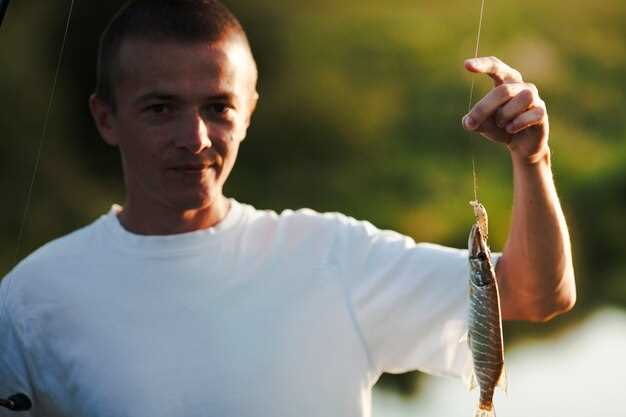
Utilize chunking, a method where large pieces of bait provide a powerful attraction for the giants lurking beneath the surface. Cutting mackerel into substantial chunks can create a scent trail that not only reaches deep waters but also entices tunas from afar. This technique works exceptionally well in areas renowned for their productive spots, especially along the west coast of Mexico.
Consider the wind’s direction and its impact on your fishing experience. A two-speed reel can significantly enhance your gear efficiency when battling the strength of a big tuna. Moreover, spending hours on the water can yield fruitful results when you identify the right conditions. In windy scenarios, make strategic adjustments to your positioning to ensure maximum bait exposure.
Safety should always be a priority during your fishing tour. Equip your kits with the necessary tools and equipment, ensuring you’re prepared for any situation. Well-prepared anglers can enjoy their time on the water while focusing on the thrill of reeling in these magnificent fish. Employing these methods can transform what might have been a fruitless outing into a memorable experience filled with triumph and flavor.
Where to Catch Albacore Tuna
Focus on coastal areas during the warmer months, particularly June through September, when albacores migrate closer to shore. These fish swim in waters where baitfish like squid and butterfish are abundant. Look for spots where the water temperature hovers around 60 to 70 degrees Fahrenheit, as this is what attracts these tuna.
Pay attention to local passes, which serve as routes for albacores. These channels often gather fish due to the influx of food. Choosing the right time, such as early mornings or late afternoons, can increase your chances as these periods often coincide with feeding strikes.
Utilize lures designed to imitate squid or baitfish, as albacores easily pull to these options. Using trolling rigs with various speeds can also help target fish at different angles. Ensure you have the appropriate jackets and kits for comfort out on the water, and always be prepared for little changes in weather, which can influence fish behavior.
Identifying the Best Locations
Focus on the Gulf of Mexico or the Csendes-óceáni regions off Washington for prime opportunities. These areas typically feature rich saltwater ecosystems that attract tuna.
Temperature plays a critical role; aim for water temperatures between 68°F and 78°F. Changes in these temperatures can signal tuna migration patterns. Utilize tools like thermal maps to track these fluctuations effectively.
Look for underwater structures that include reefs or drop-offs, where herring and other baitfish spread. These spots create feeding grounds that draw in larger, powerful tuna.
When fishing, ensure safety by wearing jackets suitable for saltwater conditions, and be prepared for varying weather. Although it might be lighter than anticipated, conditions can change swiftly.
Investigate areas around Spain as well, as they also present fruitful grounds for tuna. Test different locations and adjust your methods based on the experiences you gather.
Seasonal Patterns of Albacore Tuna
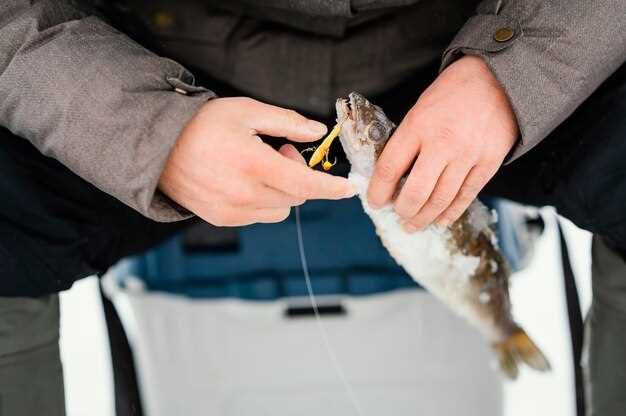
Consider the seasonal movements of albacore tuna as a crucial factor in your fishing strategy. These fish typically migrate towards warmer waters during spring and summer months, seeking abundant food sources. In the Atlantic, this pattern is observed around Spain and the African coast, where warmer currents flow.
During autumn, albacore tuna often return to cooler waters, grazing on smaller fish and invertebrates. The best times to target them can vary; sometimes early morning or late evening can yield better results, when they are actively feeding near the surface.
Understanding depth preferences is also key. Albacore tend to stay in the upper layers of the ocean, typically between 200 to 400 feet. Using lighter lines can improve your communication with these fish and enhance your chances of success. Additionally, consider using lures that mimic their natural prey to entice strikes.
While fishing in tropical regions, albacore may prefer slightly different patterns. They often seek out areas with abundant currents and structures like underwater reefs or shelves, where food is plentiful. Imagining the underwater landscape can guide your tactics – look for those areas where these fish live and thrive.
The taste of albacore is well-known, making them a prized catch. Whether you plan to keep your haul or release them, understanding their seasonal behavior will ensure that your fishing adventures are fruitful. Please take the time to create a list of potential fishing spots based on these seasonal patterns for greater success.
Tides and Currents: Timing Your Trip
To maximize your chances of connecting with tunas, consider scheduling trips around peak tidal movements. Generally, the best times to fish are during the first and last two hours of incoming and outgoing tides. These periods tend to stir up saltwater, attracting various species and enhancing feeding activity.
Focus on inshore areas during these times. Here, both oceanic and coastal tunas can often be found as they follow baitfish, offering great opportunities. Watch for currents; they influence fish behavior significantly. High-current periods often signal more active feeding.
Longtail tunas, for instance, tend to appear in specific currents, while mahi may call shallower waters home during tidal shifts. Take note of how different subspecies react to changing conditions–some won’t venture far, while others might be more adventurous.
Study local tide charts and plan your outings accordingly. Research suggests that planning trips around major moon phases can also enhance your success rate. These phases create stronger tidal movements, drawing fish closer to the surface for easier catches.
Ultimately, understanding tides and currents plays a vital role in optimizing your experience and the quality of your next meal. Stay alert for changes, and let those movements guide your fishing angles and choix. A successful trip hinges on timing and adapting to the ocean’s rhythm.
Essential Gear for Tuna Fishing
Invest in robust spinning or conventional rods. A rod length of 6 to 9 feet works well for targeting tuna in various coastal waters.
Opt for high-quality reels with a strong drag system. Look for those capable of handling at least 30-50 pounds of line, often made from durable materials.
Braided line is recommended for its low stretch and high sensitivity, allowing for better detection of strikes. Choose a strength that matches the reel’s capacity.
Gather tackle kits that include different sizes of hooks suitable for ballyhoo and other live bait. Jigs and lures in a range of colors can enhance your chances of attracting fierce prey.
Always carry safety gear, including life jackets and first-aid kits, to ensure a secure experience during extended trips on the water.
Seasonal variations impact tuna activity; thus, tracking marks from previous trips can predict the best fishing hours. The combination of ocean temperature and tides is key.
Live bait often produces remarkable results. Be ready to retrieve it quickly when a tuna is on the line, maximizing your chances of a successful meal.
Consider investing in fish finders to locate tuna more easily in expansive waters. This technology will provide valuable opportunities to scout and gather information on fish movements worldwide.
Systematically explore various locations along the west coast, as different environments yield diverse fishing experiences. Adjust your approach based on local conditions.
Using the Right Bait Techniques
Choosing the right bait is crucial for attracting tuna, especially in coastal waters. Live baitfish, like sardines and mackerel, are preferred, as they mimic the natural diet of these giants. Gather your bait early in the morning or late in the afternoon when they are most abundant.
When fishing in the Atlantic, consider the prevailing tides and currents. Adjust your cadence by reeling slowly, allowing the bait to move naturally through the water. Many anglers simply underestimate the effectiveness of smaller baitfish, which can entice larger tuna when presented correctly.
Experiment with different types of rigs to see which one yields better results. Top combinations include various hooks paired with a light leader line to increase visibility under the water. It’s worth the effort to identify the grounds where tuna gather, as this knowledge can significantly improve your efficiency.
Record your fishing experiences to understand patterns and refine your techniques. If you’re already catching decent-sized tuna, tweaking your bait selection could lead you to the giants. After all, there’s nothing more rewarding than reeling in a record catch. You’ll definitely benefit from sharing tips with other anglers, as collaboration often leads to enhanced methods.
| Bait Type | Best Time | Rig Recommendation |
|---|---|---|
| Sardines | Morning | Circle Hook, Light Leader |
| Mackerel | Afternoon | J Hook, Medium Leader |
| Squid | Midday | Treble Hook, Heavy Leader |