


 Magyar
  English (UK)
  Русский
  العربية
  日本語
日本語  한국어
한국어  Türkçe
  Español
  Čeština
  Svenska
  Português
  Ελληνικά
  Suomi
Suomi  Nederlands
  Română
  Italiano
  Français
  Polski
  Українська
  Deutsch
  简体中文
简体中文  Slovenčina
  Discover Italy’s Most Enchanting Yacht Charter Destinations for 2025">

Recommendation: Start at portofino as your anchor to a Ligurian loop that blends heritage with luxury cruising. A concise plan spans 5–7 days, with a concierge-driven berthing approach and advice on seasonal winds, forming a practical part of a larger itinerary.
From portofino, the itinerary continues to Santa Margherita Ligure and Camogli, then to Cinque Terre’s harbour towns; La Spezia serves as a base to manage fuel, supplies, and regulations. The tartomány of options includes tranquil coves and nearby beaches, making it easy to combine fishing and hiking while staying popular with crews seeking a balanced pace.
Your crew should respect local regulations on mooring, waste handling, and protected zones; your concierge can map nearby services, gear shops, shore excursions, and advice on where to find deals. If you seek knowledge of harbour history, Camogli and Portovenere offer heritage narratives, and you can make time for a long lunch by the marina. Advice taken from locals might refine your plan.
Beyond Liguria, the Gulf of Capri, the Amalfi coast, and Sardinia’s Costa Smeralda add dynamic options to a broader route; these same regions present izgalmas horizons, with environment considerations and easy access to nearby fishing villages and protected bays. Local captains and marinas provide deals that require early planning, especially during peak periods.
Craft a rhythm that echoes vistas and heritage, while keeping flexibility to adjust to weather and crowd levels. The plan provides space to make memorable moments, whether you choose a long day at sea or a same-day hop to a crystalline cove. Knowledge from local sources helps you select where to anchor, where to refuel, and where to take a scenic hike along the coast.
Best Sailing Routes and Practical Itineraries Across Italy
Start with a Liguria arc: Genoa → Camogli → Portofino → Vernazza → Monterosso → Riomaggiore; cover 60–70 nm total over 3–4 days, with sheltered nights in Camogli and Santa Margherita Ligure and day hops to each village along the coastlines. In september, maestrale winds tend to ease and water remains inviting, drawing people to scenic coves and beaches.
-
Liguria coastal circuit – 60–70 nm in 3–4 days; stops in Genoa, Camogli, Portofino, Vernazza, Monterosso, Riomaggiore; anchorages in protected bays near Camogli and Santa Margherita Ligure; highlights include historic lanes, whitewashed houses, and a coastal walk between towns. Practical notes: favorable morning sails, sheltered moorings at night, register-in Porto di Genova if required. Источник: local harbor master stresses September as optimal for smoother seas and clearer water.
-
Amalfi coast loop – Sorrento → Positano → Amalfi → Punta Campanella → Capri or Ischia; total about 50–60 nm across 3–4 days with hops along the dramatic cliff-line. Anchor near Cala di Puolo for easy access to beaches and white coves, then lift to the island group for a day of exploring caves and marine life. Practicalities: choose Positano as a first night, then push to Amalfi, with a water-taxi run to Capri to see the historic charm and bustling ports. Following days lean into the Amalfi arc’s scenic limestone coastlines and charming towns.
-
Pontine Islands corridor – Ponza → Palmarola → Santo Stefano → Ventotene; 25–40 nm depending on chosen legs, ideal over 2–4 days. Palmarola offers turquoise water, sea caves, and attractive anchorages; Santo Stefano provides a pristine, windswept outcrop with marine life worth a closer look, while Ventotene delivers quiet ports and walking paths along old canals and harbor promenades. Notes: plan for sheltered nights east of Ponza, and respect protected zones around Palmarola. Palmarola is a hotspot for exploring coves and can be a draw for divers and sailors seeking water clarity.
-
Veneto lagoons and canal circuit – Chioggia → Burano → Murano → Venice; 30–40 nm with daily legs of 8–15 nm. Start in the southern lagoon city, glide through the canals of Burano and Murano, then approach Venice by daybreak for tender transfers into the historic core. Practicalities: Venice city limits restrict private boats; plan a close-by anchorage in Lido or Cavallino for day rides, then explore famed canals by water taxi or dinghy. The route showcases centuries of marine trade and a people-centric atmosphere, with a marine charm that lingers long after the turn of the season.
Amalfi Coast: practical 5–7 day itinerary with harbors, marinas, and weather windows
Start in Salerno with an early departure toward Amalfi, then glide north along the coast to Positano, Capri, Ischia, and Procida. This plan emphasizes protected harbors, leading marinas, and weather windows that maximize time on deck and in shore side attractions. palmarola can be drawn into a round trip when winds permit, a true test of seamanship, and the option is drawn from leading sources (источник).
Every leg relies on a concise schedule, concierge support at each port, and a balance between nature, culture, and luxurious facilities. Consider the grotta stops along the way, the ancient towns perched above cliffs, and the vine-covered hills that frame each harbor. August offers long days and clear seas, yet crowds rise, so booking berths and tender slots with the marina offices is essential to keep the plan running smoothly. The coasts around Capo d’Orso-like coves provide a lagoon feel in sheltered pockets, while island calls add variety to the route, where is island anchorages reliably sheltered by step walls of rock.
| Day | Route / Harbors | Marinas / Anchoring | Weather Window / Notes | Highlights & Activities |
|---|---|---|---|---|
| 1 | Salerno → Amalfi (Marina di Amalfi) | Marina di Amalfi | Early departure recommended; sheltered corridor along the gulf minimizes fetch. In August, plan berthing early to avoid peak times; afternoons often build wind from the south, better to stay in harbor or close inshore. | Ancient cathedral façades, narrow lanes, and the dramatic cliff backdrop. Concierges arrange tender transfers, local dining, and shore visits to Atrani’s tiny squares. |
| 2 | Amalfi → Positano (Marina di Positano) | Marina di Positano | Morning calms favor transfer to Praiano or Li Galli viewpoints; winds pick up later in the day, so keep a weather eye on forecasts. Portofino-like sheltered pockets can be mimicked in small coves along this stretch. | Praiano’s frescoed coves, Grotta dello Smeraldo nearby for a tender visit, and a stroll to Ravello for gardens with sea views. |
| 3 | Positano → Capri (Marina Grande) | Marina Grande, Capri | Clear morning leads to Capri; Blue Grotto (grotta azzurra) trips work best with early timing and light winds. Should seas stiffen, a beach day in the marina area remains a luxurious fallback. | Capri’s stunning coast, the surrounding lagoon-like bays, and a half-day tour of the island by tender; strong concierge services for private shore excursions. |
| 4 | Capri → Ischia (Ischia Porto) | Ischia Porto | Moderate northerlies toward Ischia, with sheltered harbors suitable for longer stays. August heat invites late-afternoon lounging on deck or poolside at the marina. | La Mortella Gardens, Castello Aragonese, and a refined marina experience with scenic dining options and nature trails nearby. |
| 5 | Ischia → Procida (Marina di Procida) | Marina di Procida | Short hop; seas usually calmer in the Procida approach. Lagoon-like inlets around Procida provide easy tender access to villages and beaches. | Colorful villages, protected bays, and a quiet atmosphere; ideal for vineyard-adjacent walks and fresh seafood ashore. |
| 6 | Procida → palmarola (optional long day) / return toward Naples or Salerno | Anchorage near palmarola or back to a protected harbor along the return leg | Possible round trip if winds stay favorable; early departures improve visibility and anchorage quality. If conditions shift, revert to a shorter leg and remain in a near-coast harbor. | Wild coastline, rugged cliffs, and a chance to explore uninhabited coves; the option tests endurance, nature, and primitive beauty. |
источник
Cinque Terre & Portofino: navigation tips, shore access, and anchoring rules
Recommendation: Use authorized moorings in protected zones along the coasts; never anchor inside Cinque Terre National Park; Portofino Marine Protected Area relies on buoyed moorings and marina options, with local harbor masters in La Spezia or Santa Margherita Ligure who can arrange comfortable berths.
Navigation notes: Blustery days can arrive with winds from the south or west, pushing chop into coves and complicating entrances; plan daylight passages, keep a smooth helm, and rely on major charts, fixed buoys, radar, and VHF guidance. Compared with amalfi coast conditions, these routes demand tighter piloting and careful spacing around ferries and merchant traffic, but they offer stunning scenery, diversity of sites, and well-liked anchorages that are safe when handled calmly, with views of world-famous landmarks.
Shore access: Vernazza and Monterosso al Mare present limited quay spaces; landings are typically via tender to designated shores or by stepping up from steep promenades while crews handle lines. Portofino provides a protected marina with accessible shore connections and gentle paths to city sites; Cinque Terre towns rely on steep stairs, narrow lanes, and picturesque viewpoints, so bring waterproof bags, sturdy footwear, and a comfortable crew routine. Like many routes, your plans will likely appeal to everyone, with islands and protected coves offering peaceful breaks for swimming and sightseeing.
Anchoring rules: In Cinque Terre NP, anchoring is largely restricted to outer pockets outside protected zones; in Portofino’s Marine Protected Area, use designated moorings or private marinas and avoid buoy collisions with local fleets. In any sheltered cove outside protected zones, keep a short scope in winds and blustery seas, and always carry waterproof gear and proper anchors. Advice from local captains is truly valuable to navigate major shifts in current, depth, and bottom composition; Naples, sardinias, and other major coastlines provide alternative options, but biology, currents, and bottom structure demand careful approach to stay safe and comfortable with everyone on deck.
Costa Smeralda, Sardinia: top anchorages, seasonal timing, and marina options
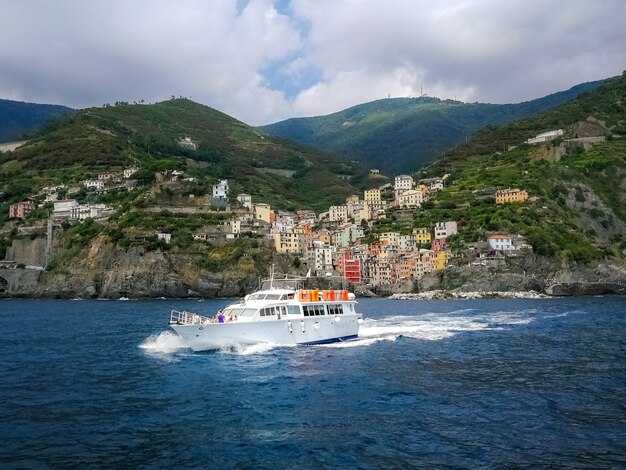
Anchor at Cala di Volpe’s sheltered inlet or beside Porto Cervo marina; both places provide reliable access to water, power, and shore service, with a short tender to olbia when needed. This setup delivers comfort during blustery seas and keeps your sailboat close to the pristine coastline.
From the Costa Smeralda coastline, top anchorages lie around Caprera and the La Maddalena archipelago, with Cala di Volpe as a natural staging point. Caprera’s sheltered bays sit within marine reserves, while Maddalena’s lagoons offer clear water, pristine seabed, and easy access to grotto-lined shores. Long hops include a leg to Macinaggio in Corsica when weather and timing align; after exploring Caprera’s northern coves, you can return to Maddalena’s sheltered waters.
Seasonal timing favors late spring through early autumn. The peak months, July and August, bring crowds and wind shifts; monitor wind forecasts and secure berths in porto cervo or olbia well ahead. Shoulder seasons offer gentler seas, ready access to anchorages, and less crowding while scenery remains unparalleled.
Marina options in this region range from upscale hubs to practical bases. Porto Cervo Marina delivers major service levels, long berths, and private pontoons; Olbia’s Marinas provide solid access with good provisioning and swift check-in; La Maddalena’s Cala Gavetta offers simple, well-sheltered stays during short stops. In Caprera, small harbor pockets support quiet layovers while plans include day sails to Caprera’s coves and Maddalena’s protected waters.
These marinas provide ample water, power, and service; they maintain straightforward access, appealing to anyone seeking unparalleled beauty, pristine waters, and a comfortable seaside vibe. Use samboat to compare availability and pricing across ports. Plan a flexible schedule to allow detours to Caprera, its marine reserves, and Macinaggio if weather windows align.
Sicily’s West and South Coasts: must-see stops from Palermo to Pantelleria
Begin in Palermo with a comfortable pace along Sicily’s western fringe, anchor near Favignana for the first night, then visit Levanzo’s Grotta del Genovese, a grotto that adds authentic character to the voyage.
From Favignana, try short hops to Trapani or Marsala, typically 2–4 hours under favorable seas; Trapani offers solid protection and a thriving old harbor, while Marsala supplies great seafood and scenic salt flats, expanding your coastline options.
In Mazara del Vallo, a major fishing hub, enjoy authentic dishes and a coastline rich in culture; a sailing day to Sciacca broadens opportunities with pristine beaches and a size of anchorages suited to larger kézműves.
Continue to Sciacca, then Porto Empedocle or Licata to approach the Valle dei Templi near Agrigento; the park presents a seasonal draw and a numbers of ruins spread along a cliff-lined coast, a major highlight for land-based sightseeing.
From there, Siracusa and the Plemmirio Reserve offer a blend of culture and nature; Ortygia’s lanes and markets pair with Plemmirio’s bays for snorkeling and shore walks, enriching the sailing rhythm and lending knowledge to navigation along the coast.
Pantelleria becomes the major finale, with volcanic heights, black-sand coves, and the Lago di Venere; anchorages at Cala Ghianda or Cala Tramontana require careful navigating as sudden winds can arise, while Grotta del Bue Marino invites a grotto descent to thermal pools.
Seasonal timing matters; June offers favorable seas, long daylight, and protected bays, making the west–south arc especially productive; knowledge of currents helps make the most of each day and avoid abrupt plan changes.
From Pantelleria, routes extend toward napoli or sorrento, with options to loop north toward Macinaggio or argentario to gauge size és opportunities in different seas; these extensions test jachtozás skills across influences, seasons, and weather windows.
Tuscan Archipelago: Elba, Giglio, and Giannutri route planning, provisioning tips
Recommendation: Begin on Elba’s northern coast, anchor at Portoferraio, replenish supplies in Portoferraio and Rio Marina, then sail to Giglio Porto, and finally reach Giannutri’s Cala Maestra. This sequence minimizes long passages, maximizes provisioning options, and keeps seas manageable.
Route planning across the regions delivers easily navigable legs between three major sites. Distances are roughly 25 nm from Elba to Giglio and 18–25 nm from Giglio to Giannutri; prevailing winds in northern sectors commonly shape daytime legs, with 4–6 hours typical in light to moderate conditions and longer windows in tougher seas. Navigating along the coastline is straightforward thanks to clear marks and reliable service, with Punta markers guiding sheltered approaches where needed.
Provisioning tips: Elba offers a great provisioning network, with markets in Portoferraio and Rio Marina plus marine service points equipped to handle shore-side supplies. In Giglio Porto you can top up essentials and water, while Giannutri presents limited on-site shops, so bring staples from Elba or Giglio. Ensure a valid licence is carried, and coordinate deliveries with port agents to minimize gaps between legs. In all three stops, plan a light to medium stocklist focusing on fresh produce, bread, pasta, olive oil, and local fish, then top up ice and water at the marina service points to keep routines simple.
Navigation notes emphasize consistency in weather checks and anchorage choices. The coastline throughout these islands features white cliffs and rocky inlets, with several world-class moorings that suit experienced crews seeking quiet anchorages. Canals of currents near busy channels are rare, yet cautious plotting around Giannutri’s southern approach remains prudent, especially when winds shift from northern quarters. If sailing during a historical spring or autumn window, expect calmer seas but more variable winds, so adjust timing accordingly.
levanzo awareness helps prevent chart misreads during coastal transit. Compare official charts with local service bulletins, as misinterpretations can occur when nearby islands are referenced in similar nomenclature. Always verify coordinates against a current pilot book or licensed digital chart, and keep a personal log of waypoints to ease navigating between Elba, Giglio, and Giannutri.