


 Magyar
  English (UK)
  Русский
  العربية
  日本語
日本語  한국어
한국어  Türkçe
  Español
  Čeština
  Svenska
  Português
  Ελληνικά
  Suomi
Suomi  Nederlands
  Română
  Italiano
  Français
  Polski
  Українська
  Deutsch
  简体中文
简体中文  Slovenčina
  Crater Lake National Park Itinerary – 20 Epic Things to Do">

plan your Crater Lake visit for midsummer; before the crowds fill the Rim Drive, book a boat tour on a ferry-style service to Wizard Island and cool off at the water’s edge. This plan helps you pace your days and fit 20 epic possibilities into a comfortable schedule.
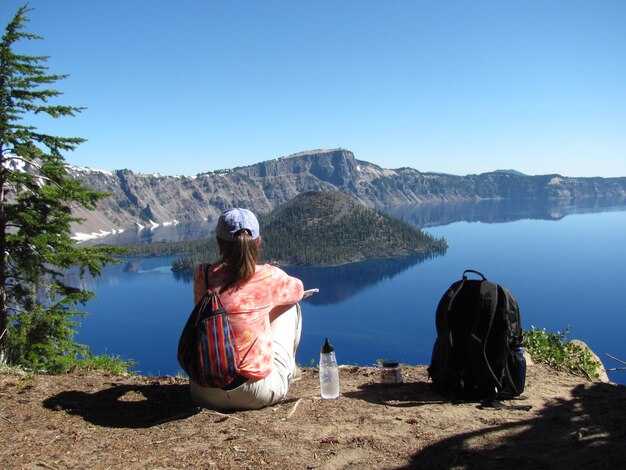
Here, tucked among pine forests and basalt cliffs, the lake reveals an incredible shade of blue that shifts with the light. Start at the lookouts around Rim Village and Watchman Peak, then choose a mount-friendly path for the afternoon. The Cleetwood Cove Trail descends to the lake shore, offering a rare chance to dip a toe in the water before you return to the Rim.
North of the caldera, you’ll find hikes that suit any pace. Garfield Peak and Discovery Point deliver sweeping views, while shorter routes let you visit multiple lookouts in a single day. Much of the park’s magic rests in those quiet overlooks and the chance to catch a different angle on the crater each hour.
Year after year, Rim Drive connects famous pullouts where you can watch the light change across the crater’s rim. Prospectors who first mapped this region years ago would recognize the rugged terrain, yet today you can plan your day with real-time updates from the visitor center. If roads are closed due to snow, check conditions before you head out and adjust your route accordingly.
Here you’ll find 20 epic things to do, with practical tips on timing, gear, and safety so you can maximize every day–whether you’re visiting for a long weekend or planning a stay that spans years.
Rim Drive Highlights: Top Viewpoints and Short Stops
Start Rim Drive at Sinnott Memorial Overlook for a quick orientation, then set youre pace and plan 15–20 minutes for photos and a quick map check. going between overlooks, keep traffic steady and pull into designated spots.
Cloudcap Overlook sits tucked along the crest within the pines, delivering stunning, water-filled caldera walls and the highest rims; a wizard of wind sometimes brushes the rim. Year after year, the light on Crater Lake shifts, inviting repeat visits to this stop.
Next, the short ascent to Watchman Peak rewards you with panoramic light; the path is designed for a comfortable climb with shoes and trekking poles. If the wind picks up, the difficulty may rise a notch, but the payoff is worth it.
Discovery Point offers a level boardwalk stop to stretch, sip water, and snacks; you can pause a moment while merriam signs explain the lake’s geology, and explorers will appreciate the context for exploring the rim.
During the loop, you might want a quick stop at a couple more pulls; plan 10–15 minutes at each, and dont rush–seasonal gates and weather vary. Watch for snag or branches after storms and keep to paved or formed paths.
Practical notes: stay on marked paths, keep your trust in park staff, and carry water, snacks, and spare layers; these panels share tribe histories to enrich the moment and help you plan your part in the day carefully.
heres a compact table of top stops with typical durations to guide your day. Sinnott Memorial Overlook – 15–20 min; Cloudcap Overlook – 10–12 min; Watchman Peak – 20–30 min; Discovery Point – 10–15 min; Rim Village overlooks – 10–15 min.
Note that Rim Drive is often closed in winter due to snow; check articles before you go for current openings, and plan a trip in late spring or early summer when access is typically best.
Boat Tours and Wizard Island: What to Expect and How to Choose
Book a morning boat tour that includes Wizard Island and plan a short island walk along the Lakes edge path for the best balance of water views and land scenery. In June, secure tickets early–these tours sell out fast–and aim for a slot before midday when light and water are calmest.
On the water, expect a narrated ride with safety briefings, sheltered seating options, and weather-appropriate gear. Guides explain Crater Lake’s formation, point out the caldera walls, and describe Wizard Island’s crater features. The ride may pause for photo opportunities of the cliffs and the island silhouette, then you reach Wizard Island for a land stop that lets you stretch your legs and take a short Lakes edge path. A typical itinerary includes a return ride to Rim Village, with the option to stay on the island longer if weather allows. Click the official site to check schedules and cost, or ask at the Rim Village desk for current options. Most operators offer tours that pair the water and island time, providing enough flexibility to enjoy both perspectives. Takes about 1 to 2 hours on the water, and the island stop adds extra time depending on conditions. Sunrise departures are especially popular for photographers who want the light on the caldera walls.
Choosing your tour: tips to match your day
Most guests choose the standard lake cruise with a Wizard Island stop; if you want more time on land, select a longer option with a longer island visit and perhaps a guided hike. This option often runs longer and costs more, but you gain more time on the island. For sunrise fans, consider a schedule that ends up with dawn light catching the caldera; you can pair the boat ride with a Rim Drive hike to Garfield Peak for sunrise views. A classic add-on is Mount Scott; a short Rim Drive ride brings you to a high overlook that rewards with a wide view of lakes and cliffs. When planning, keep in mind travel companions, your fitness level, and weather; the highest vantage points on Wizard Island require a short, moderate walk, and some trails may be closed seasonally. For essentials, pack light but bring water bottles, sunscreen, hats, and layers in case of sun and wind; especially important on windy days when the knife-like chill hits the rim. The cost varies by operator and day, so compare options before you click; many guests find a mid-range option that fits most schedules, with enough time to explore the island and still return before dark. Crater Lake rests in oregons, united by dramatic cliffs and a blue body of water that invites careful planning and a little morning magic.
Hiking Essentials: 3 Signature Trails for All Levels
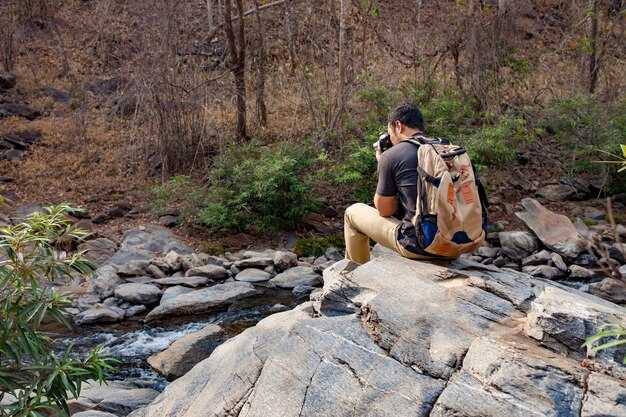
Start with Cleetwood Cove Trail if your goal is a dramatic lake view with a clear payoff in about 2 hours round trip.
Cleetwood Cove Trail – Lake Edge Descent
Hours: 1.5–2.5 hours. Difficulty: high due to steep descent and ascent. Distance: about 2 miles round trip. Elevation change: roughly 500 ft. The route starts at Rim Village and drops to Cleetwood Cove, where Crater Lake reflects on the water. Bring a pair of sturdy shoes, a light jacket, water, sunscreen, and bug spray. A small knife can help with gear tweaks; dont forget a dry bag for electronics. Pine cone litter and exposed rock create photo opportunities, and the overlook along the rim yields a strong reflection shot. Amenities near Rim Village include restrooms and a cafe if you need a break. If you love dramatic lake scenery, this hike sets the tone for your Crater Lake day. This route is ideal for most visitors seeking a dramatic payoff, so wholl pace yourself and listen to your body.
Sun Notch Trail is a short counterpoint near the same Rim Village area and pairs nicely after Cleetwood. Hours: 0.75–1.5 hours. Difficulty: easy to moderate. Distance: about 0.5–1 mile. Elevation gain: 100–150 ft. The path weaves rocky ledges to a lookout with Crater Lake framed by pine trees and a visible reflection on calm mornings. Bring water, a light jacket, and sunglasses; bug spray helps in warm months. Pine cones line portions of the route, and including this stop keeps the pace manageable. Don’t rush the footing on rocks and dont forget to leave no trace. Parking can be busy, so give space to others and watch for drivers as they enter or leave the lot.
Garfield Peak Trail – Rim Vista Crown
Hours: 2–3 hours. Distance: about 3 miles round trip. Elevation gain: around 900–1,000 ft. Difficulty: high; best for hikers with some elevation experience. Start at Sinnott Memorial and climb through forest into alpine meadows to a broad overlook with sweeping Crater Lake views. Bring a pair of sturdy shoes, a jacket, water, sunscreen, and bug spray. The rocky sections demand attention, and stay on the trail for safety. Expect a striking lake reflection on clear mornings, with the rim towering above the water. Parking can be tight, so plan ahead and be mindful of other drivers leaving the lot. Trust your pace and turn back if wind or fatigue increases.
Weather, Seasons, and Packing List: Stay Comfortable Year-Round
Pack a reliable three-layer system: bring a breathable base layer, a warm mid-layer, and a windproof, waterproof shell. This setup keeps you comfortable at Crater Lake’s high elevation, where weather shifts quickly and the encircling path reveals rocky, volcanic features near pinnacles and viewpoints.
Crater Lake offers distinct seasons. Summer highs usually reach 60–78°F (16–26°C) with nights around 35–50°F (2–10°C). Expect gusty winds and sudden showers along the rim, so carry a compact rain layer and sturdy footwear. Fall cools rapidly; daytime temps hover in the 40s–60s°F (5–15°C) with chilly nights. Winter blankets the park with snow; Rim Drive is often closed from late fall through spring. Spring brings melting snow and variable conditions; you might encounter muddy stretches. Prices vary by vehicle; check the official site for current fees. You can sign up via email for real-time alerts about road openings and weather updates to plan your routes.
To stay comfortable on the road and trails, bring enough water for each hike, plus a filter if you plan to drink from streams. Pack sunglasses, sunscreen, a warm hat, and gloves for higher elevations. For families with children, plan shorter, well-marked paths and frequent breaks; youve got room to enjoy. Bring a camera and spare batteries; in the early morning light, the rock and caldera glow with color. Scott, a ranger, notes that Discovery Point offers iconic views and a sense of scale that makes the climb worthwhile. Plan your day using both road-accessible viewpoints and quieter side paths, including some that encircle the caldera. If you opt for a vehicle-based visit, be mindful of parking at Rim Village and other overlooks; amenities include restrooms and a cafe. On busy days, parking for vehicles fills quickly near overlooks, so plan to arrive early or use shuttle options if available. One local term you might hear from guides is plaikni–note it as a cultural touchpoint during your visit.
Seasonal Packing Essentials
| Item | Summer | Shoulder Season | Winter |
|---|---|---|---|
| Base layer + mid layer | Light tee + fleece | Wool/synthetic | Thermal base + down |
| Water + purification | 1–2 L + filter | 1.5–2 L + filter | 2–3 L + filter |
| Shell | Könnyű esővédő kabát | Water-resistant jacket | Insulated waterproof jacket |
| Footwear | Treaded trail shoes | Sturdy hiking boots | Insulated waterproof boots |
| Accessories | Sunglasses, hat | Gloves optional | Warm hat, gloves |
| Camera & extras | Camera + spare memory | Spare battery | Warm batteries, protection |
| Navigation | Map + phone | Offline map | GPS device |
| Safety & comfort | First aid kit | Whistle | Traction (microspikes) |
Planning Logistics: How to Handle Access, Fees, Parking, and Safety
Recommendation: Reserve your park pass online, plan for sunrise arrival, and aim for Rim Village parking to maximize your views. Youd get closer to the best overlooks with an early start.
Seasonal access and road status
- Season: Crater Lake Rim Drive and most overlooks operate from late spring through fall; snow can delay opening and trigger early closures, so verify the current window a day before you go.
- Snow and weather: shoulder-month conditions can collapse sections or block pullouts; carry a windproof layer and a light pack, and expect quick changes in the forecast.
Fees and passes
- Prices: Vehicle pass around $30 for 7 days; motorcycle $25; per-person pass $15; Interagency annual pass $80. These figures are typical, but confirm at nps.gov or recreation.gov before your week.
- Where to buy: online in advance or on-site at the gate; cash or card is often accepted where available.
- Note: If you travel with passengers, the per-vehicle value rises with more riders, so consider the annual pass if you plan multiple trips in year.
- Merriam tip: keep a quick reference on your phone or notebook for common terms and spellings; merriam can help with field notes and names.
Parking and access strategy
- Must arrive early in peak season to secure a spot; the most popular lots fill by hour 9–11am; plan a sunrise start to maximize options.
- Options: Rim Village lot, visitor center lots, and several pull-outs along the Rim. If full, park in designated spaces and walk short distances; avoid blocking lanes. Check if a shuttle runs during your week.
- Long-range planning: allocate a full day to cover multiple viewpoints; a week-long trip lets you spread visits across different times and light.
- Window idea: use a morning visit to catch mist over the lake and a late-afternoon window for golden glow on the caldera walls.
Safety and gear
- Weather and safety: weather shifts quickly, especially above the forest edge; check updates at the visitor centers and park alerts before heading out. Winds can drop temperatures fast.
- Gear: crampons for icy trails; binoculars for distant viewpoints; headlamp for night options; carry a map, compass, and a charged phone with offline maps.
- Checklist: water (1–2 liters per person), high-energy snacks, sun protection, layers, a small first-aid kit, and a lightweight emergency blanket. Include extra clothing for chilly mornings and nights.
Dining, lodging, and cozy options
- Resort and centers: Crater Lake Lodge offers entrees and a cozy dining room; check hours and seasonal menus, as prices vary by season.
- Stays: consider campground options or nearby forest inns for flexible plans; some centers offer night programs or stargazing events.
- Planning note: arrive with a meal plan; carry a small cooler if you plan self-catering at camp; check sunrise and night photography windows for the best light.