


 Magyar
  English (UK)
  Русский
  العربية
  日本語
日本語  한국어
한국어  Türkçe
  Español
  Čeština
  Svenska
  Português
  Ελληνικά
  Suomi
Suomi  Nederlands
  Română
  Italiano
  Français
  Polski
  Українська
  Deutsch
  简体中文
简体中文  Slovenčina
 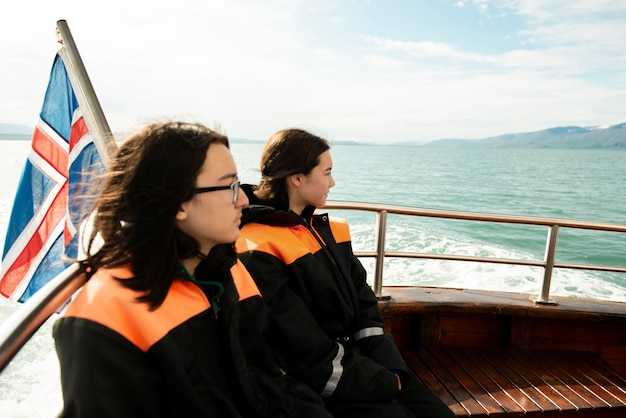 Costa Brava Hajózás – Végső útmutató tippekkel és kikötőkkel">

Book a dawn charter and head straight to turquoise calas along the Costa Brava to catch glassy water and fewer crowds. Start with Roses or Cadaqués, where early light flatters the cliffs and your first navigation feels controlled and rewarding.
Exploring the coastline means hopping between calas, areas where shelter matters most. Look for calm coves from Roses to Cadaqués, where wind is gentler and the mediterranean water stays clear toward the afternoon.
Marina options include Port de Roses, Port l’Estartit, Palamós, Blanes, and Sant Feliu de Guíxols, each offering berths, fuel, chandlery, and waterfront dining. heres a simple planning note: pick a southern base for the first leg and switch north as you gain confidence.
Policy and practical tips: take note of anchoring rules in protected areas such as Cap de Creus and other nature reserves. If you prefer fewer variables, book fixed moorings when possible and use harbour master services to avoid fines. This approach keeps crew safe and morale high as you move towards your preferred routes.
The culinary scene along the coast shines with dishes such as suquet de peix and grilled sardines, reflecting a culinary mix that fuses Catalan tradition with mediterranean flavors. In spain you’ll find small family eateries that welcome sailors after a day’s sail, turning fresh seafood into memorable meals.
For confidence on the helm, plan short hops of 20–40 nautical miles, anchor in calmer coves, and check local winds each morning. Fewer moving parts on a well-structured route keeps the crew safe and makes the experience better.
heres a compact 5-night outline you can adapt: Roses → Cadaqués → L’Escala → Palamós → Blanes, with a final return to Roses. Use this frame to explore calas, areas where you can drop anchor safely, and towards calmer mornings that set the pace for your Costa Brava adventure.
Practical Planning for Costa Brava Sailors
Book marinas in Palamós, Blanes, Roses, and Cadaqués at least six weeks ahead to guarantee best berthing during peak season. Use a trusted agency to confirm reservations and check each venue’s management policies for late arrivals, fee structures, and guest limits. To book a berth later, contact the agency. This approach will guarantee smoother check-ins.
Divide the coast into areas with unique coastlines: between Calella de Palafrugell and Begur, the Cap de Creus headland, and the sheltered ports around Blanes and Roses. Each area offers unique anchorage options, pristine coves, and breathtaking beauty, and your plan should align with wind direction and daylight. The coastline’s beauty is a constant bonus for a well‑timed sail.
Identify the best sailing windows by checking regional forecasts and historical patterns. Lean on advanced forecast tools; the combination of light morning winds and calmer seas typically produces the warmest sailing conditions and the smoothest passages along the coastline. Plan to sail so you reach the first port by midday to maximize safety and comfort.
Maintain quality gear and environmental discipline onboard. Inspect sails, lines, and fenders before each hop; carry a dedicated safety bag with PFDs, a throwable, and a first aid kit. Pack a spill kit and practice environmentally responsible waste disposal to protect the pristine coastline.
Consider road access and local transport for port hops. Most marinas provide secure parking and easy taxi or bus connections to towns like figueres for a day trip. The route boasts scenic towns and easy road access, so plan a figueres visit to Dalí’s Theatre‑Museum and return before dusk.
Create a flexible itinerary that accommodates weather windows and marina availability. Advanced bookings are a must in summer; prepare backups in Roses or L’Escala to reduce detours and keep the plan smooth. Seasoned skippers will keep the tempo steady while adjusting to sea‑state realities.
Agency-backed checks and safety guarantees help avoid last-minute stress. Ensure your boat’s insurance is active, confirm licenses if required, and keep a copy of the local port regulations. A clear safety plan will guarantee smoother operations.
Budgeting and provisioning: outline a weekly spend for fuel, groceries, and marina fees, then book main stops in Palamós and Blanes where on-site supply quality is high. Use local markets to stock fresh produce, and reserve a contingency in your budget for weather-induced delays and emergency moorings. This plan will keep costs predictable.
| Category | Action | Details | Timing |
|---|---|---|---|
| Pre-trip bookings | Reserve berths | Marinas in Palamós, Blanes, Roses, Cadaqués; confirm with agency | 6 héttel korábban |
| Route planning | Outline areas | Calella de Palafrugell to Cap de Creus; Cap de Creus to Roses | 2 weeks before |
| Safety & gear | Inventory | Sails, PFDs, first aid, spill kit | Elutazás előtt |
| Provisioning | Groceries & fuel | Stock quality products; use local markets | During trip planning |
| Egynapos kirándulások | Figueres visit | Dalí Theatre‑Museum; drive from Roses/ Figueres | Mid-trip |
When is the best time to sail Costa Brava? wind, seas, and crowd considerations by season
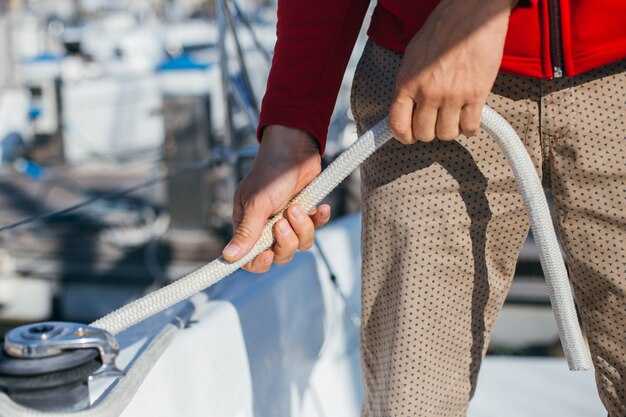
The best overall window is late spring or early autumn–May or September–for a balanced mix of wind, seas, and quieter harbors. If you can choose today, pick May or September rather than the peak July crowds. This decision helps you sail with a unique blend of reliable conditions, open bays, and fresh coastal life.
-
Spring (April–June)
- Wind and seas: steady 12–18 knots on coastal hops; afternoon sea breezes push into the 15–22 knot range, enough to keep you into a comfortable planing tempo without rough seas.
- Crowds and setting: tourism grows gradually; there is there a calmer feel than midsummer, with open ports in Palamós, Begur, and the famous llafranc area offering close-to-shore sailing and easy anchoring in protected bays.
- Permits, anchoring, and planning: check permits for anchoring in natural spots around the Cap de Creus natural park–some areas require permits or designated moorings. Choose well-reviewed spanish vállalatok that provide clear cancellation terms. This is ideal to train beginners and level up sailing skills, as sea conditions remain forgiving and the coastline offers a natural classroom.
- Tips: start from Lloret de Mar to Blanes and work north; use calmer mornings to open horizons, life aboard blending with coastal delights, and stay flexible in schedule.
-
Summer (July–August)
- Wind and seas: afternoons bring strong thermals along the coast, with typical winds 15–25 knots; mornings can be lighter, yielding a pleasant start for day sails but potential congestion later in the day.
- Crowds and setting: peak tourism drives busy marinas and crowded anchorages; bays such as Tamariu, Aiguablava, and Cala Montgó become lively, while there are great offers for day trips if you book ahead.
- Permits, anchoring, and planning: plan ahead–cancellation policies and refund options vary by spanish vállalatok. Expect higher rates and more restrictions near popular harbors; consider shorter hops and early starts to beat the rush.
- Tips: if your goal is social sailing, this is the peak, but whether you want a bustling scene or a few quiet coves, you’ll find both by moving into less-traveled coves around Calella de Palafrugell or Lloret de Mar in shoulder hours.
-
Autumn (September–October)
- Wind and seas: winds settle into reliable 12–20 knots with fresh mornings; seas remain comfortable for coastal hopping, often improving clarity after the heat of summer.
- Crowds and setting: tourism fades from peak; open harbors and bays feel more relaxed; bays along Begur to Aiguafreda offer quiet anchoring and natural scenery for shore visits.
- Permits, anchoring, and planning: check last‑minute refund és cancellation options with spanish vállalatok as weather windows can shift; many operators extend flexible terms into early autumn.
- Tips: this is a strong period to choose a longer cruise with fewer crowds; it’s a good time if you want life afloat at a comfortable pace, with tours and coastal Delights in calmer seas.
-
Winter (November–March)
- Wind and seas: overall lighter conditions, often 5–12 knots; days with usable sailing are fewer and weather can shift quickly, so plan short hops and shelter in protected bays.
- Crowds and setting: quiet harbors and lower rates tempt starting sailors to gain level experience; this is less about long cruises and more about practicing anchoring and boat handling in sheltered coves.
- Permits, anchoring, and planning: always verify cancellation terms and availability of safe moorings during low season; some offering options reduce during winter, but refund opportunities exist if trips cancel due to poor conditions.
- Tips: if you need a winter training ground, join a train program aboard a stable vessel; focus on low‑risk coastal hops and learning life afloat at a comfortable setting.
Regardless of season, the Costa Brava coast rewards both casual sails and longer itineraries. Plan with trusted spanish vállalatok, review cancellation terms, and look for flexible refund options. Whether you start in llafranc or in a southern bay, you’ll find a unique blend of rugged coastline, pine forests, and crystal water that makes every day at sea a life reaffirming delights.
Which marinas along the Costa Brava offer reliable berths, fuel, repairs, and shore facilities?
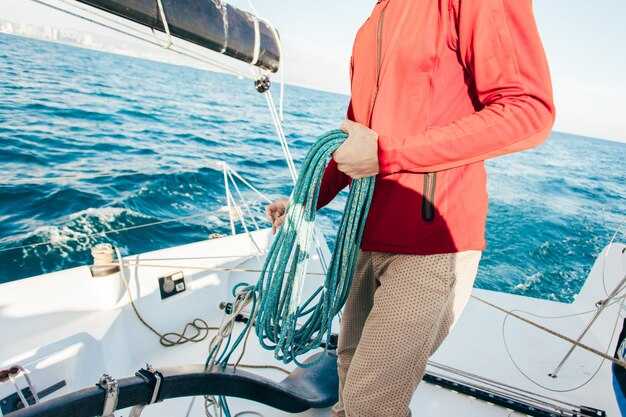
Empuriabrava Marina is the best all-round choice for reliable berths, fuel, repairs, and shore facilities along the Costa Brava. This large, well-kept complex handles a steady vessel flow and offers fuel docks, repair yards, chandlery, showers, and laundry along a broad seafront. For lovers of life at sea, it feels like paradise, with a level of service that keeps peace even in july crowds. Booking ahead is wise; this journey begins with a quick berth confirmation, and you can board quickly after arrival. The road network and nearby train connections make it easy to extend your itinerary north along the bravas coast.
Marina de Roses balances reliability and accessibility with a solid berthing plan, a staffed fuel dock, and workshops for minor repairs. Shore facilities include modern showers and laundry, while the harbor esplanade offers seafront strolls and nearby cafés. If youre planning spring or july sailing, booking ahead saves stress, and youre base lets you explore the Gulf of Roses and nearby nature and islands such as the Medes Islands. This stop keeps your vessel close to the bravas coast with a simple road and train access for onward travel.
Palamós Marina provides solid berths and dependable fuel, with on-site repairs and crane services. The seafront town offers a lively life with a traditional fishery vibe, yet the harbor remains calm for small vessels. Itinerary plans can anchor here after a long leg, and booking in advance is prudent for july. The harbor has good road and train links to Girona and beyond, making day trips to nearby nature reserves and the islands easy.
Further south, Port de Blanes and Port de Lloret de Mar provide reliable berthing for cruising boats, plus shore facilities like showers, laundry, and fuel. If you want a more intimate stop, portlligat near Cadaqués offers shelter with a seafront vibe and close access to the famous Dalí residence. From here, you can continue along the coast to Cadaqués and the Cap de Creus route; road access and the regional train network keep this stretch convenient, whether you prefer a short stop in spring or a longer stay into july.
An efficient itinerary for this coast begins in Empuriabrava, then moves to Roses, Palamós, Blanes, Sant Feliu de Guíxols, Lloret de Mar, Portlligat, Cadaqués, and Llançà, with a final hop to Figueres by train or road for a culture break. Each stop adds more life and nature to your voyage; you’ll find calm anchorages away from crowded resorts, but still enough to enjoy the seafront and harbor atmosphere. In july, temperatures rise and winds shift, so check the forecast and book berths in advance to keep your schedule flexible.
What are the top sailing routes and day trips along the coast from Blanes to Cadaqués?
Begin with Blanes to Tossa de Mar as a reliable opener, enjoying sheltered bays and a medieval skyline; anchor near Cala Giverola to stretch legs ashore and sip coffee on the quay. Then push north to Sant Feliu de Guíxols and Palamós, where two marinas offer good services and calm moorings between beaches and fishing culture.
From Palamós, push to Calella de Palafrugell, Llafranc, and Tamariu, threading between coves that hide turquoise water and pine-fringed headlands. The route works well for families and newcomers, with protected approaches into small harbors and anchorages off coves like Aiguablava and Sa Tuna.
Begurtól északra hajózva Port de la Selva és Cadaqués felé; a Cap de Creus drámai hátteret biztosít, a part pedig elszigetelt öblökkel és világítótorony-kilátással büszkélkedhet. Cadaquésből tervezzen egy félnapos kirándulást a Cap de Creushoz és a Cala Jóncolshoz; ezek gyönyörű horgonyzóhelyek tiszta vízzel és felejthetetlen tájakkal.
Mit kell pakolni és hogyan kell gondoskodni az ellátásról egy Costa Brava-i yacht- vagy vitorlás charterhez?
Csomagolj egy kompakt, jól felszerelt hétnapos készletet, hogy magabiztosan kezdhesd az utazásod. Lélegző rétegeket, gyorsan száradó ruházatot, napvédelmet, egy könnyű esőkabátot és egy strapabíró vízhatlan zsákot a parti látogatásokhoz. Tartsa a lényeges biztonsági felszereléseket elérhető helyen: mentőmellényt, elsősegély készletet, zseblámpát és vízálló tokot az iratoknak. Ez a felszerelés tökéletesen alkalmas egynapos vitorlázásokra, túrázásra és festői öblök felfedezésére az itteni part menti öblökben. Ez a hely felkészít az utazásra kevesebb meglepetéssel.
Praktikus ellátás tartós élelmiszerek és helyi piacokról származó friss termékek vegyes kínálatával. Készletezzen legalább 20–25 liter vizet személyenként egy hétre, plusz egy 5 literes tartalék palackot. Adj hozzá tartós alapanyagokat: olívaolajat, tésztát, rizst, konzerv paradicsomot, hüvelyeseket és konzerv halat. Tartson egy fűszerkészletet az ízek változatossága érdekében. Friss ételekhez tervezzen 3–4 tenger gyümölcsei opciót garnélarákkal vagy helyi halakkal, melyeket a palamósi, blanesi vagy cadaquési piacokon vásárol. Tartson fenn pár rugalmas napot festői öblök meglátogatására és kristálytiszta vizű úszásokra, miközben a jeget és a frissességet egy jól szigetelt hűtőtáskában őrzi meg. Ha a charter tartalmaz konyhai személyzetet, kövesse az ő listájukat, ellenkező esetben egyeztessen a kikötői üzletekkel, hogy feltöltse a készleteket egy dokkolási megállónál.
A tárolás és az energiagazdálkodás fontosak egy vitorláson. Használj kompakt hűtőt vagy felültöltős hűtőtáskát jégakkukkal és fagyasztótasakkal. Ellenőrizd a hajód elektromos rendszerét, és a hűtő akkumulátor kímélése érdekében ne üzemeltesd csúcsidőben. Használj újrafelhasználható tárolóedényeket, címkézz fel mindent, és tervezd meg az étkezéseket a spanyol étlapok és a helyi piacok alapján. Amikor a piaci napok egybeesnek az útvonaladdal, szezonális termékeket találsz, amelyek feldobják az ételeket anélkül, hogy túllépnéd a költségvetést.
Ruházat és felszerelés tengerparti vitorlázáshoz. Réteges öltözet a nappali hajózásokhoz és az estékhez, plusz egy meleg réteg a hűvösebb éjszakákra. Hozz magaddal csúszásmentes fedélzeti cipőt, napellenzőt, napszemüveget és a korallzátonyokra biztonságos napkrémet. A szárazföldi túrákhoz csomagolj könnyű túracipőt, egy kompakt hátizsákot és egy kulacsot. Itt a Costa Braván gyakran fedezhetsz fel történelmi városokat drámai tengerpartokkal és festői kilátással, ezért készülj sópermetnek és homoknak ellenálló felszereléssel. Csomagolj néhány extra alsóneműt és pár törölközőt a kikötők közötti hosszabb szakaszok áthidalására.
Biztonsági felszerelés és alkatrészek, amikre szükséged lesz a fedélzeten. Gondoskodjon mentőmellényről mindenki számára a fedélzeten, egy alap szerszámkészletről, tartalék biztosítékokról, kötélről, sárvédőkről, kikötőkötelekről és egy megbízható horgonykészletről. Ellenőrizze, hogy a biztosítása és a hajó biztonsági funkciói naprakészek-e, és erősítse meg, hogy mit tartalmaz a charter. Ha egy kikötő kínál ellátási szolgáltatásokat, fontolja meg azok használatát a fedélzeti terhelés csökkentése és a kirándulások minimalizálása érdekében.
Helyszíni rendelkezések és tervezési tippek. Tervezd meg az útvonaladat úgy, hogy belefoglald a friss piacokkal és tengerparti farmokkal rendelkező városokat. Néhány napon töltsd fel a konyhát spanyol alapanyagokkal és helyi tenger gyümölcseivel, más napokon pedig élvezd a könnyű ételeket kész termékekkel. A zökkenőmentes utazás érdekében foglald le előre a feltöltési időpontokat a kedvenc üzleteidben vagy kikötődben, különösen fesztiválok idején, amikor a kínálat szűkülhet. Egyes charterekben szereplő opciók leegyszerűsíthetik a tervet; egyébként hozd azt, ami bevált, alkalmazkodj az útvonalhoz, és élvezd egy igazán felejthetetlen Costa Brava-i utazás jutalmait.
Milyen biztonsági szabályokat, engedélyeket, VHF használatot és helyi navigációs gyakorlatokat kell ismerniük a vitorlázóknak?
Érvényes VHF rádiókezelői engedélyt kell szerezned, mielőtt spanyol vizeken hajózol, és az engedélyt tartsd a fedélzeten ellenőrzés céljából. Programozd be az MMSI-t, engedélyezd a DSC-t, és teszteld az antennádat és az akkumulátorodat. A Costa Brava menti kikötőkben a kikötőmesterek elvárják, hogy a 16-os csatornán azonosítsd a hajódat és a kikötőhelyedet, majd az első hívás után válts át egy munkacsatornára.
A VHF rádiózás etikettje érdekében minden kapcsolatot a hajója nevével és kikötőjével kezdjen, a 16-os csatornán kezdeményezzen hívást, és a sugárzás előtt erősítse meg a másik fél szándékát. Ha elérhető, használja a 70-es csatornát DSC hívásokhoz, és tartsa üzeneteit tömörnek, tartalmazva a pozíciót, az irányt és a szándékot. Mindig figyelje a 16-os csatornát, és sikeres kommunikáció után váltson helyi munkacsatornára; ez leegyszerűsíti a forgalmat és segít elkerülni a torlódásokat a május-júniusi csúcsidőszakokban, amikor a tengerparti városok fénye tömegeket vonz.
A navigációs gyakorlatok naprakész térképekre, AIS-re és a öblök és szigetek körüli körültekintő szemrevételezésre támaszkodnak. Sekély területekre lassan hajtson be, tartson nagy távolságot a horgonyzó hajóktól, és adja meg az elsőbbséget a kereskedelmi vagy kompközlekedésnek. Szűk bejáratoknál, dalik közelében és lenyűgöző öblökben részesítse előnyben a nappali navigációt, vagy kérjen helyi segítséget, ha a szél a sekély zátonyok felé sodorja. A rugalmas tervezés megkönnyíti az időjárási ablakok kihasználását, és a falvak és magánszigetek mentén is tartani a menetrendet.
A helyi szabályok biztonságos sebességet írnak elő a kikötői határokon belül, és sok öbölben csendrendelet és horgonyzási korlátozások vannak érvényben. Magán kikötők megközelítésekor hívjon előre, és kövesse a kikötőmester utasításait. Ha horgonyoznia kell, válasszon jóváhagyott helyeket, és tartson legalább a közzétett távolságot a többi hajótól; tartsa tiszteletben a védett területeket, különösen a szigetek, öblök és vallási vagy fesztiválzónák körül, ahol a fesztiválok idején megnőhet a hajóforgalom.
A fedélzeten lévő biztonsági felszerelésnek készen kell állnia és hozzáférhetőnek kell lennie: személyenként mentőmellény, egy dobható úszóeszköz, megfelelő horgony megfelelő kötéllel, sárvédők és egy vízálló VHF rádió tartalék elemekkel. Tartson kéznél elsősegélynyújtó készletet, fényforrást és vízálló térképet vagy tabletet. Vészhelyzet esetén tudja, hogyan kell Mayday-t jelenteni és megadni a pontos helyzetét; ez a leggyorsabb út a segítséghez, ha bajba kerül a tengeren vagy egy zsúfolt kikötőben.
A képzés és a felkészülés kifizetődik: vegyél részt gyakorlati képzésen helyi vitorlázókkal, tanulmányozd a kikötői útmutatókat, és gyakorold a dokkolási gyakorlatokat a bevezető partvidék több marinájában. Íme egy egyszerű rutin az erősödéshez: nézd át a VHF-hívásaidat, gyakorold a hajózást a sekély öblökben, és fuss át néhány éjszakából nappalba való átmenetet, mielőtt túrákat tennél a vendégekkel. Ez a megközelítés segít kezelni a váratlan körülményeket, megfelelni a biztonsági elvárásoknak, és jobban vitorlázni, miközben élvezed a lenyűgöző Costa Brava partvidékét.