


 Magyar
  English (UK)
  Русский
  العربية
  日本語
日本語  한국어
한국어  Türkçe
  Español
  Čeština
  Svenska
  Português
  Ελληνικά
  Suomi
Suomi  Nederlands
  Română
  Italiano
  Français
  Polski
  Українська
  Deutsch
  简体中文
简体中文  Slovenčina
 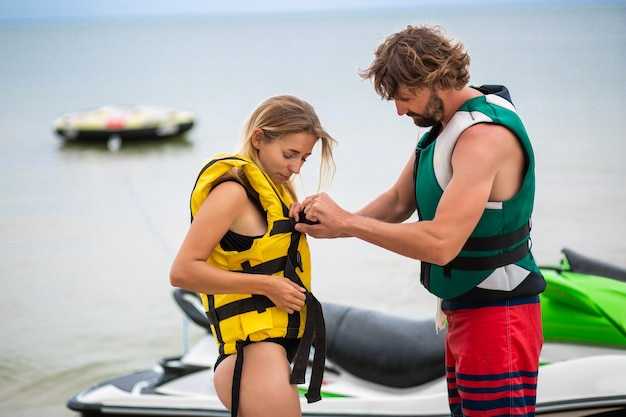 Boat Safety Guide – Learn How to Be Safe on the Water">

Always wear a PFD when stepping onto deck and before engine start. This simple step reduces drowning risk and keeps you buoyant during unexpected movement.
On local operations, basics include maintaining balance with a firm stance, keeping feet shoulder-width apart, and securely lashing gear. Put on non-slip footwear, remove loose items, and perform during calm conditions where possible to avoid unnecessary risk. General practice prioritizes minimizing exposure to engine exhaust, fumes, and loud noise.
Set a routine to communicate plans before leaving, using a radio and visual signals. Use a time check to keep crew aligned, and clarify change of plans quickly to avoid confusion. Ensure everyone knows backup procedures for leaving, returning, and handling equipment in case of gusts or rough seas.
Before leaving, review environment data from local sources, inspect engine status, battery level, fuel amount, and ensure cargo is secured. Create a simple checklist for departure, including confirming basic signals and verifying anchoring lines. This reduces risk during changeable conditions.
In common practice, plan routes that minimize exposure to wind shifts and current changes. Maintain clear communication with everyone aboard, keep feet planted, and use footwear that offers grip. If conditions change, adjust plan promptly, leaving ample space for maneuver, and monitor engine performance while staying aware of surroundings away from hazards. Even small changes make a difference for risk.
Pre-Launch Safety Checklist for Every Trip
Run a short, complete engine test and inspect fuel line, battery connections, and steering gear before departure.
Put on life jackets for each person, and confirm throwable rings are within reach to avoid accidents.
Know local weather, wind, visibility, and forecast; guard against sudden changes and stay informed. On boats, match speed to chop and keep time margin for setbacks.
Check warning devices, signaling horn, and lights; keep proper PPE ready, and confirm devices operate.
Distribute weight evenly to avoid capsizing; keeping loads low reduces injuries and maintains control, boosting survival.
Verify needed gear: spare lines, a throw line, whistle, flashlight, and a fire extinguisher; ensure access to life-saving rings.
Assign roles before departure: operator, steering, and guard for passengers; practice a quick shutdown only if required.
Record time, route, and any hazards in a brief log; this addition keeps everyone knowing what to expect on board.
Most accidents relate to overloading or unstable movement; wear harnesses where applicable, which minimizes injuries and confirms proper restraint.
Choose the Right Personal Flotation Device (PFD) for Everyone Aboard
Kezdjücsel. basic rule: for every person aboard, pick PFDs matching weight range, chest size, and torso length. Lake-friendly options with foam flotation provide buoyancy while enabling comfortable steering. For youngsters, select child-sized jackets with crotch straps; they stay down and secure. Finally, test buoyancy by lifting shoulders in a shallow tub or pool to confirm rise with minimal effort.
Fit matters. Have someone assist in donning, adjust all straps, then perform a quick shake test: jacket should rise higher when shoulders are lifted during brief immersion in a shallow basin. Ensure jackets stay down when seated and do not ride up during motion. Familiarize yourself with pocket features: whistles, reflective tape, and emergency contact card. Keep a spare phone or mobile device in a waterproof pocket for quick access.
Choose which PFD suits each activity: Type III supports enjoyable cruising and driving comfort, Type I offers survival advantage in long lake crossings, and Type V models fit when using specialized gear or activities. When moving around vessel, wearing jackets at all times ensures immediate flotation if a stumble occurs. Adhere to following labels and instructions; check expiration dates, and inspect for cracks, tears, or missing straps.
Maintenance matters: after each day, rinse with clean liquid, dry away from sun, and store in a ventilated bag or locker. Avoid leaving PFDs in hot cabin spaces or direct sun for extended time; replace worn-out jackets or damaged pockets. If fuel gauges or electronic gear are near PFDs, ensure cords are clear and do not snag.
Lead by example: every person aboard wears a jacket during cruising or when conditions shift. Wearing PFDs consistently improves safety and enjoyable experience. Set a departure time; leaving time increases safety and keeps morale high, making voyages more enjoyable. This approach reduces dangerous pauses and helps everyone operate with confidence. Carry a spare PFD for guests or someone extra.
Inspect and Maintain Safety Equipment on the Boat
Perform a quick pre-trip check of gear: ensure everyone has properly sized life jacket, confirm signaling devices are charged and accessible, verify charged extinguisher, and confirm first-aid kit is complete.
- Life jackets: inspect seams, buoyancy, and overall condition; confirm fit for every person; keep near open areas so you can wear quickly when needed; always check that gear remains buoyant and easily reachable; replace any item that shows wear or damage.
- Signals: inspect flares, whistle, and horn; verify expiration dates; keep devices accessible and visible; check that signals can be heard and seen; practice line-of-sight signaling so others can react quickly.
- Line and anchor gear: inspect rope and anchor line for fraying or cuts; replace frayed sections; coil lines to prevent tangles; store on open racks so you can grab easily; check that line remains strong enough for routine tasks; taking care now avoids dangers later.
- Electrical equipment: test navigation lights at dusk or dawn; inspect connections for corrosion; keep battery box closed and dry; rinse gear after exposure to wind or spray to remove salt; monitor voltage to avoid surprises.
- Fire extinguisher: check pressure gauge and accessibility; service annually or per manufacturer; replace if charge is low; keep within reach so you react quickly if fire starts.
- First-aid kit: verify contents; restock used items; note expiration dates; keep instructions in visible place.
- Storage and organization: store equipment in dry compartments, away from heat; avoid clutter; open access hatches should remain unobstructed; keep items within arms reach for fast retrieval.
- No-wake discipline: when approaching no-wake zones, reduce speed; secure loose items and keep lines taut; this reduces risk for people on board and nearby swimmers.
- People and responsibilities: assign roles for signals, equipment check, and maintenance; involve family members; keep kids away from moving or adjusting gear; staying calm helps everyone react better to unexpected events.
- Record keeping: maintain a simple log with date, items checked, and replacements; this helps you stay prepared and makes future checks easier.
Keeping routines around equipment does more than protect everyone – it helps you enjoy trips with confidence, and youre able to react quickly if anything needs attention.
Test the Engine Cut-Off Switch and Electrical System
Attach lanyard to vest and ring on stern behind rail; start engine; pull switch to confirm shutdown within 2 seconds.
Boaters make basic checks on line leads; measures confirm essential circuits such as navigation lights, horn, bilge pump operate; inspect battery terminals for corrosion; ensure waterproof connections; check fuses and circuit breakers; test with lights on.
Following guidelines, boater confirm that lanyard ring stays attached; if loss occurs, return to shore and inspect источник; if issues were detected, stop, back away, and secure craft during waterway tests; identify cause; keep at least 3 feet clear from stern zone.
First aid kit within reach; survival gear ready; boater stays on course, staying within limits; follow order of steps: test lanyard, inspect battery, verify circuits, confirm alarms; example report after checks includes date, result, and action; give concise status to crew; avoid drown risk.
Check Weather, Tides, and Visibility Before Setting Sail
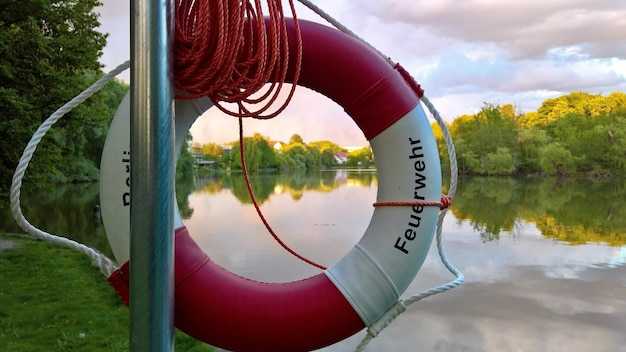
Essential forecast checks must be completed from trusted sources before departure. Wind, seas, and visibility determine whether planned legs are doable.
- Weather check: pull forecasts from at least two trusted sources; compare wind speed (knots), gusts, seas (meters), and visibility (kilometers). Usually, winds under 15–20 knots with seas under 1.0–1.5 m keep close coast hops comfortable; when wind rises above 20 knots or seas exceed 1.5 m, consider delaying. whats acceptable varies by craft skill; judgment matters, especially after shifts in conditions born from seasonal patterns, which informs this decision.
- Tide and current check: consult tide tables for planned passages; note high/low times, currents, and whether you’ll face pinched channels near close inlets. Significantly strong currents at bends can slow speed, alter course, or increase fuel use. theres risk if you rely on plan during slack that isn’t slack anymore; adjust timing accordingly.
- Visibility and horizon: assess visual range with sun position, glare, and stray haze. If visibility falls below 5 km (3 miles) or horizon looks washed out by smoke, delay until conditions improve. theres value in staying away from coast and marking planned route on map to keep awareness high.
- Emergency gear and wearing: verify life rings are accessible, functioning VHF, spare battery packs, and signaling tools. Ensure wearing PFDs or life vests; keep other crew wearing equipment as needed. Check that emergency signals are up to date; rings on lifebuoys are visible at night with proper lights.
- Decision and plan update: apply planning order for swift review; if data conflict or crew experience raises concern, never push ahead. Driver stays alert, speeds adjusted to current margins, and crew were prepared for contingency. After decision, inform all aboard, confirm intended route, and note what changes were made for later learning.
Keep an Alcohol-Free Environment Aboard: Rules and Risks

Enforce alcohol-free policy from pre-departure to mooring. No drinking, no open containers, and no consumption during crew briefing, equipment checks, or securing lines. Eliminating alcohol lowers misjudgment, delays, and impaired coordination, helping people enjoy a safer outing. This approach yields much safer operations.
Designate a sober operator for steering and navigation; this person keeps devices such as helm, throttle, VHF, GPS, and depth-sounding gear under control. Crew members should minimize distractions and store beverages away from control zones, acting responsibly. Pre-departure, capacity checks, and post-arrival routines reduce risk.
Balance and flotation depend on weight, seating, and sea conditions. Stay within capacity limits, distribute people and gear evenly, including life jackets worn by everyone. Types of craft vary; this policy covers small skiffs and larger vessels alike. Finally, wearing flotation devices reduces dangers during rough sectors, including wakes and sudden strikes back from waves. Among risks, biggest danger is impairment, which can trigger misjudgments during maneuvering. Order on deck matters for crew and guests alike. You can enjoy swim time later with reduced risk.
In Canada, regulators stress pre-departure review, mooring protocols, and sober operation as mandatory requirements. Never drink near wheelhouse; responsible behavior ensures swim time after shift without risk. Monitoring for impairment among crew prevents back-to-back errors; finally, establish learning plan that covers basic rules, signaling, and emergency stops.
| Rule | Risk | Action |
|---|---|---|
| No alcohol during operation | Impaired judgement, slow reaction | Assign sober operator; keep beverages away from controls |
| Maintain capacity | Overcrowding, imbalance | Post capacity limits; distribute weight evenly |
| Wear flotation devices | Unprotected flotation, drowning risk | Provide life jackets for all; verify fit |
| Pre-departure checks | Equipment failure, miscommunication | Inspect devices; test radio; confirm mooring plans |