


 Magyar
  English (UK)
  Русский
  العربية
  日本語
日本語  한국어
한국어  Türkçe
  Español
  Čeština
  Svenska
  Português
  Ελληνικά
  Suomi
Suomi  Nederlands
  Română
  Italiano
  Français
  Polski
  Українська
  Deutsch
  简体中文
简体中文  Slovenčina
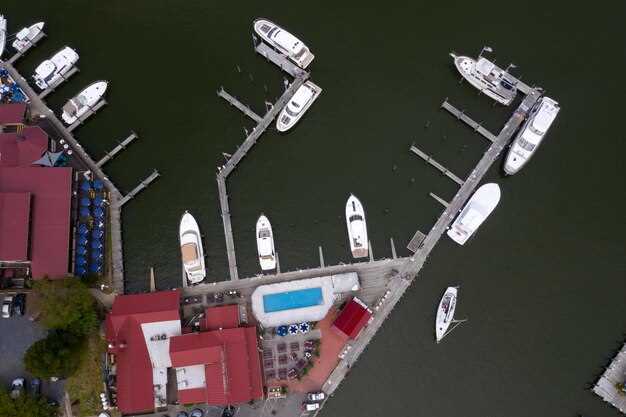
The boat rental market is poised for significant growth between 2026 and 2034, fueled by changing consumer behaviors and a surge in water-borne recreational activities. With coastlines and lakes becoming ever more accessible, individuals are increasingly finding opportunities to embrace sailing and other maritime adventures. This report aims to provide a comprehensive analysis of the market, focusing on various segmentation factors, including boat type, propulsion, size, rental type, and applications. Recognizing the critical trends shaping this industry will assist in benchmarking current opportunities and addressing any concerns that may arise.
One of the vital demographics driving the boat rental market is millennials, who are keen on experiences over ownership. As a result, businesses like Sunsail and YachtLife are transforming traditional models by offering innovative, cutting-edge solutions. With simple and communicative platforms, these companies are not only tracking rental patterns but also maintaining a constant dialogue with their customers. This report will explore how these rental services are emerging as the Airbnb of the marine sector, providing valued experiences that resonate with the modern consumer.
Additionally, the analysis will delve into the operational aspects of the industry, discussing the fees associated with boat rentals, the opportunities provided in the marketplace, and the dynamics of the marina business in states like Florida and Spain. With the introduction of advanced tracking tools and a commitment to safety, companies are addressing the needs of all boaters–whether they are seasoned individuals or curious teens experiencing their first sailing. Emily’s insights in this report will focus on how businesses can capitalize on these trends, ensuring that they not only meet but exceed the expectations of their clientele in the years to come.
Boat Rental Market Size & Industry Analysis (2026-2034)
The boat rental market is poised for significant growth between 2026 and 2034, driven by a series of factors that underscore the industry’s evolving dynamics. Highly competitive regions like America and Canada are witnessing a rise in demand for diverse rental options, including solar-powered and high-performance boats. As consumers show a growing interest in water activities, the market is expected to expand in both the commercial and recreational sectors.
Strategically, companies are adopting advanced technologies to enhance customer experience and streamline rental processes. For instance, platforms like Samboat and Sailo are guiding users through the rental experience, ensuring higher satisfaction rates. The adoption of cutting-edge models for boat sharing has led to a significant increase in rental frequency, as individuals seek to enjoy water activities without the burdens of ownership.
The market analysis also highlights the regulatory landscape that companies must navigate. Governments in various regions are implementing specified policies that promote sustainable practices while ensuring safety. This government oversight not only approves innovative rental strategies but also drives companies to maintain a condition that meets regulatory expectations.
Furthermore, the regional differences play a crucial role in market dynamics. The West, for example, boasts a favorable political climate for recreational boating, which can lead to higher market coverage. Current forecasts indicate that regions with progressive policies will experience more robust growth, filling gaps that have previously hindered expansion.
Looking ahead, the boat rental market is expected to evolve with fluctuating costs and changing consumer preferences. With each birthday of new technological advancements, businesses must adapt their strategies to remain competitive. The forecast period emphasizes the importance of in-depth market analysis, which outlines the need for adaptability and responsiveness to shifting trends and interest levels in water-based activities.
Ultimately, the boat rental market is an amalgamation of highly focused industries working together to drive innovation and customer satisfaction. As the landscape continues to change, companies that embrace cutting-edge technologies and regulations will likely emerge as leaders, optimizing their operations for a bright future in the recreational boating sector.
Insights by Boat Type, Propulsion, Size, Rental Type, and Applications
The boat rental market is experiencing significant growth, influenced by various factors such as boat type, propulsion, and size. Each category of boats caters to specific segments, allowing renters to choose based on their particular needs and preferences. For example, outboard motorboats are popular for their higher versatility on lakes and coastal waters, while solar-powered options are gaining traction for those seeking eco-friendly alternatives. This segmentation enhances the accessibility of rentals, as various entrants introduce innovative designs aimed at improving performance and overall user experience.
Propulsion choices have expanded, with options ranging from traditional gas engines to modern electric and solar-powered motors. This transition towards sustainable practices is reflected in changing policies and consumer preferences, leading to a more comprehensive fleet that covers diverse needs. As the demand for high-performance boats grows, companies are compelled to adapt quickly, ensuring that their offerings include options that suit both casual weekend renters and those seeking longer journeys.
Boat size also plays a critical role in rental decisions. Smaller vessels are often booked for short-term excursions, spanning just a few days, while larger boats are favored for extended trips with groups. The rental type–be it hourly, daily, or weekly–further influences pricing strategies. Higher rates are commonly associated with peak seasons, prompting companies to offer online booking discounts or packages to attract renters.
In the international market, the need for seamless experiences drives operators to enhance their online platforms, granting renters easy access to available boats and transparent pricing. As the forecast trends indicate an increase in demand, the market is witnessing further scalability; companies are investing in advanced technologies to streamline operations and customer service processes effectively.
However, inconsistency in demand can arise due to seasonal variations and fluctuating prices, forcing businesses to be agile in their strategies. Consequently, the depth of analysis into market trends will prove critical for stakeholders looking to capitalize on emerging opportunities. Innovative initiatives, such as loyalty programs and eco-friendly replacements, are becoming increasingly important as companies seek to retain customers in a competitive landscape.
In summary, the boat rental market is poised for growth in the coming years, shaped by insights into boat types, propulsion methods, size, rental types, and applications. Continuous monitoring of these variables will facilitate strategic planning for industry participants, ensuring they remain at the forefront of this evolving market.
Analyzing Market Trends by Boat Type
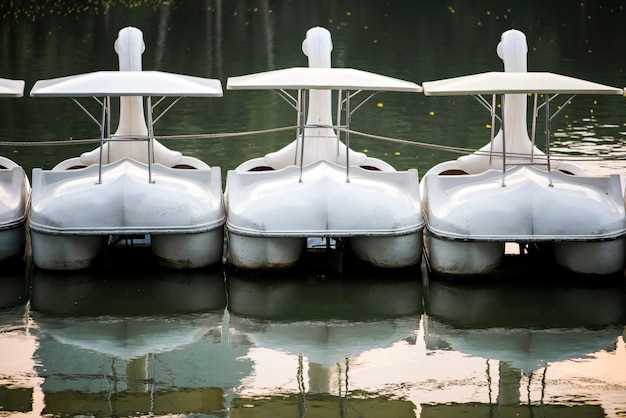
The boat rental market has seen significant development in recent years, particularly by boat type. Many providers are now focusing on specific categories to meet the diverse needs of customers. Motorboats, for instance, are often favored for their speed and ease of use, appealing mainly to urban adventurers who prefer quick trips. In contrast, sailboats are increasingly popular among millennials seeking unforgettable experiences on the water, particularly in coastal regions such as Valencia, Spain.
The emergence of peer-to-peer platforms, similar to Airbnb, has revolutionized how people book trips. These platforms connect boat owners with renters, enabling an increased number of water-borne adventures. This trend is particularly notable in countries like Brazil, where boats can be booked for various recreational activities. Operators in this sector have reported an increase in demand, especially during peak seasons such as July, when families and tourists often seek memorable experiences.
Moreover, small boats have gained traction under new regulations that promote accessible water-based activities. This positioning allows for a significant share of the market to be held by private entities, encouraging investments in regional boat rental services. Although the popularity of larger boats remains, smaller options often cater to those looking for quick andaffordable getaways.
The summary of these trends demonstrates that boat type greatly influences rental dynamics. With increasing popularity and various customer needs being answered, investments in both motor and sailboat rentals are likely to continue growing. This trend further illustrates how the boat rental market is adapting to meet evolving demands while providing unique experiences for all types of adventurers.
Evaluating Propulsion Options: Environmental Impact and Performance
In the boat rental market, the choice of propulsion systems plays a critical role in both environmental impact and overall performance. As the industry evolves, particularly in regions like America and Florida, the integration of various innovative technologies that support sustainable practices is becoming increasingly vital.
Readers interested in understanding the environmental implications of propulsion options must consider the following factors:
- Type of Propulsion: Traditional gasoline-powered engines are being challenged by electric and hybrid systems that offer lower emissions. Electronic options, especially when integrated with advanced tracking systems, can provide a seamless experience for users.
- Performance Metrics: Performance is directly influenced by the propulsion type chosen. Electric motors often deliver high torque at low speeds, which can improve maneuverability on the waters.
- Regulatory Compliance: Different regions impose specific regulations regarding emissions. Providers and rental companies must align their offerings with these policies to avoid cancellation of permits or licenses.
- Strategic Innovations: Companies like Samboat and others are introducing new product offerings that utilize digital technologies to enhance user experience while reducing the carbon footprint.
Notably, the trend towards sustainable boating solutions is presenting numerous opportunities and challenges for companies. The development of new systems is designed to meet the demands of a growing eco-conscious consumer base, particularly among the 21-35 age demographic. These strategic changes enable corporate entities to appreciate the importance of balancing efficiency with environmental stewardship.
To effectively evaluate propulsion options, one must consider:
- Cost versus Impact: High-performance electric systems may require a higher upfront investment but offer significant savings and environmental benefits in the long run.
- Regional Availability: The availability of technology and support varies across different regions, affecting the accessibility of high-performance solutions.
- Fogyasztói preferenciák: As awareness increases, consumers are shifting their preferences towards providers that can offer more sustainable options.
Ultimately, as the boat rental industry navigates these environmental changes, seamless integration of innovative propulsion technologies will be key. Stakeholders must work towards creating a comprehensive dashboard that tracks the performance and environmental impact of each system, thus enhancing the overall market strategy and positioning.
Defining Size Categories: Consumer Preferences and Market Demand
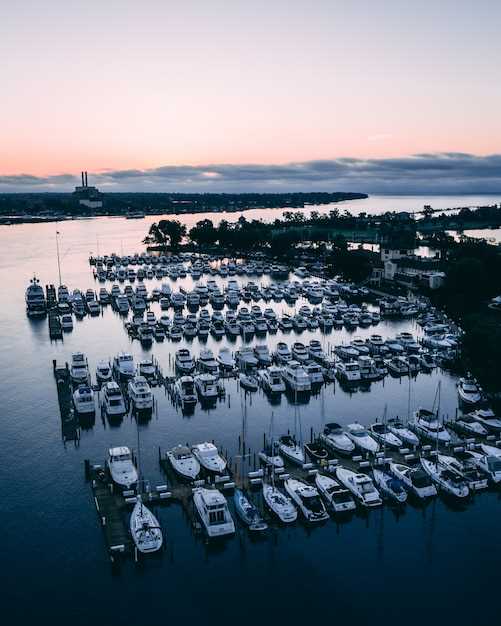
In the boat rental market, understanding size categories is essential for accurately assessing consumer preferences and market demand. Various boat sizes cater to different client needs, which influences decisions on hours of rental and the types of water activities pursued. For instance, small, highly maneuverable boats might be preferred for short, casual rides, while larger, high-performance vessels are often chosen for extended outings among families or professional groups.
The competitive landscape plays a crucial role in shaping consumer choice. In cities like Valencia and Sweden, the demand for seamless bookings has increased significantly, as more people seek efficient rentals that fit their schedules. Companies that offer cutting-edge technology, such as online platforms for rentals and bookings, have positioned themselves advantageously against traditional operators. This trend supports the observation that consumer investment in boat rentals is becoming increasingly focused on convenience and user experience.
Factors such as location also impact market demand. In tourist-heavy regions, commercial rentals for high-performance boats tend to thrive, as visitors often seek unique experiences on the water. Rentals in these areas typically maximize their earnings by providing comprehensive customer support and facilitating smooth, hassle-free experiences. This, in turn, validates the significant investments made in hospitality and technology by rental companies.
Assessing the market indicates that size categories play a pivotal part in shaping the boating experience. Smaller boats are favored for short leisure rides, while larger vessels are necessary for day-long excursions or corporate events. The predictable increase in demand for both types of rentals suggests that companies must continue to adapt their offerings to meet the continuously evolving needs of consumers.
As the market approaches a projected value reaching into the billion range by 2034, the necessity for diverse boat categories that cater to varying demands cannot be overstated. Those involved in the industry must remain attentive to trends, ensuring that their fleets, investments, and customer service align with consumer expectations for the future. The continuation of this growth will rely heavily on understanding these preferences and offering precisely what the market is eager to rent.
Comparative Study of Rental Types: Hourly vs. Daily Rentals
The boat rental market is generally classified into various rental types, with hourly and daily rentals being two of the most prominent. Each rental type serves different customer needs and preferences, impacting the overall dynamics of the industry.
Hourly rentals are particularly popular among those looking for a brief and smooth sailing experience. This option is often chosen for short trips along coastlines, especially in regions like Florida and Sweden, where tourists seek quick adventures. Hourly rentals are generally more suitable for private gatherings, such as birthday parties or casual outings. The cost structure is influenced by the depth of the borrowing period, with operators charging a premium for shorter time frames to cover overhead expenses and taxes.
- Advantages of Hourly Rentals:
- Rugalmasság: Ideális spontán utazásokhoz, hosszú távú elkötelezettség nélkül.
- Költséghatékony rövid használatra: Kisebb anyagi teher rövid kirándulásokhoz.
- Vezetett élmények: Számos szolgáltató kommunikatív idegenvezetőt biztosít az általános élmény fokozása érdekében.
- Az óradíjas bérlés hátrányai:
- Korlátozott felfedezés: Kevesebb idő a mélyebb vizek vagy a szélesebb területek feltárására.
- Tankolással kapcsolatos aggályok: A rövid távú bérléseknél további költségek merülhetnek fel a tankolás miatt, ami növelheti a teljes költséget.
Másrészt a napi bérlések azoknak az egyéneknek és családoknak vonzóak, akik egy egész napot a vízen szeretnének tölteni, különböző tevékenységekkel, a horgászattól a festői tengerpartok mentén való hajózásig. Ez a bérlési típus jobban megfelel a nyaralóknak és azoknak, akik teljesen el akarják merülni a hajózási élményben.
- A napi bérlés előnyei:
- Nagyobb felfedezés: Lehetőséget kínál egy nagyobb terület bejárására időbeli korlátok nélkül.
- Fokozott élmény: Ideális a hosszabb ideig tartó, pihentető tevékenységek élvezetéhez.
- Költséghatékony egész napos használatra: Általában kedvezőbb árat kínál az óradíjas bérlésekhez képest, ha egész napra foglalják.
- A napi bérlés hátrányai:
- Azonnali elköteleződés: Jelentősebb kezdeti befektetést igényel.
- Szabályozási terhek: Egyes régiókban különleges szabályozások érinthetik a bérleti időtartamot és a felelősségeket.
Összefoglalva, az óránkénti és a napi bérlés közötti választás nagyrészt az ügyfelek preferenciáitól és utazásuk konkrét körülményeitől függ. Míg az óránkénti bérlés a gyors kirándulásokhoz és a spontán tervekhez ideális, a napi bérlés azoknak való, akik egy mélyebb tengeri élményre vágynak. Az argentínai és franciaországi ügyfelek visszajelzései azt mutatják, hogy a bérlési típusok körüli stratégiai tervezés fokozott elégedettséghez és általános élvezethez vezethet.
Hajóbérlés alkalmazásai: szabadidős és kereskedelmi felhasználás
A hajóbérlési piac sokféle felhasználási módot kínál, amelyek főként szabadidős és kereskedelmi célokra oszthatók. Mindkét felhasználási mód jelentősen hozzájárul a bevételekhez és befolyásolja az iparágon belüli trendeket.
A szabadidős hajókölcsönzés elsősorban rekreációs célokat szolgál, vonzó az egyének és családok számára, akik szeretnék feldobni a nyári kalandjaikat. Ezt a szegmenst a különféle szabadidős tevékenységek, például a horgászat, a vízi sportok és a városnézés iránti nagy kereslet jellemzi. Az ezen a piacon tevékenykedő szolgáltatók gyakran alkalmaznak fejlett foglalási rendszereket és kezelőfelületeket a kölcsönzési folyamat egyszerűsítése érdekében, biztosítva, hogy az ügyfelek megtalálják az igényeiknek megfelelő tökéletes terméket. Ezek a platformok felhasználóbarát kialakításúak, így még a tinédzserek is könnyen eligazodnak rajtuk.
Másfelől a kereskedelmi hajóbérlés olyan szolgáltatásokat foglal magában, amelyek a vállalkozások és a professzionális felhasználás számára készültek. Ide tartoznak a charter járatok, a tengeri logisztika és az áruszállítás. A vállalatok gyakran partnerségeket kötnek a működési hatékonyság optimalizálása és a költségek csökkentése érdekében. Azzal, hogy a vállalkozások hajókat foglalnak le meghatározott projektekhez, megőrizhetik agilitásukat, miközben elkerülik a hajók teljes körű megvásárlásával járó magas befektetést. A kereskedelmi szereplők emellett összpontosíthatnak azokra a nagy keresletű régiókra, ahol a bevételtermelési lehetőségek a legjelentősebbek.
Mind a szabadidős, mind a kereskedelmi alkalmazások profitálnak egy robusztus üzemanyag-utántöltő és karbantartó rendszerből, amely biztosítja a hajók hatékony működését. Azonban a kereskedelmi bérlések további korlátozásokkal is járhatnak, mint például a környezetvédelmi szabályozások. A szolgáltatóknak ezeket hatékonyan kell kezelniük, hogy biztosítsák a megfelelést, miközben kiváló szolgáltatást nyújtanak. Globális szereplők, mint a CharterLux és a Groupe, kihasználják ezeket a dinamikákat, és változatos ügyfélkört szolgálnak ki.
A hajókölcsönzési iparág folyamatosan fejlődik, és a közelgő innovációk pozitívan befolyásolják a szabadidős és a kereskedelmi szektort is. A kutatások azt mutatják, hogy az okoseszközök és a fejlett elemzések integrációja átalakíthatja az ügyfelek kölcsönzési szolgáltatásokkal való interakciójának módját. Legyen szó személyre szabott ajánlásokról a szabadidős tevékenységet keresők számára, vagy optimalizált logisztikai megoldásokról a kereskedelmi törekvésekhez, a fejlesztés lehetősége továbbra is jelentős.
| Kérelem típusa | Fő jellemzők | Célközönség | Piaci dinamika |
|---|---|---|---|
| Szabadidő | Kalandtevékenységek, családbarát | Egyének, családok | Nagy szezonális kereslet, nyári csúcs |
| Reklám | Logisztika, Szállítás, Charterezés | Vállalkozások, vállalatok | Partnerségek, szabályozási megfelelés |
Végső soron a szabadidős és a kereskedelmi célú bårkölcsönzési alkalmazások is továbbra is virágoznak, az iparági szereplők pedig szorgalmasan dolgoznak azon, hogy alkalmazkodjanak a változó piaci feltételekhez. Az innovatív rendszerek zökkenőmentes integrációja és az erős partnerségek valószínűleg hatékonyabb, élvezetesebb élményhez vezetnek a bérlők számára, függetlenül a céljuktól. A bérbeadó cégek az ügyfeleik igényeinek pontos kielégítésével megoldhatják a kihívásokat, és kihasználhatják a vízi tevékenységek iránt világszerte növekvő érdeklődést.
Főbb fejlemények: Innovációk és befektetések a hajóbérlési szektorban
A hajókölcsönzési szektor jelentős innovációkon és megnövekedett beruházásokon megy keresztül, különösen a motorcsónakok és katamaránok esetében. A szolgáltatók változatos flottát fejlesztenek, hogy kielégítsék a városi területek felől érkező igényeket, ahol a folyókon és tavakon töltött hétvégi kiruccanások népszerűvé váltak a szabadidő eltöltésére vágyók körében. Az olyan cégek, mint a Boatsetter és a Zizoo élen járnak a kölcsönzési folyamatot egyszerűsítő fejlett technológiákkal, lehetővé téve a felhasználók számára, hogy zökkenőmentesen foglalhassanak le ellenőrzött vízi élményeket.
A közelmúltbeli szabályozási változások és vámok ösztönözték a befektetéseket ezen a piacon, ami a szolgáltatás minőségének javulásához vezetett. A szolgáltatók a kínálatukat a vásárlói visszajelzések alapján mérik, biztosítva, hogy megfeleljenek és felülmúlják az elvárásokat. A foglalások büntetés nélküli lemondásának lehetősége a bérlési élmény kulcsfontosságú szempontjává válik, különösen a szabadtéri rendezvények és születésnapi ünnepségek esetében. Ennek eredményeként a vevői hűség növekszik, sokan a rugalmas időbeosztást lehetővé tevő kölcsönzést választják.
A kikötők a legmodernebb berendezésekbe és létesítményekbe fektetnek be, hogy megfeleljenek ügyfeleik változó igényeinek. Németországban és Koreában új infrastruktúrák kerülnek kiépítésre, amelyek javítják az általános hajózási élményt. Ez a változékonyság elengedhetetlen, mivel a szolgáltatók a profit maximalizálására törekszenek, miközben kivételes értéket nyújtanak az ügyfeleknek. Ezenkívül a vállalatok a kutatásra összpontosítanak, hogy olyan innovatív megoldásokat vezessenek be, amelyek nemcsak a működési hatékonyságot javítják, hanem a vízi járművekkel kapcsolatos környezetvédelmi problémákat is kezelik.
A piacon számos lehetőség áll rendelkezésre, lehetővé téve a fogyasztók számára, hogy a különféle felhasználási területekre alkalmas hajók széles választékából válogassanak. Legyen szó egy pihentető napról a tavon vagy egy kalandos kirándulásról a folyókon, a hajókölcsönző iparág elkötelezett a felejthetetlen élmények nyújtása mellett. Ahogy az iparág folyamatosan növekszik, a külső technológiák használata formálja a hajókölcsönzés jövőjét, elősegítve a fenntarthatóságot és a teljesítményt minden egyes charter esetében.
Összefoglalva, a hajóbérlési szektor gyorsan fejlődik az innovatív gyakorlatoknak, a stratégiai befektetéseknek és az ügyfél-elégedettségre való összpontosításnak köszönhetően. Ez a fejlődés átalakítja az emberek vízi járművekkel való interakciójának módját, mindenki számára hozzáférhetőbbé és élvezetesebbé téve a hajózást.