


 Magyar
  English (UK)
  Русский
  العربية
  日本語
日本語  한국어
한국어  Türkçe
  Español
  Čeština
  Svenska
  Português
  Ελληνικά
  Suomi
Suomi  Nederlands
  Română
  Italiano
  Français
  Polski
  Українська
  Deutsch
  简体中文
简体中文  Slovenčina
 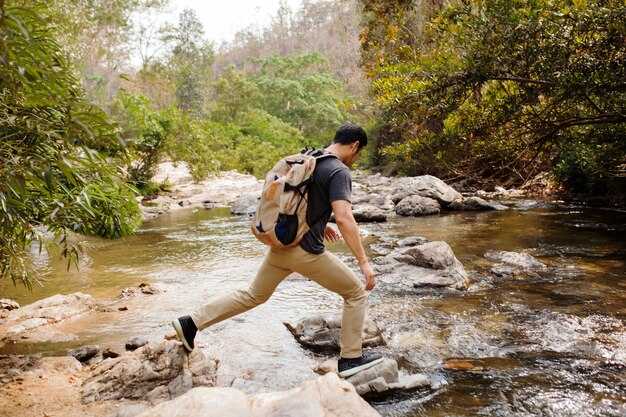 Best California Whitewater Rafting Trips – Top Rivers, Tours & Tips">

Begin with the south Fork American River run in late spring for a confident start. such a choice puts you in reachable rapids with a highly manageable pace, along canyon walls that frame the water and provide a motivating backdrop. A highly knowledgeable, personable guide will have you navigating the first turns with your feet planted and your head clear. theres a reason why many guests miss nothing on this route: you encounter wildlife along shorelines and cross gentle riffles that are exciting yet forgiving. city access from the nearby Sacramento metro makes it easy to launch yourself, and you’ll head back with a clear memory of the day, then rejoin the city life refreshed.
Beyond this starter, other highly regarded routes offer longer canyon sections along granite walls, often demanding sharper line reading and teamwork. For a more challenging day, the Kern River run near Kernville presents punchy class IV rapids and rock gardens, with canyons and talus framing every rapid; these sections deliver a freaking thrilling experience for a well-prepared crew. There are many moments to learn from a guide’s knowledge that will boost your confidence. Always check current flows and weather with the operator, and ensure your feet stay planted, because guests often report feeling steadier after the safety briefing and gear check.
Seasonality matters: spring flows set the pace, then fade in late summer; fall rains re-boost, so plan along water levels. Always carry a dry bag and a lightweight layer; these essentials reduce fatigue and keep you warmer. For families, morning windows often bring calmer water, while afternoons provide more exciting wave trains for those seeking a stronger challenge. Along the way, wildlife sightings are common–birds and deer–so keep a respectful distance and enjoy the scenery without disruption. The crew will have your head in the game, and your feet planted as you absorb the safety briefing, then you’ll head back with a sense of knowledge that stays with you.
As you plan, pick a operator who prioritizes guest safety and friendly service; theres no substitute for a personable guide team that can tailor routes to your group. You’ll meet many guests who share the same thirst for an exciting day, and you’ll encounter locals at trailheads who offer practical tips along the way. With careful planning and a comfortable frame for your day, you’ll gain memorable moments that you can carry into your city life and beyond–feeling the spray on your feet and the rush when a rapid squeezes you. These experiences reinforce the value of proper gear, good coordination, and a calm head when the water picks up.
Key Rivers, Routes and Local Tours
Begin with a guided run on the Forks of the Kern; booking a full-day itinerary that matches your needs delivers lasting, personal experiences and helps you head into the water with confidence.
In this region, the Forks offers 8–12 miles of mixed stretches on a typical outing, with rapids ranging from mellow to lively. The best window for such adventures runs from late spring through july, when flows stay steady; february can bring variable levels, so an attentive guide who can adjust the plan day by day is essential.
Beyond the Forks, other near-scale options include the American river corridor, the Stanislaus and Kings routes; each delivers its own cadence and scenery. Expect 6–12 mile segments, with pockets of rapid action and longer, sustained runs. Guides tailor pace and difficulty, making the day accessible for anyone with basic conditioning.
Local outfits operate from Kernville, Sonora, and foothill towns, offering pickup and drop-off, safety equipment, and flexible start times. Most packages include a gear bag, a light lunch, and a post-run debrief; look for highly attentive crews who provide personal coaching and clear safety checks each step of the process.
To compare options, use the booking links published on outfitter sites near your stay; these pages detail full itineraries, required gear, age and weight limits, and weather contingencies. If you want a more intimate experience, request a private raft run; many operators accommodate family groups and corporate teams with a careful, knowledge-driven approach that yields a lasting memory.
Where to raft near Yosemite: closest rivers and access points
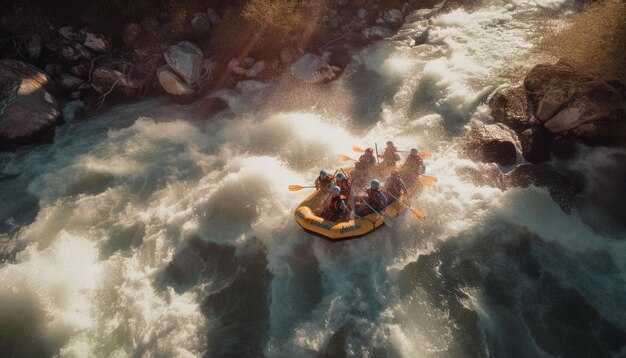
Want the closest option to Yosemite Valley? Briceburg on the Merced is the nearest put-in with riverside access, a paved pullout, and a short carry to the water. The drive from the valley typically runs 45 minutes to 1 hour, depending on traffic, and the route along Highway 140 delivers dramatic granite walls and forest shade that set a sweet tone for an enjoyable start. This stretch is ideal if you’re short on time but still crave a scenic flow and a few playful drops.
Beyond Briceburg, El Portal and other access points along the Merced downstream broaden your choice. The immediate stretch offers sections with gentle current and a couple of drops that highlight the transition from easy to a bit more spirited water. The surroundings deliver beauty and a sense of timeless scale, with canyon walls that glow as the light shifts. Snowmelt keeps flows lively through May and into June, then gradually moderates, making late spring through early summer a reliable window for a family-friendly or intermediate paddle. Guides and experienced paddlers can tailor a trip that fits a wide range of wants, and there’s always something for every level, from casual riverside strolls to more technical lines. Be mindful of protected areas in the park and plan your booking ahead, especially on weekends, to lock in the best hours of daylight and a smooth launch.
For something longer and more rugged, the Tuolumne drainage near La Grange offers a longer, more technical option. This stretch is popular among paddlers who want a higher level of challenge and a true alpine vibe, with sections that require technique and teamwork. The lower Tuolumne typically runs in late spring to early summer; after June, flows can stay strong, creating bigger rapids and a more cinematic experience. Booking with licensed guides ensures you’ll navigate sections safely, and you’ll gain tips from guides who know every nuance of the river and the protected zones that border the canyon. If you’re chasing highlights, this stretch delivers fast rapids, scenic falls, and a sense of solitude that still feels very California’s wild place.
Other destinations to consider when you’re based near Yosemite include the Kern River canyons and the Kaweah River canyon, both offering a more remote feel and a chance to log a multi-day or weekend itinerary. The Kern Canyon near Kernville is popular with experienced groups who want bigger drops and longer run times, while the Kaweah near Three Rivers provides a scenic, enjoyable stretch with easier access and shorter day trips that accommodate families as well as seasoned paddlers. The Kern and Kaweah routes tend to attract a steady stream of booking inquiries in summer, so plan ahead if you’re aiming for a specific weekend. These options expand the palette of ways to explore californias Sierra Nevada, staying true to a diverse set of wants and skill levels.
In practice, you’ll find multiple access points that suit different schedules and types of trips: you can anchor a quick riverside outing, or craft a more expansive plan with hike-and-paddle segments, a real cache of memories, and a chance to sample the region’s sweets of scenery. Whether you’re seeking a gentle float or a sequence of rapid drops, there’s a classic stretch nearby that fits your group, your guidance style, and your booking timeline. And if you’re planning after june, keep an eye on gauge readings and local advisories, as water levels wax and wane with the season. The area around Yosemite isn’t just a single run; it’s a network of sections waiting to be explored with patient, kind guides who help you make the most of every hour on the water and every moment on shore.
| Access Point | Watercourse/Stretch | Typical Difficulty | Best Time & Hours | Megjegyzések |
|---|---|---|---|---|
| Briceburg (Merced) | Briceburg Gorge to Hodgdon Bridge | I–III | late spring to early summer; hours vary | closest option; riverside pullout; popular for families; start with a short, enjoyable run |
| El Portal (Merced downstream) | Downstream Merced from Yosemite Valley | I–II | ||
| La Grange (Tuolumne) | Lower Tuolumne Stretch | II–III | seasonal; usually after June; hours posted by guides | requires booking with guides; offers a alpine-flavored experience with notable scenery |
| Kern Canyon (Kernville) | Lower Kern River | III–IV | summer; booking essential | more drops; suggested for experienced groups |
| Kaweah Entrance (Three Rivers) | Kaweah River Canyon | I–III | spring snowmelt; check hours; booking advised | great scenery; easy access; suitable for a mix of skills |
Best beginner-friendly runs near Yosemite for first-timers
Merced River near El Portal is the option you want for a mellow start. Anyone new to paddling can expect middle sections that are comfortably Class II with one friendly Class III in the middle; it’s a day that gets you a friendly thrill without pressure. Guide Collier, with decades of safety training, leads guests through a tight safety briefing, on-water coaching, and calm river control. The route sits near the park border and combines a short hike along the bank with stunning views. After the run, visit a nearby camp or café for post-ride sweets, and you’ll see this option great for families, lovers of the outdoors, or solo travelers who want an ultimate intro. For overnight needs, you can camp nearby and extend the visit with a second day of mellow paddling.
-
Middle Fork American River (Chili Bar to Salmon Falls) – this is an adventure-filled day that stays approachable for first-timers. Expect several mellow stretches between easy rapids, with one or two Class IIIs that still feel doable with guidance. Great for families and anyone who wants a memorable, beginner-friendly experience. rafting craft used are typically 6–8 person rafts; overnight options let you camp along the canyon and wake to calm water the next morning.
What to know: optimal in spring runoff (April–June) for the best mix of splash and scenery; duration roughly 4–6 hours on water; safety briefings precede launch; bring a light jacket for canyon winds; plan a hike along the rim to stretch the legs after the edges calm down.
-
Stanislaus River at Knights Ferry – a reliable foothills run that many guests call a solid first step. It features easy, repeating stretches and short, doable rapids, with sandstone bluffs and river meanders that keep the scenery engaging. This outing pairs well with a short hike or a visit to nearby parks; overnight stays let you break the trip into two relaxed days.
What to know: half- or full-day trips are common; best in spring and early summer when flows are friendlier; rafts used are typically 4–8 seat; protective gear is provided; bring snacks and a windbreaker for the canyon air.
-
South Fork American River near Coloma – another beginner-friendly option that appeals to those who want a broader Sierra experience. The lower section offers gentle, consistent rapids with plenty of room to learn, plus dramatic canyon walls. Many outfitters pair this run with a quick hike or a visit to a historical site, making it ideal for families and groups of lovers of outdoors adventures.
What to know: excellent in spring when flows peak; durations range from 4–5 hours on water to full-day options with breaks; rafts used are typically 6–8 person; safety briefing and gear rental come included; overnight trips are possible when you want to combine river time with a campsite under the stars.
Seasonality and water flow: when to go for optimal rapids
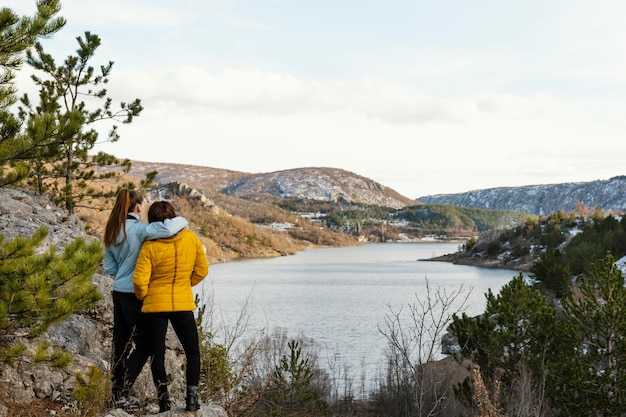
Plan a late-spring expedition (April–June) to catch high, sustained flows that deliver the most enjoyable, adventure-filled rapids. Theres a very real chance the turquoise-blue water will steal the show, and a full-day itinerary on the Merced provides world-class scenery. If you visit during this window, read gauge data and you’ll ensure favorable levels and fewer crowds, letting the beauty of the canyon unfold for yourself.
Flow is driven by snowpack and storms, so the window shifts year to year; those planning should check USGS gauges and coordinate with a licensed guide. During peak spring, flows commonly run around 1,500–3,500 cfs, with wetter springs occasionally topping 4,000–5,000 cfs. Shoulder periods see 800–2,000 cfs, while late summer can dip to 200–700 cfs, creating gentler, more relaxed passages. For very big water, aim for late April to early June, but be prepared for rapid changes that require quick decisions and solid safety practices. Thats a combination that makes the day very happy.
In practice, the Merced offers a spectrum: spring adds fast rhythm and beauty, while fall typically presents lower, more predictable flows that suit families and those were chasing a calmer experience. Theres always a chance of exciting moves, so choose a section that matches your skill, and those who were chasing a gentler pace can linger in calmer pools. If fishing is on your agenda, some stretches permit shore-side casting between rapids; you can relax and enjoy the scenery without rushing yourself. For an adventure-filled option, plan a mid-day run when morning fog has cleared to reveal canyon walls at their brightest.
To ensure you loved the experience, choose a section that fork into a gentler lane or a more challenging line, based on your skill. Merced provides multiple access points, so plan a route that matches your visit duration. That way you won’t miss the most striking scenery and can stay very focused on safety. A full-day expedition suits those with no time pressure, offering ample opportunities to stop, relax, and soak in canyon beauty. Always read up on local regs before you go, and check the latest flow updates to adjust your plan on the fly.
Gear, safety, and what to bring for California whitewater trips
Always wear a properly fitted life jacket and a certified helmet on every run, and run a quick do-it-yourself safety check before launch.
Dress for the water and air: a drysuit or wetsuit matched to season, plus booties and gloves. Add a sun hat or cap, sunscreen, and a lightweight insulating layer for chilly mornings. Sandy riverbanks demand sun protection and easy recovery from scrapes after boulders and ripples.
Pack rescue essentials: a throwable throw bag within reach, a whistle, and a compact rescue knife or line cutter. Include a spare paddle or paddling paddle repair kit, and practice deployment and basic self-rescue when you have time, especially on canyon or technical sections.
Footwear should be secure and grippy: closed-toe river sandals or neoprene booties with solid traction. Avoid loose footwear that can trap on rocks; always tether laces and tighten straps to prevent loss in holes or heavy current.
Waterproof your basics: bring snacks, plenty of water, a compact map or offline GPS, and a dry bag for electronics and extra clothes. A lightweight headlamp is handy for dawn or dusk moves, and a compact blanket or insulating layer helps if you end up waiting for a ride along riverbanks.
Overnight or side-camp plans: if you intend to camp, pack a compact tent, sleeping bag, small stove or snack kit, and a way to minimize impact. Leave-no-trace practices matter when you’re camping near the fork or along sandy bends and sheltered canyon nooks.
For planning and safety culture, contact local agencies and seek guidance from those seeking trained guides; compare offers, schedules, and safety records. West and east traverses near klamath and other river towns require awareness of class ratings, protected zones, and possible hazards such as holes or abrupt drops. Check official links for current advisories, weather, and flow data before you go.
If you’re chasing bigger, highly technical lines, use futaleufu as a benchmark reference and talk to experienced guides who offer in-depth briefings and on-river safety. Those options deliver professional risk management, equipment checks, and on-site support, which significantly enhances a memorable outing while staying protected.
Planning, permits, and guide options for California rafting trips
Pick a known operator six to eight weeks ahead for a multi-day journey in the mountains or wilderness; for first-timers, a two-guide setup and a pre-trip safety briefing deliver a smoother start and clear information about river dynamics. Your gear should include a dry bag, thermals, and a compact headlamp; the guiding outfit handles PFD and helmet, but verify fit before launch and review the plan with them. For a couple of days on a canyon stretch or a grand river section, expect weather changes; plan to arrive early in the day for packing and a final check, and confirm when the shuttle or drop-off occurs. Until launch, review the safety briefing, and enjoy the stars at night afterward.
Permits come from the appropriate agencies–US Forest Service, Bureau of Land Management, state parks, and National Park Service–depending on the river segment and land ownership; commercial outfits typically handle the permit process, while private groups may need wilderness or day-use authorizations and must respect quotas; permit windows vary by river and season, so plan well in advance to avoid missing a window. If you miss a window, you may have to wait until the next season. For private groups, check permit windows for trips. For kern segments, reach the local USFS district; for streams inside state parks, contact the state parks office; for wilderness or park lands, coordinate with the corresponding agency early to confirm requirements and dates.
Guides and operators: assess their safety culture, communication clarity, and equipment standards; verify they hold current certifications and that their boats and dry suits are well maintained. Ask whether they offer private arrangements or group itineraries and whether they plan any backcountry, multi-day opportunities with permit support. The information you receive should cover rescue plans, radio contingency, and the ability to tailor the itinerary to first-timers or those seeking moderate challenges; they should also explain how weather, snowmelt, and river conditions affect the plan. If conditions worsen, the plan may be scaled down.
Logistics and readiness: near green canyons and mountain corridors, plan dates around peak flows and shoulder seasons when feasible; some operators arrange base camps or lodge nights for multi-day sections, including meals. Bring your own weather-appropriate layers as equipment, and confirm a detailed gear list with the agency before you commit to trips. A salmon river option can offer a useful reference for seasonality, while gauley-style safety practices illustrate staffing and rescue protocols. If you’re unsure, start with a shorter outing to build confidence, then advance to longer, multi-day journeys when conditions permit.