


 Magyar
  English (UK)
  Русский
  العربية
  日本語
日本語  한국어
한국어  Türkçe
  Español
  Čeština
  Svenska
  Português
  Ελληνικά
  Suomi
Suomi  Nederlands
  Română
  Italiano
  Français
  Polski
  Українська
  Deutsch
  简体中文
简体中文  Slovenčina
 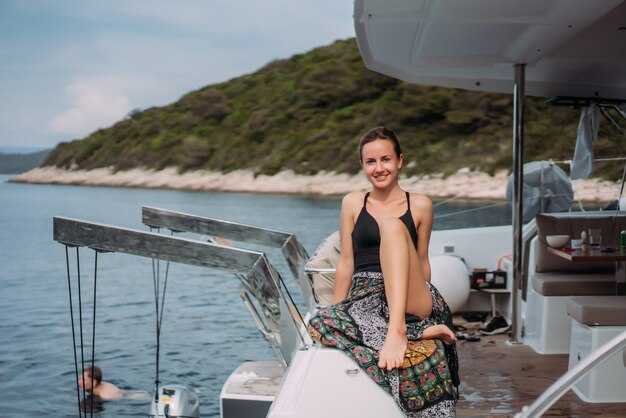 Bahamas Abacos Yacht Charter & Sailing Vacations – Your Ultimate Guide">

Start with a 7‑day loop: hopetown, mangroves, and fresh catches–this concrete plan sets expectations and time for each stop. Pick a vessel that fits the group (4–6 guests) and a capable captain comfortable with remote harbors. For american travelers, having a seasoned skipper saves money and avoids weather misreads, while keeping the pace steady and enjoyable.
Itineraries here vary, offering a variety of short hops and longer passages. Each route narrows into sheltered lagoons, pristine mangroves, and early morning lines. You’ll visit hopetown’s harbor, Albury, Green Turtle Cay, and Man‑O‑War Cay, then back to the main channel. Those days deliver sun, salt air, and a gallery of sky pictures at sunset.
Timing and costs: The best window is late fall through spring, when trades are favorable and water stays warm enough for snorkeling. Budget guidance: choose a crewed float for predictable money outlay; a bareboat option invites risk and fuel surprises. Two to three mornings dedicated to fishing produce fresh catches; those meals aboard boost morale and make meals back on deck memorable.
Harbor notes: hopetown offers a sheltered anchorage with a sandy bottom and shallow reefs nearby. Albury provides calm moorage and a quick land excursion for coffee and a chat with locals. Mangroves along the interior give sanctuary for birds; if you went ashore, you could map those waterways by kayak and see green water reflections in the shadows of mangrove roots.
Equipment tips: bring a compact camera to capture sunrise in front of the gallery‑like skies, and a light, dry bag for protecting electronics during a mangrove drift. Fresh groceries come from small markets on Albury and in Hopetown; money, a spare SIM card, and a reliable weather app keep everyone prepared. Here, you’ll learn to read the wind and adjust course to avoid afternoon squalls.
Itineraries tailored for every interest exist: family days with shallow snorkeling, american crews chasing bonefish, photographers chasing color from the aft deck, and those seeking solitude. Weve found that having a balance of two anchor days and one full‑day island hike keeps energy high. Kick off with a sunset sail, then land for a picnic on the beach, and finish with a quiet night under the stars.
Final note: this route emphasizes hands‑on experiences–fishing, mangrove tours, and local art galleries–while keeping the pace accessible and safe. Plan with a local operator who can adjust itineraries on the fly and add fresh stops if conditions allow; you’ll return with stories and a renewed sense of escape, back home with a new appreciation for blue horizons and rugged coastline, ready for the next voyage.
Gourmet on the Water: Practical Cuisine Guide for Abacos Charters
Plan a three-day provisioning cycle: select two mains from the reefs (yellowtail snapper or grouper) and a shellfish dish (conch or lobster), plus a vibrant vegetarian option, and arrange a mid-trip restock with a trusted vendor in the following ports.
Shop abacos village markets for citrus, tropical fruits, breadfruit, and leafy greens; stock dairy and bread from reliable suppliers, and align purchases with the year-round climate and seasonal harvests here.
Maintain the cold chain in the galley: insulated coolers, clearly labeled quarters, and close attention to the condition of fish–clear eyes, firm flesh–before cooking to 63°C (145°F).
Craft sauces with lime, coconut, and herbs; fold in african-inspired spice blends and american-style rubs to diversify flavors.
Grill fresh catches on a deck rack, bake flatbreads in a compact oven, and keep a crystal bowl of water and citrus on the counter; ensure a serene rhythm of meals while soaking in tropical bliss.
Night dining beneath a soft firefly glow elevates the mood; respect quarters by planning simple, low-waste plates; follow local fishing rules around reefs, and note that turtle protections apply in many harbors; visit lighthouse villages for coastal light and local american-style taverns.
Here, the following approach yields unforgettable meals across year-round warmth, with hope in each plate and a kick of discovery.
Core Dishes to Sample Aboard: Conch, Lobster, and Bahamian Classics
Begin with conch fritters at a dock between mangroves, where catamarans glide by and the laid-back vibe makes the experience effortless. That bite is likely to be a picture-perfect start and also gives weve time to settle in before exploring more flavors around the north coast and hidden coves.
- Conch-focused bites
- Conch fritters: crisp, golden, with a citrus dip.
- Conch salad: diced conch with tomato, onion, lime, and peppers; pick up peppers at the grocery to boost freshness.
- Conch chowder: creamy, coconut-forward, a hidden gem in boutique-lined harbors.
- Lobster delights
- Rock lobster: grilled with garlic butter; buy the catch fresh at a morning market and cook it before the heat fades.
- Lobster tail with citrus beurre blanc: a refined choice for a picture-perfect dinner as the sun sets.
- Lobster boil: a social, one-pot option that works well aboard a bareboat rig with a small crew.
- Bahamian classics and seasoning
- Cracked conch: light batter, fried crisp, great as a stop-and-go lunch beside a quiet place with mangroves in view.
- Stew fish or fried fish with johnnycake: sturdy and satisfying, often the anchor of a midday repast around the north coast.
- Guava duff or a simple sponge cake with rum sauce: a traditional finish that blends with African-influenced spice blends.
- Rice and peas with pepper sauce: a staple side that carries flavors widely across the archipelago.
For the on-water cook, competence matters. Plan with the knowledge-theory of flavor and keep the kitchen simple to fit the electricity-hungry galley of a bareboat. Before you set out, do a quick grocery run and map a few practical stops so you’re not chasing a stop every hour. The experience hinges on staying settled and being able to shift plans if a hidden anchorage offers a more evocative scene; thats when the voyage becomes something more than a routine, a true, also picture-perfect meal-and-moment. If you’re able, keep things compact and scalable so you can enjoy the surroundings around dockside towns and boutique-lined harbors without compromising competence.
Provisioning 101: Shopping for a Week in Abaco, Marsh Harbour, and Treasure Cay
Do one efficient provisioning run the day before departure: hit petes for staples, then top up at the harbour market for produce and dairy; choose weeklong supplies that suit your crew, from rice and pasta to canned tomatoes, beans, oil, coffee, and breakfast cereals. Add fresh eggs, butter, hard cheese, fruit, and a couple of pounds of local fish if possible; keep a small stash of refrigeration-friendly items for nights when the tide runs calm and the anchor holds.
Pack smart storage: deploy a compact plymouth cooler and a wooden icebox to extend freshness; separate raw from ready-to-eat items, label days by use, and wrap herbs in a damp cloth to slow wilting. opt for cheeses and yogurt that travel well, and plan for two days of seafood or poultry so you can unwind without last‑minute scrambling.
Build a weeklong menu around three core staples–rice, pasta, and beans–plus two protein options and plenty of fresh produce. Favor reef‑caught fish when available, but keep reliable backups like canned tuna or chicken thighs. Craft five dinner ideas with simple sauces, citrus, and greens, and marshal breakfast and lunch around oats, bread, eggs, fruit, and salad. Apply knowledge-theory to portioning so one couple or small crew avoids waste while leaving room for occasional treats from island heritage markets; you went coastal once, you can repeat the pattern with local twists.
Plan the logistics around the rhythm of the harbour area: stores often close before dusk, so buy water, ice, dairy, and perishables first; space planning matters, so pack dry goods in sealable sacks and keep a dedicated space for fish and poultry. Expect year-round warmth and occasional gusts; choose a calm day for re-stocking if the forecast calls for rough seas. For beaches with white-sand sands, reserve a few days to unwind and refresh after cruising; last nights on deck benefit from simple, light meals, a cup of coffee, and a steady breeze that keeps the crew comfortable as you prepare to sail again.
Onboard Menu Templates: 7-Day Dinner Plan for Yacht Charters
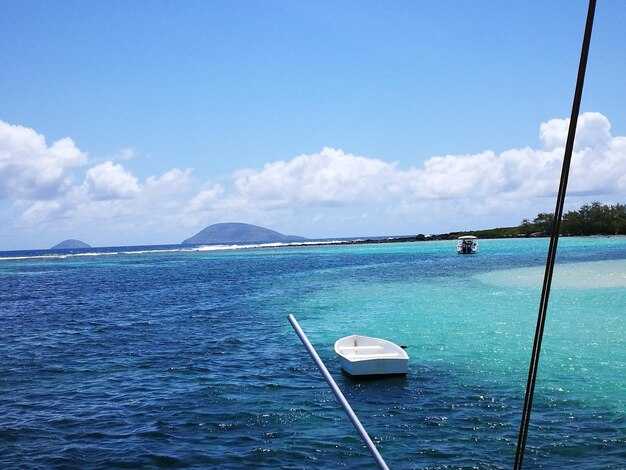
Start with a core, flexible dinner setup that minimizes provisioning and keeps the crew happy: a single protein, a dependable starch, two vegetables, and a pairing sauce that can be scaled up or down that calm, settled rhythm throughout the itinerary.
Day 1 – Citrus-crusted fish with herb rice: Quick sear of firm fish, lemon zest crust, fluffy herb rice with parsley. Pair a cucumber-dill salad with a light yogurt dressing that blends brightness with creaminess. This open, refreshing start leaves room for wine and a calm evening on deck as the tide slips by.
Day 2 – Coconut-lime chicken with mango salsa: Pan-sear chicken thighs, simmer in coconut milk, lime juice, and ginger until tender. Serve with jasmine rice and a vibrant mango salsa. The tropical flavors keep the mood bright for a calm, settled dinner as the itinerary winds through open water.
Day 3 – Garlic shrimp pasta with lemon and herbs: Spaghetti tossed in olive oil, garlic, chili flakes, and a dash of white wine; finish with parsley and parmesan. Add blistered cherry tomatoes for a filled, bright sauce that pairs with a chilled white and a quick sprint to the dock for sunset.
Day 4 – Grilled veggie kebabs with quinoa and herb feta: Nyársra húzott paprika, cukkini, gomba és vöröshagyma; grillezve faszénen; tálaljuk puha quinoa felett, citromos-fűszeres feta morzsával. Ez a vegetáriánus opció frissen tartja a keveréket, és jól működik a bérelt hajós útvonalakon, nyitott horgonyzóhelyeken, ahol a felszerelés szűkös lehet.
5. nap – Marhaburgonya nyárs chimichurri szósszal és sült paprikával: Pácoljuk fokhagymában, olívaolajban, paprikában és oreganóban; süssük közepesen ritkára; kínáljuk sült paprikával és könnyű burgonya- vagy olívaolajos tört burgonyával. Egy kiadós, kielégítő választás, ami jól passzol egy tengerparti estéhez a fedélzeten.
6. nap – Krémes kókuszos curry zöldségekkel és jázmin rizzsel: Pároljuk a karfiolt, a sárgarépát és a borsót kókusztejben curry pasztával, gyömbérrel és lime-mal, amíg illatos nem lesz. Tálaljuk jázminrizzsel. Az Alburyben található Anchorage nyugodt hátteret biztosít ehhez a meleg, komfortos ételhez egy mangrove- és mocsárvidéken tett hajókázás után; tankoljon fel egy naplementés, nyílt vízi hajóútra, ahogy bejön a dagály.
7. nap – Misóval glazúrozott hal szezámos rizzsel és zöldségekkelSüss fehér halat miso mázzal, tálald szezámmagos rizzsel és párolt spenóttal vagy bok choy-jal. Egy utolsó kóstoló, ami felejthetetlen befejezést hagy a legénységen és zökkenőmentes visszatérést a dokkba vagy a horgonyzóhelyre, készen egy új útra.
Italok, italos különlegességek és helyi párosítások: Mit kortyolgassunk a bahamai ízekhez
Kezdj egy kókusz-lime fröccsel: kókuszvíz, lime-lé, egy csipetnyi sötét rum és egy csipet tengeri só; friss, élénk és ideális a kóstolókhoz, mivel a vízen töltött napok hajókázást és a mangrove-ok közelében való cirkálást foglalják magukban.
Ezután fedezz fel egy rum-központú puncsot vagy szörpöt: a maracuja, a hibiszkusz és a gyömbér egyensúlyba hozza a nehezebb ételeket, mint például a kagylós frittert vagy a jerk fűszerezésű tenger gyümölcseit; a következő párosítás jól működik a fedélzeten egy északi világítótorony közelében töltött hajókázós nap után, a part mentén vitorlázott útvonalakon.
A kihalt öblök csendes kortyolgatásra csábítanak: egy száraz fehérbor vagy világos sör illik a sült banánhoz, a grillezett halhoz és az egyszerű falatok galériájához, amelyeket egy fa mólón fogyaszthatunk; a világítótorony melletti vendégszobák tökéletes helyszínt biztosítanak egy kisebb összejövetelhez.
Karbantartási megjegyzés: az új személyzet szervizelési képzése során a javítási feladatok közé tartozik a bolt feltöltése és a készlet ellenőrzése; a tiszta környezet segít elkerülni a zátonyra futást, és biztosítja a biztonságos hajókázást a vízen.
Afrikai ihletésű jegyek frissítik a konyhaművészetet, és citrusfélékkel vagy mangóval párosulnak; kóstoljon meg egy gyömbéres cserjét a tenger gyümölcseihez; a közeli helyek ízek gazdag tárházát kínálják, melyek arra invitálják a vendégeket, hogy élvezzék a következő fogásokat.
| Ital | Párosítás | Megjegyzések |
|---|---|---|
| Kókusz-Lime Spritz | Grillezett csiga, banán chips | Ragagyogó, tengeri sóval átitatott befejezés; ideális hajókázás után |
| Rumalapú puncs | Jerk fűszerezésű tenger gyümölcsei, citrusos saláta | Markáns; kiegészíti az afrikai fűszerek ízjegyeit az ételben |
| Hibiszkusz-gyömbér szirup | Mahi ceviche, mangó salsa | Savanyú emelés a mangrovek közelében; sokoldalú |
| Száraz fehérbor vagy könnyű sör | Sült plantain, grillezett hal | Lazán üldögélve egy fa mólón |
| Fűszeres Kávé Tonic | Tészták, helyi sajt | Reggeli erő egy csipetnyi fűszerrel |
Élelmiszerbiztonság és -tárolás a hajón: Tippek a frissesség, a hűtés és a higiénia megőrzéséhez
Szigorú szabály: a romlandó élelmiszerek a fő hűtőben tárolandók, 3–4°C-on, jól látható hőmérővel. A nyers fehérjéket szivárgásmentes edényekben tárolja az alsó polcon, és a készleteket a "first-in, first-out" rendszerrel forgassa, hogy elkerülje a romlást hajózás közben. Tartson fenn egy külön tárolódoboz-készletet a kisebb tárgyak számára, a konyha közelében, a gyors elérés érdekében.
Tejtermékek és tojás: a tojásokat tartsa az eredeti dobozukban, és hűtse 3–4°C-on. A tej felbontás után 5–7 napig áll el; a joghurt 7–14 napig; a kemény sajtok 3–6 hétig; a lágy sajtok 1–2 hétig; a vaj 1–4 hétig. Ha a hűtés nem folyamatos, egészítse ki tartós termékekkel, például UHT tejjel vagy dobozos növényi italokkal, és jelölje meg egyértelműen a dátumokat.
Termények: a leveles zöldségek 3–5 napig frissek maradnak a páratartalom-szabályozott rekeszben; használjon perforált zacskókat a légáramlás fenntartásához. A paradicsomot, az uborkát és a paprikát tartsa távol az etilénben gazdag gyümölcsöktől, a hagymát és a burgonyát pedig hűvös, sötét helyen tárolja a csírázás lelassítása érdekében. A termények tárolását úgy tervezze meg, hogy minimalizálja a nedvesség felhalmozódását és a hervadást az egész éves hajózás során.
Higiénia: ételkészítés előtt moss kezet szappannal 20 másodpercig; a vágódeszkákat és késeket fertőtlenítsd a nyers fehérjék után és a fogyasztásra kész ételek előtt. Használj színkódolt deszkákat (színeseket) a keresztszennyeződés elkerülése érdekében, és töröld le a felületeket fertőtlenítő oldattal (1:50–1:100 arányú hipó vagy engedélyezett spray). A száraz törlőkendőket a nedves rongyoktól elkülönítve kell tárolni, hogy elkerüljük a penészedést a zárt helyiségekben.
Italok és változatosság: tartson tiszta vizet lezárt palackokban, és tárolja az italokat az élelmiszerektől távol, hogy elkerülje a csöpögést. Használjon külön hűtőt az italokhoz, hogy megőrizze az ízüket és minimalizálja a páralecsapódást, fenntartva a nagyszerű, állandó hőmérsékletet a színes, alkoholmentes és alacsony alkoholtartalmú választék számára.
Élelmiszertervezés kikötői megállók során: látogasson el a közeli piacokra a készletek feltöltéséhez, különösen útvonalak között. Építsen ki egy egész éves készletet, amely tartalmaz tartós alapvető élelmiszereket és egy kis kedvencekkel teli szentélyt; kisvárosi kikötőkben vagy elhagyatott öblökben legyen egy tartalék terve egy extra hétre elegendő készlettel. Tartson fenn egy olyan rutint, amely megfelel a változatos ízléseknek (választék) és a lényeges dolgokat könnyen elérhető helyen tartja a fő lakóterekben.
Áramkimaradás és vészhelyzeti készlet: hűtőszekrény áramszünet esetén váltson konzervre, aszalt gyümölcsre, dióra és tartós növényi tejhelyettesítőkre. Tartson jégakkukat a fő hűtőtáskában, és tervezze meg a legkevésbé romlékony termékek gyors forgatását. A fogást haladéktalanul dolgozza fel, és adagolja kisebb tartályokba a pazarlás csökkentése érdekében.
Horgászati fogások kezelése: ha halászol vagy tenger gyümölcseit gyűjtöd, azonnal tisztítsd meg és jegeld le; a filéket a kifogástól számított 2 órán belül hűtsd le, majd fagyaszd le vagy főzd meg azonnal. Használj kis adagokat a pazarlás csökkentése érdekében, és dobj ki mindent, aminek kellemetlen szaga, nyálkás állaga vagy elszíneződése van.
Itt tudás-elmélet érvényesül: a hőmérséklet-szabályozás, légáramlás, páratartalom és a keresztszennyeződés megelőzése határozza meg a frissességet és a biztonságot. Azért vagy itt, hogy betartsd ezeket a szabályokat, hogy minden étkezés nyugodt, kiegyensúlyozott és biztonságos maradjon a vizek és a kikötői élet közepette, kisvárosokban és festői öblökben tett megállók között, a közeli élelmiszerboltokkal, ahol a lakatlan szakaszokon túl is be lehet szerezni ellátmányt.