


 Magyar
  English (UK)
  Русский
  العربية
  日本語
日本語  한국어
한국어  Türkçe
  Español
  Čeština
  Svenska
  Português
  Ελληνικά
  Suomi
Suomi  Nederlands
  Română
  Italiano
  Français
  Polski
  Українська
  Deutsch
  简体中文
简体中文  Slovenčina
 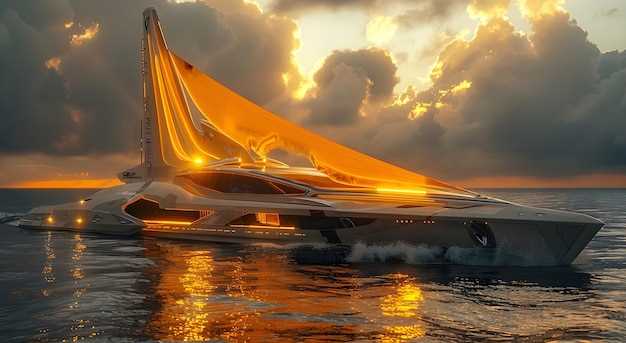 81m Sea Eagle II – Royal Huisman Launches World’s Largest Aluminium Schooner and Other Yacht News">
Recommendation: Olvassa el ezt a tájékoztatót, hogy megértse, miért fontos a jövőbeli vitorlázás szempontjából a 81 méteres Sea Eagle II. A Royal Huisman bemutatta a hajót, mint a világ legnagyobb alumínium szkúnerét, egy milestone amely átformálja az elvárásokat a nemzetközi szuperjacht piacon. A projekt egy merész tervezési összefoglalóval indult, és egy aprólékos építési folyamaton ment keresztül, ötvözve a kényelmet és a teljesítményt a nagy távolságú utazásokhoz.
A 81 méteres Sea Eagle II modern gaff-vitorlás szkúner konfigurációt, karcsú alumínium hajótestet használ, és a csendes hajózásra összpontosít. A hajótest geometriája és a vitorlaterv a hatékonyságot hangsúlyozza, míg az orrfedélzetet a hosszú átkelések és változó szelek során végzett fedélzeti műveletekre optimalizálták. A vitorlák elkaptak egy kedvező széllökést a tesztek során, bemutatva az érzékeny kezelhetőséget és a sima trimmelést.
A leszállítás előtti tesztek során kisebb tűz ütött ki a hajóorr közelében. Lángokat észleltek, a tűzoltók gyorsan megérkeztek, és a személyzet sérülések és szerkezeti károk nélkül megfékezte az incidenst. Így az ellenőrző csapat megerősítette a hajótest és a kritikus rendszerek ellenálló képességét, köszönhetően az alapos kivitelezésnek és a helyszíni biztonsági protokolloknak a helyszíni reagálás révén.
A kiállítástéren nemzetközi kiállítók szuperjachtjai láthatók, ahol a Pershing többek között a hajótest anyagait és a meghajtási lehetőségeket emeli ki. A tulajdonosok magas elvárásokat támasztanak a hatékonyság, a kényelem és a nagy hatótávolságú megbízhatóság tekintetében szennyezett vízi környezetben. A Sea Eagle II bemutatja, hogy az alumínium hogyan eredményez könnyű, merev hajótestet, amely kiszámíthatóan viselkedik a háborgó tengeren.
A projekt ütemterve mutatja a gerincfektetés kezdetét, egy elhúzódó építési szakaszt, valamint folyamatos teszteket, melyeket a tervezővel koordinálva biztosítjuk a vitorlarendszer és a hajótest zökkenőmentes illeszkedését. Ez az együttműködés kiszámítható irányíthatóságot, jobb rezgéskontrollt és egy kényelmesebb belső környezetet eredményez.
Ezáltal az olvasók világos képet kapnak arról, hogy hol tart ma az ágazat: a nagyobb alumínium szkúnerek felé irányuló törekvés, amely az eleganciát, a teljesítményt, a biztonságot és a környezeti felelősséget egyensúlyozza.
Globális Yacht Hírek Áttekintés
Priorizáld a nagy kiállítások legújabb bemutatóit, és hasonlítsd össze a teljes specifikációkat, különösen a felső fedélzet megközelíthetőségét és az üzemanyag-kapacitást tonnában mérve. A 81 méteres Sea Eagle II kiemelkedik az alumínium szkúnerek felső kategóriájában, teljes alumínium hajótesttel, hatalmas fedélzetekkel és vitorlázásra kész elrendezéssel, amely távol tartja a vendégeket a személyzeti zónáktól. A tervezés mögött a william és rasmussen áll, akiknek az együttműködése formálja a hajótest és a fedélzet áramlását; az ilyen részletek befolyásolják a jelenlegi és a jövőbeli építéseket.
Európában a kiállítók az okosabb elrendezéseket és az ehhez hasonló újításokat szorgalmazzák, és a fenntarthatóságra is összpontosítanak könnyebb anyagokkal és hatékonyabb segédberendezésekkel. A Riva továbbra is aktív a hibrid meghajtási koncepciók terén, optimalizált hozzáférést kínálva minden fedélzethez és bőséges parkolási lehetőséget a tenderek számára. A késő délutáni kiállításokról készült felvételek rávilágítanak arra, hogy a tulajdonosok és vendégeik a felső fedélzetet használják társasági eseményekre, míg az alsó fedélzetek a személyzet számára praktikusak maradnak.
Az Atlanti-óceánon túl és az ázsiai-csendes-óceáni térségben a fedélzetkialakítás függetlensége kerül a középpontba, a tulajdonosok rugalmas tereket és robusztus parkoló zónákat követelnek. Az oeino elektromos rollerek és más személyzeti segédeszközök több hajón is megjelennek, hogy megkönnyítsék a mozgást a fedélzeteken és a parkolóhelyeken, a rakpartról a fedélzetre való feljutást is beleértve. Ezek a példák nagy kiállításokon találhatók, és gyakran motiválják azokat a tulajdonosokat, akik hatékonyabb áramlást szeretnének a hosszú utak során.
Vevőknek és vezetőknek: kövessék ezeket a gyors ellenőrzéseket: tekintsék át a teljes specifikációt, ellenőrizzék, hogy a hajó a gyártási ütemtervben hol helyezkedik el, mérjék fel, hogy a fedélzetkialakítás hogyan támogatja a vitorlázást és a társasági használatot, erősítsék meg a parkolást és a hozzáférést a tenderek és a mozgást segítő eszközök számára, és hasonlítsák össze az üzemanyag-kapacitást a hasonló modellekkel. A cél az, hogy azonosítsanak egy olyan opciót, amely csökkenti a kockázatot, és kevesebb kompromisszumot okoz a teljesítmény és a kényelem között.
| Region | Hajó/Téma | Fő jellemzők | Megjegyzések |
|---|---|---|---|
| Global | 81 méteres Sea Eagle II – A világ legnagyobb alumínium szkúnere | Hossz 81 m; teljes alumínium hajótest; felső fedélzeti hozzáférés; tágas fedélzetek; üzemanyag-kapacitás tonnában; William és Rasmussen mögött | Royal Huisman építés; mércé az alumínium vitorláshajók között |
| Europe | Riva vitorlás koncepció | Hibrid meghajtási koncepciók; könnyű hozzáférés minden fedélzetre; bőséges parkolóhely tenderek számára | A kiállítók a tulajdonosbarát elrendezéseket és a magasztos kilátást emelik ki |
| Americas | Independence fedélzeti konfigurációk | Többszintes hozzáférés; optimalizált parkolás és beszállás | A tulajdonosok praktikus, rugalmas tereket keresnek; főbb kikötők közelében találhatók |
| Asia-Pacific | OEINO elektromos rollatorok a fedélzeten | Mozgássegítő eszközök a fedélzeten; gyors hozzáférés a parkolótól a fedélzetig; személyzetbarát elrendezések | A bemutatók a mobilitást és a biztonságot hangsúlyozzák a zsúfolt kikötőkben; a bemutatók alatt |
Sea Eagle II: Főbb specifikációk, anyagok, és tervezési újítások
Válaszd a Sea Eagle II-t, mely 81 méter hosszú, teljes egészében alumínium hajótesttel és kétségárbócos szkúner profillal rendelkezik, ötvözve a teljesítményt a luxussal az óceánokon átívelően.
Főbb jellemzők
- Teljes hossz (LOA): 81 m
- Vízkiszorítási vonal hossza (LWL): 70 m
- Gerenda: 13,5 m
- Merülés: 5,8 m
- Vízkiszorítás: 1420 tonna
- Vitorlafelület: ~3900 m2
- Meghajtás: Hibrid dízel-elektromos azimuth tolóegységgel; hatótávolság ~3500 tengeri mérföld 12 csomós sebességnél; maximális sebesség kb. 18 csomó motoros meghajtással
- Hajótest és fedélzet: Teljesen alumínium szerkezet; karbonszálas erősítések a felépítményen, ahol szükséges
- Vitorlavázlat: Kéthegyű szkúner feltekerhető orrvitorlákkal és automatizált vitorla-vezérlő rendszerekkel
- Helyszín és építők: A Royal Huisman építette a holland partvidéken; a hajógyárak és a mérnöki csapatok tengerészeti építészekkel és belsőépítészeti szakemberekkel működnek együtt
- Szállás: Rugalmas tulajdonosi és vendéglakosztályok teljes legénységi elrendezéssel a felépítmény mögött
- A világ legnagyobb alumínium szkúnere: Ez a hajó megszilárdítja a helyét a világ legnagyobb alumínium szkúnerei között.
Materials and build
- Hajótest és fedélzet: nagy szilárdságú, tengerészeti minőségű alumíniumötvözet a könnyű súly, a szilárdság és a korrózióállóság érdekében
- Felépítmény: alumínium karbon szálas betétekkel a merevség és a tömegcsökkentés érdekében a kulcsfontosságú területeken
- Üvegezés: a hídon és a fő lakótereken végigfutó nagyméretű üvegfelületek tengeri kilátást biztosítanak, miközben megőrzik a hőteljesítményt
- Fedélzeti szerelvények: korrózióálló ötvözetek és moduláris, szervizbarát elrendezések a nagy távolságú túrákhoz
- Biztonság: a tűzálló belső tér és a dedikált gépházi tűzoltó rendszerek csökkentik a kockázatot a működés során
- Validálás: a vezető haditengerészeti és osztályozási követelményeknek való megfelelésre tervezték; a jachtszövetséggel folytatott hivatalos felülvizsgálatok biztosítják a megfelelést
Tervezési innovációk
- A projekt egyértelmű feladattal indult: a stabilitás, a kényelem és a nagy hatótávolságú hatékonyság optimalizálása, és a koncepció a korai fejlesztés során több felülvizsgálaton is átesett; a teljesítménynövekedés oka a hangolt hajótestben, a hatékony kötélzetben és a súlykezelésben rejlik.
- A hajóépítés és stabilitás: a kifinomult hajótestforma és ballasztelosztás javítja a mozgást középen és a hajó szélességében, simább utakat biztosítva hosszabb távú átkelésekkor és viharos tengereken.
- Felépítmény integráció: az alacsony, előrenyúló felépítmény egybeolvad a hajótesttel, tágas kilátást biztosítva a szalonokból és lakosztályokból, miközben megőrzi a fedélzeti teret.
- Előre és hátra elrendezések: a személyzeti zónák a fő lakóterek mögött helyezkednek el; a magántulajdonosok panorámaüvegezéssel ellátott elülső kabinokat élvezhetnek – egyensúlyt teremtve a magánélet és a társasági élet között.
- Material strategy: aluminum hull paired with carbon‑fibre mast sections reduces weight aloft and increases stiffness for better sail performance.
- Automation and control: advanced sail-handling systems, electric winches, and centralized monitoring improve operations for a solo or small crew during long voyages.
- Interior approach: understated luxury with glass walls, natural light, and durable, ocean‑proof finishes that suit full‑time living on superyachts.
- Exploration readiness: the design anticipates gulf and coastal cruising with safe access, robust rigging, and endurance for challenging seas.
- Heritage and collaboration: john, a senior designer, and other leading designers collaborated with the builders, including oeino as an internal project tag to track modules.
- Brand alignment: the project reflects a sunseeker‑inspired attention to ergonomics and social spaces, adopted by the naval team and the association of top yachting builders.
- Will and beyond: the approach will influence future builds in the world of naval and superyachts, setting new expectations for performance and luxury.
Views and performance
The combination of an 81 m hull, innovative glass, and sail‑driven propulsion delivers comfortable speeds with predictable handling over long passages. During sea trials, the seam between hull motion and sail power demonstrated a smooth ride that supports long, fast passages along the coast and beyond the open seas. The forward sections keep a clean profile, while the middle and stern sections house crew operations with minimal interference to guest views. The result is a full package that appeals to the leading yachting community and sports-minded owners seeking a balanced, capable vessel.
Build journey: modular construction, testing milestones, and timeline
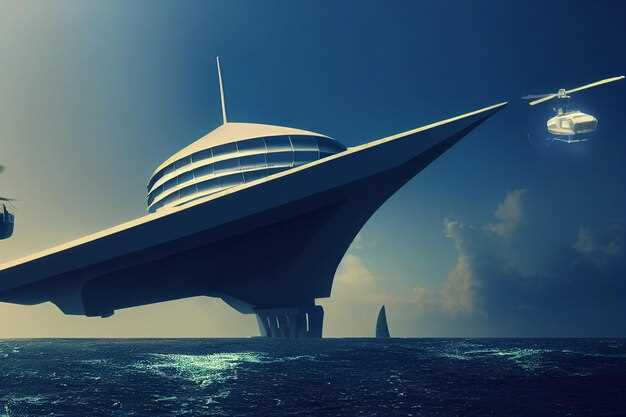
Start with six 40 feet aluminium modules built by leading builders in the north yard, then lift them into place to form the hull behind the main spine. This approach keeps alignment precise, reduces hull-fit time, and sets a clear path to a smooth launch with a huge reduction in on-site welding. The island test basin becomes the first integration point, while the hull grows from the keel to the stern. That plan would keep the team lean and enable late-stage tweaks without slowing overall progress.
Views from the yard confirm parallel progress: modules are moved by crane, then bolted to the main frame with interlocks that resist flexing. Meanwhile, testing milestones progress from panel-fit checks to full-frame load tests, and from static tests to controlled sea-simulator runs. The oeino subsystem monitors stress, and the preparation includes a dedicated zone that stays free of polluted air during bond checks.
According to the plan, three milestones anchor the timeline: module completion in Q2, hull assembly at the premiere slip near miami, and a full sea trial by late Q3. The largest task is to integrate the hull with the deck and the rig, with the main mast set last. Coordination between the north yard and the naval teams keeps the fit tight and the schedule predictable, while booths showcase components for the next stage and other systems.
Firefighters stage drills around fuel zones to validate extinguishing procedures, while sensors monitor smoke and hull integrity under simulated and real loads. The team works behind the scenes in a pollution-controlled area to ensure the final aluminium hull remains pristine before launch.
Weekly milestones, factory-flag displays, and live views from the island basin keep the project transparent for buyers and media. The plan ties module completion, deck fit, electrical checks, and rig trials into a concise sequence, with the launch target set after the final test in favorable conditions. The result proves that aluminium construction supports speed, precision, and reliability for yachting leaders, from north yard to miami, with the largest naval yacht moving toward the water.
Andiamo incident: events, causes, and immediate safety actions
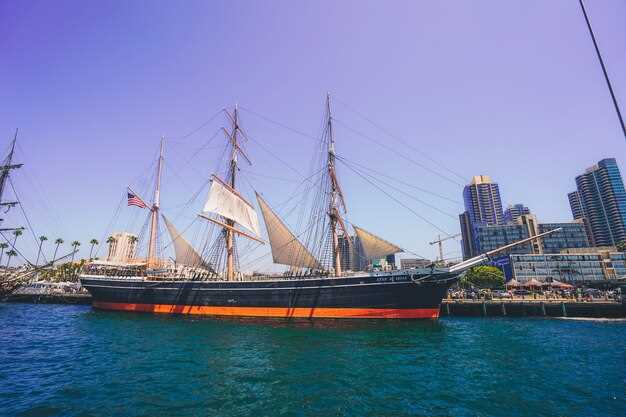
Act immediately: secure the scene, isolate fuel lines, cut power to the affected systems, muster crew on the safe deck, and notify port authorities. Keep nonessential personnel away from the water edge while responders access the steering area.
Event timeline
- During a routine approach on the north side, steering input on the flybridge did not translate to wheel movement; the captain shifted to a backup control while maintaining speed through the water.
- Water appeared in a console area near the upper deck, prompting immediate checks of bulkheads and drainage channels by the fellow crew.
- A fuel odor emerged from a suspect line near the engines; engineers shut off the fuel supply and secured the line to prevent further leakage.
- Nearby support vessel njord assisted with communications and line-of-sight coordination as responders moved to the steering room and the decks beneath the flybridge.
- Exhibitors, builders, and leading designers on the week’s schedule observed the procedures from a safe distance, ensuring compliance with safety rules and keeping decks clear for emergency teams.
- No injuries were reported; a full survey began to determine if containment of water and fuel reduced risk for the vessel and nearby traffic.
Causes considered
- Steering-system hydraulic failure or jam in the flybridge linkage that prevented wheel movement despite input.
- Water intrusion near the upper deck compromising electrical or hydraulic components and triggering a drainage backlog.
- Fuel-line stress or corrosion from saltwater exposure and vibration, leading to a minor leak detectable by odor.
- Human factors such as fatigue or distraction amid a busy week of demonstrations by sunseeker and riva teams, potentially delaying early detection.
- Normal operating wear on a majestic, large hull that requires frequent inspection by builders and designers to prevent recurrence.
Immediate safety actions
- Shut off fuel supply at the primary valve; verify nonessential pumps are off; restore ventilation to avoid gas buildup.
- Engage emergency steering assist if available, and assign a crew member to monitor the helm and flybridge communications on a dedicated channel.
- Muster all crew on the safe deck and conduct a roll call; keep fellow sailors and nearby vessels informed of actions via radio.
- Contain the affected area with temporary barriers on the decks and ensure no one enters the steering room until cleared by the lead safety officer.
- Inspect bulkheads, drainage paths, and bulkhead penetrations on the upper deck to identify any hidden ingress points and prevent further water intrusion.
- Coordinate with the nearby njord and other support vessels to secure a safe passage for through-traffic and to assist with firefighting or spill response if needed.
Notes for prevention and future readiness
- Schedule a focused inspection with the association of leading designers to review the steering rigging on flybridges for superyachts; include a peer review with njord and other nearby exhibitors.
- Institute a weekly check on fuel lines and bulkhead seals on upper deck areas that face spray and vibration, especially for vessels built by well-known builders and offshore specialists.
- Rehearse quick-access shutdown drills on the flybridge and in the engine room, ensuring all crew know the sequence to secure fuel and power within 60 seconds.
- Document the incident in a concise report shared with the designer and the association to help prevent recurrence across similar vessels such as riva, sunseeker, and other marques in the same fleet.
- Update onboard emergency contact lists and ensure that nearby safety resources, including the port authority and coastal patrol, are reachable through standard channels at all times. The week’s learnings will inform broader safety practices across superyachts and exhibition fleets.
Response and investigations: firefighting efforts, salvage status, and regulatory inquiries
Establish a dedicated incident command and publish daily briefings from the yard, local authorities, and the association to keep stakeholders informed. Assign a single point of contact for firefighting updates, salvage coordination, and regulatory inquiries, and ensure the frontline team reports progress every 24 hours.
Meanwhile, such events demand decisive action: crews battled the blaze on the upper decks; the hull was ablaze near the foredeck, while fireboats from the island pumped water and shore teams protected the private lounge and main salon. A clear chain of custody for evidence and photographs should be maintained for later regulatory review, and personnel accounts should be logged so that no one was caught in danger.
Salvage status: survey teams have assessed structural integrity of the aluminium hull and identified stabilization measures in the yard. Most critical tasks focus on cooling hotspots, securing loose equipment on the second deck, and preventing saltwater intrusion into the interior. The main objective remains preserving value during the week-long process while keeping crew safe and comfortable on the upper areas during brief inspections.
Regulatory inquiries: the flag state and port authorities opened formal investigations. Investigators will read incident logs, interview crew, review maintenance records, and verify firefighting procedures. The association will coordinate with class societies and local bodies, ensuring findings are shared with owners, yards, and insurers to inform future standards.
Local insights and next steps: Marc from Pershing service teams helped align support boats and pumping points; Riva crews offered equipment and expertise, while the private yard prepared a streamlined plan to move the vessel when conditions permit. The week ahead focuses on finalizing salvage plans, documenting the oeino-labeled inspection log, and publishing a concise report for the yachting community so booths, shows, and events can proceed with caution. most observers will want to see a clear timetable for hull work, yard access, and foredeck recovery, with ongoing updates from the association and local authorities.
Industry impact: aluminium sailing yacht trends and market implications
Invest in modular aluminium hulls to reduce lead times and preserve independence on long passages. In the middle of current order backlogs, aluminium supports majestic hull lines with expansive decks and glass-forward profiles, while delivering predictable fabrication and repair paths. Among leading yards, the shift from steel or composites to aluminium is accelerating, driven by better lifecycle performance and easier on-site maintenance. Second, advances in alloy chemistry and welded frames boost stiffness, enabling efficient sail plans and smoother operation in heavy seas, helping to prevent fatigue and reducing fuel consumption. John and William from several top shipyards have shown how integrated hull-deck structures can fold into a seamless flybridge and better access to machinery. OEINO-grade panels and high-strength frames reinforce hulls for offshore work, while designers push sail-area and cockpit ergonomics to match the hull’s capabilities. Riva and other premium brands illustrate that aluminium can underpin glass-wrapped interiors with generous views without compromising weight targets.
Market implications extend to pricing, service networks, and investor confidence. Aluminium hulls lower long-term maintenance costs through corrosion resistance and simpler repairs, shifting some ownership risks away from heavy refits. In hubs such as the Emirates show circuit, exhibitors showcased ready-to-run packages, with booths illustrating plug-and-play systems, OEINO panels and glass-deck concepts. Buyers in the middle tier seek independent fleets that can be scaled up, while leading operators pursue modular solutions for fast commissioning and upgrades. For insurers and brokers, the lower hull risk of aluminium supports higher resale values for second-hand boats and steadier demand among buyers who want speed to launch. Industry players such as Riva and other builders compete by offering features like improved access to flybridge controls and enhanced external views, while dealers highlight aluminium’s resilience and potential for lower fuel burn when paired with efficient rigging. Service networks in Asia and Europe align with OEINO suppliers, hull suppliers and deck builders to prevent supply gaps and keep boats ready for sea trials. Dockside demonstrations at regional shows, including Emirates events, often feature scooters and on-water tests to illustrate faster handoffs from booths to water.