


 Magyar
  English (UK)
  Русский
  العربية
  日本語
日本語  한국어
한국어  Türkçe
  Español
  Čeština
  Svenska
  Português
  Ελληνικά
  Suomi
Suomi  Nederlands
  Română
  Italiano
  Français
  Polski
  Українська
  Deutsch
  简体中文
简体中文  Slovenčina
  7 Day Maldives Charter Itinerary – Male to Male | Route, Highlights & Tips">
Az első napon horgonyt dobhat Maayafushi közelében, hogy maximalizálja a kényelmet és a halfogási esélyeket, és ezzel megteremti az unforgettable hangulat a 7 napos Maldív-szigeteki hajókirándulásodhoz.
Kezdje Máléban, és kövessen egy könnyed hurkot az északi és déli atollok mentén, ahol uthuru kulcsfontosságú tájékozódási pont. Az útvonal kiemeli világhírű lagúnák, érintetlen zátonyok és sekély csatornák, ahol a hajóról sznorkelezhet, és papagájhalakat, szezonban mantákat, valamint barátságos angolnákat figyelhet meg, amint a homokon siklanak. Minden A "leg" egy rövid, 2-4 órás ugrás, amelyet arra terveztek, hogy maximalizálják a napozásra és sznorkelezésre fordított időt, és feltölt energiával a fedélzeten való naplementéhez.
Minden naponta új horgonyt és egy selection strand- és vízi tevékenységeket. A vitorlás szakaszok 2–4 óráig tartanak, rövidebb than egy teljes nap a vízen, bőven hagyva időt egy délelőtti sznorkelezésre, egy tengerparti sétára és egy fedélzeti grillezésre a naplemente közben. Éjszaka a hajó atollok között hánykolódik, still lágy neonszínekkel a horizonton és tiszta égbolttal a csillagvizsgáláshoz.
Családoknak vagy első alkalommal hajót bérelőknek tervezzenek egy napot Maayafushi közelében vagy Uthurunál, hogy könnyen elérhetőek legyenek a sekély lagúnák és a gyerekbarát zátonyok. Költsenek felelősségteljesen: használjanak zátonybiztos naptejet, ne érintsék meg a korallokat, és tegyenek egy rövid sétát a parttól a nyugodtabb helyekre. Ha szeretnének belekóstolni a helyi életbe, szervezzenek egy tengerparti grillezést az egyik fedélzeti szakáccsal egy homokpadon, majd élvezzék a grillezett halat és a kókuszos rizst.
Ez az útvonal a következőket kínálja: full a felfedezés napjait, miközben a költségeket ésszerű szinten tartja, így worth az első utazóknak is szán időt. Egy rövid lista a required A csomag része a zátonybarát naptej, egy kalap és egy vízálló zsák. A gyors szigetlátogatások költségei rugalmasak maradnak, és a változatosság kedvéért több üdülőhelyen is megszállhatsz, vagy lecserélheted az üdülőhelyi megállót egy privát homokpadra, ha meghittebb hangulatra vágysz. A személyzet igény szerint kezeli a búvár- és sznorkelfelszerelést, így te a halakra, a zátonyokra és a naplementére koncentrálhatsz.
VÁNDORLÁSI VÁGY
Tartsa fenn Kandholhudhut az utolsó napra, hogy biztosítsa a legjobb nyílt vízi helyeket és a békét, amire vágyik a Male-ba való visszatéréskor.
Egy Maldív-szigeteki charterhez az időzítés és egy hozzáértő csapat egy jól felszerelt hajón számít. A legénységek a kapitánnyal együttműködve optimalizálják az útvonalakat, és naplementekor bemutatják a zátonyok élővilágát. A fedélzeti technológiák kapcsolatot és biztonságot nyújtanak, míg az árnyékos társalgók nyitott tereket kínálnak beszélgetésekhez és pihenéshez.
A fedélzeti stílus és az indiai ihletésű menük laza hangulatot teremtenek. A vendégek az időt a fedélzeten töltik, széles kilátással; a tervezés a felhasználói kényelmet tartja fókuszban. Kandholhudhu exkluzív helyként szerepel, és a terv általában hosszabb tartózkodást irányoz elő ott, mint a szokásos útvonalakon. A csapat technológiákat használ az időjárás és a sima tengerek megfigyelésére, így kevesebb időt tölt bizonytalan körülmények között, és több vitorlázási időt nyer az atollokon.
- 1. nap – Férfiak a Dél-Malé-atollra: horgonyozás egy nyugodt homokpad közelében, gyönyörködés a naplemente színeiben és a legénység fogadása az első nyílt tengeri szakaszok előtt.
- 2. nap – Középső-atollok közötti ugrás: sekély zátonyok, ragyogó élővilág, és idő a fedélzeten a halrajok fényképezésére, miközben a hajó egyenletes tempót tart.
- 3. nap – Privát zátonykör: kevesebb tömeg, sznorkelbarát helyek és egy rövid, kényelmes út vissza a hajóra egy második kör frissen fogott tenger gyümölcseiért.
- 4. nap – kandholhudhui exkluzív helyszín: privát sznorkelling útvonal, víz alatti kamerák és önálló lámpák világítják meg a korallfalakat a napfelkeltekor, majd nyugodt visszatérés a hajóra szürkület előtt.
- 5. nap – Indiai-óceáni szigetállomás: helyi piacok, fűszerkóstolók és könnyed kulturális eszmecserék; a csapat vezetett szárazföldi élményeket szervez világos ütemtervekkel és elérhetőséggel.
- 6. nap – Fedélzeti nap és spa körök: masszázs a hátsó fedélzeten, panorámás kilátással, és egy naplemente utáni lazítás prémium italokkal és lágy zenével.
- 7. nap – Visszatérés Maléba: búcsú tájékoztató, poggyászellenőrzés és transzfer a kikötőbe; fotók és jegyzetek összegyűjtése a jövőbeni utazásokhoz anélkül, hogy siettetnénk a kiszállást.
- Zárja le korán a szabad időpontokat: kérje le a kizárólagos kandholhudhui szegmenst, és erősítse meg a hajó felszerelési listáját, hogy minden vendég számára optimális kényelmet biztosítson.
- Egyeztess a csapattal az időzítésről: kérj lassabb tempót a zátonymegjelenítéseknél és gyorsabb etapot nyílt vízen való átkeléskor, hogy maximalizáld az időt a legjobb helyeken.
- Válasszon olyan hajót, amely robusztus technológiákkal rendelkezik: a műholdas kommunikáció, a GPS-alapú térképezés és a valós idejű időjárás-frissítések segítenek Önnek megbízhatóan megtervezni minden órát.
- A legénység szakértelmének előtérbe helyezése: egy tapasztalt legénység növeli a biztonságot, a horgonykezelést és a fedélzeti étkezést, ami gazdagítja az utazás általános stílusát.
- Kezelje a kiadásokat és az étlapokat: az indiai ihletésű ételek friss tenger gyümölcseivel párosítva magas energiaszintet biztosítanak a hosszú napokon át, költségbeli meglepetések nélkül.
- Nyitott fedélzeti időpontok tervezése: gondoskodni kell arról, hogy a helyszínek között legyen tér a csendes elmélkedésre, beszélgetésekre és kis csoportos fényképek készítésére.
7 napos Maldív-szigeteki hajóút útvonal: Male-tól Male-ig, kiemelések és tippek
Foglald le a hajnali indulást Maléból az 1. napon, hogy maximalizáld a fényt a sznorkelezéshez, és ebéd előtt elérd Maayafushit. Ha az igényeidre szabott utazást keresel, a korai kezdés lehetővé teszi, hogy te irányítsd, mikor tartózkodsz a legvédettebb öblökben.
Ez a 7 napos körút változatos atollokat érint, beleértve Maayafushit, Dhigurah-t, a Hanifaru-öblöt, Rasdhoo-t, majd vissza Maléba, olyan fénypontokkal, mint az áramlatos sznorkelezés, a manta rájákkal való találkozás (szezonális), és a maléi piac a szuvenírekért. Akár több időt szeretnél a vízen, akár a parton tölteni, az útvonal kiegyensúlyozott szakaszokat kínál, a reggeli időt a zátonyon, a pihentető estéket pedig a fedélzeten.
Egyeztess a kapitányoddal és a legénységeddel; a rugalmas terv elfogadása segít alkalmazkodni az időjáráshoz és a tengerhez, biztosítva, hogy a kívánt területekre és időpontokra érj anélkül, hogy sietnél. Az adatvezérelt tervezéshez minden szakasz előtt tekintsd át a szélviszonyokat, a zátonyáramlatokat és az üzemanyag-tartalékokat a hajóskapitányoddal.
A lehetőségek böngészése közben ellenőrizze a hajó sebességére, a személyzet arányára és a vízi sportokhoz szükséges felszerelésre vonatkozó adatokat; egy könnyebb hajó megkönnyíti a manőverezést a közeli atollokon, és közelebb tart az eseményekhez. A csendes-óceáni kék vizek nyugodt hátteret biztosítanak, miközben olyan megállók között közlekedik, mint Maayafushi és Dhigurah, ezzel koherens folyamatot teremtve a hétre.
A nyugodtabb széllel bíró reggelekre tervezz szélszörfözést a sekély lagúnákban, és foglalj időpontot a fedélzeten a napfelkelte megtekintésére. Csomagolj korallbarát fényvédőt, egy könnyű réteget a szeles reggelekre, és egy fényképezőgépet, ami készen áll a halrajokkal és a kíváncsi zátonylakókkal való találkozásokra. A gyengéd szellők és a fedélzet egyenletes ritmusa segítenek beilleszkedni a napi rutinba a Malé-i idő szerinti első szünet után.
| Day | Route | Highlights | Activities | Tips |
|---|---|---|---|---|
| 1 | Malé → Maayafushi (Északi Malé-Atoll) | Kristálytiszta zátonyok; Maayafushi háttér | Sznorizás a házirefen; séta a naplementés strandon | Kezdj korán; használj korallzátony-barát naptejet; ellenőrizd a felszerelés elérhetőségét |
| 2 | Maayafushi → Dhigurah | Széles, fehér homokos strandok; delfinmegfigyelések | Hosszú búvárkodás a külső zátonyon; Dhigurah falu látogatás | Időjárási ablakok azonosítása; gondoskodjon a megfelelő hidratáltságról; határozza meg, hogy mennyit költ majd a tengerparti látogatásokra |
| 3 | Dhigurah → Hanifaru-öböl (Baa-atoll) | Hanifaru-öböl rájákkal való találkozásra (szezonális) | Snorkelezés mantákkal (engedély függvényében); a korallzátonyok biztonságos távolságtartása | Foglaljon engedélyt előre; ha lehetséges, válassza a reggeli időszakot. |
| 4 | Hanifaru-öböl → Rasdhoo-atoll (Rasdhoo) | Rasdhoo Reef snorkel; relaxed cruising | Drift snorkeling; optional night on board | Guard valuables; wear a rash guard; check currents |
| 5 | Rasdhoo → Maafushi (Kaafu Atoll) | Local island vibe; easy access to windsurfing | Morning windsurfing; market visit on Maafushi | Bring cash for market purchases; confirm gear availability |
| 6 | Maafushi → Malé area | Malé market; cafe culture; city views | Short city tour; sunset photos near the harbor | Keep valuables secure; plan time for a quick shopping stop |
| 7 | Malé → Malé return loop | Last reef close to Malé; farewell drinks | Final snorkel session; recap of favorites | Check flight timing; confirm transfers to the airport |
Boat & Charter Setup: Choosing the Vessel, Crew Roles, and Inclusions
Choose a 45–50 ft motor yacht with a three-person crew for a 7-day charter from capital Malé; this size will balance cabin comfort, deck space for snorkel gear, and predictable fuel use, so you spend more time at stunning spots and less time at port.
Vessel options hinge on the route. A motor yacht offers speed and ample interior space, while a catamaran delivers a wider deck area and steadier motion for guests prone to seasickness, like those preferring chill afternoons on deck. They will appreciate a hull with a shallow draft, reliable air conditioning, and a sturdy tender for island hops, especially when the route includes mamigili and the northern atolls.
Crew roles keep operations smooth. The captain sets the plan and handles weather checks; the chef/host crafts meals and provisioning; the steward manages cabins and shore logistics; the deckhand/engineer maintains lines, fuel, and water toys. A crew of four works well for four cabins, ensuring attentive service without crowding. Before any water activity, obtain consenting from guests and outline safety guidelines.
Inclusions should cover essentials and comfort. Charter will include three meals daily, snacks, bottled water, coffee, snorkel gear (mask, fins, snorkel), towels, and a tender with fuel. Add two stand-up paddleboards and a shaded lounge area to keep energy high throughout tropical days. Include authentic Maldivian touches and a tropical touch in menus to elevate the experience. The operator will send a clear itinerary and meal plan before departure; confirm consent for water activities with guests before each swim or snorkel stop, and ensure peace of mind for all aboard.
Logistics and provisioning matter. Ask for a day-by-day plan with one snorkel stop at a calm lagoon, a spot for an evening pause, and visits to mamigili and the northern atolls as needed. Ensure storing spaces for fresh provisions, medicines, and spare parts are clearly labeled and secure. The vessel should support international operations, including compliant safety gear, AIS, and GPS plotting for northern routes, with boats withdrawing from the lagoon at sunset for a quiet end to the day.
Practical Route Highlights: Snorkeling Spots, Reefs, and Nearshore Stops
Start at the channel off male where morning light clarifies the water and coral profiles rise along the shelf; you’ll meet eels tucked into crevices and schools of yellow tangs weaving above the reef.
Next, glide to a high-visibility nearshore reef where displays of color flood the water and you can swim above coral heads without crowds, often calmer than open-water spots and with less backtracking.
Move toward a sandbank edge where the current softens; this stop takes about 20 minutes and functions as a prime chance to spot small sharks, while eels slip through rock crevices and you can stay in the channel to calmer water.
After snorkeling, spend time with barbeque on nearby resorts or on board; dining options usually include grilled fish, always fresh fruit, douce coconut desserts, citrus salads, and tropical options for tourists.
Check the website for schedules and required gear, whether you want a quick snorkel or a longer session, then pick a sequence that minimizes backtracking: male → kudarah → sandbank stops, with a pacific breeze keeping conditions calm and safe.
Sandbanks, Islands, and Photo Stops: Timing, Access, and Best Angles
Time your first sandbank stop at first light to capture crystal-clear water, long shadows, and palm silhouettes. Then plan a second photo window as the tide withdrawing reveals new sand, typically mid-morning or late afternoon depending on conditions. Contact your guide or the griffin crew before you sail to confirm pockets near uthuru and central atolls for the day.
- Timing and tide strategy: target two windows each day–first light for serene reflections and then a later stop when glare softens and the sandbank texture becomes more pronounced. Check the local tide chart with your captain; their advice maximizes open angles and minimizes crowded frames on anonymous stretches.
- Access and transfer: most stops are reachable by a short speedboat hop from Malé or a nearby reef pass, typically 25–40 minutes. On shore, you’ll find shallow entry points or a simple board approach; the crew assists with safe disembarkation and keeps a soft approach to protect the sandbank’s delicate edges.
- Best angles and composition: position yourself at the water’s edge with knee-deep or waist-deep water for natural reflections. Shoot toward the palm line and open sea to dramatize the horizon, or drop to a low angle to emphasize the sandbank’s edge and waves. Use a wide-angle lens (16–24 mm equivalent) to capture the scale, and vary from eye level to a low crouch for dynamic silhouettes against crystal-clear water.
- Gear, timing, and etiquette: bring a compact underwater camera or a rugged waterproof case for your phone; store electronics and valuables in a dry bag to avoid spending time drying gear. If you travel with kids, keep toys light and stored in the boat’s cubby–simple, sturdy items work best. Maintain quiet, respect nesting spots, and avoid stepping on soft, hard-packed areas along the shore to preserve the sandbank’s integrity.
- Photo tips and practicalities: shoot during golden hour (roughly 60–90 minutes before sunset) when the light glows through the palms and the water turns a richer blue. For action shots, use a shutter in the 1/200–1/500 range; for see-through water and subtle waves, try 1/125–1/250 with ISO 100–200 and aperture around f/8. If the wind picks up, switch to vertical framing to emphasize height and movement in the waves.
Always check weather and sea state, then adjust your timing. If a sandbank looks crowded, switch to a nearby anonymous pocket to preserve privacy for a cleaner shot, and be ready to move when the tide shifts. This approach keeps the adventure flexible while delivering the best angles and memories from your Sandbanks, Islands, and Photo Stops route.
Onboard Provisions and Dining: Food, Drinks, and Local Flavor at Sea
Order fresh reef fish, tuna, and prawns daily from a trusted local supplier and market network so white fillets stay firm and colors pop on dinner plates.
The menu centers on two courses nightly: a bright starter–coconut, seaweed salad, or lime relish–and a main featuring grilled fish with a Maldivian curry, turmeric rice, or a zesty lime-ginger sauce. Delicious, balanced dishes keep guests energized for afternoon snorkels and sunset chats, with Pacific-inspired accents that travel well on a tropical voyage.
A market visit with Haji, a seasoned supplier, reveals tropical staples you can influence on the week’s menu. theres a story behind each ingredient, from pandan rice to fresh coconut; the chef retrieves these items to craft recipes that match the surrounding lagoon mood. This adds a unique layer to the voyage.
Drinks pair with meals and evenings afloat: fresh coconut water, pineapple-ginger juice, and a compact wine or beer list on request, plus mocktails built with lime, coconut cream, and tropical herbs. Guests revel in the flavors as the breeze shifts across the deck. The on-board channel runs smoothly thanks to a trained crew network that tracks guest preferences and keeps service flowing without delays.
As the sun sets, the surrounding atoll becomes a classroom for wildlife observation. You may encounter pods of dolphins or even a passing whale, and the crew point out species along the reef while you photograph memorable moments. After-dinner lounging on deck or a short stroll to the bow offers a chance to meet the crew, review photos, and plan the next day’s flavors, whether you crave bold spices or milder profiles.
For active mornings, windsurfing sessions are timed before breakfast with gear provided on board. After you return, the galley refreshes with fruit, chilled water, and light bites retrieved from storage. Airport transfers to Malé are coordinated by the same crew, and a short channel crossing keeps the trip smooth for first-timers and seasoned travelers alike.
Planning: Weather, Tides, Safety, Packing, and Etiquette
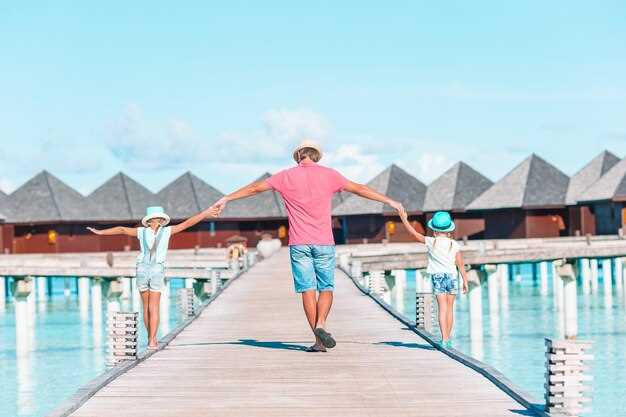
Bring only what you can carry in a compact, waterproof daypack: reef-safe sunscreen, a wide-brim hat, a light rain shell, a dry bag for electronics, and a refillable bottle. Hydration matters on a tropical voyage, so add electrolyte sachets to maintain nutrients during short hops between lagoons. This simple kit works from bandos to kudarah routes and keeps you light when seas turn hard.
Weather and tides: The Maldives have a tropical climate. The dry season runs from November to April, with daytime highs near 30°C and less rainfall; May to October brings more rain and stronger winds. Use a forecast app and tide charts retrieved from operators to time anchorages and snorkeling windows. theres a sheltered approach toward bandos and bandos can serve as a reference point on your nautical plan. Lagoons are clearest in the morning; sunset swims reveal dramatic colors over the atolls.
Safety: Wear life jackets during transfers, keep a lookout, avoid touching coral, and respect currents. theres a quick safety briefing on every charter; a dedicated crew handles emergencies, with onboard radio or satellite communications backup. Carry a pocket first-aid kit, seasickness remedies, and a dry bag for electronics. If conditions turn rough, switch to protected channels and follow the captain’s orders promptly.
Packing and etiquette: dress modestly on inhabited islands; remove shoes before entering homes; ask permission before photography; keep voices low at night and during prayer times. Alcohol is restricted on local islands; on yachts and resorts, enjoy responsibly and follow crew guidelines. In Malé (malé) market areas, sample fresh coconuts and fruit to maintain energy while supporting local sellers. mediterranean-inspired menus may appear on some boats, so check ahead and look for a diverse lineup while you travel. To introduce this approach, start with a simple checklist that you can reuse on future charters.
Tech and communications: carry a local SIM card for malé and nearby islands, or arrange a short roaming plan; you’ll want reliable communications for weather alerts and route decisions. Use offline maps as a backup, and keep a small waterproof pouch for your phone during swims. Looking at a map, you can identify a few lagoons with calm water for snorkeling and simply switch between shore visits and sailing legs as tides shift. The market and sea breeze will be part of the experience.
Route planning and etiquette: identify safe anchorages in lagoons and the best approach to lagoons where currents are mild. The route between kudarah and bandos creates an avenue of lagoons that guards calmer water; looking at a chart, identify 3-4 anchor points that work on different wind directions. For destinations, maintain a flexible plan to enjoy both luxurious onboard comfort and simple shore stops; spending modestly on local experiences can amplify the Maldivian vibe. retrieved charts and crew tips help you refine this plan, and you’ll return with a richer view of tropical destinations.