


 Magyar
  English (UK)
  Русский
  العربية
  日本語
日本語  한국어
한국어  Türkçe
  Español
  Čeština
  Svenska
  Português
  Ελληνικά
  Suomi
Suomi  Nederlands
  Română
  Italiano
  Français
  Polski
  Українська
  Deutsch
  简体中文
简体中文  Slovenčina
  5 Essential Waterway Rules You Need to Know for Safe Navigation">

Minden utazást kezdj egy gyors biztonsági eligazítással és felszerelés-ellenőrzéssel. Percben, győződjön meg róla, hogy a mentőmellények készen állnak, a dobóeszközök elérhetőek, a tűzoltó készülékek a helyükön vannak, és a rádió vagy a térképrajzoló kéznél van, mielőtt beindítaná a motorokat.
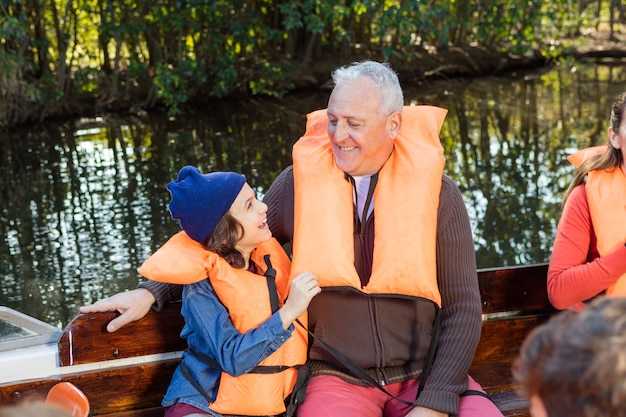
1. szabály: Biztosítsa, hogy a fedélzeten tartózkodó minden személy viseljen mentőmellényt menet közben. Always ez az egyszerű szokás megakadályozza a fulladást egy felborulás vagy hirtelen manőver során, és biztonságosabban tartja a legénységet, amíg a kormányzást újraértékelik.
2. szabály: Tartson biztonságos távolságot más hajóktól, és kerülje a zsúfolt csatornákat, ha korlátozott a látási viszony. Kövesd a világos utat a sikeres áthaladáshoz jelentősen csökkentse a sebességet a kereszteződések előtt, és jelöljön ki egy figyelőt, aki időben észreveszi a közeledő hajókat, hogy reagálni tudjon.
3. szabály: Használjon egyértelmű jelzéseket, és rádió vagy kürt segítségével erősítse meg a szándékait a többi hajóvezetővel. Hangjelzések hogy elkerülhető legyen a nem szándékolt érintkezés, és egyértelművé tegyék a távolságokat keresztező vagy haladási manőverek során. Mindig győződjön meg arról, hogy a másik fél érti a tervet, mielőtt továbblépne.
4. szabály: Indulás előtt és az utazás során kövesse nyomon az időjárás-, látási-, szél- és áramlás előrejelzéseket. Ha köd képződik vagy az eső csökkenti a látótávolságot, csökkentse a sebességet, fokozza a figyelést, és tervezze meg a pályamódosítást, hogy távol maradjon a forgalomtól és a veszélyektől.
5. szabály: Legyen vészhelyzeti terve és megbízható segélyhívási lehetősége, továbbá gyakorlatokat kell tartani a berendezések meghibásodására vagy a vízbe esésre. Gyakorolj a legénységgel, gondoskodj VHF rádióról vagy feltöltött mobiltelefonról, és tudd, hogyan kell bevetni a mentőgyűrűket és a jelzőeszközöket a gyors segítségkéréshez.
Hajóbiztonsági Útmutató: Praktikus Navigáció a Vízen
Mindig engedjék át az utat a SUP-osoknak és más, nem gépi meghajtású vízi járművek használóinak; tartsanak udvarias távolságot és csökkentsék a sebességet, amikor egy szűk szakaszhoz érnek, és csak akkor haladjanak át az útvonalon, ha biztonságos hely van.
Az elsőbbségi szabályok a legkevésbé manőverezhető hajókat részesítik előnyben. A paddleboardok és más nem motoros vízi járművek elsőbbséget élveznek; ha motorcsónakon tartózkodik, lassítson korán, és tartson nagy távolságot, amikor hátulról vagy oldalról közelít. Ha igazítania kell, tegye azt fokozatosan, hogy megőrizze az irányítást és csökkentse a kockázatot minden érintett számára.
Tartson legalább 15 méter (50 láb) távolságot a SUP-osok elhaladásakor, különösen a part közelében, ahol emberek lehetnek a vízben. Használjon széles, kiszámítható ívet, és még az elhaladás befejezése előtt igazítsa a sebességét, hogy a saját sávjában maradjon, akárcsak egy olyan úton, ahol egyértelmű sávok vannak az átmenő forgalom számára.
A hajózási terv fontos: nyomtass ki egy alapvető, zsebméretű ellenőrzőlistát, és a víziút szabályaihoz a forrásból tájékozódj. Figyeld meg a táblákat és jelzéseket, tarts udvarias, kiszámítható irányt, és készíts biztonságos tervet, figyelembe véve az összes érintett hajót.
Ha lapátos deszkákkal vagy lapátos deszkásokkal találkozik, lassítson tovább, tartson távolságot és kerülje a hirtelen manővereket. Legyen udvarias, maradjon a pályán, és ne feledje, hogy a vízi út közös; az Ön tettei hatással vannak másokra, ezért értse meg ezeket az irányelveket, és alkalmazza azokat minden utazás alkalmával.
5 fontos szabály a vízi úton a biztonságos hajózáshoz; 5 egyszerű szabály, hogy biztonságban maradj hajózás közben
Kezdj egy indulás előtti biztonsági ellenőrzéssel: győződj meg róla, hogy minden utas mentőmellényt visel, a motorok készen állnak, az üzemanyag elegendő a tervezett úthoz, és a jelzőeszközök működnek; ez az azonnali lépés biztosítja a gyors reagálást vészhelyzet esetén, garantálva a legénység biztonságát és sokkal felkészültebbé teszi őket, mielőtt kihajóznátok.
1. szabály: Mindig viseljen megfelelően illeszkedő mentőmellényt, és gondoskodjon arról, hogy minden utas számára elérhető legyen egy. Ez a készség alapú szokás minimalizálja a fulladás kockázatát, és támogatja a biztonságos megállást, ha egy hirtelen manőver vagy áramlat éri a hajóját.
2. szabály: Kövesse az elsőbbségi szabályokat: maradjon a csatorna jobb oldalán, engedje át az útjából érkező hajókat, és tiszta rálátással és megfelelő térrel hajtsa végre az előzést; tartsa tiszteletben a jeleket, bójákat és tengerészeti jelzéseket az ütközés elkerülése érdekében.
3. szabály: Forgalmas vízi utakon csökkentse a sebességet és minimalizálja a hullámzást a part közelében és az úszásra kijelölt zónákban; alkalmazkodjon a szélhez és a forgalomhoz, és tartson biztonságos távolságot a horgonyzó hajóktól és más csónakoktól.
4. szabály: Tartson kapcsolatot és készüljön fel a vészhelyzetekre: tartson magánál VHF rádiót, figyelje a 16-os csatornát, és ha segítségre van szüksége, használjon tömör vészjelzést; ismerje a vészjelzéseket, és kövesse a tervét, hogy gyorsan biztonságos kikötőbe jusson.
5. szabály: Utazás előtt és közben ellenőrizze az előrejelzést és figyelje az időjárást; ellenőrizze az üzemanyagszintet és a motor műszereit, legyen vészterve arra az esetre, ha a szél vagy az eső iránya megváltozik, és legyen felkészülve arra, hogy a partra vagy egy kikötőbe hajózzon; egy új-zélandi hajóút vagy tengerparti utazás esetén ismerje a közeli jelzéseket és a kikötési lehetőségeket, és ossza meg tippjeit más hajós csoportokkal a LinkedInen.
| Rule | Action | Miért ez fontos |
|---|---|---|
| 1. szabály | Vigyen és viseljen mentőmellényt; ellenőrizze, hogy a biztonsági felszerelés elérhető-e | Megakadályozza a fulladást és lehetővé teszi a gyors megállást vészhelyzetekben |
| 2. szabály | Tartsa meg a jobb oldali pozíciót; tervezze meg az áthaladásokat tiszta látótávolsággal. | Csökkenti az ütközés kockázatát; igazodik a tengeri és hajózási forgalomhoz |
| 3. szabály | Lassíts a part közelében; csökkentsd a hullámokat; figyelj az úszókra | Védi az úszókat és a partszerkezeteket; fokozza a szélkontrollt |
| 4. szabály | Használja a 16-os VHF csatornát; legyen tömör vészhelyzeti terve | A triggerek gyorsan segítenek; csökkentik a legénység stresszkockázatát |
| 5. szabály | Időjárás-ellenőrzés; kikötő tervezése; jelek és jelzések ismerete | Elkerüli a váratlan időjárást; biztonságos kikötési lehetőségeket nyújt |
Hajózási elsőbbségi helyzetek: Áthaladó, találkozó és előző hajók esetében az elsőbbség átadása
Mindig engedj át a jobb kezed felől érkező hajóknak, és időben cselekedj az ütközés elkerülése érdekében. Nézz előre, lassíts egyenletesen, és állíts be egy biztonságos irányt jóval az útvonalak találkozása előtt, hogy a forgalom zavartalanul haladjon a vízi úton. Ez a gyakorlat követi az alapvető szabályt, és megakadályozza, hogy a hajók felhalmozódjanak egy szűk csatornában.
Átkelés: Ha a másik vízi jármű a jobb oldaladon van, te vagy a kitérési kötelezett. Csökkentsd a sebességet, vedd el a kormányt, hogy mögötte vagy kellő távolságban elhaladj, és kerüld el az előtte való áthaladást. Használj jól hallható kürtöt és fényeket a szándékaid közlésére; a SUP-osok és más nem motoros vízi sportolók extra helyet igényelnek. Hétvégi hajósforgalom gyakran zsúfolja a csatornákat, ezért gazdálkodj hatékonyan az üzemanyaggal, és kerüld a hirtelen kanyarokat, amelyek meglephetik a többieket. Minden esetben figyelj a jelekre és a navigációs eszközökre, amelyek a biztonságos áthaladást segítik.
Értekezlet: In a meeting, both vessels should alter course to starboard to pass port-to-port. Announce intentions with brief communications, keep speed steady, and avoid last-minute changes. If space is limited, reduce speed early and give way as needed. This approach maintains etiquette while handling circumstances like busy weekend marinas or waters with marked channels.
Overtaking: The overtaking vessel must stay well clear and pass on the port side; do not cut in front of the other vessel or use its wake. The overtaken vessel should maintain heading and speed until the pass is complete. Use persistent communications to confirm when you are clear; never take actions through the other vessel’s path. Use the rules in all boating conditions while considering currents and turns marked by buoys.
Practical tips for safe navigation: Always follow the rule and tailor your actions to the circumstances. Take into account the heading, current, and traffic density, and be prepared to adjust while boats cross paths. Communicate early and clearly; introduce signals with horn or radio to keep everyone aware, and keep to etiquette that respects paddleboarders, rowers, and other waterway users. On trips that begin on the weekend or pass through busy channels, plan fuel and timing to avoid rushing. By taking these steps, you become more confident and consistent boater who can handle the modern maritime environment.
Interpreting Channel Markers, Buoys, and Depth Indicators for a Clear Route
Stick to the marked channel and verify your plan with the nearest markers and depth indicators before you move. Check your weight and draft against the shown depth to prevent an accident, and track your location as you proceed.
Channel markers use colors and shapes to separate navigable water from hazards. Red markers generally mark the left edge of the channel when returning to port, and green markers the right edge; these cues help you stay inside the safe line. If you’re unsure whether you should cross the marker line, stay well inside the channel and follow proper navigational etiquette.
Buoys come in fixed and floating forms; use them to stay within the center of the channel. These markers act as a visible boundary that helps boats, engines, paddleboarders, and swimmers share the water without collisions. Align your hull with the markers, not against them, and don’t crowd into the line formed by these buoys.
Depth indicators on boards, charts, or dock-side gauges show water depth along the route. If forecasts indicate low water near a bend or shoal, adjust your path before you reach that shallow point. For paddleboarders and other light crafts, choose the deeper lane to reduce grounding; keep within the marked water and avoid the seabed near marinas where boats frequently turn. These practices reduce risk for all vessels and protect the marina side of the channel.
In congested marinas and busy waterfronts, give slow crafts like swimmers and paddleboarders a separate lane and maintain extra space. Theyre often harder to spot in traffic, so expect movement near docks and stay clear of engine wakes. When you see no-wake zones, drop speed and stick to the marked route; this approach lowers risk for all, even in heavy traffic and near vessels approaching from multiple directions. Use such guidelines to understand the waterway and be prepared for shifts in channel position as forecasts change.
Quick checklist: read markers first and at least once more as you pass; confirm depth indicators in both the front and rear sections of the channel; plan to stay within the centerline, and be ready to yield to paddleboarders, swimmers, and other boats. With this mindset, you reduce the chance of accident and keep everyone safe while navigating a busy waterway.
Navigation Lights and Signal Rules for Day and Night Boating
Check your navigation lights before sunset and ensure they function clearly across the body of water. A quick check at the dock reveals flicker, dimness or cracked lenses, letting you replace bulbs or clean housings to enhance visibility for other boats. Another thumb rule is to test them again in darkness to confirm they perform as expected when you’re actually on the water.
Night operations rely on a standard three-lights layout: red sidelight on the port side, green sidelight on the starboard side, and a white masthead light if the vessel is underway; add a white stern light when moving forward or astern. Keep lenses clean, verify battery or generator power, and carry spare bulbs or fuses to prevent outages and keep the body of the boat visible. This setup will help other vessels see you across crowded channels and calm waters alike.
During the day, stay visible with clear navigational cues and predictable behavior. Use clear, audible signals when required to clarify intent in busy channels, and maintain a steady course to reduce confusion. Even in bright light, a well-lit, well-spaced profile helps families and beginners stay peaceful on the water and lowers the chance of a collision.
Right-of-way rules: when crossing, the vessel on your starboard side holds the right-of-way; the give-way vessel slows or changes course to avoid contact. If a risk of collision exists, both boats should take early action and communicate with sound signals or radio to adjust speed or direction. In any close-quarters situation, reduce your speed and make your intentions obvious to the other boat.
For beginner crews and family outings, plan simple routes, travel at a manageable pace, and keep a clear watch around you. Maintain a safe distance from wakes and larger boats, and always yield when another vessel approaches from the port or starboard side. A calm, predictable approach makes the water feel more peaceful for everyone around you.
Practical tips you can apply today: perform a monthly test of all navigational lights, polish lenses, and confirm battery backups. Use the rule-of-thumb approach: check, enhance, then test again before you depart. Carry a basic toolkit and spare fuses, and keep a small first-aid kit ready for minor injuries (blood). Ensure fueling areas are ventilated to minimize vapors and avoid ignition sources. If you spot a potential hazard, contact the other vessel and adjust your plan to maintain a good margin of safety. Sharing these steps on linkedin can help fellow crews stay prepared and informed.
Speed, Wake Reduction, and Safe Distances on Popular Waterways
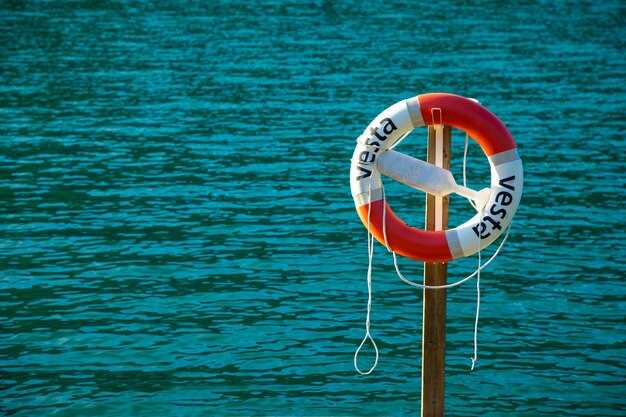
Reduce speed to idle or no-wake within 100 feet of swimmers, canoes, paddlers, and near shore. This action clearly protects anyone in the water and minimizes wakes that can affect small craft and shorelines much.
Wakes increase with speed; heavy hulls and motorboats draw larger waves that can throw a paddleboarder off balance or push a canoe toward the wake. Slowing down a little cuts wakes and gives you much better control in busy channels.
Given these guidelines, on popular waterways maintain at least 100 feet from swimmers, 50 to 100 feet from canoes and other paddle craft, and 200 feet from large, fast-moving vessels when conditions are crowded. These distances reduce risk of collision or loss of stability for smaller boats and keep operation safe, especially around boards and kayaks.
In such narrow sections, heading changes require gradual steering and steady speed. If conditions are uncertain, ease off and allow more space. This approach helps you manage draws from passing boats and reduces wash that can carry across the water.
Use aids and posted signs to plan your path. When you see swimmers, they require extra care; give them space. Remember to signal your intentions and adjust speed before closing the distance, so anyone on the water has time to react. This offers assurance to other users that you will act predictably.
Ultimately, this is part of your responsibility; whether you’re on a board, a motorboat, or a canoe, keeping speed low, reducing wakes, and respecting safe distances helps them enjoy the water safely over many trips to come.
Safety Gear and Pre-Departure Checklist: PFDs, Whistles, Flares, and Fire Extinguisher
Put on a properly fitted PFD for every person before starting the engine. Verify each PFD is USCG-approved or local equivalent, adjust the straps for a snug, stable fit, and keep jackets within easy reach on deck. Ensure they stay accessible for quick response in rough wakes or sudden maneuvering, and stick to a clear plan that keeps the crew safe on every boating outing.
- PFDs and fit: Select a nautical-approved PFD sized to each person, typically Type III for recreational boating or Type I for extended ranges. Fasten all buckles, snug the straps, and test buoyancy by lifting the wearer from the shoulders. Inspect for wear or stiffness and replace damaged units promptly to protect against injury or loss of flotation; ensure every person wears their PFD close to the body for maximum effectiveness.
- Whistles and signals: Attach a whistle to each PFD and keep a backup signaling device on hand. Teach the crew to use 1 long blast to attract attention and 3 short blasts to indicate distress, and verify the sound carries over wakes and wind so others on the water can hear you clearly.
- Flares and signaling devices: Pack at least two handheld red flares and one aerial flare kit. Check expiration dates and replace if needed; store in a waterproof container near the helm. Use flares only as part of a planned emergency signal to avoid unnecessary alarms and potential spills or injuries.
- Fire extinguisher: Carry a portable ABC extinguisher in an accessible location, with the gauge in the green zone. Inspect monthly for damage; ensure the pin and tamper seal are intact. Learn and apply PASS: Pull, Aim, Squeeze, Sweep. Replace after any discharge or expiry date to keep you ready for a small fire and protect property.
- Pre-departure checks: Here is a concise general checklist: forecasts and weather updates for the planned route; verify fuel level and oil; test batteries and lights; inspect bilges for moisture; coil lines and secure equipment to avoid trips or injuries. Confirm anchor, rope, and fenders are ready, and walk the deck to confirm everyone’s feet have a stable footing before moving.
- Fueling, spills, and vapors: During fueling, avoid ignition sources and ventilate the area. Wipe up any spills immediately to prevent slick decks and vapors buildup that could spark a fire. Have the extinguisher accessible and know how to respond to a small fire to avoid a collision or property damage.
- Courtesy and awareness on the water: Maintain wide distances from other craft, especially near docks or crowded areas. Signal clearly, slow down in confined spaces, and keep wakes away from smaller boats to protect others on the water. Courteous behavior reduces risk and builds confidence among your crew and nearby boaters.
- Injury prevention and first aid readiness: Keep a basic first-aid kit on board and train the crew in simple safety skills. If injury or bleeding occurs, apply pressure to control blood loss and seek medical help as needed. Regular drills reinforce readiness and help everyone react calmly under pressure, even when conditions are changing.
Following these steps shows others your commitment to safety, minimizes the chance of a collision, and keeps the boating experience enjoyable for everyone on the water.