


 Magyar
  English (UK)
  Русский
  العربية
  日本語
日本語  한국어
한국어  Türkçe
  Español
  Čeština
  Svenska
  Português
  Ελληνικά
  Suomi
Suomi  Nederlands
  Română
  Italiano
  Français
  Polski
  Українська
  Deutsch
  简体中文
简体中文  Slovenčina
  5 Essential Questions Smart Buyers Ask When Purchasing a New Boat">

Begin with a concrete budget envelope: calculate the base cost of the yacht, plus annual maintenance, insurance, and fuel; youll need a cushion for docking, surveys, and potential upgrades. If you cannot obtain clear service histories, demand a professional inspection and a written disclosure. You may encounter even a modest discrepancy in records that can derail the negotiation. Knowing the nearest marina fees helps you compare true ownership costs.
Second factor: provenance and condition: verify service history, prior owners, and any incidents that occurs and were reported during surveys; inspect the hull, deck, and interior wear; request maintenance invoices and at least two independent inspections; ensure the seller clearly explains repairs that occurred and whether gear was replaced; this helps assess the class and anticipated life. Aim to reduce the least risk by relying on independent evaluations.
Third area: performance and safety: request a documented sea trial or verifiable data on hull efficiency, stability, and handling; confirm life-saving gear is up to date; ensure the flashing anchor light is visible and that the anchor holds in wind; if the logs exist, találja meg a independent verification; assess the risks of operating near rivers or in chop.
Fourth factor: equipment, layout, and on-board systems: inspect electronics, backup power, and the tools that support safe operation; verify anchor gear, windlass, and bilge pumps work; review the board layout, access to compartments, and the condition across areas of the hull; check for corrosion or leaks and request the most recent service records.
Fifth element: documentation, ownership chain, and value trajectory: verify the year of manufacture, confirm title and liens, and review sea-worthiness certificates; compare with nearest rivals to gauge relative cost and risks; check maintenance logs for consistency. A transparent seller reduces the chance of a junction of problems that occurs at sea; youll feel confident and can predict life-cycle costs, reducing the possibility of collisions.
Boat Buying Insights and Trivia Guide
Registration verification and flotation devices must be confirmed first; ensure hand-held VHF is available for shoreline communication and emergency signaling.
- Legal basics and compliance: Confirm registration and the vessel’s class; read ordinances that apply to coastal areas; note the series and models called out by manufacturers; ensure the paperwork matches the types of craft under consideration.
- Safety equipment and devices: Verify a full set of flotation devices is available; ensure PFDs are properly sized and stowed; have throwables and a hand-held radio for emergencies; all gear should be kept safely for passenger safety.
- Propulsion and hull options: Compare motor types (outboard versus inboard), horsepower ranges commonly offered, and maintenance history; check construction details and flotation under load; confirm the hull has adequate buoyancy and is made to withstand local waves; perform engine down checks to verify idle stability.
- Operational readiness and risk mitigation: Plan routes for entering and leaving sheltered bays; operate slowly near shoreline; in areas taking on heavy chop, set strict speed limits and use stabilized seating; map safe anchor areas and review weather ordinances; verify required lights, sound signals, and registration status for the area.
- Testing, trials, and local usage tips: Do a full sea trial in the York coastal area to observe throttle response, steering, and trim; check battery state and fuel economy during a calm lap and in chop; document case results for comparison of options on the same block of pricing.
- Documentation and ownership path: Collect the case history, manuals, and service notes; confirm the availability of service networks and parts; verify registration transfers and ownership paperwork; consider devices like hand-held GPS that may add value to the setup.
5 Key Questions Smart Buyers Ask When Purchasing a New Boat; 94 Boating Marine Trivia Questions Ranked from Easiest to Hardest

Inquiry 1: Start by confirming watertight hull integrity and propulsion readiness during a hands-on boating demo; insist on a printed components list with serial numbers and service marks, and have the dealer show the maintenance history. Inquire about shoreline ordinances and local rules south of your marina, and ensure compliance before moving toward a deal. Check life vest availability and emergency gear, and verify navigation light operation with flashing beacons. Test stability on horizontal water at 5 to 7 knots, and confirm stand-on behavior relative to other craft. Take the call details, log the mark on the GPS, and photograph the printout for your board review; during the trial, confirm queen berth and other onboard storage, and note any extending features that affect balance. This approach covers core boating safety and reduces risk during the evaluation.
Inquiry 2: Evaluate ongoing ownership costs and value by requesting the maintenance schedule, parts availability, and typical service intervals; get a five-year cost forecast covering insurance, storage, fuel, and slip fees. Compare fuel economy at common cruising speeds and ask for a recent fuel log; verify the dealer’s service network and response times, especially if you plan to travel York-to-Queens routes. Ask for warranty terms and the scope of coverage for electronics and propulsion, and confirm whether a marina call-out or on-site service is available. Request a sample financing plan with a transparent addition or rebate structure; ensure the print copies align with your budget and that the overall deal remains within your staying plans.
Inquiry 3: Review safety systems and regulatory alignment; ensure required equipment meets ordinances and is in serviceable condition; test bilge pump sequence, fire suppression readiness, and emergency signaling such as distress calls and VHF beacon. Confirm watertight compartments and anchor handling capability; verify required water-safety gear including a vest for each occupant and a spare on board; check navigation light functionality at dusk; ensure orange emergency markers and flashing lights perform as expected; review shore-power setup and battery isolation, and ensure the vessel can stay extended for extended trips without electrical drain. Document water and shore-based links for maintenance and compliance, and confirm that all components are accessible for regular checks during stays on shorelines or bays.
Inquiry 4: Assess design choices and usability; compare hull form (mono vs. multi) and distribution to improve stability when staying near the shoreline. Review the knot of weight distribution and ballast, and check deck layout for a queen-size sleeping area and conversion options. Assess component quality, including propulsion, steering, electrical, and plumbing, and confirm available upgrades and after-market additions; verify print brochures for specifications and notes from the maritime board. Ensure the system can extend range or capabilities without compromising safety; test docking ease, turning radius, and visibility of water and light cues during varying weather conditions, and verify that orange markers align with charted shoreline features.
Inquiry 5: Confirm seller credibility and after-sales support; request recent service history and cross-check with official maritime records. Ask for a supervised demo that includes engine start, heat cycle, and a confidence pass on the transom; verify transfer documents and title readiness, and discuss training, parts availability, and service-network reach. Arrange a follow-up inspection with a third-party survey and a second-water test; finalize the deal with a clear printout of all terms, including any included gear and the addition of an extended warranty. Keep in mind contact methods: printouts, phone follow-ups, and documented milestones to ensure you remain informed as you move from the test dock to ownership along the shoreline.
Define your primary use and select the boat type (cruiser, bowrider, fishing, or family boat) to match needs
Start with your primary use. Assess your need for overnight comfort or quick errands. For families and friends seeking common uses–casual cruising plus light watersports–the bowrider offers the easiest transition between lounging and activities, with open bow seating and straightforward entry. For long day trips or overnight stays, a cruiser provides a full cabin, galley, and a dry head. For anglers, a center-console or dedicated fishing craft delivers ample deck space, rod holders, and a motor strong enough to reach remote spots. This mapping helps you pick a vessel type that matches needs right away.
Safety and legality shape the plan. Decide on a suitable anchor setup and keep a light, waterproof extinguisher within easy reach. Know emergency procedures, including how to call mayday and how to operate the radio. Alcohol while operating falls under legal limits; never drink and operate. The operator should be trained, and everyone aboard knows where the life jackets, spare fuel, and first-aid kit are stored. What you require to stay compliant includes a throwable flotation device and a working motor. You cannot rely on luck; you must take care of equipment and crew readiness before taking custody of the water.
Numbers and factor: Consider the numbers behind the choice. In the Americas market, models come with varying names and configurations; ask dealers for what is suitable for your waters and climate. For days with friends taking trips, ensure seating shares the space; a lightweight hull stays easier to tow and store, while a more permanent cruiser trades flexibility for comfort. Compare deal pricing and feature packages; fuel numbers matter; plan for range based on the planned uses and the motor type. A capable craft reduces risk during entering marinas or channels and helps you stay fine on the water. Consider permanently installed features such as a swim platform or fixed seating that enhance convenience but add weight to the hull.
Final check: kennedy-era safety ethos emphasized preparation and clear communication; shares your plan with anyone who will ride, and confirm a simple maintenance and safety routine before every trip. A well-chosen vessel aligns with uses, legal rules, and the environment, and it makes staying in smooth waters a routine, not a gamble. With careful selection, you gain a dependable partner for anchor duty, storage, and daily enjoyment, shared among friends.
Set a total ownership budget, including purchase price, moorage, fuel, insurance, and maintenance
Set a hard cap on all costs upfront, then translate it into a practical plan. List every item: purchase price, moorage, fuel, insurance, annual maintenance, and unexpected repairs, then assign a fixed limit for each category. This clear frame helps avoid drifting into overpriced options and keeps the discussion focused on value rather than hype.
Estimate upfront cost by vessel size and features. For entry-level 20–24 ft watercraft, acquisition price typically ranges from $40,000 a címre. $90,000; mid-range 25–34 ft often $100,000 a címre. $180,000; larger, modern designs exceed $300,000. Use broker quotes to anchor numbers, and note which names or models fit your needs. Include front deck hardware and hull upgrades in the order you compare options.
Moorage costs vary widely by region. In coastal marinas, annual slip fees commonly range from about $2,000 a címre. $12,000; inland facilities can be $1,500 a címre. $6,000. If you own multiple watercraft, ask for a member rate or bundled options when creating an order; displayed rates should be broken into front, middle, and side locations so you can compare storage options side-by-side.
Fuel and operating costs are the next major factor. If you expect 40–80 hours of running per year, plan for fuel at roughly $3.50–$4.50 per gallon, leading to annual fuel outlays around $800 a címre. $3,000 for modest use, and higher for faster or longer trips. Include a device for monitoring fuel efficiency and a separate line for maintenance that covers components subject to wearing, such as pumps and filters. If you scuba dive or snorkel, factor gear maintenance and extra air tanks into the cost of ownership.
Insurance and maintenance form a stable share of the budget. Annual coverage typically ranges from $500 a címre. $2,500 for smaller vessels, climbing with value and risk. Maintenance reserves should be built at 5–10% of the acquisition price each year, plus an emergency fund for major repairs. A clear schedule helps people see when servicing is due and keeps the hull in better condition longer.
Safety, learning, and early planning pay off. Involve friends and a trusted member to review the plan; run a reality check before committing. Address hypothermia risk in cold seasons with proper gear and training. Document the plan with a clear image and store it where everyone can access it. Trivia can keep the discussion focused on numbers, ensuring the meaning of every category is understood by all who participate.
To optimize the budget, track the cost names in a single display and update it annually. Make sure the budget fits your order of operations and fits your cash flow, acknowledging carbon footprint considerations such as fuel efficiency. Early planning makes the excitement longer-lasting and helps you ride smoother into many seasons with confidence.
Choose hull type, propulsion, and layout based on typical conditions and crew size
For a yacht with 4–6 aboard in typical seas, take a deep‑V hull with twin outboards (about 300 hp each) to balance ride comfort, speed, and reliability in 2–4 ft chop. This setup delivers a smooth transition to planing, keeps fuel use reasonable, and minimizes crew fatigue on longer legs. Include a head in the forward cabin and a lighted helm console to simplify shifting between duties while underway.
Qualify propulsion by planned routes: open‑water crossings favor twin diesels or high‑response stern drives for longer range and better control, while coastal hops benefit from lighter, higher‑torque outboards for quick acceleration and easier maintenance. Ensure a device for weather and position updates is within easy reach of the helm, and verify the display shows the vessel nickname and registration clearly. Enforce a kill switch, life jackets, and a simple safety plan to reduce risks when seas rise or visibility dips near orange markers or reefs near islands. Coordination with friends aboard is easier when plans are shared and systems are redundancy‑checked in advance.
Layout should minimize movement during rough conditions: a wide beam with side decks, a compact galley, and a guest area that can convert to sleeping space for third or fourth passenger if needed; place the head near the bow side for privacy and short trips. Include a practical dockside plan for loading gear and alcohol management rules to keep the crew focused on safe operation. Former owners often display the equipment list near the helm – read it closely, including safety checks and the higher‑priority items first, to ensure every routine run is predictable and ready for the next call from friends or a nearby yacht club.
| Hull type | Propulsion options | Layout considerations | Typical conditions | Crew suitability |
|---|---|---|---|---|
| Deep‑V planing | Twin outboards (200–350 hp each) or dual stern drives | Wide cockpit, head aft, forward seating; lighted dash; storage inside gunnels; display nickname on bow; proximity to a simple galley | Open seas, chop up to 4–5 ft; coastal passages; near nearest island | 4–6 |
| Semi‑displacement / modified‑V | Twin outboards or inboards with mid‑range power | Smaller galley, flexible seating, compact head; robust rails; easy side access, third seating option | Calm to moderate seas; inland passages | 4–8 |
| Displacement / long‑range | Diesel inboards | Centerline companionway, larger head, multiple cabins; higher storage; clear sightlines to side decks | Open ocean, gentle to moderate chop; long legs | 6–12 |
Evaluate dealer credibility, warranty coverage, and access to reliable post-purchase support
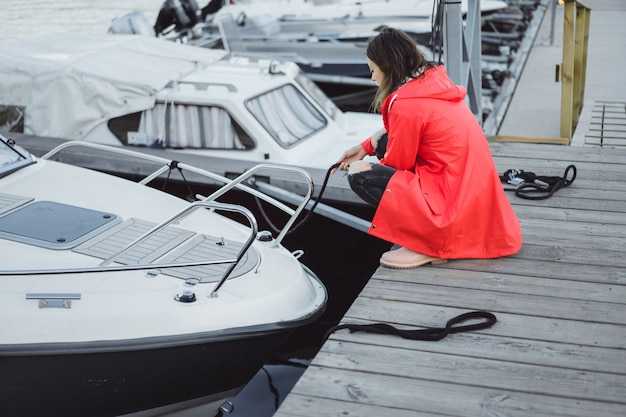
Verify credibility by contacting the official dealer network, check local references, and secure written warranty terms before you commit.
Primary coverage should be full for each major system–engine, drive, electronics, and safety gear–for a defined term. Include explicit exclusions (wear items, cosmetic damage, hull damage from improper storage outside). Clarify transfer rules if you upgrade later. Ensure a broad network of authorized service centers within the state and in nearby regions so youll travel longer distances without gaps. Request a map of official partners and confirm technicians are trained for the sonar and other electronics the craft uses.
Post-purchase support should include rapid response times, on-water assistance for capsize or hazards, and remote diagnostics via a hand-held device or app. Confirm that the english language is supported, with a dedicated contact who can guide you during a crisis. If the dealer participates in convention activities or training networks, that indicates ongoing staff development. Ensure parts for various models are stocked and can be shipped quickly to york state or elsewhere.
Check coverage for different platforms, from sárga kayak halászati eszközökkel, és ellenőrizze, hogy capacity a lehetőségek támogatottak. Kérjük, ellenőrizze, hogy a helyszíni szolgáltatás elérhető-e, amikor a local raktárterület, valamint a vízen történő diagnosztikai vizsgálatok esetén pedig a hand-held a szonár vagy más elektronikus berendezések elérhetők. Keress egyértelmű útmutatást a veszélyekkel és hipotermiával, a biztonsági képzéssel és egy időjárásbeli sürgősségi helyzetekre vonatkozó tervvel a te course.
Aláírás előtt igényeljen egy írásbeli szolgáltatási szinttel kapcsolatos megállapodást és a minimális válaszidő garanciát, valamint egy világos eszkalációs utat, ha a követelés egy modellre vagy régióra korlátozódik. Biztosítsa, hogy a garancia érvényben maradjon, ha a fő bolt megváltozik, és garantálja a hozzáférést egy ügyfélportálhoz frissítésekkel. Ha a megállapodás népszerű a boaters, úgy fogod érezni, hogy a partner képes kezelni a szükségletek teljes spektrumát – a rutin karbantartástól a nagyobb javításokig – miközben a tóra tervezgeted az utakat, vagy pedig a convention hogy többet megtudjon a legújabb felszerelésekről, és tudhatja. plow a betűkön keresztül, hogy ellenőrizze a mindent capsize, knot, és course-vel kapcsolatos rendelkezések szerepelnek.
Tervezze meg a biztonsági, regisztrációs és biztosítási szempontokat a vásárlás véglegesítése előtt.
Ellenőrizni kell, hogy a jármű hivatalos fedezettel rendelkezik-e, és megszerezni a hitel előfinanszírozását; áttekinteni kell a korlátokat, a befizetéseket és a kizártakat.
Regisztráció: Ellenőrizze a helyi és nemzetközi szabályokat, ha területeken keresztül szeretne üzemeltetni; erősítse meg, hogy a hajó az Ön államában vagy országában van-e regisztrálva; szerezze be a szervezet irányelveit.
Biztonsági felszerelés: Győződjön meg róla, hogy a lebegő eszközök érvényességi idejükön belül vannak; ellenőrizze, hogy van-e hipotermia elleni védelem; tartsa készletben a fejpaneleket, vaku jeleket, mentőeszközöket; győződjön meg arról, hogy a járműnek széles fedélzete van a véletlen vízbe esés kockázatának csökkentése érdekében.
Működési ellenőrzések: javasolt a nappali tesztelés; ellenőrizze a fedélzeten lévő folyadékokat; győződjön meg a ballasztvízről és az üzemanyag-típusokról; ellenőrizze a fedélzet alatti tárolást a kiömlés kockázatának elkerülése érdekében.
Biztosítási adatok: meghatározás, hogy milyen fedezetre van szükséged, mi tartozik a kölőhajóhoz képest más vízi járművekhez; megerősítés, hogy a nemzetközi utazás szerepel-e a fedezetben; vázlat a potenciális veszteségek ezreiről; biztosítsd a segédletek elérhetőségét.
Döntési keretrendszer: ha az ár hasonló a többihez, értékelje a további előnyöket; vegye figyelembe az eladó viselkedését és a szervezet útmutatását; kerülje a túlzottan magabiztos döntéseket; tervezzen a déli vagy a tóhasználattal.