


 Magyar
  English (UK)
  Русский
  العربية
  日本語
日本語  한국어
한국어  Türkçe
  Español
  Čeština
  Svenska
  Português
  Ελληνικά
  Suomi
Suomi  Nederlands
  Română
  Italiano
  Français
  Polski
  Українська
  Deutsch
  简体中文
简体中文  Slovenčina
  11 Insider Tips for Navigating Boat Shows – Your Ultimate Guide to Finding the Right Boat">

Make contact with top exhibitors before doors open and schedule 15-minute meetings. Doing this online keeps plans sharp and helps youve compare options with discipline, always sticking to criteria rather than impulse.
Crucial checks cover hull form, displacement, propulsion options, fuel capacity, and berthing. Use a simple scoring grid you can fill at each booth; this keeps you informed and reduces bias.
Ask about certified service packages, warranty terms, and ownership options. In advance, check online what each provider offers; bőségesen of data exists, including tengeri after-sales services, maintenance plans, and on-water launches that help you become well positioned to decide.
Bring a case file of your sailing goals; theyre likely to differ if you plan weekend coastal cruising or long passages. Wearing a life vest during demos improves safety; wear comfortable shoes and stay well hydrated during long days.
During a találkozás, discuss budgets, financing options, and service networks. If you know models that perform well in marinas, you can compare capacity, fuel use, and mooring needs together with a partner. Usually these sessions reveal vessels that align with your ownership style and preferred cruising grounds, helping a better decision.
Navigate Boat Shows Like a Pro: Insider Techniques for Selecting the Right Boat
Kick off with homework: download latest exhibits map, pick 6–8 stands aligned with watersports, ownership costs, and practical layouts; keep notes by hand to compare layout, seating, and access.
Attend opening hours, avoid peak crush; focus questions on price, hull type, engine options, and maintenance needs. In vast industry, experienced buyers share impressions that help avoid misses; enthusiasts appreciate this method.
Ask about ownership costs beyond sticker price: maintenance, insurance, storage, fuel burn; run 4–6 numbers to compare and confirm total affordability.
Gauge usability in each candidate: verify headroom, legroom, seating comfort, step access, ballast handling, and cockpit layout; dont miss safety notes and clear paths; check feet clearance.
Put together 4–6 picks; then attend a lecture to learn latest propulsion tech, safety features, and performance metrics. Lace questions with real-use scenarios, like watersports sessions with 2–3 riders.
This approach helps identify a worthwhile shortlist that can be tested further.
Use a compact scoring system during strolls: assign 1–5 to categories such as performance, reliability, layout, and resale potential; keep consistent notes across vendors. after this, leave with a short list of strong options.
When winners emerge, book follow-up demos or meetings to verify conditions under real-world use; download brochures and price sheets to compare later without bias.
| Category | What to Check | Action |
| Performance & Handling | Hull type, ballast, stability | Ask for stability data; note feel during a short test run |
| Ownership Costs | Maintenance, insurance, storage, fuel burn | Compute monthly/annual impact; compare against price |
| Comfort & Layout | Headroom, seating, access, foot space | Inspect feet clearance; verify cockpit reach |
| Value & Price | Package features, warranties, resale prospects | Compute total value vs price; download brochures |
| Decision Readiness | Demo notes, follow-up demos, booking next steps | Leave with 3–5 solid picks; book a later visit |
Pre-show Research: Map Show Layout, Exhibitors, and Vessel Models You Care About
Begin with a concrete plan: pull venue map, load exhibitor list, and mark vessel models of interest. This approach gets you aligned amid crowds and outdoor aisles.
Think about oceans of options, yet stay focused on priorities.
Create a two-column grid on paper or device: must-see items and nice-to-see options. Place pins near zones A–D on map.
Scan marketing collateral from exhibitors; check brochures, videos, and services to gauge capability. Note case studies and other specifics.
Outdoor displays host huge hulls and watercraft; cruisers, enthusiasts, and sailors converge into show areas where vessels are showcased. This supports maintaining life afloat.
Remember to ask a manager about maintenance services, spare parts availability, and after-sales support. Never overlook maintenance planning; this helps keeping life afloat and reduces risk.
First, book 15-minute meetings with industry reps to verify engine options, hull size, and layout. Book slots, stay concise, and capture notes.
Seek financing packages, insurance options, and services easing ownership. These experiences help enjoy life afloat with confidence. Good judgment saves time.
Do not rely on plastic signage alone; inspect build quality, fittings, and finish. Observe color options, upholstery, and lace details on covers where relevant.
Pack a list of bags for samples, brochures, and small tools; keep bags light to stay agile while strolling docks.
After pre-show, map top five vessels for review at event. Stay focused on criteria such as space, draft, and service network; this reduces impulse buys.
Budget and Financing Prep: Define Limits, Test Financing Options, and Avoid Overstretch
Set a hard ceiling on total outlay before negotiation: cap at 15–20% of annual take-home income, plus a 5–10% contingency covering taxes, registration, and ongoing maintenance. having a clear limit helps you stay disciplined when youre facing pushy numbers at the port and during the moment of decision.
Test financing options: banks, credit unions, and marine lenders; compare fixed vs variable rates, terms from 5 to 15 years, and total cost of credit over the life. download a pre-qualification checklist and gather two years of tax returns, pay stubs, and a list of existing debts. having that data helps you compare financing options across dealerships, international market leaders; test a mixed approach that balances rate, term, and down payment availability. First-time buyers should scrutinize dealerships and compare terms across the market to avoid biased promos.
Know your debt-service capacity, and whether you qualify under common lender criteria; simulate payments across a 5–15 year range and assess whether the installment fits life goals. maybe extend the term only after you verify an affordable monthly payment and a solid exit plan.
Keep the focus on a narrow point: avoid mixed financing that stretches payments into life years you cannot stay comfortable; establish an exit plan if installments creep toward the budget coast.
Notes from market leaders in the yachting space: track places where rates are stable, reporting across ports and coastlines, and rely on expertise to interpret data. theres port-specific nuance, so balance that with the broad set of available options.
First-time buyers, with input from a seasoned manager, can use this guide to compare international options, scan coast-to-coast terms, and grab a favorable rate while avoiding overreach. there are port and dealership options; theres always a risk if you hurry, so exit when numbers stop making sense.
On-site Q&A Strategy: Which Questions Uncover True Fit and Value
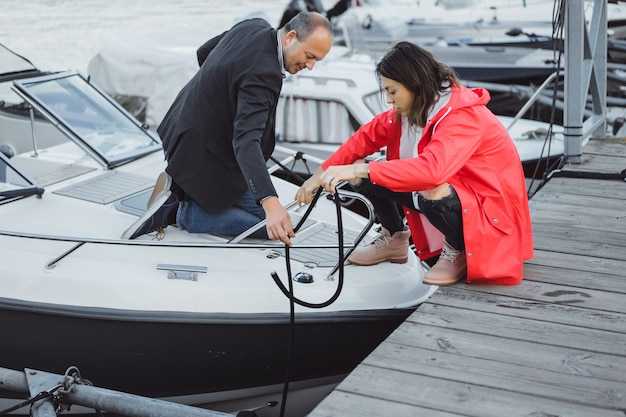
First pick: start with concise needs scan. Capture length in feet, beam, draft, sleeping capacity, storage, activities, and places of sailing. Define budget ceiling and must-haves. This keeps conversations anchored without festival excitement creeping into decisions.
- Needs scan
- Feet length, beam, draft, payload, crew size.
- Activities like cruising, overnighting, fishing; identify models that support these needs; compare layouts.
- first buyer constraints: learning curve, service access, budget guardrails.
- Capabilities and layout
- Berths, headroom, galley size, seating, cockpit space, storage capacity.
- Convertible spaces to boost whole capacity flexibility.
- Finishes: durability of plastic components, marine fabrics, safety handholds.
- Performance and value signals
- Hull type, ballast, propulsion efficiency; check weight and haul costs.
- Request fuel burn numbers at typical speeds; ask about real-world speeds under similar conditions.
- Maintenance cadence, parts availability, warranty coverage; while ongoing cost implications persist.
- Brand and dealership support
- Brand networks: nearby dealership networks, service intervals, parts availability; downtime impact.
- Ask about training and handy resources from brand; on-site classes or online modules for owners and sailors.
- Assess fit with brand ecosystem; given service realities, alignment with long-term needs.
- dealership depth matters in service continuity.
- Hands-on verification
- Request on-site test: systems check, navigation electronics, engine startup, bilge access.
- Inspect cockpit controls, lines, winches, mooring gear; confirm ease of use in tight spaces; handy for a sailor; consider plastic components wear.
- Safety features: life jackets, fire suppression, accessibility; note gaps for ongoing safety checks.
- Decision framework
- Score each model on metrics: fit with needs, ease of handling, ownership costs, brand-support confidence.
- picking top 2–3 models; compare with online reviews and dealer feedback; avoid glossy marketing alone; consider other options.
- Apply gold standard: how deep love for model runs, and could it become reliable daily partner or isnt ideal.
- lace criteria with concrete metrics to avoid marketing fluff; ask for specific data points from on-site tests.
- Exit plan and post-event steps
- Set exit criteria: where to leave conversation if basic needs fail; exit gracefully.
- Capture next steps with exhibitors; schedule follow-ups online; gather brochures and specific model data.
- Keep ongoing notes; buyer intent should persist; revisit after festival period for additional comparisons.
Live Demos and Test Runs: What to Inspect, Note, and Compare During Sea Trials
Kick off sea trials with a 15-minute idle-to-cruise sequence, log RPM, fuel burn, speed, trim, and vibration; note which readings rise under load.
Assess hull integrity and ride quality in chop: listen to creaks, confirm propeller condition, shaft alignment, and engine mounts while accelerating.
Powerplant checks: boot engines, verify start, monitor oil pressure, coolant temperature, alarms, and exhaust tones; a smooth idle and clean shutdown are worthwhile.
Steering, throttle response, and docking: test joystick or wheel in a light current, run slow-speed turns, evaluate bow and stern thrusters, and assess maneuverability.
Systems and safety: verify navigation gear readability in sun, test Autopilot, radar, VHF; confirm life jackets, fire extinguishers, EPIRB, and fenders available.
Fuel planning and data logging: record fuel burn at each speed, calculate range, endurance, and fuel flow; compare boats across similar cycles.
Market realities and scenery: in miami yachting market, port cities such as petersburg, buyer expectations differ; plan which features matter on watersports weekends, sunscreen storage, luggage, and carry capacity.
Documentation and decision: keep a shared list on website or pdf, mind business costs, maintenance intervals, and availability of service centers; staying organized makes decision easier.
Finally, meeting with crew and dealer helps clarify choices; stay focused on whole picture, weigh ride comfort, value, and resale potential; likely, youre ready to pick.
Post-show Follow-Up System: Capture Contacts, Schedule Demos, and Make Decisions
First move: book attendees’ contact data, tag their intent, and set two paths: enthusiasts and buyers; two aspects: experience seekers and value buyers.
Days after, taking notes on attendees, grab contact details, and add them to a simple tracker; their aware status rising, making categorization easier; this thing helps teams stay aligned.
Walk attendees through a concise plan: book demos, assign times, lace calendars with reminders.
Attach a moment-by-moment workflow: send brief summaries, offer next steps, invite them to attend a demo, and ask their preferred format (in person or virtual).
Maintain momentum: these steps help; send concise emails, call attendees, offer times to attend demos; still track progress, update statuses, and avoid misfires.
Weather usually dictates scheduling; if weather worsens, move to virtual demos, grab quick feedback, maintain contact with attendees, and avoid losing momentum among yachting enthusiasts.