


 Magyar
  English (UK)
  Русский
  العربية
  日本語
日本語  한국어
한국어  Türkçe
  Español
  Čeština
  Svenska
  Português
  Ελληνικά
  Suomi
Suomi  Nederlands
  Română
  Italiano
  Français
  Polski
  Українська
  Deutsch
  简体中文
简体中文  Slovenčina
 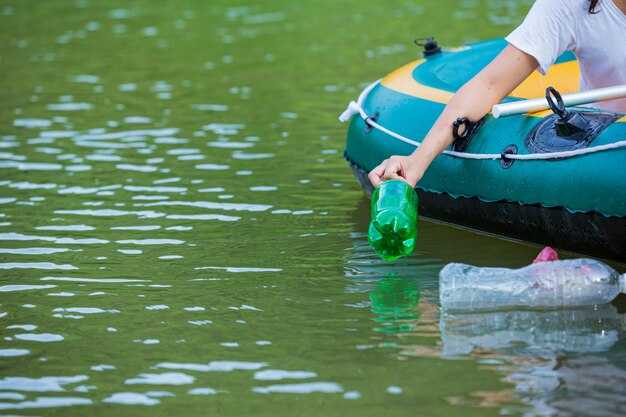 10 Green Practices for Recreational Boaters – Eco-Friendly Tips">

Start with a labeled bins setup and a regular hand cleaners routine that minimizes bilge contamination here.
Whether you cruise or anchor, set a simple program that trims speeds to 3–5 knots in nearshore zones to cut wake and fuel use; this possible approach helps readers compare results from each outing and decide what to adopt next, reliably here.
During docking or anchoring, use a bilge-safe cleaning protocol with a small supply of biodegradable cleaners; on alumacraft hulls, rinse gear after use and store in a separate locker to protect the surface and the water.
Document outcomes in a simple journal–the regular entries serve marketing evidence that eco-minded actions work; share results with readers and themselves across social posts, whether you use alumacraft or other hulls, and encourage others to join.
Adopt the program as a regular habit, and the crew themselves will see protection of water resources improve overall, with bins refilled, anchors set with minimal bottom disturbance, and the ethos of sailing responsibly spreading among readers and the marketing network alike.
Practical Guidelines for Eco-Conscious Boating
Bring a sealable waste bag and a separate organics bag on every cruise; onboard waste separation makes disposal at dock facilities easy and cuts litter entering waterways.
Member crew should ensure all trash goes into the correct container and is removed at the dock; posted signs near the deck reinforce safeguarding wildlife and keeping the body of water clean, and crew take pride in maintaining a healthy harbor.
Keep noise down during cruising near sensitive habitats; taking a steady course in coastal zones reduces stress on wildlife and makes a smoother ride.
Easy steps to minimize fuel use include planning routes ahead, avoiding long idling at the dock, trimming the hull, and cruise at a steady RPM with lighter gear onboard, especially in rough seas.
Also, posted on the cabin door is a simple onboard checklist: use biodegradable cleaners, wash in permitted areas, and dispose organics only at approved facilities.
Deck storage matters: stow gear in lockers, keep deck clear, inspect spills, and avoid discharging bilge near wildlife; regular checks reduce risks.
Engage with local stewards at the dock; as said by many stewards, observations about wildlife, tide data, and water quality should be shared; this builds a body of knowledge that benefits waterways and coastal stewards.
Take photos responsibly while floating, enjoy themselves, and also respect posted speed limits and quiet zones; use a long lens if possible, stay at a safe distance, and never chase wildlife.
Choose reef-safe sunscreen and limit chemical runoff near water
Apply zinc oxide or titanium dioxide sunscreen; select reef-safe formulas that exclude oxybenzone and octinoxate, and opt for non-nano particles to limit micro-particle release into habitats. Data from coastal monitors shows sunscreen residues reach coral reefs and seagrass beds after hours aboard vessels, accumulating across seasons and years. This remains a concern during peak season.
Limit runoff by applying sunscreen before boarding, staying out of water for a brief period after application, wearing sun-protective clothing, and using reef-safe wipes. Carry a compact kit including reef-safe sunscreen, biodegradable cleaners, and microfiber socks for dry protection when moving around on deck panels. Also, rinse tools at a designated outlet away from habitats to prevent shear.
On boats, life aboard depends on simple choices. American fleet member crews report lower water contamination when members apply reef-safe products, wear protective garments, and clean decks with biodegradable cleaners. Those steps ensure sustainable exploration, making life aboard feasible and keeping habitats healthy back near shore. Vessels themselves take pride, and crews themselves see themselves as stewards of reefs and corals. Riding the swells, crews stay mindful of chemical footprints.
Next data cycle will quantify impact on habitats near popular diving season stops. Data about reef recovery will influence marketing choices and training within the fleet. Those observations, combined with coatings on hulls and deck panels, keep vessels sustainable while supporting life beneath the waves. Members and crews making small adjustments reinforce American standards and show commitment.
Pack reusable gear to cut single-use plastics on board
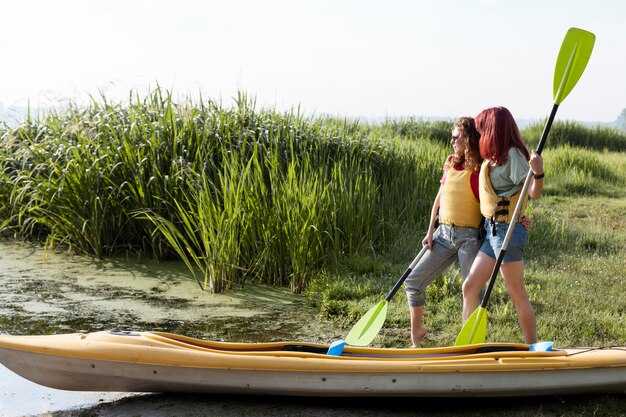
Pack a compact, reusable kit: two 1 L stainless bottles, one set of metal cutlery, silicone lids, beeswax wraps, and two cloth bags to replace disposables on board today. This cleaner, safe setup slashes health impacts, lowers plastics in the harbor, and boosts economies by reducing waste. When weekend stays stretch longer, the kit keeps basic gear handy and cuts the need to take extra disposables, especially in rochester harbor. It can become a model across the boat fleet.
Planning this kit should be practical. Bring a planning checklist with clear zones: hand-friendly storage, simple seals for spills, and a dry bag for wet gear. Choose the right type of bottle and bag for your crew; at least two bottles meet most needs. The steady arrangement minimizes taking unnecessary items, supports health on deck, and makes a cruise calmer, even in sunshine.
In harbor planning, idling engines are a major health factor. Cut waste by keeping a cleaner, safe deck; tighten loose items; wipe spills promptly. Bring basic coatings or containers that resist salt, and store them in a dry bag away from sunshine. Where salt takes hold, coatings degrade; choose durable, washable options. This disciplined approach becomes sustainable practice across every voyage.
| Item | Miért ez fontos | Megjegyzések |
|---|---|---|
| Two 1 L bottles | Hydration without disposables | Stainless steel or BPA-free plastic |
| Metal cutlery set | Eliminates plastic forks/spoons | Store in a waxed pouch |
| Beeswax wraps | Wraps foods, replaces wrap | Washable; air-dry |
| Silicone lids | Cover cups and bowls | Flat, stackable |
| Cloth bags | Carry groceries and gear | Waterproof if needed |
| Dry bag | Protects gear from moisture | 5–10 L suitable |
| Kis törölköző | Hand cleanups; spill control | Microfiber |
Keep this checklist on deck and adjust item counts by voyage length. During weekend cruises, two bottles plus two bags generally suffice; longer trips may need extra bags and a spare lid.
Prevent fuel spills: use proper fueling procedures and have spill kits handy
Always fuel with the engine off, electrics isolated, and the vessel grounded. Attach a grounding strap to a solid metal fitting and connect to the pump to dissipate static energy before opening the tank.
Choose a designated area at a dock or marina that is level, has a hard surface, and is away from sand and drains. Move the boat slowly into position, secure lines to cleats, and ensure pontoons or deck levelling sit stable while the nozzle engages the filler neck.
Use a controlled, gradual fill and avoid topping off. Leave space for expansion, and monitor the line and venting; close the nozzle if you see any drip or backflow. Keep the nozzle hand steady and your crew at a safe distance to reduce noise and distractions during the approach and shutoff.
Keep a spill kit within arm’s reach here, including absorbent socks, pads, and a disposal bag. If you bring this kit onto the fueling pad, place it downhill from the filler to catch drips and prevent runoff into coastal soil or water, while you clean up any trace on deck.
In the event of a spill, stop fueling immediately, contain with socks and pads, and blot the surface. Transfer contaminated materials to a labeled bag and dispose of them per local regulations. Containment on sand or a rocky slip reduces the chance that fuel migrates into water, preserving valuable resources and minimizing effects on wildlife and water quality.
This approach represents a valuable opportunity for owners and crews to demonstrate responsibility. It fits the shift toward safer marinas and provides a clear, practical routine that can be adopted by american city dock operations, improving starting procedures for approaching fuel stops and supporting clean operations for every voyage, whether you’re sailing, running park pontoons, or navigating coastal routes.
Log environmental observations to contribute to citizen science efforts
Start a compact log that becomes a valuable portfolio, supporting researchers and partners. Create a simple list of fields to collect, then fill it on each trip: date, time, port or GPS coordinates, sea state roughness, wind speed and direction, sunshine level, air and water temperatures, visibility, and notes about wildlife or habitat cues. Include human impacts such as litter, overboard items, anchoring on sand, idling and braking near sensitive zones. Use clear filenames and secured storage to keep entries easy to share later; this approach comes together across observers and shows how coastal conditions evolve, more than a single note.
- Data fields to record on each outing: date, time, port or coordinates, sea state roughness, wind speed/direction, sunshine level, air and water temperatures, visibility, and wildlife or habitat cues. Keep the list concise and consistent; this list supports robust comparisons and helps the portfolio grow from voyage to voyage.
- Impact and behavior notes: document anchoring on sand or seagrass, reef-safe gear usage, any overboard items, idling or braking near wildlife or habitats, and the immediate impact. This shows how operations affect ecosystems and contributes to safeguarding and responsible boating practices; it can be more valuable than anecdotal chatter when multiple observers come together.
- Evidence and records: photograph locations with time stamps; store images in the portfolio; add captions that tie visuals to data fields. Credit images with a simple label and keep raw files secured; if you use a Getty-style caption format, retain accuracy and avoid sensitive details.
- Quality and sharing: assess confidence level for each entry (high/medium/low); invite partners to review notes and harmonize terminology; share a concise summary with key findings at the end of each voyage to keep everyone aligned and engaged.
- Seasonal patterns and observations: July and summer days often bring clear water or distinct algae signals; record how sunshine, temperature, and water clarity shift across days and trips. Include contextual notes such as nearby road access, port activity, and changes in wildlife presence to help interpret data and build a richer narrative together.
- Submission workflow: deliver entries to local partners, marina coordinators, or park rangers; format data in CSV or structured notes if platforms exist; ensure data is secured and access is controlled to safeguard sensitive locations and avoid misuse.
Keep the process tight: rinse gear after saltwater handling, ensure each entry keeps a consistent tone, and maintain a degree of accuracy that strengthens the overall impact. This structured approach yields a valuable, actionable record that helps safeguarding efforts and informs community decisions.
Protect wildlife and shorelines by managing wake, trash, and wildlife interactions

Keep wakes low by idling near shore and staying in no-wake zones within 150 meters of land; this action will reduce shoreline erosion and disturbance to wildlife and nests. If you must pass a sensitive site, slow to a quick idle and minimize engine time; the approach lowers noise and stress for nearby birds and fish, while environmentally responsible choices support long-term habitats.
Secure all trash in sealed bags, carry waste in tanks or lockable bins, and tie them to rails when leaving dock so nothing spills into water. On longer getaways, bring lightweight cages for gear and keep waste in dedicated containers; use solar panels to power minimal systems and avoid unnecessary engine runs. Do not leave torn bags or loose items to drift with currents; tons of bags can quickly accumulate if care is neglected, and the impact increases with days on the water.
Keep wildlife interactions short and respectful: do not feed wildlife, maintain a distance, and avoid chasing on land or in water. If you come across sensitive species, reduce speed, switch to quiet operation, and observe with a photo from a safe distance. If wildlife come close, disengage quickly and give animals space; nearly all species are sensitive to crowds, and excessive noise can disrupt routines and push some into danger zones near docks or campsites.
Planning with crew and hosts, and sharing duties across the society, keeps home waters safer. Implement a short checklist before each trip, post site rules, and times when engines are off; maintain dockside operations, including life jacket wear and protective gear during loading. This action increases protection of wildlife and shorelines across tons of days and getaways, and offers an example others can follow within the community.