


 English (UK)
  Русский
  العربية
  日本語
日本語  한국어
한국어  Magyar
  Türkçe
  Español
  Čeština
  Svenska
  Português
  Ελληνικά
  Suomi
Suomi  Nederlands
  Română
  Italiano
  Français
  Polski
  Українська
  Deutsch
  简体中文
简体中文  Slovenčina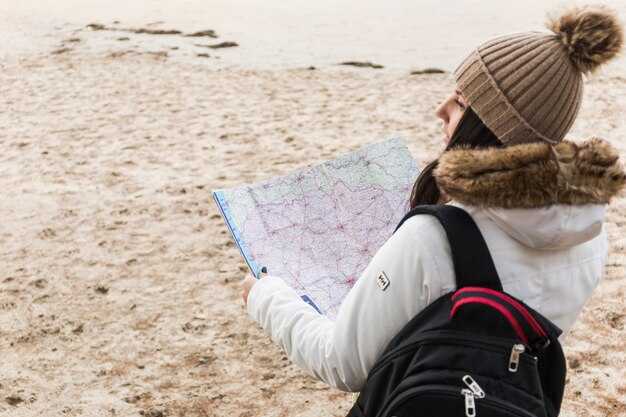

Book a guided Arctic voyage and depart from Reykjavik in late June to arrive at Dalvík or Tromsø by early July; this timing leverages long daylight and stable routes, and your booking should be secured several months ahead.
Option 1: depart Reykjavik and sail along Iceland’s north coast toward Dalvík, then push into the Vestfjords and beyond, with 5–9 days at sea and 1–2 layovers for provisioning.
Option 2: depart Tromsø and push toward Svalbard if ice conditions and weather cooperate, covering roughly 10–14 days with planned shelter stops in key ports.
Prepare provisioning carefully: in Icelandic ports you can stock fresh water and seafood; carry a compact beverage kit for warm afternoons and a dry bag for electronics. Pack a sturdy deck boot and spare socks for the damp decks, and keep a small foot of rope handy for mooring tasks. Weather varies; expect 6–14°C air and 3–10°C water, with winds frequently in the 10–25 knot range and a lively sea state after passing the islands. Layering is essential, and a compact waterproof shell keeps you comfortable on long watches.
On deck you’ll have skygazing opportunities; the borealis is rarely seen in midsummer, though forecasts can hint at a faint glow on exceptionally clear nights. In Dalvík you can meet locals and learn about the coastal culture while warming with a hot beverage during a brief harbor stop.
Locations along the route vary, and you may have seen migrating seabirds and seals along the fjords. The crew began each leg with a safety briefing, and they they rely on up-to-date forecasts to adjust course as needed. From Iceland’s shore to the Barents Sea, plan for flexible schedules and several contingency detours to stay within daylight windows and safe waters.
Arctic Circle Summer Sailing: Step-by-Step Logistics
Book six to eight months ahead to secure the best sites and dates. This is your chance to lock in Greenland leg, fjords, and coastal sites with longer daylight. Consider assembling a plan that welcomes visitors from several locations, so everyone benefits from flexible schedules. This helps you see more in one trip and your itinerary will thank you.
Choose a vessel with ice capability and a practical range. Verify hull strength, reliable propulsion, and a deck layout that handles moorings in windy fjords and calm bays. Confirm crew roles so them can assist during lines, anchoring, and tender operations, and check accommodations for all visitors.
Plan provisioning and daily timing. Build a 7–14 day menu, pack sunscreen for sun exposure even when temps stay cool, and stock warm layers for nights that can flip from sunshine to breeze. Include a small medical kit, spare parts, and a windproof radio. Include extra fuel and water for longer legs between ports, and keep a compact cancelation plan in case you need to adjust a stop for calm water.
Map the route to maximize locations and minimize risk. Start from the capital Nuuk or Reykjavik gateway, then follow a chain of fjords and sites along Greenland’s coast with sheltered anchorages. Mark optional day trips for touring in fair seas, and place backup stops where ice and wind might shift the plan. In this way, you unlock more chances to connect with wildlife and local culture.
Safety, permits, and shore etiquette. Confirm permits for each stop and coordinate with a local agent when possible. Keep EPIRB and satellite messaging active, perform a simple drill, and assign a standby lookout for changes in wind. For visitors, follow local guidelines and transport docks carefully; this protects both people and ecosystems.
Shore logistics and day touring. Allocate time for touring equal to sailing time, and use tender or dinghy to reach shore sites with careful wind assessment. On longer days, plan a sund crossing to optimize daylight, and keep a clear log of nights spent in anchorages. Track temps, sea state, and wildlife activity to adjust daily goals.
Booking, after-action, and what differs. After you confirm itineraries, book shore excursions with local operators and maintain contact with a port agent in Nuuk or another hub. Record daily results, weather, and the outcome of each plan, and review what differs from earlier forecasts to improve next summer’s logbook. This approach helps youre schedule stay smooth and flexible across a range of conditions.
Choose the right vessel and crew: size, stability, and crewing needs
Choose a 12–15 m expedition-style vessel with an ice-strengthened hull and a dedicated crew of four to six, including a captain, mate, engineer, cook, and one deckhand. This size balances seaworthiness and interior comfort, making traveling days on Arctic routes more pleasant for your group while keeping operations efficient for shore visits to isles and villages.
Size matters: a 12–15 m platform provides solid stability on white seas and enough room for a small but capable galley, a warm cabin, and safe access to a bathing area after a long day of sailing. A robust hull, reliable propulsion, and a modern stabilization system reduce motion, especially when conditions shift from east-facing passages to gusty coastlines during the August window.
Stability and system checks: require a vessel with an ice-strengthened hull, a validated stability booklet, and a dependable ballast and bilge-pump system. Verify a proven ballast arrangement and ensure the deck layout supports quick man-overboard and lifebuoy procedures. The crew should practice monthly drills, including man overboard, fire, and raft deployment, so everyone moves with confidence when days shorten or seas roughen; this planning definitely pays off in remote harbors and during long shore stays with visitors.
Crew configuration and roles: plan four to six crew for up to six visitors, with clear splits between navigation, deck operations, engineering, and galley duties. For larger groups, add a second deckhand or a bosun and consider a dedicated shore manager for daily excursions. Set two watches or a day-shift/night-shift pattern to keep fatigue in check and maintain a sharp lookout for ice, camouflage fog, and sudden weather changes. Experienced crew members should lead safety briefings and checklists before every leg, and you should appoint a single point of contact for each shore visit to prevent confusion when docking near small east coast villages or on busy isles.
Special preparations and gear: pack a complete safety kit, spare parts for the engine and hydraulics, and a robust communications system. Prepare two immersion suits per guest, plus a light, quick-drying wardrobe and sunscreen for UV exposure on bright days; a solar-ready charging system keeps radios, GPS, and satellite devices alive during multi-day passages. If you plan bathing opportunities on deck, ensure a secure ladder, non-slip surfaces, and warm water for rinsing. Those arrangements help visitors feel safe and comfortable during extended days at sea, making your expedition more pleasant from first light to sunset.
Activity planning and equipment notes: include shore-time options that align with August daylight and wildlife viewing. Have a flexible itinerary that accommodates weather windows, short hikes, and optional activities like light skiing on patches of snow where high ground remains, always prioritizing safety and crew readiness. Maintain a simple provisioning system that covers 8–10 days of travel between villages and isles, with a buffer for unplanned delays. The source of weather patterns and ice risk updates (источник) should be checked daily to adjust plans quickly, and keep visitors informed about expected travel days, wind directions, and seas.
| Vessel size (m) | Stability and hull | Crew on board | Key roles | Notes |
|---|---|---|---|---|
| 12–15 | Ice-strengthened hull; solid stability booklet; ballast ok | 4–6 (Captain, Mate, Engineer, Cook, Deckhand) | Captain, Mate, Engineer, Cook, Deckhand | Best balance for Arctic summer routes; suited for up to 6 visitors |
| 16–20 | Higher righting moment; robust systems; longer endurance | 6–8 (adds a second deckhand or bosun) | Captain, Mate, Engineer, Cook, Deckhands | More payload; plan provisioning and shore visits with tighter crew |
Route planning for optimal daylight, currents, and sheltered passages
Choose a daylight-optimized leg by hugging sheltered channels and east-facing shores to catch morning light; this will help travelers find quite calm waters, opportunities for wildlife observations, and attractions at each stop.
Plot currents and river plumes along the route; rivers feeding into bays create visible pockets of calmer water for safer entry into quiet coves and looks at shorelines as the day warms.
Build a daylight map with anchor points aligned to entire daylight windows; mark 2–3 sheltered harbors near towns for food, rest, and equipment checks; watching the sun arc across the sky helps everyone plan timings and stay on track, perhaps with a short detour if weather shifts.
Identify sheltered passages: fjords, river mouths, and calm channels along the east coast; they reduce wind chop, increase privacy for skygazing and bathing breaks, and offer green scenery and attractions for a flock of travelers to enjoy.
Plan resupply and shore time: clipper-era style ports provide easy food and fuel, with shore visits for outdoor cooking, bathing, and shoreline walks; each traveler can sample local attractions while teammates set watch duties, and everyone helps.
Assign roles to themselves and each participant; everyone maintains a visible lookout for ice, shifting winds, and traffic, while a small flock of crewmates coordinates mooring and deck safety during long daylight legs.
Rely on reliable charts, current tables, and real-time weather alerts; set alerts for 24 hours and 6 hours before changes in wind or ice; perhaps add a detour if a known attraction shows up, improving opportunities for sightseeing without delaying the fleet.
Safety gear, training, and emergency procedures you must practice
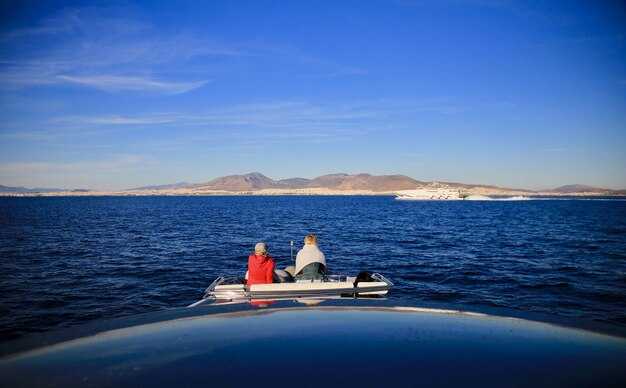
Equip every crew member with a properly fitted PFD, an insulated immersion suit, and a reliable whistle in a waterproof pocket before you depart. Keep a waterproof bag with a buoyant throw line, a harness and tether, and a spare set of gloves within easy reach. Have a life raft or liferaft with current inspection stickers, plus a handheld VHF, a satellite messenger if you sail beyond line-of-sight, and a radar reflector for visibility. Include pink distress flares and a signaling mirror; test them in port and rotate stock to avoid failures. Carry fresh batteries and a small solar charger to keep radio and GPS alive. Ensure gear is regularly checked with a buddy system; the entire crew should know where every item lives and how to deploy it. The safest practice is a pre-departure gear check every morning of the leg.
Training starts with a practical safety course led by experienced instructors. The course should cover man-overboard recovery, fire control, and abandoning ship, plus first aid at sea and radio procedures. Practice MOB with a partner and a throw bag; run drills at least once per early leg. Include clear radio calls on VHF channels 16 and 9, and simulate an emergency message. Both crew and skipper participate; experienced sailors would lead and coach newer members. Include a simple medical plan, with seasickness precautions and a plan for injuries from spray or slips. After drills, review sail trim and engine handling, so driving decisions stay smooth in rough seas.
Emergency procedures must be stated in a concise plan for the entire boat. Assign roles: who deploys the liferaft, who manages lines, who steers if the primary wheel fails. Practice heaving-to for squalls and near shoals, and practice safe anchoring near peninsulas. Maintain high-visibility signaling with whistle, mirror, and radio calls; keep a portable GPS and a paper chart as backups. In Arctic waters, stay alert for ice, sea ice movement, and eruptions near volcanic regions that can alter routes quickly. Monitor weather updates from a trusted source and have a plan to alter course to the safest option. In the eastern fringe of the North Atlantic, conditions can flip in a heartbeat; have a contingency for renting a small support craft if needed. If you experience engine trouble, know how to call for rescue in the hemisphere and set a plan to reach the nearest harbor. Keep your entire crew informed and ready to adapt. Be aware of waterfall spray that can saturate decks when you pass near glacial features.
On routes near popular whale-watching grounds, plan to observe responsibly; Húsavík is a popular base for whale experiences and should be included in permit checks. Track whale movements and keep distance rules to avoid disturbing wildlife. A calm approach is ideal when approaching wildlife and you should adjust speed to minimize water disturbance. Use a regular watch schedule and shift your lookouts across both port and open water to spot hazards early. If conditions shift, choose a sheltered route along the eastern coast or toward peninsulas with well-marked harbors; the entire crew should know when to shorten sail or drop anchor. By preparing with high-level safety gear, you reduce risk and keep the voyage enjoyable for everyone on board.
Clothing, provisioning, and cold-water preparedness for summer seas
Start with a versatile three-layer system: a fast-drying base layer, a mid-layer fleece, and a waterproof outer shell with taped seams. This setup keeps you warm and allows free movement on a vessel during an atlantic crossing or a guided expedition in greenland waters. Bring several colorful pieces that mix with the rest of your kit, and assign them to the parts you actually use on deck. Even when spray cools the deck, layering helps you stay comfortable.
Footwear should blend grip and warmth: waterproof mid-height boots with insulated liners, spare socks, and deck-friendly booties for wet surfaces. Include a warm beanie, a breathable neck gaiter, and insulated gloves suitable for dexterity. For icelandic winds and rock spray, select a drysuit or 4/3 wetsuit with booties and a windproof shell. Round out the look with colors inspired by icelandic landscapes to stay visible on yachts or during trekking along rock faces.
Provisioning centers on shelf-stable meals, protein bars, nuts, dried fruit, and a beverage plan for long days. Carry two liters of water per person per day and a compact water filter. If you sail with guided crew, align meals with the ship’s schedule; for expedition missions, bring spare stove fuel and a compact kettle. In the atlantic zone, stash spare parts like o-rings and tape for quick maintenance. Possibly add a small toolkit for quick fixes.
Cold-water preparedness features a drysuit or thick wetsuit with booties, gloves, and a hood. Practice safe deck movements, rehearse a quick man-overboard drill, and keep a PFD within reach at all times. Inspect hatch seals and bilge pumps daily to stay dry and stable when spray or waves lift you.
Logistics simplify with a clear plan for everyone. If you plan to use carlin16 for booking a guided expedition, confirm equipment lists with the operator and align bag weights with the vessel’s limits. Pair up with a buddy to check gear and remind them to bring the right items. Share a packing list in advance so everyone knows what to bring, and aim for a setup that keeps the load manageable. If you refresh your kit again for different weather windows, you improve safety and the experience on a summer route near greenland or icelandic shores.
Wildlife etiquette, port calls, and local regulations in Iceland and Greenland

Always book guided shore excursions through licensed operators when visiting wildlife sites in Iceland and Greenland. This ensures you learn local rules and reduces disturbance to fragile habitats.
Wildlife etiquette
- Maintain a buffer: 100 m from whales, 50 m from seals, and avoid nesting birds; never feed or touch wildlife.
- Move slowly and keep engines quiet; let animals choose distance, not your vessel.
- Avoid drones, loud music, or flash photography near colonies; use a zoom lens and shoot from a safe distance.
- Pack out all trash and dispose of waste properly to keep shoreline sites clean.
- Respect haul-out areas for seals and seabird colonies; stay on designated viewpoints and avoid restricted zones.
- Some sites require permits for landings–book with gosport-certified guides when possible and confirm included activities before you depart.
- When near krafla or other volcanic terrain, stay on marked paths to protect fragile ground; pink alpenglow can appear on cliffs, so observe from safe, stable spots.
- Photograph wildlife from the bow or rail, not from close approaches; never block travel lanes or force animals to relocate.
Port calls and local regulations
- Iceland ports: Reykjavik, Akureyri, Ísafjörður, Seyðisfjörður, Höfn, and Stykkishólmur are popular for cruise itineraries. Check your ship’s depart times and join a licensed excursion to access nearby sites, including waterfalls and peninsulas like Snæfellsnes. For longer outings, book a guided day that blends shoreline viewing with a visit to a nearby waterfall or volcanic area.
- Greenland ports: Nuuk, Ilulissat, and Qaqortoq are common. In Nuuk, follow municipal rules for landings; in Ilulissat, respect Disko Bay wildlife guidelines and stay within designated zones. Some areas are sund passages where currents run strong–only venture with a licensed operator. Confirm gear inclusion (kayaks, zodiac rides) before you depart and stay with the group.
Practical planning tips
- Times and spend: verify port call times and allocate a 2–3 hour buffer for weather changes or crowding; this helps you catch multiple nearby sites without rushing.
- Nearby sites and longer options: consider longer tours that cover a coastal shoreline, a peninsula drive, and a short waterfall stop to maximize your time near the Atlantic edge.
- Water-based options: if seas are calm, a short zodiac ride offers a closer look at wildlife; many operators include a brief water excursion in the package.
- Booking and gear: choose operators with clear safety records; ask what gear is included (rain gear, life jackets, binoculars) and whether pink accents aid in locating vessels in busy harbors.
- Shore approach and sites included: plan visits to popular and less-visited sites alike; separate your activities to avoid crowding sensitive habitats and to spend time on the best viewpoints.
- Avoid unplanned detours: stick to official routes and follow local signage; responsible travel keeps entire ecosystems healthier for longer.