


 English (UK)
  Русский
  العربية
  日本語
日本語  한국어
한국어  Magyar
  Türkçe
  Español
  Čeština
  Svenska
  Português
  Ελληνικά
  Suomi
Suomi  Nederlands
  Română
  Italiano
  Français
  Polski
  Українська
  Deutsch
  简体中文
简体中文  Slovenčina

Put on a properly fitted life jacket and attach the safety lanyard before you approach the water’s edge. After you confirm gear and fuel, run a quick check of the handlebar and throttle, then start with a shallow, coastal cruise at idle to establish balance and control.
Stand with knees flexed, feet shoulder-width apart, and your weight firmly centered over the watercraft; grip the handlebar firmly with thumbs around and elbows relaxed. Maintain a standing posture as you practice coasting at low speed, scanning for other operators and waves along the shoreline. A balanced stance helps you maintain control.
Engage in courses led by qualified operators to learn braking, turning, and throttle discipline. After each session, focus on added precision in your movements and stay within options that match your skill level. Avoid jumping or abrupt maneuvers until you feel balance and control.
Keep sessions brief and progressive: becoming proficient requires multiple repeats on different models of watercraft to feel how weight and trim respond. Check for damage after every outing, and note any added resistance or steering drift to guide your next practice.
In coastal conditions, maintain a steady cruise pace and avoid dangerous shifts in weight; stay standing or seated as trained, maintain a generous distance from other vessels, and watch salt spray. If youre not sure about condition changes, reassess and, if needed, return to shore to continue practicing in controlled areas.
Sea-Doo Personal Watercraft: Beginner’s Guide
Start with a quick safety check: inspect the hull for damage, verify fuel level, and test the startstop switch to ensure reliable power on and off. Position yourself for a stable stance and identify a clear exit path on the shore, away from traffic.
Wear a well-fitted life jacket, add neoprene gloves, and choosing a wetsuit or neoprene jacket for warmth. Wearing jackets helps floatation and keeps gear in place.
Basics of handling: sit upright, place feet in the foot wells, knees slightly bent, and hands on the handlebars. Hold firmly and keep head up, eyes forward, to scan the surroundings when you begin. When turning, shift weight smoothly to maintain balance.
Awareness and navigation: be aware of surroundings, other crafts, swimmers, and water skis. Navigation decisions should consider where to turn and how to maintain a proper distance from docks and shorelines. When approaching others, slow down and give space.
Best practices and confidence: there are ways to practice at a steady pace in calm water to build confidence. Example drills include straight-line runs, controlled turns, and smooth deceleration. Additionally, focus on intelligent body positioning–shift your weight when you lean, keep your chest open, and avoid sudden moves.
Careful timing and gear checks: when you accelerate, set a comfortable throttle grip with hands; the driver is the person steering. Ensure you wear gloves and keep your feet in contact with the hull. Inspect the safety lanyard connection and verify that the drain plug is secured.
Care and maintenance: rinse after use with fresh water, dry thoroughly, and store away from direct sun. For protection, keep neoprene gear handy, along with spare jackets. Use great habits like inspecting before each session and monitoring wear to extend durability, and you’ll feel a great sense of control.
Pre-ride safety gear and pre-checks
Put on a USCG-approved life jacket and attach the lanyard to your wrist before ignition. The following checks ensure basic safety and better handling today.
Dress for the marine environment with a fitted neoprene layer, gloves, and water shoes to protect skin and improve grip on the handlebar. If the water is cold, add a full wetsuit and booties. This equipment helps you stay comfortable during a glide and docking maneuvers.
Before starting, perform a brief systems check: engine oil level, fuel level, battery charge, and that all warning lights clear. Confirm the steering and throttle systems respond smoothly. Secure safety gear and test the lanyard by pulling it to simulate a fall; the engine should shut off promptly. These steps really support performance and line control during turning and coasting.
Make a communication plan with a passenger or buddy: agree on hand signals for turning, speed, and stopping. Inspect the deck for objects in the water: fishing lines, plastic, or other debris. Travel at a cautious, coasting pace in a marina environment; keep clear of docks and other vessels. Many marinas require extra attention near docking areas. The following cueing helps you feel confident when approaching a docking area, and be ready to slow down after a turn.
Rentals often come with a basic safety briefing; insist on a brief session and a low-throttle, supervised test run today. Ensure the rental is in good mechanical condition and that the staff records the pre-ride checks. Start in shallow water near a marina, build familiarity with the handling and line, then progress to open water once you feel the craft’s performance and confidence grow. This approach minimizes risk and helps you accelerate your skill progression.
| Item | Purpose | How to verify |
|---|---|---|
| Life jacket (PFD) | Buoyancy and visibility | Snug fit, zipper closed, fasten the strap |
| Lanyard / Kill switch | Engine cut-off on fall | Attach to wrist; pull gently to confirm engine stops |
| Neoprene gloves | Grip and warmth | Check seams; ensure dexterity |
| Neoprene suit / layer | Thermal protection; abrasion resistance | Fit snug; no loose sleeves |
| Water shoes | Foot protection and traction | Non-slip sole; secure around ankle |
| Helmet (optional) | Head protection | Proper size; secure strap |
| Eye protection | Glare reduction | Goggles or sunglasses that stay in place |
| Communication device | Weather updates & hazard alerts | Waterproof case; battery tested |
| Fuel level | Range planning | Keep above 1/4 tank for first run |
| Oil level | Engine protection | Dipstick in range |
| Hull & drain plug | Water intake prevention | Plug in place; no cracks |
| Throttle & steering | Response check | Idle, squeeze throttle, turn handlebars; return to center |
| Warning lights & gauges | Early fault detection | Ignition on; confirm all alarms clear |
Mounting, starting, and warm-up procedures
Provide a reliable start by donning a wetsuit and jackets, attaching the kill-switch lanyard to your wrist, and leaving space around you. Run a quick checks of fuel, battery, and lanyard integrity to prevent surprises after leaving the shore.
From the left side, mount by placing the leading foot on the anti-slip step, then swing the other leg over while keeping a light grip on the handle. Stand tall, lean slightly into the craft to balance, and settle into the seat with hips centered to reduce wobble in the first moves.
Connect the lanyard to the kill switch and confirm gear is in neutral with throttle closed. If the system requires, engage the ignition or press the start button; if nothing happens, shut down and recheck connections before attempting to move.
Warm up with slow, controlled moves in a calm area: steering inputs, turning, and stopping at low speed; keep your face forward and eyes on the path, and ease into throttle rather than a sudden grab. Taking a brief pause between maneuvers helps you stay centered, especially when many craft are nearby.
Before movement begins, perform checks: ensure wearing jackets, space is clear, lanyard is connected, and indicators show normal idle. Briefly test the idle so you can ease into forward motion without jerking the controls.
Legal guidance matters: in Florida, many operators should complete approved courses and carry PFDs; follow posted limits and local regulations. If possible, plan a short tour to explore nearby channels while daylight and favorable conditions stay in your favor.
If any shift in balance occurs, shut off with the remote and coast to a stop; regain your footing, check gear and surroundings, then continue when you feel comfortable. Jumping or lifting the bow during warm-up is discouraged, and keeping to a marked space in a boat-ed zone helps maintain safety.
When you are ready to proceed, run a final check and depart slowly, staying within the lines of sight and legal limits. Remember that you could rely on consistent practice to build easy control over steering, gear selection, and throttle, forming a solid base for future tasks in tours and Florida waterways.
Throttle control, smooth acceleration, and steering basics
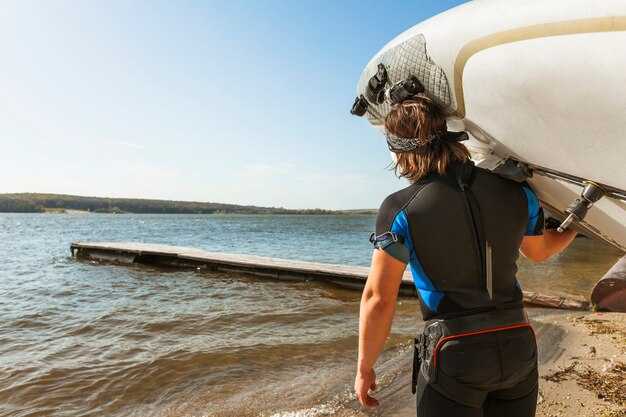
Begin with careful throttle control: move from idle to 10–15% for 2 seconds, then settle into a smooth glide. This minimizes adrenaline spikes and helps the driver stay on a steady flow today. If you forget this step, reset by returning to idle and starting again with both hands on the grips.
Engage the throttle with both hands, keep wrists straight, and use small inputs in 5–10% increments until you reach 25–30% throttle. Hold briefly, then relax to maintain a clean planing lift. This approach yields predictable acceleration and reduces the chance of abrupt dives or surges.
Position your body for balance: stand with knees bent, feet on the board near the deck cleats, hips squared to the front. Lean your upper body into the turn rather than twisting the wrists; steer with your whole torso to avoid over-steering. Calm wrists and a steady gaze help you watch the wake and maintain control while you glide.
Safety and awareness: keep the engine within its comfortable RPM range and watch for swimmers, skiers, and other craft. Maintain a safe flow, leave ample space for down or slower vessels, and never power past in crowded zones. Remember: your hands on the grips and a centered position matter for predictable moves.
Agency guidelines and rentals: when using a model from a rental or an older unit, added instructions from owners should be followed. Ask questions during orientation, verify mounting procedure, and confirm the throttle response before venturing far. This builds memories you can rely on and helps you explore with confidence, whether on calm water or choppier days.
Practical tips: keep a steady mounting stance, avoid sudden downdrafts on throttle, and plan routes before going out. If you feel uncertain, come back to a shallow area to re-check your position and practice turning maneuvers. During times of wind or crowding, adjust your speed slowly. By starting today with deliberate, careful steps, you’ll improve both control and comfort on every outing with your waverunner.
Stopping safely: distance, technique, and planning
Plan stopping distance before each ride: slow passages require 40–60 meters, moderate speeds 60–120 meters, fast passages 120–200 meters. Adjust these figures for waves, wakes, and nearby traffic. Choose a clear, legal area to halt and, without panic, stay on a straight course while watching for swimmers and other craft. citeturn0search0
- Distance plan by conditions
- Slow or calm sections: target 40–60 m; use engine braking with gradual throttle reduction.
- Moderate speeds: target 60–120 m; increase attention to local right‑of‑way rules and other riders.
- Fast passages: target 120–200 m; anticipate larger waves and potential obstacles; extend space accordingly.
- Technique for deceleration and control
- Ease the throttle smoothly, avoid abrupt shuts; engine braking helps maintain stability through the handlebar and core alignment.
- Keep feet shoulder‑width apart, knees bent, and body centered; look ahead toward the intended stop point, not down at the water.
- Steer gradually to a straight line, minimize sudden turns, and preserve a clear path to the right to respect zones and other riders.
- Maintain a firm grip on the handlebar, connect hips to torso, and use weight transfer to manage larger waves without losing balance.
- Final stop and post‑stop actions
- Aim for idle speed, then cut the engine and attach the lanyard; secure the craft in a safe area away from traffic.
- Scan for riders or swimmers as you finish; if someone approaches, drift to a wider gap rather than blocking a lane.
- Check surroundings again, re‑evaluate your distance to others, and plan the next segment of the ride based on current limits.
Checks and planning for reliability: license status and local rules; complete safety courses; modern practices emphasize these steps as standard. Before departure, verify the lanyard, kill switch operation, fuel level, and engine readiness; confirm that waves are within your comfort range and that you can stop within the planned distance. Multiple riders nearby require extra caution to avoid losing control or creating collisions; always ride with space to maneuver.
- License and courses: ensure your documentation is current and that you’ve learned stopping discipline in local zones.
- Equipment and checks: lanyard connected; engine and handlebar controls respond smoothly; checks completed without rushing.
- Questions to answer while preparing: Are waves larger than expected? Is traffic spacing sufficient? Whether the route provides safe escape options if conditions worsen?
- Strategy and planning: connect with fellow riders when possible; respect the limits of your experience; know when to slow down or change course.
- These steps help maintain control and reduce risk in waters with other users and changing conditions.
- citeturn0search0
Turns, wakes, and speed management in varying water conditions
Direct recommendation: Plateau entry speed, choose a clean, angled line for the turn, engage the outside handle with steady pressure, and increase throttle gradually to sustain planing. In mixed conditions, head up and eyes forward to think ahead about wave sets and line options.
In heavy wakes, hopping can unsettle the craft; keep the vessel flat and apply small, controlled adjustments. When you meet a wave crest, slow the pace before entering, then accelerate through the trough to preserve stability. Rinse spray off the neoprene and gear after the session to prevent chafing and water absorption.
To execute a turn in chop or oncoming waves, shift weight toward the inside leg, lean the torso into the arc, and engage the throttle smoothly to preserve traction. both hands stay on the bars with a light grip; let the devices display RPM and speed so you know when to increase or reduce power. Slow increments prevent a bog or lift-off at the crest of a wave.
In glassy water, speed can grow sooner, but stay mindful of visibility; in rough water, extend the arc and watch for obstructions. Think ahead about exits and escapes if control is compromised; choose lines that avoid colliding with vessels or submerged hazards. Also, wear guard-approved neoprene protection and a PFD to protect the body and joints; being cautious reduces risk compared with hasty maneuvers.
Gradual acceleration is a key technique; increase speed in small increments rather than surging. Watch the wake pattern ahead and adjust your path to stay out of tight eddies. In states of wind and tide, shorten the turn radius to retain control, leaving more margin for error.
The best approach includes avoiding dangerous conditions; refrain from operating if you suspect impairment related to drugs, and always perform a quick rinse after use. The adventures on the water hinge on being prepared, staying aware, and watching for others. Careful attention to handling helps you protect equipment and riders alike; use practice again and again to sharpen skills.