


 English (UK)
  Русский
  العربية
  日本語
日本語  한국어
한국어  Magyar
  Türkçe
  Español
  Čeština
  Svenska
  Português
  Ελληνικά
  Suomi
Suomi  Nederlands
  Română
  Italiano
  Français
  Polski
  Українська
  Deutsch
  简体中文
简体中文  Slovenčina

Write a written float plan today and share it with guardians and the operator before you head on-water.
Your plan should cover the on-water route, the estimated return time, and contact methods for contacting the crew if plans shift. Include the boat name and operator, a line of reference points such as a tower or shoreline markers, and, if available, coordinates. If you can, add a demos section to illustrate how the plan works in practice so guardians can see what to expect.
Before departure, contact guardians by call or text to confirm receipt of the plan, and ensure you have a backup contact. Save the plan in a written file above the console and also keep a copy on your device. Define what to do if contact is lost, and set a check-in cadence so your crew knows when to expect updates back from you.
During the trip, keep a portable power source, maintain radio contact with the operator, and be ready to adjust the plan if conditions worsen; update guardians with a quick status, a brief message, or a short call at milestone times. Maintain a clear timeline above the plan to show progress along the route, and if possible share photos or status updates at key points on-water.
Practical Float Plan Setup for Safer Boating
File a float plan before departure that specifies where you head, your intended line of travel, ETA, and planned check-ins; creating a clear, shareable document helps guardians and authorities stay aligned and reduces risk.
Assign guardians among crew or trusted contacts who monitor milestones, confirm arrivals, and trigger alerts if you drift off schedule; their prompt actions build trust and keep operations smooth.
Stock tools for real-time updates: a VHF radio, a satellite messenger, a chart plotter, and a spare battery with sufficient charge; test channels, set the course, and save the plan for quick reference, with sound alerts for missed check-ins.
Document contingencies for certain weather, currents, and daylight; include alternate routes and a line for filing with the coast guard or port authorities; list where to submit the plan and when to update it to keep operations transparent.
For activities like fishing or skiing, log specifics in the plan, including fishing zones and where skiers may cross; indicate what to expect from responders, show expected message times, and how to notify nearby boats if plans change; include a numbercolor marker to help responders identify you on charts.
Set a practical communications schedule: check-in every two hours, or more often in rough seas; specify radio channels and emergency codes, and ensure you can receive a quick reply; keep a copy with guardians and in the cabin, and follow uscg guidance for training or templates to support safe operations.
| Element | Details | Owner | Notes |
|---|---|---|---|
| Route & ETA | Coast-to-offshore path; waypoints A→B→C; ETA targets; check-in windows | Captain | Maintain daylight limits |
| Communications | VHF 16, 69; satellite messenger; message templates | Bridge | Test pre-departure |
| Safety Gear | Life jackets, throwable, flares, radios | Crew | Battery checks |
| Filing & Records | Float plan filed with authorities; copy kept aboard and with guardians | Captain | Include numbercolor codes |
| Contingencies | Weather shifts, currents, alternate routes | Operations | Update if conditions change |
Define Trip Details: Route, ETA, and Weather Window
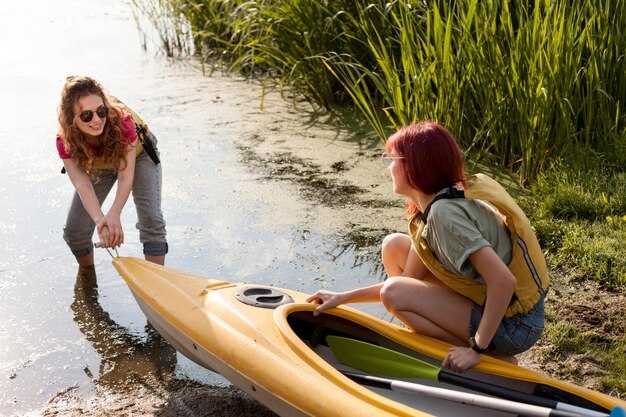
Draft a written route and ETA now, save it as a template, and keep it within reach onboard. The plan should describe departure, next waypoint, pace, and a target arrival window so the crew can review at a glance and give feedback.
Plot the route along the coast from your marina to the next marina or to a trusted fishing spot, marking each leg with coordinates, distance (in nautical miles), and expected time. Use a visible line on the chart to connect points and describe the features of each segment, described here, including terrain, current, and potential hazards close to shore.
Set the weather window as a practical range you can rely on: forecast wind under 20 knots, seas under 2 meters, and visibility at least 3 miles. Prefer a window that covers the next watch, with a buffer to handle small changes in wind or swell. Check trusted sources and write down the forecast time, then compare it with your ETA at each waypoint to confirm the setting.
Build in sufficient margin for safety: add a priority fallback leg if conditions shift, and assign crew tasks so they can respond quickly. Give them clear responsibilities onboard, such as monitoring weather, managing lines, and keeping gear ready. If the forecast isnt favorable, you have a backup on deck and in the engine room, and you can hold position near a safe harbor until conditions improve. This approach reduces worry and keeps operations smooth and controlled. This level of planning also enhances the experience aboard.
Document and store the plan in your setting as a written record, for example in the ship’s log and on the onboard tablet. The template should be described with the next steps and the gear required, so the crew has a trusted reference. Share it with them before departure to avoid miscommunication and to speed decisions when speed changes or visibility drops.
After departure, maintain the same practice: review the route and ETA at the coast, confirm the float plan with all hands, and update the template as conditions change. Revisit the plan during the voyage and close the loop when you reach the next waypoint, using the written record to guide decisions and to hold the vessel on a safe heading. This document is the float plan, commonly called a float plan.
Record Vessel and Crew Info: Registration, Licenses, and Safety Gear
First, hold a single, up-to-date log that records registration numbers, license IDs, and safety gear checks, and keep it in a dry pocket near the helm for quick reference before every trip.
Record details: vessel name, hull ID, registration number, issuing authority, issue date, and expiration. Keep both a paper copy and a digital scan saved in a cloud location you trusted. This found reference saves time if you ever need to respond to questions from coast guard or harbor staff.
Licenses: ensure each operator holds a current certificate appropriate to the vessel, with expiry date clearly listed. Create a roster that includes each member name, role, license type, license number, and contact method. If someone didnt have a license for their role, assign a different task or return to shore. Keep these records on board and in the cloud for safety.
Safety gear: every person onboard wears a U.S. Coast Guard–approved life jacket; ensure sufficient life jackets for all passengers and that they fit properly. Keep a throwable flotation device within reach, a whistle or sound device, and a fire extinguisher that is inspected and not past its expiry. Have a first-aid kit, reliable communication devices, a GPS or handheld radio, and spare batteries. Carry a cell phone in a dry pouch as backup to the radio. Keep space free from clutter so you can grab gear quickly.
Checklist before leaving: verify registration numbers match vessel name; confirm licenses are valid; inspect safety gear: PFDs in good condition, throw bag accessible, fire extinguisher within date, signal devices current, VHF radio ready, backup light and battery, and a spare fuse. The point is to have everything visible and portable, and save a quick list of emergency contacts on the device and in the log.
When boating near the coast, especially around fishing boats and kayakers, reduce speed, keep a safe distance, and make planned passes with signaling. Use your VHF or a cell-based communication to confirm intentions. If a nearby vessel or person needs help, respond with a clear action and log the event. Keep the crew member responsible for communications informed and ready to advise course corrections.
Love for boating grows when you prepare and protect everyone on board. Review the record before each trip, update after maintenance or crew changes, and store copies in a cloud that you can access from shore. This habit saves time and helps you stay safe on every outing.
List Emergency Contacts and Reporting Points
Print a standard template of emergency contacts and keep it with your float plan; review and update it every few days of planning.
List authorities and reporting points clearly, including check-in schedules and the location where you report a problem.
For each contact include name, role, daytime and after-hours numbers, their vessel or company, and a cell or satellite device you can use to reach them.
Assign a person on board as the lead for reporting; store their direct contact and a backup contact so you can reach someone during operations.
Keep the information on at least two formats: a printed copy and a digital copy on your devices; both should stay accessible during drift or wind conditions.
Include reporting points along the route and times; the expected check-in windows help responders track progress amidst shifting conditions.
Record the gear and devices on board that you may need for self-rescue or signaling, and note their locations, so a responder can reach the right person quickly.
Verify the numbers regularly, and test your plan with a dry run; wrong numbers or outdated contacts waste time and risk safety.
Keep a live log of updates, including days since the last change and any new authorities or reporting points you add; that keeps everyone aligned.
Store источник for each contact and note where the information came from for check-in from a remote location.
Set Navigation and Communication Protocols: VHF/DSC, Positions, and Signaling
Should set a master VHF/DSC plan now and train everyone on it. Everyone should know the primary channel for routine calls, the DSC sequence, and the voice procedure for emergencies. Keep a laminated sheet at the nav station with the vessel name, MMSI, channel list, and clear man-overboard steps. Use devices designed for redundancy: a fixed VHF, a handheld VHF, and an epirb tucked in the grab bag. Within minutes of departure, verify the crew on watch can switch to the emergency channel, and run a quick drill when you arrive at a marina or sail with friends nearby so help can locate the vessel fast. This should include certain weather checks, traffic awareness, and emergency contact details.
Positions and signaling rely on GPS/DSC broadcasts. Record the position as Lat/Long or grid, include the time, and transmit via DSC when possible. The master should ensure the log shows which person on the crew is on watch, which channel is in use, and which device is used to locate the vessel. Share position reports at regular intervals (every 5-10 minutes underway; more often in rough seas) and mark any deviation in course or speed. If a distress signal is sent, ensure the devices deliver the alert to all nearby vessels and to the coastguard via DSC, epirb if VHF fails, and a visual signal if visibility allows.
Signaling practices emphasize clarity. Use visual cues such as flag signals or lights to supplement radio calls, especially in busy gulf lanes or crowded marinas. When close to another sail or neighbor boat, confirm understanding with a brief radio exchange and acknowledge the response with a visual confirmation. If you lose contact, repeat the call on a different channel, and consider an audible alert to the crew. Whether you sail solo or with a crew, a concise, repeatable signaling routine keeps everyone aligned and reduces delays.
Final checks after planning: name, callsign, and MMSI on every screen, ensure the epirb is within reach and tested, and verify that all devices are charged. The plan should cover who calls, who logs, and who looks out for hazards. In gulf crossings or long coastal legs, make sure the master and crew members know when to arrive at the next waypoint or port. Keep a quick-reference sign near the helm and a spare unit in the bag. This proactive setup lets friends, neighbors, and crew stay informed, improves response time, and keeps safety plans free from gaps.
Share, File, and Update Your Plan: Where to Submit and How to Amend
Submit your float plan to the USCG portal before departure, and share copies with your onshore contact so everyone stays aligned. If available, also file with your state boating authority. Use the same channel to amend, cancel, or add details amidst fishing, sailing, and boating. When plans are settled, send the final message to everyone involved to confirm the route and expectations.
- Where to submit
- Submit via the USCG portal; also copy your state boating authority and the marina or sailing club you use.
- Provide a copy to an onshore contact who can respond quickly if authorities request updates.
- Maintain access for everyone listed in the plan so responses can come promptly.
- What to include
- Include: vessel name, call sign, size (length and beam), hull color (blue if applicable), and engine details (make, model, horsepower).
- Planned route: origin, destination, following waypoints, and estimated times of arrival at key points.
- Passenger count and roles aboard (captain, navigator, lookout, crew, and any guests).
- Safety gear and equipment: life jackets, VHF, flares, EPIRB, fire extinguisher, first-aid kit.
- Planned activities: fishing, sail maneuvers, towing, or demos of man-overboard procedures.
- Landmarks to locate: tower, beacon, or shoreline features; note any found or alternative reference points.
- Contingencies: weather, currents, harbor congestion, and any insurance or marine-coverage considerations.
- Ready status: confirm everyone is briefed, gear secured, and passengers ready for departure.
- Insurance details: policy holder, policy number, and coverage scope for the planned area.
- Consider factors: onboard weather, tides, traffic, and potential delays to inform rescheduling.
- Include a note for responders: the final plan, onboard contact, and expected arrival times.
- Then ensure there’s a plan to locate the boat if it drifts or changes course unexpectedly; theres always a backup.
- How to amend
- Update promptly whenever there’s a change to route, ETA, crew, or destination.
- Submit amendments through the same channel you used to file the plan; include “amendment” in the message and reference the original plan when possible.
- If something changes, theres urgency to update the file and notify your onshore contact and authorities.
- If the plan is canceled or you’ll be delayed, send a final message to close the file and avoid confusion for responders.
- Request a receipt or confirmation of the update and keep it handy to respond to inquiries from USCG, insurance, or your onshore contact.
Keep everyone ready to respond quickly, and ensure your crew understands the latest changes. By following these steps, you’ll maintain peace of mind for boating gear, passengers, and insurers alike, and everyone will know how to locate the latest version of your plan during calm seas or amidst a busy blue-water day.