


 Français
  English (UK)
  Русский
  العربية
  日本語
日本語  한국어
한국어  Magyar
  Türkçe
  Español
  Čeština
  Svenska
  Português
  Ελληνικά
  Suomi
Suomi  Nederlands
  Română
  Italiano
  Polski
  Українська
  Deutsch
  简体中文
简体中文  Slovenčina
  Yacht Brokers and Dealers – A Comprehensive Guide">

Recommendation: Confirmer l'intégralité du stock et établir une ligne de livraison fixe avant d'organiser des visites aux acheteurs. Cela clarifie les attentes et réduit les allers-retours sur le prix ou les délais de livraison.
Choisissez une société de courtage réputée, spécialisée dans les transferts d'actifs de valeur. Mettez en place une salle de données robuste qui comprend l'historique de construction du navire, les inspections de coque, les journaux de bord du moteur, les registres de maintenance et les enregistrements portuaires. Un dossier solide garantit la transparence pour les clients et accélère le processus de décision.
Lorsqu'un acheteur potentiel demande des détails, fournissez une réponse précise étayée par des documents. Planifiez les visites lorsque le navire est propre, alimenté et prêt à l'emploi. essai en mer. Les informations que vous fournissez doivent couvrir les indicateurs de performance, la consommation de carburant, l'autonomie, la puissance à l'arbre et le statut de classe ; par conséquent, vous pouvez négocier à partir d'une position de levier axée sur les données.
De l'annonce à la cession, cartographiez l'intégralité du flux de travail afin de minimiser les lacunes : demande initiale, visite, offre, diligence raisonnable, contrat et conclusion. Confirmez les éléments de stock inclus dans la vente, tels que les annexes, les jouets, les pièces de rechange et l'électronique ; assurez-vous que tous les documents – acte de vente, immatriculation, levée d'hypothèque et déclaration de privilège – sont prêts ; adoptez une approche coordonnée de la logistique, y compris la livraison, l'essai en mer et la mise en service des équipements installés, afin de satisfaire les clients et d'éviter les retards.
Après la vente, maintenez une communication ouverte avec les clients et votre réseau, recueillez les commentaires et mettez à jour votre gamme de produits pour les prochaines présentations. Vous devez respecter les exigences réglementaires et préserver votre réputation grâce à une documentation transparente, des mises à jour rapides et une transmission fiable des informations. Cette approche aidera votre équipe à réussir grâce à des pratiques disciplinées, des données précises et une approche axée sur le client.
Pourquoi choisir un courtier maritime pour l'achat de votre prochain bateau ?
Engagez un courtier expérimenté qui vous offre un soutien dédié à chaque étape de la transaction. Là-bas, ils répondent rapidement aux questions et assurent un processus ordonné, de la demande initiale au transfert de titre.
Le marché actuel offre une vaste gamme de bateaux, des modèles d'occasion aux tout derniers modèles. Un courtier a généralement accès à plusieurs annonces, y compris des options de reprise, ce qui peut augmenter vos choix et vous faire économiser de l'argent par rapport à un achat direct.
Le forfait dont vous avez besoin peut être simplifié : le courtier organise des démonstrations et des expertises, vous guide dans la négociation et vous présente une offre équitable. Il examine chaque contrat, vérifie les garanties du fabricant et gère les flux financiers avec des prêteurs et des services de titres de confiance.
Avec un courtier, vous comparez plusieurs marques et configurations de coque, en évaluant le prix, la performance et le service après-vente. Cela vous aide à choisir la solution la plus adaptée dès aujourd'hui plutôt que plus tard, et vous pouvez compter sur lui pour gérer les détails qui, autrement, ralentiraient une transaction.
En pratique, choisir un courtier spécialisé réduit généralement les risques, fait gagner du temps et permet d'obtenir une offre plus solide que si vous agissez seul. Leur accès au marché vous permet de connaître les dernières opportunités, y compris celles-ci, et ils coordonnent les présentations, les études et les étapes de conclusion afin que vous puissiez vous concentrer sur le rendement à long terme et le plaisir.
Définissez votre budget d'achat et vos préférences

Fixez un budget maximal strict basé sur le coût total de possession ; incluez une réserve pour la maintenance, les réparations, la personnalisation ; tenez compte de l'amarrage, de l'assurance, de l'équipage, des mises à niveau de routine. Étant donné que les coûts imprévus faussent le retour sur investissement, fixez un plafond ferme. D'après les données du marché, les coûts de fonctionnement annuels varient de 8 à 15 % du prix selon la taille, l'emplacement ; le profil d'exploitation. Pour un fonctionnement toute l'année, la saisonnalité et la disponibilité de l'équipage façonnent les coûts. Si des projets de Riviera sont en jeu, les frais d'amarrage en haute saison peuvent atteindre 60k à 250k par an. Les coûts associés au transport, aux expertises, à la TVA peuvent faire varier le prix de 5 à 12 % selon la juridiction ; abordez l'évaluation dans une perspective mondiale. Assurez-vous que tous les coûts sont pleinement pris en compte.
Définir le modèle d'utilisation : propriété privée, capable d'affrètement ou exploitation mixte. Priorités typiques : forme de la coque ; vitesse ; personnalisation intérieure ; besoins en équipage ; automatisation ; assistance concessionnaire. Généralement, la longueur varie de 24 à 40 mètres ; aménagements intérieurs de cinq à huit cabines ; occupation par le propriétaire pour une personne ou un petit équipage. La dynamique mondiale de la revente est importante ; la plupart des acheteurs recherchent des hubs de la Riviera aux principaux ports côtiers ; cela façonne le bassin de sélection.
Les options de marché incluent les ventes privées, les annonces chez les concessionnaires, le marché mondial ; les cycles de vente varient selon la saison. Évaluer d’un point de vue commercial ; l’impact de l’investissement de chaque option ; l’expérience de propriété influe sur la plupart des marchés. Prendre contact avec un réseau régional de concessionnaires ; demander des inspections ; obtenir une démonstration de charte si possible ; vérifier la couverture de service dans toutes les régions afin de garantir la fiabilité pour les besoins haut de gamme. Il existe encore plus d’options via les ventes privées, les annonces de concessionnaires ou les canaux mondiaux.
Demandez des références et vérifiez les qualifications.
Exiger systématiquement des références avant tout engagement ; obtenir les coordonnées de la personne responsable, les dates du projet, les types de navires ; documenter les résultats.
Appeler chaque référent ; s'enquérir du service après-vente, de la transparence des coûts ; confirmer si les promesses ont été tenues ; noter tout schéma signalant un risque.
Vérifier les références auprès des organismes de réglementation, des instances d'enregistrement, des dossiers disciplinaires, des licences, de la couverture d'assurance et des antécédents de conformité.
Demander une liste écrite de références, incluant les dates, les montants, l'étendue ; prendre des notes sur chaque référence ; demander les noms de navires non couramment en stock afin de vérifier la portée ; noter les navires utilisés précédemment.
Contactez des personnes-ressources indépendantes à l'extérieur de l'entreprise pour gagner en crédibilité ; là, vous pouvez comparer les normes de service aux normes de l'industrie ; demandez les raisons qui sous-tendent les recommandations, car cela révèle les facteurs de risque.
Comparer les antécédents en matière de constance ; noter l'exposition limitée à certains types de navires et régions ; examiner les structures de financement ; vérifier si des mesures disciplinaires ont été prises.
Pendant les négociations, insistez sur des structures de frais transparentes ; exigez des détails sur les commissions, les dépenses, les allocations après-vente ; comparez les différences entre les candidats pour privilégier la valeur au-delà du prix. Si possible, négociez des conditions sur mesure avec le fournisseur de références.
Après signatures ; demander l’accès aux registres d’entretien ; aux journaux de maintenance ; aux garanties ; vérifier que le service après-vente a été documenté à votre satisfaction. Ceci assure que le processus a été rigoureux.
Dans votre processus, une compréhension claire de la capacité financière permet de prévenir les risques ; exigez une preuve de fonds ou des engagements de financement, le cas échéant ; cela protège votre investissement.
Prenez le contrôle en stockant toutes les réponses dans un fichier personnel ; construisez un enregistrement personnalisé ; créez un calendrier structuré ; explorez une décision finale qui correspond à vos objectifs d’investissement.
Comparer les frais et services des courtiers
Start with a professional Base de référence : quantifiez le coût total jusqu'à la conclusion, et pas seulement le taux annoncé ; saisissez la provision initiale (le cas échéant) ; le niveau de commission ; le forfait marketing ; les frais de clôture ; une clarté des prix qui évite les surprises, vous permettant de comparer rapidement les options.
Les modèles de tarification varient selon le type de navire ; généralement, une commission unique couvre l'ensemble du cycle de vente ; certains marchés autorisent un partage entre le vendeur et l'acheteur ; les sociétés de courtage agréées proposent des offres de services fixes ; ce cadre favorise principalement la transparence ; selon vos préférences, vous pouvez opter pour un forfait d'inscription à distance ; un marketing complet sur site ; les réseaux de constructeurs italiens peuvent offrir une exposition prioritaire ; comprendre ces options vous aide à choisir le bon partenaire ; Ce cadre peut aider à atteindre les objectifs des constructeurs.
Knowledgeable les membres de l'équipe répondent rapidement aux questions techniques ; professional Le marketing assure la portée ; en aidant les acheteurs et les vendeurs à comprendre les compromis ; l'établissement de la confiance garantit que les décisions correspondent aux préférences ; les accréditations autorisées vérifient la conformité ; tandis que l'étendue du portefeuille élargit l'exposition dans les régions clés.
Pour comparer efficacement, tenez compte de l'étendue des services ; des délais de réponse ; du support post-clôture ; des atténuations des risques ; mesurez la visibilité des prix ; suivez les mesures : délai de clôture ; demandes qualifiées ; taux de réussite ; satisfaction client ; ceci sert principalement à sélectionner un partenaire qui correspond aux préférences de votre constructeur dans de nombreuses régions.
Exigences relatives aux essais en mer et aux inspections
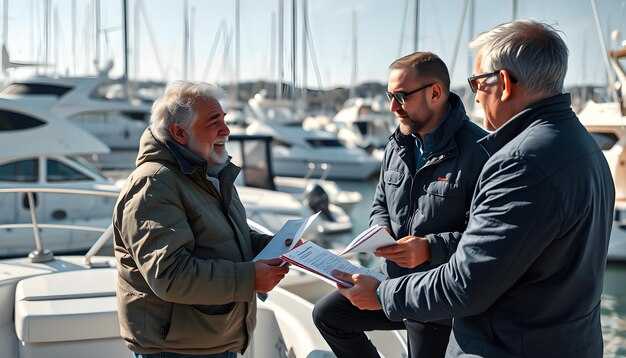
Commencer par un essai en mer de 2 à 4 heures ; ajouter une inspection complète de la coque, du système de propulsion et des systèmes électriques par un expert maritime réputé avant tout engagement. Ce plan permettra d’obtenir des données vérifiables sur la réponse de l’accélérateur, la sensation de direction, les vibrations, les températures du moteur et la consommation de carburant.
La documentation doit couvrir les résultats des essais de charge, les courbes de stabilité, le fonctionnement de la pompe de cale, l'équipement de navigation, la signalisation de détresse, le statut de classification ; vous disposerez d'une base solide pour les décisions de courtage. Cet ensemble de données nécessite une interprétation rigoureuse.
Pour les inscriptions de pavillon italien, la conformité de la classification suit les codes maritimes établis ; assurez-vous que les rapports d'expertise comprennent les mesures d'épaisseur de la coque, l'évaluation de la corrosion, l'état de l'hélice, les notes sur les équipements neufs.
Les essais routiers couvrent la réponse de l'accélérateur, la vitesse maximale, le rendement énergétique, la douceur du ralenti, les niveaux de vibration.
En cas de problème, prendre immédiatement des notes pour une action ultérieure ; ces notes servent à éclairer les décisions de courtage.
Actions post-procès : extraire les données marketing du rapport ; comparer ces données aux références du secteur ; évaluer l'impact sur la tarification future des opportunités de location, et ainsi améliorer la tarification.
Finalisation du transfert de propriété et de l'enregistrement
Déposez dès maintenant les documents de transfert auprès du registre et obtenez le nouveau certificat de propriété. Cette étape contribue à minimiser les risques et les retards. Préparez un dossier concis : acte de vente, immatriculation actuelle, preuve d’identité, justificatif de domicile et toute mainlevée d’hypothèque. S’il existe une hypothèque, coordonnez-vous avec le prêteur pour obtenir une mainlevée de privilège avant l’approbation.
- Avant tout, engagez un courtier compétent pour superviser le processus, en vous assurant que chaque document est complet et que les signatures sont en règle.
- Négociez avec le registraire et les autorités compétentes pour confirmer l'admissibilité, les structures de frais et les délais de transfert.
- Faites avancer le calendrier en vous alignant sur les créneaux disponibles pour les inspections, les expertises et les sessions d'enregistrement.
- Assurer une communication claire et continue avec le vendeur, l'acheteur, l'assureur et le concessionnaire ou le réseau de service agréé afin de prévenir les retards.
- Coordonnez-vous avec le fabricant ou le concessionnaire agréé pour obtenir les lettres de transfert de garantie, l'historique d'entretien et la documentation de l'équipement.
- Verify vessel identification, including hull number, manufacturer statements, and class records; confirm the registration matches the current operator and brand records.
- Proceed with the registration application in the appropriate flag state, including any required survey, safety equipment checks, and tonnage or load calculations.
- Present the final documents to the registry for issuance of a new certificate of registration and, if applicable, updated license numbers or radio certificates.
- Update insurance coverage to reflect the new owner, ensuring policies cover the vessel from the date of transfer and that the insurer receives proof of sale and registration.
- Record the transfer with any lenders, associations, or registries to ensure the future owner can operate without gaps.
- Note that appointment availability can be limited; plan ahead and collect all needed information to avoid back-and-forth.
- Anticipate less availability for appointments during peak season; secure slots early.
- Even if discrepancies arise, resolve them during the negotiation to prevent longer delays at the registry.
- Be prepared for many service centers to verify equipment and history to maintain a clean record.
- Include the sell price in the bill of sale to satisfy tax and registry requirements.
- Focus on accuracy of titles and registrations; comply with industry standards throughout the process.
- Ensure this transfer supports future operations and a smooth handover to the new operator.
- Maintain a complete history with brand-specific documentation to ease future transactions.
After completion, present the new ownership details to the operator network and arrange a final handover, including training on operation and maintenance where needed. A precise transfer minimizes risk, reduces downtime, and supports ongoing compliance with industry standards.