


 Français
  English (UK)
  Русский
  العربية
  日本語
日本語  한국어
한국어  Magyar
  Türkçe
  Español
  Čeština
  Svenska
  Português
  Ελληνικά
  Suomi
Suomi  Nederlands
  Română
  Italiano
  Polski
  Українська
  Deutsch
  简体中文
简体中文  Slovenčina
  Where to Sail in Croatia – The Best Places to Sail and Visit">

Begin in primošten with a private boat and a practical loop to korcula and back along the Dalmatian coast. You’ll rent from a friendly marina, skip long airport checks, and wake to sunrise over calm water. dont worry about a huge crew: a couple of sailors can handle it, or you can hire a skipper for days you want extra ease. This start sets a steady pace, with sheltered harbors for quick resets after each afternoon on deck. Moor at calm ports.
From primošten you can choose a route that fits your mood, staying between the mainland and islands. If dramatic coastlines appeal, head north to Šibenik and the Kornati–an archipelago of islets where calm bays give you space to anchor. In these ports you refuel, chat with local skippers, and plan your next move. A quick stop at a market lets you stock up olive oil, bread, and fruit for a scenic sail that afternoon, because locals share stories about wind and waves.
Heading south, the tempo shifts toward Split, Brač, Hvar, and finally korcula. Split’s market buzzing and waterfront vibe draw crews to stroll the Riva after a day on deck. From there, you can hop to Brač’s coves or Vis’s clear inlets, then press along to korcula’s fortress walls and a calm digest of dark-blue water.
On the route you find beaches that reward a midday swim and reefs perfect for a lazy snorkel. The coast offers clubs et buzzing harbors where sailors trade tips about wind windows and mooring spots. The old town in korcula provides a quick stroll through stone streets, and primošten’s vineyards add a touch of terroir to your meals.
Whether you prefer quiet anchorages or lively harbors, this loop suits first-timers and seasoned skippers alike. The left side of the archipelago hides sheltered bays near small fishing villages, while the opposite coast offers more nightlife and that unmistakable feeling on board.
2–4 Day Mljet Sailing Itinerary: From Dubrovnik or Korčula to the National Park
Book a readycharter yacht in Dubrovnik or Korčula and set sail toward Mljet’s National Park. Youre first glimpse should be Veliko Jezero and Malo Jezero, where the habitat stays pristine and the trails wind through quiet pine forests. On the way, seek out Venetian buildings in Korčula town and plan a lunch at a seafront restaurant to taste fresh catches. This route pairs sailing, beaches, and ancient spots with market-bought provisions and the flexibility charters offer, keeping crowds at bay and your schedule ready for spontaneous stops.
| Day | Route & Anchor | Highlights & Spots | Food & Optional Activities |
|---|---|---|---|
| Jour 1 | From Dubrovnik or Korčula to Polače or Pomena on Mljet | Drop anchor near Mljet National Park entrances; hike first along the Veliko Jezero trails; explore the Polače ancient ruins with its Roman- era building remains | Buy fresh seafood at the local market before heading out; dine at a waterfront restaurant with views of the old harbor |
| Jour 2 | Pomena to Veliko Jezero and Saplunara Beach (short hops or tender excursions) | Walk the lakeside habitat loops, swim in clear coves, and snorkel near the lakes’ inlets; naturally calm waters keep crowds minimal | Taste Mljet specialties at a beachside tavern; consider a short kayak trip to a sheltered spot for sunset |
| Troisième jour | Mljet to Korčula Town (or Lopud/Sipinje side stop for sheltered bays) | Korčula’s ancient walls and Venetian buildings glow at noon; stroll the old town lanes and explore hidden spots along the harbor | Restaurant options abound; choose a spot with marina views to pair wine with fresh fish; markets in Korčula Town stock local produce |
| Jour 4 | Return toward Dubrovnik or extend to Lopud/Sučuraj for last beaches | Couple more sheltered bays, ideal for final swims and wildlife spotting; the sailing market often has last‑minute charters ready for a flexible return | Finalize the taste tour at a seaside spot; if youre into exploration, a quick visit to a nearby cave or chapel can cap the trip |
Anchorages and Mooring Options Around Polače, Pomena, and Šipanska Luka
Begin with Polače Bay as your first anchor: azure seas, verdant shores, and a history-rich harbor that welcomes yachting visitors. An expert skipper checks depth in the outer arm (about 6–12 m) and uses a private buoy if available; otherwise drop a cautious anchor. Contact the harbor office or residents for current mooring rules; thats the quickest way to secure a buoy or safe swing. From Polače, you can explore the fortress and the stone houses, then swim in clear water before continuing your Korčula vacation. If winds shift, theres a calm nook just behind the headland where you can escape and plan the next leg over the central seas.
Anchorages around Polače
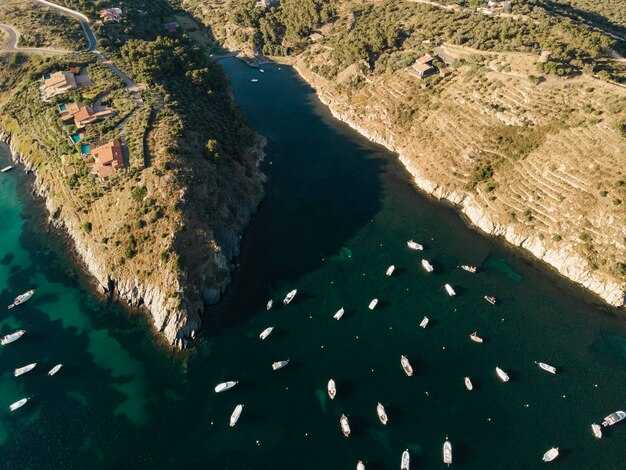
- Polače Bay outer arm: shelter from northeasters, depth 6–12 m, good holding on sand and mud; stay well clear of the ferry channel and fishing boats.
- Private buoy area near the quay: contact residents for access and seasonal fees; use it to create a comfortable night if wind picks up.
- Walk to the fort and the old houses for a taste of local habitat; the azure water invites a quick swim before returning to your yacht.
- Beyond Polače, consider a short hop to kaprije or the central Korčula coast for verdant coves and quieter corners.
Pomena and Šipanska Luka: moorings and practical tips
- Pomena Bay (Mljet): sheltered from prevailing westerlies, with moorings managed by local operators; depths typically 5–9 m; follow park rules if entering Mljet National Park zones.
- Anchor option near Pomena if moorings are full; keep clear of protected zones and environmental guidelines; use swim time to explore nearby lakes and shore paths.
- Šipanska Luka (Šipan): protected harbor with a few moorings and a small quay; check access and fees with residents, then choose a calm spot behind a small islet for steadier trim.
- Plan a climb to the hill village for views of central Korčula Channel and the verdant coastline, then return to the boat for a relaxed evening.
Mljet National Park by Boat: Access, Buoys, Fees, and Day Plans
Rent a local boat from Polače with a skipper and use the park’s designated buoys for entry–this is the simplest, most flexible way to enjoy Mljet NP from the coast and along the coastline. Mljet NP sits at the heart of the Adriatic coast, so a quick start from the harbor keeps your days relaxed and filled with long views.
Access, Buoys, and Fees
Access routes start at Polače or Pomena, the closest ports on Mljet’s north shore. Sail across the channel from Korčula and approach Mljet via the park’s buoy zones, which protect the shore and guide boats to safe moorings. Buoys cluster near Polače, Pomena, and Saplunara, offering safe mooring while you visit Veliko Jezero, Malo Jezero, or the monastery island. For skippers, verify qualifications and carry your vessel documents; many operators provide licensed captains to handle park permits. Fees cover Mljet NP entry per person and buoy usage; rates vary by season and vessel size, so check the official park site or contact your charter operator for current prices. Direct contact with the park office ensures you have the latest buoy availability and any seasonal restrictions; use it for the most accurate information.
Boat options range from Sunsail long-range yachts to smaller motorboats, each with different access to port towns and picturesque bays. If you have a local contact like Kate from a nearby town, you’ll get tailored routes to maximize time on the water and capture stunning views of the coastline and marble quays along the channel.
Day Plans and Practical Tips
Option A offers an ultimate, coast-focused day along Mljet’s coastline: depart early from Polače, ride the channel toward Pomena, visit Veliko Jezero by boat, and return with plenty of time to savor sunset views from a quiet cove. Bring enough water and snacks, and plan a vine-tuned lunch on deck to pair with sea views. This option provides enough time for swimming and shore visits without rushing the park gates, and it remains comfortable even with larger yachts.
Option B expands to nearby destinations like Korčula and the Kornati area if you have several days: sail along Mljet’s southern coast, cross the channel to Korčula town for a stop, then loop back through other port towns, sampling local wine and seafood. Different stops offer varied scenery–from the island’s wine-scented hills to rocky marble shorelines–so you can tailor your route to weather and energy. For shorter days, anchor near Saplunara, enjoy a beach stroll, and revisit the park’s west side for a final look at the coast before returning to your port. The plan offers enough flexibility to switch stops based on wind and seas, and it keeps your sailing experience comfortable for yachts and long-range boats alike. Always keep contact with your operator, check weather, and have a backup plan for other destinations along the coast.
Nearby Day-Trip Highlights: Lopud, Šipan, and Korčula Town
Begin with the morning ferry to Lopud, then stroll the azure shoreline along pine-framed streets and stone houses; you’re greeted by a relaxed heartbeat as the island wakes. Grab a quick coffee by the port and watch the boats drift in, then decide whether to add hvar to the itinerary for longer days that provide a handful of options, from a private harbor lunch to a sunset sail toward brač and other ports.
Lopud: Morning calm and coastal stroll
On Lopud, the car-free lanes let you breathe marine air and move at a gentle rhythm. Follow the coastline to the sandy stretch near Šunj Beach, then loop back through pine groves to a harbor restaurant for fresh fish on a stone terrace. If you want something quieter, trace a loop toward polače and return before the crowds arrive. The whole walk offers the highest viewpoints along the coast, with clean air and a sense of local knowledge that makes you feel truly immersed. In the evening, a street performer may share a quick hula-hoop routine by the quay, something playful that adds character to your day.
Šipan and Korčula Town: Hillside charm and harbor flavors
Šipan rewards you with higher viewpoints where the highest panorama spills over azure water to the pine-and-stone coastline. Take a private boat for a short hop to Korčula Town, whose winding streets feel unesco-inspired with stone walls and a lively harbor scene. In Korčula Town, stroll the alleys, pop into a restaurant for seafood, and listen to the marine breeze as you watch boats return to the port. If you’re sure you want more, consider a sunset sail back toward brač–the ultimate finish to a day on this coast, something you’ll love.
Practical On-Water Logistics: Fuel, Water, Waste, Weather Checks, and Safety Gear
Recommendation: fill the fuel tank and stock enough water before leaving the port, then refill at reliable harbors along Dalmatia. For korčula and other island hops, plan early departures to maximize days of visiting places and strolling along white-washed towns, naturally avoiding busy routes. Fuel stops will be needed soon on longer hops between small, farming islands. Also plan culinary stops ashore to sample local specialties.
Fuel, Water, and Waste Management
Fuel planning: calculate needed motor hours between port calls, with a reserve for long hops; for most charter boats around 10–12 m, consumption runs roughly 6–12 L per hour at cruising speed; plan at least 40–70 L of reserve for longer day crossings. For charters with a specialty in coastal cruising, rely on the skipper to optimize fuel stops, waste handling, and weather checks. Refill at the largest ports along the coast, which include Split, Zadar, and the port near korčula, as reliable options. Carry extra fuel only if you operate in areas with few services; also keep spill kits and proper containers tucked in a ventilated space on deck. Water planning: target 5–8 L per person per day; for a crew of four on a five-day itinerary, reserve 100–160 L, plus 20–40 L for cooking and coffee, enough for long days on the sun. Waste handling: use the holding tank and pump-out at official stations; never discharge into natural water. After docking at a port with pumping facilities, empty the holding tank and manage waste responsibly; taking care to minimize odors on board and along shorelines. For first-time charters, make a simple plan to purge waste only at dotted pump-out points–especially in smaller, farming islands that lack facilities.
Weather Checks and Safety Gear
Weather routine: check forecasts twice daily–early morning and late afternoon–for winds, waves, and calm sea state along the coastline. Use official Croatian meteorology services and local harbor reports; if winds exceed 20–25 knots, adjust plans and consider shelter in a large port such as the largest marina in Split or Zadar, or head to a protected island like Vis or korčula’s bays. On the water, face the expected direction of travel and watch for sudden squalls; keep your plan flexible and ready to change course to visiting a preferred island. Safety gear: wear life jackets for everyone; keep a throwable buoy, a horn or whistle, and a bell on deck during maneuvers and docking. Have a VHF radio on channel 16, a sturdy first aid kit, a fire extinguisher, flares, a spare anchor, and spare lines; ensure the bilge pump works and spare fuses are on hand. For natural harbors and long crossings, carry extra fenders and lines so you can secure close to shorelines or in small ports that line coastlines dotted with white rocks.