


 Français
  English (UK)
  Русский
  العربية
  日本語
日本語  한국어
한국어  Magyar
  Türkçe
  Español
  Čeština
  Svenska
  Português
  Ελληνικά
  Suomi
Suomi  Nederlands
  Română
  Italiano
  Polski
  Українська
  Deutsch
  简体中文
简体中文  Slovenčina
  When Does a Yacht Become a Ship? Classifications and Definitions">

Start with a practical rule: when a vessel is built for multi-month voyages with paid crew and the capacity to move goods beyond private use, it is called a ship; otherwise, it remains a yacht.
Most discussions rely on tangible metrics. Look at dimensions and length overall (LOA). If a boat exceeds about 78 feet (24 meters) LOA, many models classify it as a ship, though site-specific rules and flag regulations vary. A little private cruising within a coastal site often remains legally and practically yacht-sized.
Classification models differ: some rely on term-based distinctions, others use gross tonnage or displacement as triggers. The choice of framework which matters for insurance, crewing, and registry.
Whether you plan coastal cruising or long voyages, the choice of label affects operations on-water, maintenance, and licensing. Some regulators treat vessels over certain lengths as ships; others focus on mission and flag requirements.
To decide clearly, follow these steps: measure dimensions (LOA, beam, draft), note the years of planned use, and list the goods you intend to carry if any. Check your site’s registry rules, then align start dates, insurance, and crewing with the chosen category.
For most luxury vessels, the line between yacht and ship matters for who sails, where you travel, and how you enjoy the voyage. This matter touches insurance, regulations, and the way you approach cruising on-water days across years of ownership.
Practical Criteria for Distinguishing Yacht and Ship in Real-World Scenarios
Recommendation: classify a vessel as a yacht when it is used primarily for private leisure and comfort, with no cargo and no income from commercial operations; if cargo, military purposes, or commercial revenue appears, it becomes a ship.
The matter hinges on use, not just name. Depending on flag rules, registration, and how the owner presents the asset in sale or public category materials, the formal category can shift, but the practical distinction remains in activities at sea and on voyages.
Key indicators to know quickly: primary purpose, cargo/operations, crew intensity, and income model. Crew size and seafarers presence signal intent; a private vessel with a small crew stays yacht-like, while formal cargo handling or military tasks push toward ship status. Although the name on papers matters, activities at sea matter more for classification.
In the gigayacht segment, owners often use the term for ultra-luxury private craft, yet real-world operations still determine whether regulatory regime and compliance align with yacht or ship rules. Years of practice show that the line shifts mainly when private use gives way to charter, sale, or service delivery that generates income. Carl and other observers will note that many seafarers keep strict distinctions, even as leisure vessels mimic cruiser-scale functionality; the practical difference remains based on purposes, cargo capacity, and how the vessel operates day-to-day, not just on publicity or name.
| Criterion | Yacht characteristics | Ship characteristics |
|---|---|---|
| Primary purpose | Private leisure, comfort-focused operations | Commercial transport, cargo handling, or military purposes |
| Cargo and operations | Minimal cargo; non-commercial missions | Significant cargo capacity; formal commercial or military operations |
| Income model | Owner-funded; income not derived from routine services | Revenue from transport, services, or government contracts |
| Crew and seafarers | Small crew; limited seafaring staff | Dedicated crews; multiple departments and formal manning |
| Registration name/category | Often private or yacht category; may use gigayacht for emphasis | Ship category; registered as merchant/cargo or military asset |
| Size and performance | Wide range; can be very large but owner-driven | Typically substantial tonnage with broader regulatory scope |
| Regulatory definition | Use-based definition; flag rules apply | Regulatory framework tied to shipping law and registries |
Definitions and Regulatory Scope: What designations trigger yacht or ship under common maritime laws
Recommendation: Use the definition rooted in use, ownership, and on-water activity as the primary trigger. If the vessel is designed and used for private pleasure, owned by individuals, and primarily serves recreational cruising, then classify as a yacht. Sometimes foreign flags or classification societies apply the same hull to a ship when it supports a commercial model, transports passengers, or goods for hire.
Regulatory scope turns on terminology and category, not style alone. The same floating craft may be treated differently by flag state rules, port state control, and the rules of classification societies. In practice, the trigger includes the vessel’s size, its primary function, and the business context in which it operates; such factors determine whether it falls under yacht or ship regulation, and which safety, crewing, or inspection regimes apply.
Terminology matters because it affects registration, taxation, and insurance. The same hull can be a yacht in private ownership and a ship when chartered commercially. For the yachtbuyer, the decision hinges on how the boat will be used down the line; if the plan is to enjoy private cruising then the yachtbuyer should pursue pleasure-boat status, while if the operation will include carrying guests or bulk goods, the ship designation will drive compliance requirements. This nuance matters across jurisdictions, where height, length, and tonnage thresholds varies by category and flag.
Practical steps: review related regulations with your broker or attorney, confirm whether the vessel is intended for on-water private use or commercial service, and verify whether it would be counted as a small yacht or a larger ship for purposes of registration and safety rules. If you aim to stay within the yacht category, align construction and fittings with leisure use; when owners plan for motor operations or carrying guests or cargo, prepare for ship-class obligations.
Understanding the terminology and the regulatory scope helps making informed decisions and ensures compliance across jurisdictions, which reduces risk and improves ownership confidence for the yachtbuyer seeking a floating asset that aligns with their goals. Such clarity also guides due diligence on structural design, hull sizes, and operational constraints, and helps determine which rules apply on-water, and whether the vessel sits in the yacht or ship category during registration and operation.
Size, Tonnage, and Displacement Benchmarks: How measurements influence classification
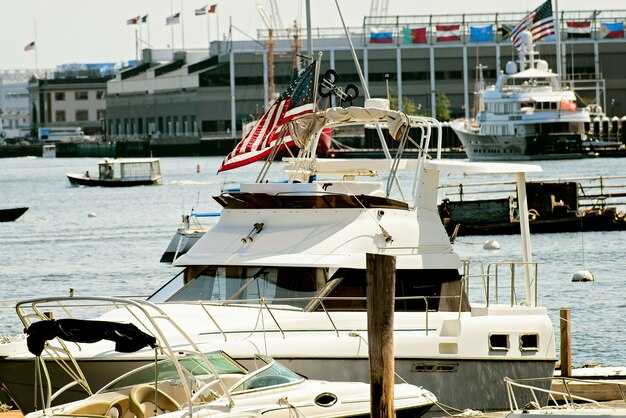
Know that the practical starting point for classification is length overall (LOA). Around 24 meters LOA serves as a clear threshold between smaller watercraft and larger yachts. Use LOA as your primary measure of size, then add tonnage and displacement to refine the label. This approach is becoming a standard in many markets, helping buyers, editors, and ports plan dockage, crew, and insurance with confidence. The thing to remember is that a single dimension rarely tells the full story, but LOA gives a solid foundation for the definition of a vessel’s class.
Beyond LOA, measurement systems like gross tonnage (GT) and displacement drive classification in port rules and documentation. GT is a volume-based index reflecting internal space, while displacement equals the vessel’s full-load weight. For a given dimensions, GT varies with hull form, interior layout, and purpose–fishing, goods transport, military, or luxury watercraft. Displacement also varies with loading and hull design. A full-displacement hull tends to weigh more than a lighter, planing hull, even at the same length. A photo with hemingways helps illustrate how size cues can mislead if you focus only on appearance; while editors and brokers compare vessels, the definition et terminology matter in united markets. Buyers and editors enjoy clearer metrics that guide financing, berthing, and insurance.
To classify reliably, follow practical steps: record LOA, beam, draft, and displacement at full load; check the vessel’s GT with the flag state or classification society; The full hull weight is displacement, and it matters when comparing to tax, insurance, and port regimes; compare with typical market tiers: under 40 meters generally remains a yacht, 40–60 meters marks large yachts, and 60 meters plus leans toward megayacht or superyacht. Superyachts generally begin at around 24–30 meters, though the threshold varies by region and market; more space, crew, and amenities push the label to bigger ranges. Generally, terminology varies by editor and region, with some markets calling substantial craft ships for commercial use, especially in military contexts or near islands.
In practice, the line is a function of several figures, not a single number. The definition and how size relates to cargo or passengers shapes port access and insurance. For on-water operations near islands or in busy harbors, height and draft limit docking options; plan for full-scale berthing, crew, and support; bigger hulls demand more fuel, storage, and maintenance down to the ramp. The thing to track is LOA, GT, and displacement, because they influence editor decisions, buyer expectations, and the suitability of a vessel for venues that host goods shipments or guests. Becoming familiar with these benchmarks helps you know what to expect when you compare different boats while you enjoy the process of choosing the right fit. These benchmarks have practical implications for editors, owners, and insurers alike.
Registration, Flag State, and Documentation Implications for Owners
Register with the flag state before any on-water operation and keep the registry current. Verify the vessel length and LOA are correctly recorded, then secure the certificate of registry, ownership proof, and, if required, a mortgage or lien release. For sale or private use, prepare a bill of sale, registry forms, and a clear proof of payment to avoid delays.
Flag state choice shapes compliance, taxes, and duties. Megayachts and larger craft often benefit from a flag state with streamlined service, while military vessels cannot be registered for civilian use. For powerboats intended for private enjoyment or commercial purposes, ensure the flag state allows the intended purposes and does not impose prohibitive requirements.
Documentation must cover the definition of the vessel and its ownership chain. Keep a complete set: certificate of registry, official number, Hull Identification Number or IMO number, proof of ownership, insurance, radio license, and safety certifications. Many authorities referred to as the источник provide requirements, and the editor may rely on this standard when compiling checklists.
Length thresholds determine registration complexity. Instruments such as load lines, ISM/ISPS compliance, and survey cycles may kick in at larger lengths. A vessel designed for private pleasure differs from one used for commercial sale or charter, yet the basic registry concept remains the same.
Transfer and sale require a clean title and updated documents. When ownership changes, notify the flag state, deliver new proof of sale, and release any liens. Delays can create on-water penalties and insurance gaps, so coordinate with the broker and the authorities.
Access to the flag state’s online portal speeds up processing. Upload scanned documents, track status, and download certificates once issued. This checklist aims for hemingways clarity for the editor and the owner, minimizing back-and-forth and mistakes.
On-board documentation: store a small, durable container with the essential papers, including the registry, insurance, and emergency contact numbers. Keep copies off-board in a secure location. For on-water use, have digital backups and a printed set for inspections.
источник: national maritime authority guidelines and practice notes form the basis for the rules you follow, and they are often cited when owners seek streamlined access to records and faster clearance during sale or transfer.
Operational Use and Crew Requirements: Do charter, commercial use, or passenger capacity shift the label
Label the vessel as a commercial passenger vessel when you charter or carry paying guests; keep the private yacht label for strictly non-commercial operations. This distinction affects regulation, safety, and insurance more than polish or pedigree.
From a practical standpoint, the label follows use. A craft used solely by its owner and a small, dedicated crew remains a yacht; when you host charter guests or offer services, regulators treat it as a ship or passenger vessel, with corresponding requirements.
Across the century of maritime design, the boundary between yacht and ship shifts with operation. Here’s how to assess and plan:
- Regulatory trigger: passenger capacity exceeding 12 triggers passenger ship status under SOLAS guidelines in many regions; charter fleets typically convert to commercial certification and formal operating procedures.
- Crew and certification: commercial use demands a licensed master, licensed mate, engineer, and safety officers; crew rosters follow flag-state rules and ISM/ISPS codes; drills and records become routine.
- Safety and equipment: commercial vessels require lifeboats or liferafts, life-saving appliances, radio, and appropriate manning; larger yachts add medical facilities and enhanced security measures.
- Registration and flagging: a charter or passenger-focused operation usually registers as a commercial vessel under the flag of the country; private yachts stay under recreational registration unless an amendment is filed.
- Insurance and liability: commercial use increases exposure; yachtbuyers should secure coverage for passenger operations, crew injuries, and third-party liabilities, with added terms for island itineraries and offshore services.
- Design and operation: ships certified for commercial use emphasize redundancy and maintenance regimes; powerboats designed for speed may not meet the same standards when used in passenger operations.
- Definitions and terminology: terms vary by market; some refer to a large leisure craft as a yacht regardless of use, while others reserve yacht for privately owned vessels with dedicated services.
Practical guidance for owners and yachtbuyers: plan around intended services. If you cater to guests on islands or coastal routes, prepare a formal operations manual, appoint a capable master, and align crew certifications with the flag regulations. If you intend occasional charters without commercial services, keep the yacht label by limiting passenger numbers and maintaining a private-use operation.
Size, length, and design influence the label. A craft with substantial length or size that carries a passenger load exceeding thresholds will move toward a ship category, triggering more stringent safety and crew requirements. Even among superyachts, commercial use shifts the label and affects crew, insurance, and regulatory compliance. This is why many worlds of specialized yachting distinguish between private yachts and commercial passengercraft; the terminology matters for regulators, insurers, and lenders.
For yachtbuyers, clarity matters. Consider services you plan to offer, from fishing trips to luxury charters, and map routes, crew needs, and insurance accordingly. A vessel currently designed for private use can be adapted for charter with the right permits, but that path should be reflected in the classification, terminology, and order of operations so you cater to clients confidently and safely.
Luxury Interiors vs Functionality: How comfort features align with vessel class in practice

A practical rule: map comfort features to class, investing in adaptable quarters and modular systems that scale with vessel size. Some 19th-century cues appear in warmth of materials like wood and brass, yet function dictates layouts that adapt to cruising style. On small motorboats, prioritize durable materials and compact layouts; on megayachts, create flexible suites and multiple living areas that can reconfigure for destinations and guest counts.
- Quarters and privacy: On smaller motorboats, design compact, quiet berths with direct access to heads and efficient storage. On megayachts, deliver a true master suite with a dressing area, walk‑in closet, and a private lounge, plus separate crew corridors to keep service discreet and smooth.
- Public spaces and flow: For simpler designs, keep an open salon that can switch to dining or cinema modes with lightweight screens. For larger yachts, provide multiple lounges, a formal dining space, and an outdoor deck that can be shaded or opened depending on the route and weather.
- Systems integration and controls: Prioritize stable climate control, low-noise pumps, and intuitive panels. On motorboats, install rugged systems that crew can service quickly; on megayachts, centralize controls in a dedicated hub to streamline operations and minimize guest disruption.
- Materials and maintenance: Choose salt‑resistant fabrics, UV‑stable veneers, and durable coatings. Simpler interiors on small craft reduce upkeep, while megayachts can use luxurious finishes when paired with proper protection and routine care.
- Design strategies by class: Simpler joinery and lighter textures suit small vessels, whereas larger designs benefit from movable partitions, modular cabinetry, and tech hubs that adapt to diverse itineraries and guest counts.
- Practical references and practical choices: Refer to site catalogs and builder briefs that show how a single design can be reconfigured for varied cruise profiles and destinations. The focus lies in comfort and function working together with robust systems and crew workflows, making every voyage less about excess and more about how the space serves the voyage itself.