


 Français
  English (UK)
  Русский
  العربية
  日本語
日本語  한국어
한국어  Magyar
  Türkçe
  Español
  Čeština
  Svenska
  Português
  Ελληνικά
  Suomi
Suomi  Nederlands
  Română
  Italiano
  Polski
  Українська
  Deutsch
  简体中文
简体中文  Slovenčina
 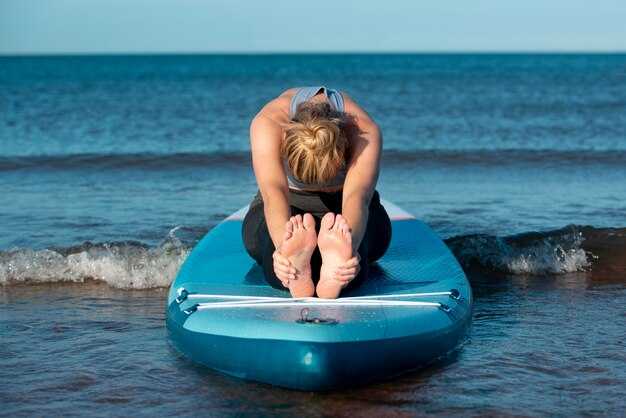 Wake Surfing for Beginners – Top Tips to Ride Confidently">

Commencez par cette recommandation concrète : portez un casque et un gilet bien ajusté, et adoptez une position basse et athlétique stance as your foundation avant de survoler les vagues. Cette configuration vous maintient équilibré lorsque le bateau vous tire vers l'avant et vous aide à vous remettre rapidement d'un déséquilibre.
Réglez la vitesse du bateau à environ 10–12 mph (16–19 km/h) et tenir le conducteur informé ; cette plage vous aide. maximiser stability et rend le sillage plus facile à surfer. Restez against le sillage à mesure qu'il arrive et déplacez légèrement votre poids vers le pied arrière pour rester centré.
Pour la meilleure technique, gardez votre foundation et stance avec un haut du corps détendu : genoux fléchis d'environ 15 à 25 degrés, poitrine relevée et regard dirigé vers l'avant. Être Le calme vous aide à réagir avec fluidité à chaque traction.
Remontez en douceur en utilisant vos hanches pour avancer sur la traînée ; cela vous maintient sur le plan et prêt pour la prochaine action. Also, gardez vos bras détendus et vos épaules à niveau pour éviter de déséquilibrer la planche.
Progression : une fois que vous vous sentez stable, essayez un exercice de base trick tel qu'une faible spin ou une simple manœuvre de surface ; soon vous gagnerez en confiance et vous irez plus loin du bateau. this La routine wakesurfer aide chaque rider à progresser avec la pratique.
Sûreté et étiquette : portez un casque et un PFD, restez à l'écart de la ligne, et signalez le driver avec un geste de la main si vous avez besoin de faire un ajustement. Veuillez maintenez la session efficace et hydratée en prenant de courtes pauses entre les séries.
Wake Surfing pour Débutants : Étapes Essentielles pour Rider en Toute Confiance
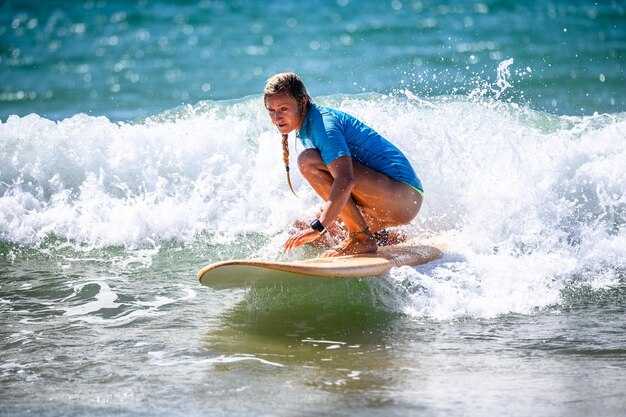
Utilisez une planche solide et adaptée aux débutants et une eau calme pour commencer ; cette configuration rend les premières sessions faciles et renforce la confiance dès aujourd'hui.
Adoptez une posture détendue et équilibrée : les hanches au-dessus de la planche, les genoux souples, les épaules au-dessus des hanches et les yeux rivés vers l'avant. Les deux pieds restent actifs, et le corps reste centré afin d'absorber les chocs sans tension.
Pendant les départs, remontez pour vous stabiliser avec votre poids réparti uniformément, puis déplacez-vous légèrement vers le pied arrière pour vous lever, en gardant la planche plate. En roulant, penchez-vous vers le bord pour initier des virages contrôlés sur l'eau calme, en accumulant de l'élan pour des sessions plus longues.
Au fur et à mesure que les compétences s'améliorent, ajoutez des astuces simples et entraînez-vous à maîtriser les bases : commencez par des lignes de carving nettes, puis essayez un varial lorsque vous vous sentez prêt ; maintenez un mouvement fluide et délibéré pour éviter un déséquilibre. Cette approche aide les nouveaux motards à acquérir confiance tout en développant le rythme et l'équilibre.
Structurez chaque session en blocs courts : des démarrages rapides, quelques répétitions, puis un petit reset sur la rive. Cette approche améliore l’accessibilité pour les apprenants d’aujourd’hui et vous aide à progresser rapidement, tout en vous maintenant dans un rythme détendu et en soutenant votre rêve de longues sessions fluides sur le lac.
Sécurité et progression : mesurez les progrès grâce à des prises d'équilibre plus longues et un meilleur contrôle des carres, puis augmentez progressivement la vitesse et la distance de saut. Les riders expérimentés peuvent aller plus loin, mais les débutants doivent rester dans des limites confortables et ne progresser que lorsque la stabilité reste solide tout au long des virages.
| Phase | Concentrer | Action |
|---|---|---|
| Se lever | Eau plate, position détendue | Pop et tenez-vous avec le poids centré ; gardez le corps relâché. |
| Bases de l'équitation | Edge control | Déplacer le poids pour sculpter ; maintenir la planche plate au début. |
| Trucs | Varial basics | Pratiquez de petits mouvements répétables ; développez votre confiance. |
| Progression | Cohérence | Augmentez progressivement la durée des trajets et équilibrez les prises. |
Adapter la taille de votre planche et de votre équipement à votre poids
Commencez avec une planche de wakesurf de 5’0″–5’4″ si vous pesez entre 63,5 kg et 86,2 kg ; les riders plus légers opteront pour une planche de 4’6″–4’10″ et les riders plus lourds pour une planche de 5”6″–6’0″. L’utilisation de ces tailles offre stabilité et portance, créant ainsi des bases solides pour votre progression dans le sillage.
Fondation et caractéristiques techniques à vérifier lors du choix de votre carte :
- Longueur par poids : 4’6’–4”10" pour <120 livres, 1,42 m–1,57 m pour 120–160 livres, 1,52 m–1,63 m pour 160–190 livres, 1,63 m–1,73 m pour 190–230 livres, 1,68 m–1,83 m pour 230 livres et plus.
- Width: 18.5″–20.5″ suits most riders; if you’re heavier, 20″–21.5″ adds accessibility through greater balance.
- Volume: aim for higher buoyancy–roughly 28–38 L for lighter weights, 34–45 L for heavier weights–to keep movement centered and reduce effort getting up.
- Rocker: flatter nose and tail supports easy planing and a natural ride; avoid deep curves that slow your pop and require extra strength.
- Fin setup: start with a single center fin 4″–5″ for tracking; add side fins 3″–4″ if you want more grip, then remove them later as your balance improves.
Setup and technique to optimize for most riders:
- Stance: shoulder-width or slightly wider; toe angle 10–20 degrees outward for natural balance and easy weight transfer.
- Body alignment: stay centered on the board; a slight knee bend (about 15–22 degrees) helps with lift and control.
- Weight distribution: start with roughly 60% on the back foot to load for lift, then shift as you trim speed along the wave.
- Movement: keep smooth, deliberate body movement; let the hips lead and the shoulders follow to avoid spinning or overcorrection.
- Slack and feel: keep the upper body relaxed but avoid slack in your arms; a taut core supports balance and stability.
- Getting up: pop to stand in a single fluid motion, board flat, weight centered, eyes looking toward the wake to maintain stability and lift.
- Progression mindset: most riders start with short, controlled rides, then eventually build longer sessions and add basic tricks while preserving balance and control.
In this order, choosing size, dialing stance, setting the fin system, and refining body movement will maximize your confidence and accessibility on a wake wave. Finding the right balance from the start helps you feel the wave sooner and push your skills toward advanced tricks with a supreme sense of control.
Hip-Driven Stance: Align Hips, Shoulders, and Feet
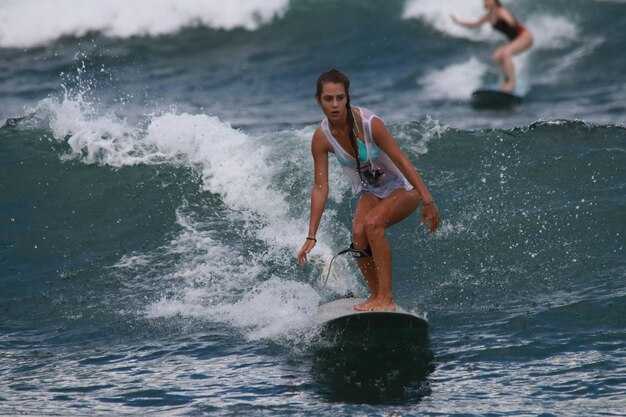
Set baseline with a hip-driven stance. For beginners, place feet shoulder-width apart and angle them about 10–15 degrees outward. Align hips square to the direction you plan to ride, and keep shoulders over hips to maintain a neutral spine. This setup improves balance, control, and accessibility on the wake.
To create movement from the hips, rotate the hips first as you edge, while keeping the chest pointing forward. Avoid letting the knees or lower back dominate the action. A clean line from hips through shoulders to feet helps your turns stay steady and predictable.
Foot placement specifics: front foot near the board’s midline, back foot toward the tail, with feet parallel or a gentle outward angle. Maintain about 50/50 weight when stationary; as balance builds, nudge weight slightly toward the back foot to help prevent the nose from rising during cuts behind the wake.
Drill cue: practice with a calm lake, follow a slow speed, and hold short. Focus on gradually increasing hip rotation to create controlled movement. Start with small habits: 15–20 degree hip rotation, hold 2–3 seconds, then release. Repeat to build consistency; some spins from the hips help you learn direction control.
Common mistakes and fixes: hips facing too far outside the board pull you off line; keep shoulders aligned with hips; if the board nose lifts, soften the back knee and shift weight slightly back; glance at a spot ahead and reset alignment whenever you feel off balance.
Progression tip: as you gain comfort, add small spinning moves to both directions and tiny trick-like cuts while maintaining the hip-driven base. Those steps build confidence and direct control behind the wave.
Pop-Up Drill: Smooth Transition from Knees to Standing
Pop up in one smooth motion: plant your front knee on the deck, push your chest forward, and bring your back foot under you until you stand tall. This quick transition keeps surfers confident and moving toward riding with control and a clean line from kneels to standing. This stance improves moves on the water.
lets,start with a tight dry-run on land: repeat the motion 8–12 times, no board, to lock the feel of the hips and spine as you pop.
When you move to the water, set up your stance by keeping weight centered and using your core. Align your hips so your torso stays perpendicular to the direction of travel, then drive upward with a quick hip thrust, guiding the front foot forward onto the board in a single sweep. If you feel unsure, dont rush the pop; reset and try again. From there you can carve the board and create forward momentum, keeping a smooth rhythm as you ride.
Wear a helmet and stay mindful of the marine environment: give people space, check the boat’s wake, and practice in calm conditions until you’re comfortable. A coach said that patience pays off. Enough room and proper gear allow you to learn without risk and help you stay in control.
With repetition you’ll build the best technique: you become more confident, your rides become long, and you’ll feel freedom as you move from kneeling to standing without hesitation on moving water. Focus on keeping the front foot active and the back foot driving the pop to keep your balance clean and fluid. Please stay patient as you keep drilling this until the transitions feel effortless.
Weight Transfer and Edge Control on the Wake
Place weight on the rear foot and keep knees soft as you approach the wake; hold the edge and ride level. Using a steady edge gives you freedom on the water and sets a reliable foundation for the series of moves ahead.
As the wake arrives, shift weight slowly toward the rail edge to establish a clean carve. Maintain a low center of gravity and keep hips quiet; this gives control and helps you maintain balance when the boat rolls you side to side.
To change direction, apply a gentle hip move and tilt the board along the rail with your chest facing the line. This lets you adjust and find a clean arc for a first turn.
Remember the foundation: balance and edge control come from steady practice with wakesurfers, not big jumps. Focus on a relaxed upper body, maintain a steady line with your core, and let the boat do the work. Advice here is to practice short edge moves on calm water, then extend the edge duration gradually to build confidence.
Fall-Safe Techniques: Safe Bailouts and Quick Re-entries
Bail toward your back and let the board slip away toward the boat, then rotate to face the wake with a level, well-relaxed spine and eyes up.
Remember to keep your legs soft and slowly bring them in, using a steady pump to rise back into position. This approach reduces impact against the water and helps you recover quicker in marine conditions.
For this wakesurfing path, regular and goofy riders both benefit from solid bailouts and fast re-entries; which stance you started with sets the direction, but the core moves stay the same: stay calm, face the boat, and use your legs to control the return.
- Safe bailout drill (begins at the start of every session): if you started in regular stance (left foot forward) or goofy stance (right foot forward), rotate your shoulders toward the water, loosen your grip, and let the board slide away while you roll onto your back. This keeps your face away from the board and prepares your hips for the next move.
- Head and body protection: tuck your chin, keep your eyes on the boat, and keep your hands up to shield your face. A calm breath and a slow exhale help you stay relaxed through the fall.
- Board clearance: allow the board to move away toward the boat so it won’t strike your legs or torso; you should feel the water against your back as you settle into a stable float.
- Quick re-entry setup: facing the boat, drop your hips a touch and place your hands on the deck, then use a small pump with your legs to lift your chest and bring your hips under you.
- Foot placement and stance: as you rise, plant the front foot on the board while the back foot slides up; keep their toes pointed toward the edge and your knees slightly bent to maintain balance.
- Stand and ride away: push through your legs, rise to a solid stance, and look toward the boat to steer away from the wake. This sequence increases stability and helps you regain rhythm quickly.
Beginner starts benefit from repeating these steps with slow, deliberate movements until they become muscle memory; remember that practiced rhythm makes your bailouts and re-entries smoother, and builds confidence in their face of unexpected falls.