


 Français
  English (UK)
  Русский
  العربية
  日本語
日本語  한국어
한국어  Magyar
  Türkçe
  Español
  Čeština
  Svenska
  Português
  Ελληνικά
  Suomi
Suomi  Nederlands
  Română
  Italiano
  Polski
  Українська
  Deutsch
  简体中文
简体中文  Slovenčina
 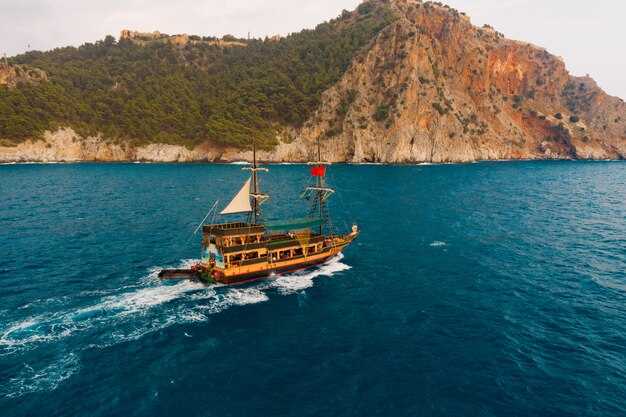 Navigation de deux jours en Turquie – Découvrez la magnifique côte turquoise">

Recommendation: book online for a private two-day charter from Gocek to the Turquoise Coast. Once you book, you’ll start at a convenient dock, advance along sheltered bays, and save time to explore tiny coves and stunning water views before sunset. Evenings on deck are serene.
Day 1 follows a northerly breeze that helps you advance along the coast, passing pine forests and rocky points toward a canyon-like inlet with sea caves. Last season, families went back here for snorkeling and lunch on deck. Anchor in a tiny bay for lunch and a swim, then return to the boat for an evening under calm skies with a breezy, predictable motion.
On day 2, cruise toward Oludeniz or Fethiye, then disembark for a short forest trail hike to a lookout above turquoise bays. If you’re curious about history, stop at a historic fort or old harbor and hear how trade routes fed the area’s rich culture.
For families, the schedule stays flexible, and the cost ranges from 600 to 1200 EUR per boat depending on season, vessel size, and inclusions. Booking online lets you compare boats, check real-time availabilities, and pick a tiny yacht for a smaller group or a larger one for bigger families. The route docks at peaceful marinas with fresh water and shaded taverns, and the orange-hued evenings light up the water. The calm coves attract photographers and sunset lovers.
Practical tips: bring reef shoes for rocky points, pack light clothing, and reserve a night in a historic harbor to enjoy local cuisine. If you didnt book ahead, you might miss the best anchorages, so secure your slot now to ensure your plan matches available boats and online reviews.
Two-Day Sailing in Turkey: Turquoise Coast Guide
Book two-day gulets trips along the turkish Turquoise Coast with provisioning and fuel confirmed, starting from Göcek or Fethiye for a smooth pace.
Route spanning sheltered coves, sea caves, and sunlit bays runs from Göcek toward Fethiye, with anchorages chosen for calm water and easy tender drops.
Meltemi breezes shape mornings, often easing by afternoon; plan a route through lee coves to avoid gusts, and be ready for partly cloudy skies or a brief rain shower.
Check regulations for marinas and licensing, and note that international trips may require additional paperwork, but domestic charters are straightforward; compare itineraries, sailing times, and daytime engine hours to maximize time on deck and in water.
Atmosphere on board blends maritime history with sea breeze; the turkish coastline is a jewel, with turquoise water and pine-scented shores, and weve found that the butterfly-like rhythm of moving from cove to cove keeps guests smiling; certain sunset spots deliver ideal lighting for photos.
Provisioning tips: visit local markets in Marmaris, Göcek, and Fethiye to sample olives, citrus, and seafood; stock enough bottled water and snacks for several hours at sea; compare suppliers to avoid overpaying and keep a reserve of fuel for the leg back, especially when meltemi picks up in the afternoon.
With a lightweight schedule, youre able to linger in shaded coves, enjoy meze on deck, and photos along the coast as the gulets crew handles smooth sailing through the night; this format fits beginners and seasoned sailors alike, offering a balanced mix of onboard atmosphere, ports, and water time.
Plan the 2-day loop: start point, legs, and anchor stops
Start at bencik at dawn with a light NW breeze. Set a steady course along the western Turkish turquoise coast, and plan two anchor stops per day for flexible pacing. The route below keeps you near well-known spots, with options for market visits, pump-outs, and a touch of nightlife if you want to extend the evening. Tons of tiny coves and hundreds of anchorages offer options for families and experienced sailors alike.
-
Day 1 – Leg 1: bencik → Western Reef Cove (18 nm, 3.5–4 h).
- Approach depth 6–14 m; outer bay 10–20 m; keep 30–40 m of chain for security in a freshening breeze.
- Wind: 8–14 knots from west or NW for a comfortable beam reach and steady sails.
- Anchor: drop in 8–12 m of sandy or weed bottom; use 2 turns and 1–2 stern tie if gusts rise.
- Why stop here: deep water on the outer edge reduces chop, tiny beach for families, and a castle ruin above the cove that invites a photo.
- Facilities: pump-outs at the quay; a small market and honey-tinted rocks for sunset views.
-
Day 1 – Leg 2: Western Reef Cove → Market Village Anchorage (12–15 nm, 2.5–3.5 h).
- Depth: 5–9 m near the shelf; deeper 9–12 m toward the main anchorage.
- Anchor: choose 5–8 m in a sheltered pocket; back down into the lee to set the hook firmly.
- Highlights: a lively market on certain days, spots for fresh olives and seafood; some evenings offer a light nightlife scene in the village.
- Boatarounds: easy dinghy access to shore; you can attract locals and other boaters with a friendly hello.
- Facilities: pump-out near the village quay; shaded tavern meja if you want a drink after sunset.
-
Day 2 – Leg 3: Market Village Anchorage → Castle Point Bay (14–18 nm, 3–4.5 h).
- Landmark: a crumbling castle sits above the headland; peak light in the morning makes it a dramatic photo spot.
- Depth: 9–16 m in the bay, 4–7 m in the inner cove for safe anchoring.
- Protection: NW winds, protected sidings in the inner cove; tiny creeks for shallow swims.
- Attractions: snorkel along rocky shelves; family-friendly beach; a hillside market path supplies local honey and crafts; you can join a short walk to a tavern for nightlife if desired.
-
Day 2 – Leg 4: Castle Point Bay → Final bencik return (16–20 nm, 3.5–4.5 h).
- Course: hug the coastline; you’ll pass hundreds of tiny bays and dozens of known spots along the way.
- Horizon: on clear evenings the far horizon sometimes reveals the silhouette of Africa.
- Anchor: back to bencik area with 6–12 m depth; pick a sheltered pocket with good holding.
- Practical: do a final pump-out if needed, then sail the last miles with a settled course; that keeps the crew together and gives you time to reflect on a super two days.
- Tips: boatarounds are plentiful, and you’ll definitely find a calm spot to do a quick check of gear and lines.
Anchor at Bedri Rahmi Bay and nearby Göcek coves: approach, depth, and mooring tips
Anchor 6–8 m in Bedri Rahmi Bay’s inner sandy patch, well clear of seagrass and channels. Set a 5:1 to 7:1 scope and cast a spare stern line if winds run along the valley. Choose a high-end anchor for secure grip on the soft ground near the rocky ledges, and keep line-of-sight to the entrance to avoid drift.
Approach from the northwest entrance, staying in line-of-sight to the headland. Slow as you reach the outer shelf, then ease into the lee, where depths settle around 6–9 m. Watch for shallows on the east side and steer clear of weed patches that reduce holding.
From Bedri Rahmi Bay, nearby Göcek coves offer calm pockets for exploring. theyre sheltered and host several anchor options with depths typically 4–7 m in the central zones. The route crosses a canyon-like channel with views of a valley and plate formations; use gökkaya as a reference point for a safe approach while staying clear of shallow ledges near the shore.
Mooring tips: If no buoy is available, drop one solid anchor on the sandy bed and use a stern line to reduce swing. Follow grounds for good holding, and set the rode length to 5–7:1 in moderate winds. When a buoy is provided in a cove, follow the guidance and attach promptly; avoid crowded lines by giving other boats ample space.
Provisioning and ashore: Göcek’s market and several shops welcome visitors for provisioning–fresh fruit, bread, and basic supplies. Plan a dinghy ride to the quay to stock up before the next leg; the area around gökkaya adds a unique backdrop for exploring shoreline paths and ancient ruins nearby.
| Aspect | Bedri Rahmi Bay | Nearby Göcek coves |
|---|---|---|
| Approach | NW entrance; line-of-sight to headland; ease into lee | From Bedri Rahmi, follow sheltered routes into coves |
| Profondeur | Inner 6–9 m; outer 10–15 m at mouth | Typically 4–7 m in central pockets |
| Mooring/Anchorage | 5:1–7:1 scope; high-end anchor; stern line if needed | No fixed moorings in many coves; use sandy patches with adequate scope |
| Notes | Provisioning at Bedri Rahmi Bay; ashore facilities nearby | Göcek market and several shops; gökkaya reference point for approach |
Day 2 stops for snorkeling: Butterfly Valley and other protected coves
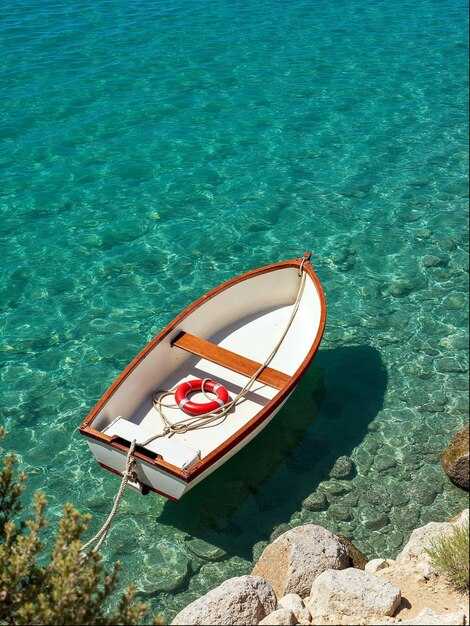
Start with Butterfly Valley right after breakfast: rent snorkeling gear onboard or at the dock, and hop a small boat to the sheltered inlet for clear water and visibility.
Butterfly Valley sits between towering cliffs, surrounded by pines and a gentle sea breeze. The water stays calm in the morning, making it easy to spot parrotfish and small reef life from the surface. You’ll likely hear a seagull or two gliding overhead as you float over the sandy bottom.
From Butterfly Valley, sail along the main coastline to other protected coves such as Sarsala Bay and Kabak Bay. Follow the laneways of rocky coves, and you’ll find hotspots with crystal-water spots and shallow pockets ideal for snorkelers of all levels. Each inlet has its own atmosphere and a slightly different shade of blue in the views.
Gear rental is available at the main dock and through local companies; most outfits offer a basic snorkel kit, mask, fins, and a wetsuit if the water feels chilly. If you want a guided option, check the deal that includes a quick safety briefing and a short boat transfer to a couple of nearby spots; in gökaya and nearby towns you’ll find similar offers.
For lunch, grab meze at a beach cafe and watch the boats drift by; several spots around the coves offer a combo of snacks and refreshing drinks. The afternoon session returns you to more coves and beaches with calm pockets and interesting rock formations.
Evening returns are relaxing: many travelers slept onboard or in simple guesthouses along the coast, with sunset views over the water and a final stroll along the dock. If you’re staying in a town, you’ll find cozy seafront spots where laneways lead you to more protected coves for a peaceful finish to the day.
Provisioning and on-board gear for a tight two-day cruise
Pack a two-day provisioning kit: a favourite mix of shelf-stable staples and fresh options, stored in tiny, sealable bags and a compact cooler. Buy a bargain bundle the day before, and downsize to two tote bags for main meals and snacks.
Water and drinks: For each person, budget 2-3 litres of drinking water daily, plus 1-2 litres for cooking. A 6-8 litre water drum per boat helps cover thirst in the morning and rest of the day, while a small cooler keeps perishable items within reach during the charter.
Food kit: Build a simple two-day menu with easy options: canned fish, pasta, rice, instant sauces, oats or yoghurt, fruit, and nuts. Add a tiny spice tin and a pan with oil. Those who fancy quick breakfasts can grab oats; slightly sweeter options can be in a separate bag. If you have dietary needs, list substitutes to avoid delays. Include a favourite snack or two to cover craving moments and keep morale high during the morning lines on deck.
Gear and safety: Keep a compact stove, fuel, and cooking gear; two sets of plates, bowls, and cutlery; a small cooler and ice packs. Pack a first-aid kit, four life jackets, a signaling device, and a VHF radio with spare batteries. Include spare fuses, duct tape, rope, and a simple repair kit. If something is missing, calling for extra gear is easy with the captain. On gulets and other charter boats, the welcomed crew helps with quick fixes; keep spare lines and fenders within reach. The main chart kit and water kit should be accessible at all times.
Storage and layout: Use narrow, stackable containers to maximize space. Label bags clearly, keep daily items in a quick-access cubby, and place a morning coffee kit within easy reach. A cover for ready-to-eat meals and a stash of tiny snacks keeps pace during long watches. An awesome setup reduces waste and supports peaceful rests in sheltered bays along the natural coast. For a main plan, keep a favourite couple of meals handy so those who join the cruise find a familiar option.
Market, news and rest schedule: In the morning, visit a small port market to refresh produce; local peoples offer bargain prices and seasonal items. If weather news is calling for a change, adjust the plan while staying within the cover of narrow coves and calm depths. At rest times during the day, keep safety gear visible and accessible, and enjoy peaceful segments along the amazing turquoise coast.
Weather, winds, and safety checks for a smooth return
Check the wind forecast on the Marmaris site and lock a conservative return plan with a comfortable buffer for seas and traffic along the coast.
Weather snapshot: a light breeze from the NE around 8–12 knots in the morning, building to 15–22 knots by late morning as a trough moves through. Gusts near headlands can reach 25–28 knots, and seas span 0.5–2 meters, with higher chop where the coast funnels swell. Maintain line-of-sight to shore and markers, and prefer routes that stay clear of busy nets and traffic through sheltered bays.
Safety checks: verify life jackets for all travellers fit well, test VHF radio and GPS, confirm bilge pump operation, and ensure the engine starts reliably. Check fuel level so you have at least 60–70% of the tank plus a contingency can, inspect fire extinguishers and signaling gear, and ensure an emergency beacon or PLB is on board. Review the plan with the crew, assign a look-out, and keep a waterproof chart or tablet for situational awareness during the run.
Navigation approach: spanning the coast from Marmaris to nearby villages offers options for shelter and rest in bays surrounded by pine and stone. Favor destinations that keep you within line-of-sight of shore and easy access to a favourite harbour if conditions shift. Be mindful of longline gear near fishing villages; pass nets with at least a boat length of clearance and relocate inland if a foul line is detected. Reduce sail early to maintain stability and comfort, especially when the breeze starts to rise from afternoon heating.
Tips: carry a simple log for wind, sea state, and crew status; check the forecast mid-day and adjust the plan as needed. Keep travellers informed, have a clear care routine for gear and clothing, and identify a backup destination that can be reached without long detours. Ensure you have a reliable plan that accommodates a safe return line-of-sight to shore, and rehearse a quick man-overboard drill in calm conditions so everyone feels prepared if conditions tighten.