Boat Won’t Start or Turn Over? Troubleshooting No-Click, Full Battery Issues
Alexandra
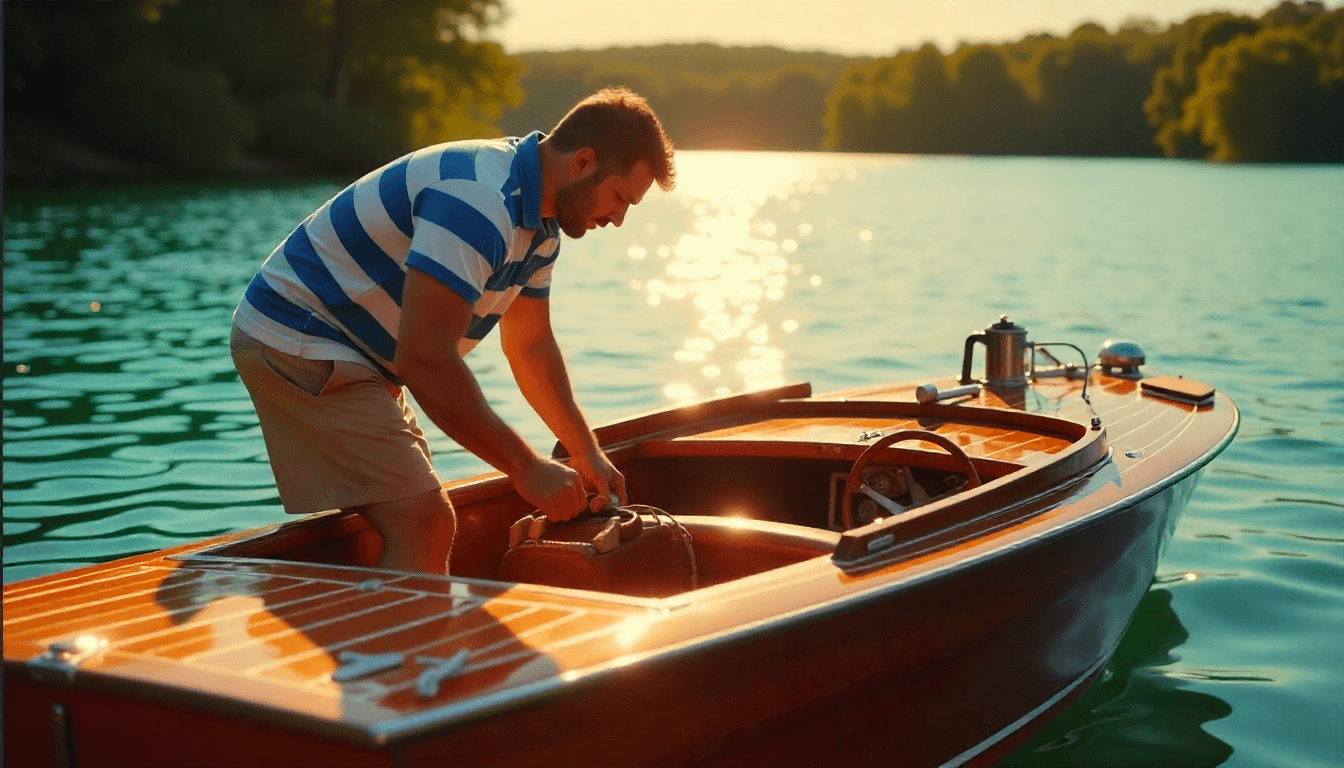
If your boat won’t start or turn over, even though you have a fully charged battery, it can be frustrating and concerning—especially when you’re out on the water. Understanding why a boat won’t start is essential for avoiding delays and preventing costly engine repairs. This guide will explain the main reasons your boat won’t start and provide step-by-step troubleshooting tips to help you get back on the water safely.
Why Your Boat Won’t Start Even with a Full Battery
When you turn the key and nothing happens, it’s easy to assume the worst. But in most cases, the problem is something minor—like an empty gas tank, improperly gapped spark plugs, or a loose connection. A boat engine is a complex system, and even a small issue can prevent it from running.
Common reasons your boat won’t start include:
📚 Vous aimerez peut-être aussi
- Safety lanyard or kill switch disconnected
- Battery issues despite appearing charged
- Loose or corroded electrical connections
- Fuel system problems such as an empty gas tank or clogged fuel filter
- Improperly gapped spark plugs
- Ignition system failures
- Manual choke or auto choke malfunctions
Before you panic, start with the basics and work through each possible cause systematically.
Step 1: Check the Battery and Electrical System
The first thing you should do when your boat won’t start is check the battery and the electrical system. Even if the battery is fully charged, it might still fail to deliver enough power if there’s corrosion, frayed insulation, or a loose connection.
- Make sure the battery terminals are clean and tightly connected.
- Check the kill switch and safety lanyard to ensure they are properly engaged.
- Look for frayed wires or disconnected cables.
If the ignition points or distributor cap are damaged, the engine won’t turn or fire. Electrical problems are among the top reasons why a boat won’t start, so always inspect these first.
Step 2: Verify the Fuel System
Another common reason a boat won’t start is a fuel issue. If your gas tank is empty, it’s obvious—but sometimes the problem is a clogged fuel filter, kinked fuel lines, or a faulty fuel tank primer.
To troubleshoot:
- Ensure the fuel tank has enough fuel.
- Check the fuel system for leaks or blockages.
- Use the fuel tank primer if your engine not primed correctly.
- Make sure the tank air vent is open to avoid vacuum lock.
If the carburetor adjustments are off or the reed valves are damaged, the engine may struggle to turn over or not run at all.
Step 3: Inspect the Ignition System
If your boat won’t start after checking the fuel and electrical systems, the problem could be in the ignition. A damaged ignition switch or improperly gapped spark plugs can stop the engine from starting.
- Remove the spark plugs and check if they are properly gapped.
- Replace worn or corroded plugs.
- Inspect ignition wires for loose connections.
The ignition system is critical for delivering the spark that ignites the fuel mixture. Without it, the engine won’t start no matter how much fuel you have.
Step 4: Check the Starter and Engine Components
Sometimes, the starter motor fails or the choke linkage sticks, preventing the engine from turning over. If the boat engine won’t crank, test the starter circuit.
- Try to keep cranking for a few seconds, but do not overdo it.
- Inspect the starter relay, solenoid, and connections.
- If necessary, replace the starter or associated components.
When you turn the key and hear nothing, it could also be a neutral safety switch issue. Make sure the boat is in neutral before trying to start the engine.
Other Possible Reasons Why a Boat Won’t Start
- Broken kill switch or disconnected safety lanyard
- Air in the fuel lines
- Clogged carburetor or dirty fuel filter
- Auto choke or manual choke stuck
- Engine overheating from lack of water flow
- Electrical system failure due to frayed insulation
Boat engines are sensitive to maintenance issues. If you regularly check the battery, fuel system, ignition points, and wiring, you can avoid most starting problems.
How to Prevent Boat Won’t Start Problems
To minimize the risk of being stranded, follow these preventive tips:
- Inspect the fuel system regularly, including the gas tank, fuel lines, and filters.
- Check the ignition system, including spark plugs, distributor cap, and ignition points.
- Maintain the electrical system, ensuring no frayed wires or disconnected cables.
- Replace worn components like reed valves and carburetor parts when needed.
- Keep a maintenance checklist and perform routine inspections before every boating trip.
Proper maintenance reduces the chances that your boat won’t start when you need it most.
Final Thoughts
When your boat won’t start, the key is to remain calm and troubleshoot step by step. Start with the simplest checks: battery, safety lanyard, fuel supply, and spark plugs. In most cases, the issue is something minor, such as an empty gas tank, improperly gapped plugs, or a loose connection.
If after all troubleshooting your boat won’t start, it may be time to call a marine mechanic. Some problems, like a faulty starter motor or damaged ignition system, require professional repairs.
By following this guide, you’ll know what to do when your boat won’t start and how to prevent future issues. With regular maintenance and attention to detail, you can enjoy smooth, stress-free boating adventures.