


 Français
  English (UK)
  Русский
  العربية
  日本語
日本語  한국어
한국어  Magyar
  Türkçe
  Español
  Čeština
  Svenska
  Português
  Ελληνικά
  Suomi
Suomi  Nederlands
  Română
  Italiano
  Polski
  Українська
  Deutsch
  简体中文
简体中文  Slovenčina
 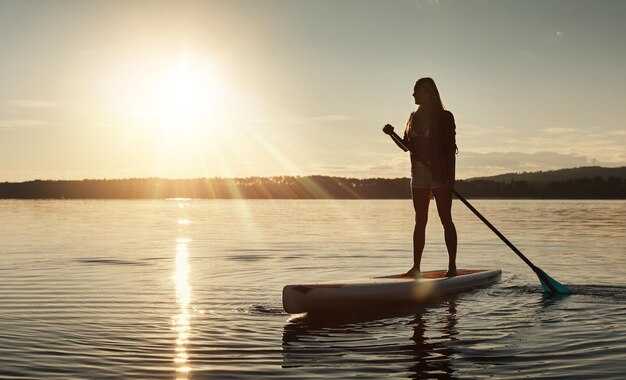 Top 10 Paddleboard Safety Tips to Follow for a Safe Ride">

Vérifiez les prévisions météorologiques, la vitesse du vent et la température avant de monter sur la planche. Un coup d'œil rapide aux rochers le long de la côte et une carte côtière vous aident à lire les courants et à choisir un itinéraire sûr avec votre groupe et vos amis.
Tenez-vous avec une posture forte : pieds écartés à la largeur des épaules, genoux fléchis, hanches carrées, tronc engagé ; cela préserve la stabilité et renforce les muscles des jambes et du dos. An expert check signifie inviter un autre rameur à observer votre forme et à s'assurer communication flows, maintenant le groupe coordonné et adoucissant la session, rendant chaque paddleboarder plus confiant.
En eau libre, maintenez une position de garde, scrutez les dangers tels que les rochers, les débris ou les zones peu profondes et gardez le groupe à vue. S'ils sont nouveaux dans ce sport, faites équipe avec un ami et entraînez-vous à tourner et à vous préparer avant de continuer le long du parcours.
Portez un gilet de sauvetage bien ajusté, attachez une laisse à la planche et emportez un sifflet ; ces mesures améliorent la visibilité et les options de récupération, en particulier près des débreaks côtiers ou des rochers.
This article expose les prochaines étapes : planification de l'itinéraire, entraînement en eau libre et vérifications du partenaire, avec des chiffres concrets et des conditions à surveiller.
Surveiller la température de l'air et de l'eau pendant la progression ; si des vents froids se lèvent, raccourcissez la session et déplacez-vous vers une crique abritée qui préserve la stabilité et permet un retour rapide si la fatigue se manifeste.
Conseils de sécurité pour paddleboard pour une navigation en toute sécurité
Portez toujours une laisse et une PFD, et gardez un étanche phone dans un coffret fermé à portée de main.
La plupart des incidents impliquent both beginners and surfers qui sous-estiment currents et winds; vérifiez les conditions de l'eau avant d'entrer, restez à moins de 50 à 100 mètres du rivage initialement.
Adoptez une position stable et basse : pieds écartés à la largeur des épaules, genoux fléchis, cheville alignment.
La vitesse est contrôlée par la rotation de la pagaie ; dirigez-vous en vous penchant ; entraînez-vous à vous arrêter en effectuant des mouvements amples ; cela lets vous ajustez speed rapidement lorsque qu'un obstacle apparaît.
Equipment check: laisse, ailerons, sifflet, sac étanche ; usually effectuer une démonstration rapide de 2 minutes de l'équipement.
Météo and water awareness: monitor currents, rafales et hauteur des vagues ; éviter les zones avec des courants rapides supérieurs à 3-4 nœuds ou des vents supérieurs à 20 mph ; dites-vous de battre en retraite si les conditions changent. Cette courbe d'apprentissage peut augmenter confidence et strong balance.
Gardez un partenaire à portée de vue ; signalez votre présence avec un sifflet ; en cas de problème, utilisez votre phone pour appeler à l'aide.
Équipement de sécurité personnelle : gilet de sauvetage, laisse et vêtements adaptés aux conditions météorologiques.
Enfile un vêtement approuvé par la Garde côtière – PFD immédiatement avant d'entrer dans l'eau, et resserrez le ceinture et des sangles d'épaules afin que le gilet se positionne à plat contre votre poitrine ; un ajustement serré PFD minimise la perte de flottabilité pendant l'immersion.
Attachez une longe à votre cheville et à l'appareil ; maintenez la bobine bien serrée et éloignée de votre corps ; près des quais ou sheltered en cas de chute, vérifiez que la longueur de la laisse vous permet de rester à portée de bras.
Des vêtements adaptés aux conditions météorologiques signifient superposer : une couche de base évacuant l'humidité, une couche intermédiaire isolante et une coque extérieure coupe-vent ; dans l'eau froide, ajoutez une combinaison néoprène ou une combinaison étanche avec bottines ; les jours ensoleillés, portez une chemise de protection UV, une casquette et de la crème solaire.
Avant de partir, vérifiez les prévisions météorologiques, les marées et les courants ; choisissez des itinéraires qui restent proches. sheltered de l'eau lorsque nécessaire ; préparer un plan avec un heading vers un point de repère connu et un calendrier réaliste pour le retour.
Se tenir debout aide à maintenir l'équilibre dans des conditions agitées ; staying calm matters: an expert paddler uses a smooth, controlled stroke pour maintenir l'alignement du corps ; improved la stabilité vient d'une respiration régulière et d'un rythme constant ; si des problèmes surviennent, dirigez-vous vers le rivage et regroupez-vous.
Emportez les articles essentiels autour de votre ceinture : eau, en-cas, sifflet, laisse de rechange et une petite trousse de réparation ; un sac étanche protège les appareils électroniques et les objets personnels.
Au sein des cercles Paddlezone, les pagayeurs et les kayakistes comparent le matériel, les prévisions météorologiques et les choix de cap ; ils partagent des façons de s'adapter et savent quand se retirer ; connaître les signaux de votre corps et rester avec les autres réduit les risques lorsque les conditions changent.
Vérifications Pré-Paddle : Météo, Conditions de l'Eau et Marées
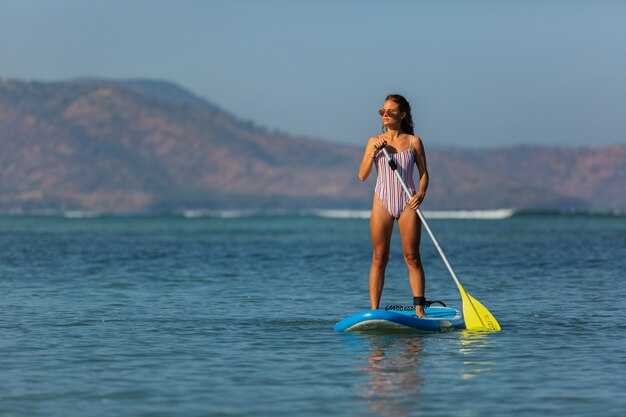
Verify wind, currents, and tide windows 60–90 minutes before launch. Preparation begins well ahead; a strong start increases stability and confidence on an inflatable deck, like calm water–a perfect condition for beginners.
-
Weather and wind: Use two sources–local weather outlook and live wind data. If sustained wind exceeds 15 mph (24 km/h) or gusts hit 20 mph (32 km/h), postpone. Usually calm windows occur early morning or late afternoon; choose one that matches beginners’ ability. A smooth, well-paced departure helps you stay near a nearby exit, reducing drift and risk. If wind decreases later in the day, re-check waves and currents to confirm continued suitability.
-
Currents and waves: Inspect currents near entry points and narrows; currents above about 1.5 mph (0.7 m/s) can push you offline on an inflatable platform. If waves reach 0.4–0.6 m (1.3–2 ft), delay. In choppy conditions, stay shallow until balance and technique improve; wearing a life jacket improves staying power in rough water.
-
Tides and route planning: Check local tide tables. A rising tide can widen channels while a drop may expose hazards near shoals. Pick a route that stays within sight of shore and nearby landmarks; choose an exit point aligned with the tide to increase your margin of error and staying options later in the session.
-
Equipment and setup: Inspect deck area, waterproof bag, leash, and pump. Ensure inflation pressure matches maker guidance, verify deck pad integrity, and confirm waterproof protection for devices. Have a spare leash, a small repair kit, and a life jacket fastened before heading out. youll also confirm hydration levels and physical readiness, staying well fueled to support balance and reaction time. If conditions change, wont hesitate to shorten the session.
-
Advice and routine: Put a simple plan in place–identify nearby shorelines, know how to signal for help, and keep a buddy within shouting distance. A quick waterproof check of equipment and a route backup increases confidence and reduces risk; this advice helps you stay calm even when wind or currents shift.
Board and Gear Setup: Correct Rail Contact, Paddle Length, and Leash Use
Set paddle length at approximately your height plus 20–30 cm to ensure a clean, efficient stroke and smoother recovery.
Stand with feet shoulder-width apart, knees soft, hips centered over the midline; press your outside rail lightly to maintain contact between edge and board, keeping shoulders squared toward your heading.
Attach leash to ankle and choose 6–8 ft length in sheltered zones; in currents or wind, step up to 8–10 ft; secure strap, avoid twists, and verify the leash is clear of line twists before each session.
Preparation includes dry-land checks, a light warmup, and a sheltered-water test to dial in balance; gradually increase exposure as learning progresses, since changes in stance, weight, and paddle angle will come with time and confidence.
Use a simple system: stand tall, lock rail contact, angle the blade about 10–15 degrees to your heading, and maintain a smooth stroke with full recovery; perform the motion properly and keep contact consistent, and Talking cues help you stay in rhythm.
However, if you notice fatigue in specific muscles or a wobble in your hips, cut the session short, head to sheltered waters, and practice slow, controlled reps until your technique remains even; this yields easier transitions between strokes.
More experienced paddlers tune their setup by adjusting stance width, fine-tuning paddle length within recommended ranges, and practicing a steady, reliable stroke in currents; this builds muscle memory, confidence, and potential to handle tougher conditions. Roots of balance lie in preparation, discipline, and good habits, and you yourself can drive this progress with steady practice, gradually building strength and impeccably timed movements; theyyll grow more capable as your system consolidates, and heading becomes more intuitive, with better stroke control and less waste energy.
Entry, Exit, and Self-Rescue: Safe Mount, Dismount, and Re-Entry Steps
Begin with a quick craft check: no broken parts, seals intact, leash attached, fin secure, and a clear landing zone away from rocks. Note water and air temperature to gauge exposure risk, and adjust layers accordingly.
Entry prep: place the board in calm water near open access to a shallow edge. Stand with feet shoulder width, knees soft, hips squared, gaze forward. Place the leading hand on the nose rail and the other on the paddle, then step the leading knee onto the deck and shift weight to rise to a stable stance. Boarder stability matters; theyyll adjust stance with practice. If help is available from land, let them steady the board as you begin.
Dismount: reverse the sequence with control. Bend the knees, lower the trailing knee to the surface, pivot away from the edge, and step onto land. If the shore is rocky, aim for sand or mud; avoid abrupt slides toward the rocks to stay balanced.
Self-rescue: if you tumble, stay calm, reach for the board, grab the leash, and kick toward the center to return within reach. Roll to a belly position, press up on the rails, then stand and resume paddling. In crowded waterways, give space to others and signal for help if needed.
Practice plan: run these sessions on flat water or in gentle river sections. These sessions offer improved balance and quicker re-entry, reducing fatigue during real trips. These drills can be repeated in sessions; theyyll reduce risk during unexpected current changes. Carry a compact repair kit and a dry bag, monitor temperature, and stay within your ages and abilities while keeping open access to shore. In challenging conditions, stay near land, keep a low stance, and move next to a safe area when tired. These routines are essential to handling currents and maintaining control in the sport, especially when weather shifts or water levels change.
Core Engagement: 9 Techniques for Stable Paddling
Technique 1: Core brace and stable stance Begin by bracing the midsection and establishing a symmetrical stance: feet shoulder-width apart, knees slightly bent, weight centered over the board. This setup gives immediate stability and makes each stroke smoother, plus it reduces the chance of sudden wobble when watercraft wake passes. Here, the boarder feels control, and even ages or first-timers gain confidence to keep paddling without falling.
Technique 2: Hip-to-torso rotation on every stroke Initiate movement from the hips, then drive through the torso while keeping the core braced. This method transfers power efficiently and keeps the craft level, reducing the chance of falling when currents shift. Alternate sides to sustain a straight course, a staple habit among surfers and watercraft enthusiasts alike.
Technique 3: Look ahead, not down, to keep balance Direct the gaze to a fixed point on the horizon here, whenever possible. A steady sightline maintains a stable spine and helps anticipate turns or subtle shifts in the water. This advice helps the boarder stay balanced and reduces drift, enhancing endurance during longer sessions.
Technique 4: Even weight distribution and small ankle adjustments Keep weight centered and distribute pressure across both feet; avoid leaning into a single edge. Micro-movements of the ankles help you modulate tilt on a calm lake or in light chop, reducing the risk of falling. This balance approach contributes to a smoother glide and longer endurance.
Technique 5: Cadence rhythm and alternate-side strokes Establish a consistent cadence: short, controlled strokes on the inside edge during turns, then longer strokes to drive straight lines. Alternating sides evenly keeps the craft tracking true, makes turning predictable, and prevents uneven wear on the shoulders. This approach builds skills across ages and levels.
Technique 6: Breathing and lung endurance Inhale through the nose, exhale through the mouth in a steady rhythm. Controlled breath supports long sessions and reduces fatigue during windy conditions. A relaxed jaw and shoulders keep you from tensing, which contributes to steadier tracking.
Technique 7: Adapting to colder water and shifting conditions In colder lakes, wear a jacket or thermal layer; buoyancy helps, yet movement matters more. Monitor water temperature and current; watch for sudden gusts or chop. When that happens, shorten strokes and drop hips to lower center of gravity. Awareness here plus practice builds endurance across ages.
Technique 8: Pre-ride checking and gear readiness Inspect the watercraft, leash, and paddle before stepping on water; verify fin alignment if applicable. Check the jacket and apparel for proper fit, and confirm the leash is secured. These checks reduce mishaps when wind shifts and watercraft pass by, especially along lake shorelines with traffic and rowers.
Technique 9: Situational awareness and clear signals Soyez conscient des frontières, des surfeurs et des autres embarcations dans la zone ; utilisez un virage léger et prévisible lorsque vous croisez des chemins. Les signaux verbaux ou les gestes visibles aident à prévenir les collisions et à protéger les débutants dans des conditions mixtes. Leur présence ajoute de la confiance à mesure que l'activité de la foule augmente.