


 Français
  English (UK)
  Русский
  العربية
  日本語
日本語  한국어
한국어  Magyar
  Türkçe
  Español
  Čeština
  Svenska
  Português
  Ελληνικά
  Suomi
Suomi  Nederlands
  Română
  Italiano
  Polski
  Українська
  Deutsch
  简体中文
简体中文  Slovenčina
 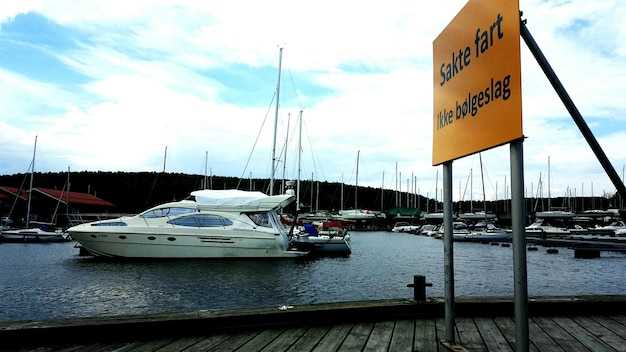 The Ultimate Boat Rental Safety Checklist for Safe Boating">

Start with the attached safety checklist before you board to ensure every step is clear and actionable. Take a moment to verify that life jackets are accessible, the fire extinguisher is charged, and the whistle works. Review the history of your safety training and keep the card that records it onboard for quick reference during emergencies.
Before departure, inspect navigation gear, lights, and safety equipment. This process allows you to check that buoys are present on both sides for channel markers, and verify that the deck lights illuminate clearly et brightly after sunset. Confirm the vessel is balanced, and the side rails are intact so you can move safely without risk of falling overboard.
During operation, take the wheel with a steady hand and practice simple steering and man-overboard recovery in calm conditions. The captain and crew should know how to steer to pare back speed, use engine throttle correctly, and communicate with a concise hand signal set. Provide an accessible safety briefing in both English and français, and keep a laminated plan, often laid out in indesign, on board to guide beginners and enhance the overall experience.
After docking, review actions for emergencies and record learnings for future rentals. Verify that all PPE remains attached properly and that a simple, clearly written post-ride debrief is available. Use the onboard card to log any issues, and store contact numbers for local authorities and towing services. The checklist helps you work through contingencies quickly, reducing risk and improving confidence for every renter.
Pre-Trip Safety Framework for Boat Rentals
This framework makes licensing verification the first step, and requires you to carry proofpdf of the rental agreement and training certificates.
Next, verify gear and crew readiness: ensure every passenger has a properly sized PFD, and that all safety equipment is visible and accessible within reach.
Run a maintenance check 60 minutes before departure: inspect the engine, battery, fuel lines, bilge pump, and propulsion components. Store fuels away from ignition sources and remove any flammable materials from the deck area.
Plan around weather: check alerts from local authorities for the waters you will travel, and prepare for sudden changes. Although forecasts can shift, have a plan B and a clear communication protocol.
Documentation and briefing: the captain demonstrates proper safety procedures, and you keep a digital copy of the briefing as proofpdf. Share this with their group before boarding to ensure everyone understands roles.
Standards and canadian15: verify equipment meets applicable standards and, if needed, confirm canadian15 certification for items like life jackets and throwable devices.
Communication and readiness: designate a speaking point for safety updates, confirm everyone on board knows how to respond to alarms, and do not wait to address issues if something seems off.
Introduction: these steps were chosen to minimize risk on the water and keep your trip safer and smoother.
Life Jacket Fit, Quick Access, and Maintenance
Create a rapid-fit routine: wear every life jacket, fasten securely, and perform a head-turn check to confirm the collar stays below the chin and there is no slack at the torso. Tighten straps until they feel like tuning strings on a tennis racket, then test by raising arms and nodding, ensuring you can breathe freely and speak clearly.
Document your fit results on a pocket checklist or in the vessel’s library so you can verify consistency across trips and riders.
Consult an exploded diagram of the jacket’s components to verify strap routing and adjuster positions during maintenance.
Quick access improves safety: store jackets within arm’s reach near the helm or door, use mounts that stop sliding, and rely on brightly colored or white jackets to improve visibility in rough water.
Maintenance steps: after each outing, inspect seams, buckles, zippers, and foam; perform a buoyancy check by gently pressing the jacket underwater for a moment and ensuring it floats upright with the head above water; if you notice wear, replace immediately and log the issue.
Preparedness and training: include a short escape drill in your safety course, train riding crew in assistance signals, and keep pete’s note in the training file to remind everyone to recheck coverage and fit before departure.
Stop using any jacket with torn fabric, loose straps, or a degraded buoyancy layer; remove it from service and document the incident in your coverage log.
Extra tips: keep a spare whistle and a small signaling flashlight in a grocery-style bag attached to the jacket rack; choose jackets that fit down and stay prepared; avoid touristy designs to reduce distraction; ensure you can turn your head and look for hazards quickly in any riding situation.
Crew Roles, Briefing, and Emergency Rendezvous Points
Assign a dedicated crew lead to run a concise pre-departure briefing and circulate a roles chart. The lead coordinates skippers, navigator, deckhand, and engineer, confirms the engine and electric systems are ready, verifies lifejacket distribution and fit for all aboard, and keeps the crew knowing their tasks.
Use a standard briefing template that covers who to contact, radio protocol, and how to conduct a quick man overboard check. Define a clear call order, assign responsibilities, and outline the process to reach Emergency Rendezvous Points.
Primary rendezvous point is a lighted government station along the shoreline, chosen for visibility and rapid access; note GPS coordinates and the closest dock, and rehearse access with visitors. If the primary is unavailable, move to a secondary point at a lakeside shop or pier. Both points are reviewed annually and embedded in the contract.
Assign on-board roles with explicit tasks: Skippers steer and monitor the engine within safe limits; the navigator plots the course and logs changes; the deck crew handle lines, fenders, and MOB retrieval; lookouts watch for overboard hazards; the engineer maintains the electrical system and engine gauges; the safety officer audits lifejacket availability and fit.
Drills and documentation: conduct exercises annually, including a man overboard recovery from harsh conditions and a simulated engine failure. After each drill, update the briefing notes and the contract accordingly. For operations on lakes or near plantations, verify shore access and keep a visible tag such as canadian15 for authorized visitors.
Recordkeeping and communications: maintain an endstream log that links incident notes, actions taken, and follow-up tasks across the station. Use clear, direct language and ensure everyone knows how to reach the appropriate authorities if needed.
Boat Systems Check: Fuel, Battery, Engine, Steering, and Bilge
Perform a full pre-cruise check with a clear sequence: distinct steps, fuel, battery, engine readiness, steering response, bilge status, and log results in the proofpdf checklist and the manual before you cast off.
Fuel: ensure the main tank is above half full, inspect lines and fittings below the deck for leaks, and confirm you have a reserve for the planned time ahead; if cruising with a group, add margin for potential detours.
Battery and electrical: test voltage (target 12.6V with engine off), verify ignition and navigation lights work, check horns, and confirm the main circuit breakers and fuses are intact; perform cross checks for critical circuits and switch off the system when parked to reduce parasitic draw.
Engine and cooling: start the engine in a clear area, listen for unusual noises, check oil level with the dipstick, verify coolant level in the reservoir, and ensure the fuel shutoff valve is open; review the manual for proper startup steps and note any warnings were displayed on the dash.
Steering and controls: move the wheel through its full travel to confirm smooth motion, check for play or binding in the linkage, test steering at slow speeds and during a moderate crosswind; if handling feels off, abort the test and head to a safe area.
Bilge: switch on the pump and confirm the float switch is activated; listen for motor noise, check for water, oil or fuel sheen, and ensure the bilge alarm is activated; if backups are needed, carry a manual pump or bucket near the stern.
Mind the plan and safety: notably, greater safety comes from clear roles for groups and brisk but calm execution of checks; review activities planned with the crew, ensure head protection and lights are functioning, and double-check the signals for cruising ahead, including keeping santa hats away from the helm.
Weather, Tides, and Voyage Planning: Forecasts, Alerts, and Return Window
Check the daytime marine forecast now and lock a strict return window before leaving.
-
Forecasts to review:
- Obtain the latest marine forecast from NOAA/NWS or your local authority. Note wind speeds and gusts, sea state in feet, visibility, and precipitation, plus any rapid changes expected within the trip window.
- Assess lake or coastal tides and currents in your planned areas. Tidal height and current direction can shift quickly, affecting turning points and docking. Plan on reduced maneuverability in higher current zones.
- Record the daytime forecast and any imminent fronts or squalls. If conditions look to deteriorate, shorten trips or postpone leaving until forecasts improve.
-
Alerts to monitor:
- Enable marine alerts from official sources and your app. Look for small craft advisories, gale warnings, and visibility reductions that could require stopping the trip early.
- Prepare for rapid changes near coastlines and in open water. Have a plan to respond quickly to increasing wind or rising seas.
- Share the forecast with all passengers and confirm they understand the plan, especially when fishing trips or long on-the-water runs are involved.
-
Return window planning:
- Set a hard return deadline based on daylight, tide windows, and fuel. If sunset is near, consider delaying departures or picking a shorter route to stay within daylight and visibility margins.
- Leave a clear route plan with ahead waypoint markers and a designated turnaround point. Stop for checks if weather or water depth changes unexpectedly.
- Have a contingency: if conditions change, use a safe harbor or sheltered area to wait out fronts instead of pressing into rough water.
-
On-the-water safety actions:
- Assign a role for each person on deck, including lookout for oncoming weather and other vessels. Keep passenger movement controlled to maintain balance and reduce slips on wet decks.
- Wear jackets and keep extra layers for hypothermia risk; cold air and water can catch you off guard even on daytime trips.
- Maintain a safe speed to keep a margin for stopping in areas with reduced visibility or rocks and shoals. In rough water, reduce speed to preserve stability and avoid spray burns or kicks from waves.
-
Equipment and signaling:
- Carry and periodically check epirbs with charged batteries. Test the horn or whistle, and ensure signaling devices remain audible from all passenger areas.
- Keep a well-fitted life jacket for every passenger and ensure children or non-swimmers have appropriate flotation assistance.
- Carry a short video or quick debrief checklist to review the plan after departure and before returning, helping everyone stay aligned on safety steps.
-
Trip specifics and standards:
- For fishing trips or other activities, map safe return zones and shelter options in case conditions worsen. PC OC guidelines and pcoc standards can guide risk limits and crew actions.
- Identify escape routes and safe harbors ahead of time, especially when leaving familiar waters for open-water sections or unfamiliar bays.
- Prepare for medical and safety needs: have a first aid kit ready, treat minor burns promptly, and know how to respond to hypothermia signs in passengers.
VHF Radio Setup and Operation: Channel 16, Power Levels, Testing, and Distress Procedures
Set Channel 16 as the default calling channel and run a quick radio check before leaving the dock.
Power levels are practical: use High (25 W) for distant contact or poor line of sight, and switch to Low (1–5 W) for near contacts to save battery and keep readings clear. If your model offers a selectable option, keep Low for routine chatter and quickly bump to High only when you need to reach a far-off vessel or a crowded frame of boats under skiing activity or during strong winds.
Testing routine keeps your knowledge sharp and your setup reliable. On each rental, perform a 5-step check: 1) power on and listen for a steady tone, 2) verify battery status and stored settings, 3) do a 5-second transmit test on Channel 16 and obtain acknowledgment, 4) switch to a nearby working channel and confirm readability, 5) log the outcome with the numbers and a note in your chart. Keep the chart handy and stored with the manual for quick reference between trips.
Distress procedures require immediate, clear action. If you face trouble, start with MAYDAY three times, then state the vessel name and call sign, position, nature of distress, and number of passengers onboard. Use “over” after your message and keep Channel 16 on watch for responders. If DSC is available, trigger the distress alert, then move to a working channel and continue voice or data communication. Do not flood Channel 16 with chatter; youre aiming for a strong, well-coordinated response from responders.
Operational discipline supports every crew member and passenger. Keep transmissions concise, use a level tone, and rely on a single, logical sequence for each message. Maintain your focus on safety gear, including hornwhistle and snorkelling equipment, and ensure trash stays off the deck. A small, steady routine makes it easier for passengers to follow instructions, especially when the wind picks up or you lose a signal momentarily.
Use a simple checklist that works with your selected setup. Treat Channel 16 as the calling channel and shift between channels evenly to reduce congestion. A steady practice, plus a wheel-like rhythm of checks, helps everyone stay on track during a stop or an unexpected turn in weather. For added flavour, run a quick mock Mayday exercise with a fellow skipper or member from the forum, and log the results to reinforce the habit.
To support ongoing learning, keep a knowledge log and share gems of experience in the forum. Store the manual and a small chart in a dry, accessible place on board, and align your routine with the crew’s shared safety culture. Selected crew members can lead brief drills–including a single, focused practice on Channel 16, a channel change, a transmission test, and a distress simulation–so youdont miss any intermediate steps or numbers during real events.
| Aspect | Recommendation |
|---|---|
| Power levels | Low 1–5 W for near calls; High 25 W for distant calls; switch as needed; monitor current |
| Channel 16 usage | Default calling channel; move to a working channel after contact; keep 16 on watch |
| Testing steps | Power on; check battery; 5-second transmit test; acknowledge; switch to nearby channel; log numbers |
| Distress procedures | MAYDAY three times; vessel name/call sign; position; distress nature; number onboard; over; DSC if available; switch to working channel |