


 Français
  English (UK)
  Русский
  العربية
  日本語
日本語  한국어
한국어  Magyar
  Türkçe
  Español
  Čeština
  Svenska
  Português
  Ελληνικά
  Suomi
Suomi  Nederlands
  Română
  Italiano
  Polski
  Українська
  Deutsch
  简体中文
简体中文  Slovenčina
  The Dos and Don’ts of River Boating – Essential Safety and Etiquette Tips">

Always wear a fitted personal flotation device and perform a quick gear check before launching. This simple step protects you on the water and sets a safer tone for the trip ahead. Have a paddle ready, inspect blades for chips, and confirm a spare whistle and throw bag are accessible. It is intended to keep groups coordinated and aware of the plan.
Know the water you plan to ride: in bends, slow your boat ahead of time and position away from the outer arc. In shallow zones, drift with the current and watch for submerged hazards. Wind can affect steering, so adjust your angle slightly to stay in the current and reduce the chance of getting caught on rocks. This approach reduces errors and keeps everyone safer, giving you information for better decisions on future trips.
Respect river users by yielding to faster paddlers, keeping noise to a minimum near wildlife, and signaling your intentions clearly. When passing, coordinate with others using a short call and a smooth paddle stroke to minimize splashes and misreads, especially near oncoming traffic or in narrow channels, where mistakes can lead to worse outcomes.
Carry information about local currents, water levels, and regulations. Use a dry bag for valuables and fit a spare layer for weather shifts. If you notice deteriorating water or a gusty wind, seek safer water or a sheltered spot to regroup; better decisions reduce risk and open opportunities for a smooth trip, with less chance of getting caught in a sudden current.
In punts or when negotiating shallow riffles, a pole can help you steady the bow in tight sections, while a steady paddle keeps you moving with control. Keep your movements deliberate and avoid overusing the paddle in narrow channels; this reduces risk and preserves flow for other users.
The Dos and Don’ts of River Boating: Safety, Etiquette, and The Rule of the Road

Always wear a properly fitted life jacket and secure all equipment before departure; lock hatchways, stow gear in waterproof bags, and keep down loose items to prevent them from becoming hazards as waves pound the hull.
Begin with a brief safety briefing that covers depth readings, canal passages, and expected weather changes. Confirm each crew member has a clear signal and designate a responder to handle reporting and coordination. Keep arms free for steering and signaling, and verify that all equipment rides in waterproof containers.
Utilize technologies such as GPS, depth finders, waterproof radios, and compact cameras to maintain precise navigation along canal routes. A quick post-use review of the basic features of your safety gear helps ensure readiness; your kit should include waterproof bags, signaling devices, a flashlight, and a throw rope. Plan for different depths you will encounter and adjust speed accordingly. When you approach locks, wait for signals and follow directions from the marine crew.
Respect other boats by signaling early when passing and giving ample space. In crowded stretches choose slow, predictable movements; do not rush a maneuver, especially in narrow spaces where debris or changing currents can appear. Trad safety cues remind everyone to maintain calm and communicate via radio coverage. Be mindful of flights of stairs and dockside platforms when moving around the vessel on shore-side operations.
During operation, keep the deck clear of gear that can shift when waves pound or when the boat rocks. If someone falls overboard, a quick response from a trained responder is needed; maintain a clear line of sight and call for help immediately. After landing, a quick review of what worked well and what needs change helps reduce accidents on future trips.
| Area | Dos | Don’ts |
|---|---|---|
| Avant le départ | Check equipment; verify waterproof bags; ensure life jackets worn | Ignore weather; leave spaces cluttered; skip lock procedures |
| During transit | Keep to the designated side; maintain a safe distance; communicate on radio | Approach head-on; make sudden moves; shout or surge signals |
| Approaching locks | Follow lock signals; queue patiently; secure gear | Block gate openings; rush the process |
| Passing and etiquette | Use precise signals; announce intentions; give space | Cut in abruptly; crowd other vessels |
| Post-trip | Log incidents; review coverage and equipment needs | Skip debrief; leave gear wet |
Practical River Boating Guidelines for Safety, Etiquette, and The Rule of the Road
Always wear a proper life jacket on every trip and keep it within reach for quick use by all passengers, yourself included. Before casting off, evaluate water conditions, current, and weather; if dusk approaches or skies are cloudy, switch to an earlier start or postpone. Plan with plenty of margin to account for wind, current, and deeper channels.
- Pre‑departure checks and equipment
- Inspect hull, motor, and rudder for signs of wear; confirm proper securing of lines and anchors.
- Verify all PFDs are functional and sized for every person, with at least one throwable device within easy reach.
- Test communication gear and navigation aids; ensure you have a means to alert others if conditions change.
- Right of way, spacing, and passing etiquette
- Keep a wide berth when approaching slower vessels; adjust speed smoothly to avoid abrupt force on passengers.
- When meeting on narrow channels, reduce speed and yield to vessels under power with the right of way.
- Maintain separation between multiple craft to prevent wake from affecting other boats or shore users.
- Communication, signaling, and lookout
- Assign a dedicated lookout; they should monitor downstream traffic and alert the operator to obstacles or shallows.
- Use clear hand signals or radios when visibility is limited; keep conversations brief to maintain focus on maneuvering.
- Limit conversations while negotiating bends or near docks to stay alert to changes in the river environment.
- Speed, steering, and the rule of the road
- Maintain a conservative speed in channels and near shore; slower speeds reduce the risk of capsizing and improve control.
- Steer smoothly and anticipate turns well in advance; abrupt switches of direction can unsettle passengers and destabilize lighter vessels.
- Follow the rule of the road on the waterworld: give way to larger, slower-moving craft and avoid impeding others’ intended path.
- Visibility, lighting, and weather awareness
- If visibility drops toward dusk or during cloudy skies, switch to navigational lights and reduce speed further.
- Carry a portable spotlight for night or dusk starts; use it to illuminate hazards without blinding other operators.
- Monitor wind and river currents; strong gusts or flow can change depth and available clearance quickly.
- Passenger handling, etiquette, and comfort
- Involve passengers in safety checks and seating positions; give kids and beginners simple, clear instructions.
- Offer a quick safety briefing at the dock and again before entering a busy section; they should know where to stand and how to brace.
- Limit distractions; remind everyone that careful movement matters more than speed for safe enjoyment.
- Docking, pickup, and shore transitions
- Approach docks slowly, with a steady, controlled switch of engine power; use bow and stern lines to secure safely.
- When picking up or dropping off passengers, ensure dock staff and bystanders stay clear of lines and entanglements.
- Contingency plans for cloudy or uncertain conditions: pick a sheltered dock or retreat to a safer stretch if visibility worsens.
- Emergency readiness and continuous planning
- Keep a charged cellphone or VHF radio, a throwable float, and a compact first‑aid kit on board at all times.
- Practice a quick drill for man overboard, engine failure, or capsize; ensure everyone knows how to regain footing and rejoin the vessel.
- In planning river trips near urban areas–such as routes that become popular from Johannesburg departures–check water levels, flows, and any temporary restrictions that could affect safety margins.
With deliberate preparation, you maintain control between fast decisions and calm execution, ensuring every trip stays within safety margins and stays considerate of other river users. Yourself and the passengers will enjoy a more confident, sound experience, even as conditions shift from calm to challenging on deeper stretches of waterworld.
Do: Inspect gear, wear properly fitted life jackets, and secure lines before departure
Inspect gear thoroughly before departure: verify life jackets fit correctly, and secure all lines to cleats and deck fittings. Replace worn rope, damaged straps, or cracked buoyant devices; keep a compact repair kit aboard.
- Gear condition: check hull fittings, deck hardware, paddles, anchors, and spare parts; replace frayed lines and inspect maintenance logs for current status. Ensure every user has access to legitimate, well-maintained equipment.
- Life jackets: confirm each vest is properly fitted, adjust straps, test buoyancy, and inspect for tears or saturation; store them so they’re ready to grab in any moment.
- Lines and knots: coil lines neatly, secure to cleats with a bowline or cleat hitch, and keep loose ends from snagging. Maintain clearance from propellers and moving parts to prevent accidents.
- Weight management: count people and gear, stay below the boat’s rated capacity, and avoid overloading. If there are more on board than you can safely handle, switch to an alternate plan or a second craft.
- Channel and buoy awareness: review designated channels and zones; note buoys and markers, plan a route that avoids congestion, and be prepared to reroute if visibility or traffic changes.
- Roles and responsibilities: assign a responder and a second watcher for lines; keep communications clear with simple signals; implement a quick shift in responsibilities if conditions change.
- Butty coordination: if operating with a butty boat, designate a partner on the other vessel as a responder and maintain mutual channel awareness for safe maneuvering.
- Deck housekeeping: keep the surface compact and litter-free; store gear securely and ensure an unobstructed path to exits in case of an emergency.
- Conditions check and orientation: monitor for a spike in wind or current; adjust speed and position to maintain a steady course, especially when navigating tight channels.
- Orientation and experience: maintain north-oriented navigation when possible and involve an experienced team member to coach newcomers; this practice strengthens bonding and teamwork.
- Maintenance and documentation: perform quick post-checks and log any wear or needed repairs; schedule future maintenance to prevent delays on the next outing.
- Location note: in Johannesburg-area waterways or similar channels, apply the same discipline to keep your team aligned and safe.
Don’t: Ignore weather conditions, currents, or capacity limits
Always verify available weather information and the boat’s capacity rating before you depart; this choice creates confidence and keeps your crew aligned alongside the data you collect.
Observe where wind shifts and currents run along your intended route, and compare with the forecast data; many forecasts warn about hazards near the nearest marina or shore, and marine conditions can change quickly, affecting many things on deck, so shorten the leg or head for a sheltered shoreline.
Weight distribution matters: distribute weight properly by placing heavier people and gear lower and toward the center; usually keep a pair of items on opposite sides to maintain balance. Use proper weight distribution to keep balance on rough water.
Never exceed the stated capacity; count every item, including dogs, jackets, and safety gear, to keep the load within limits.
Preparation tips: ensure you have the information you need, and prepare the crew for changes alongside weather shifts; bring a lighter jacket for each person, secure loose gear on the roof, and have a plan to move down to calmer water if conditions worsen.
Follow these practice tips to stay safe: keep a calm routine, observe changes, and respond while moving smoothly toward the nearest shelter; every boat should carry required safety items, keep a spare rope and a jacket accessible, and observe where dogs should stay to avoid tangling with gear.
Do: Learn and apply the Rule of the Road on the water, including right-of-way and signaling
Always identify who has the right-of-way in each situation and act decisively. When vessels meet, the stand-on boat keeps its course while the give-way boat slows, keeps clear, and avoids crowding. Overtaking requires the overtaking boat to pass well clear on the appropriate side and to communicate intent with the horn and with clear hand signals. Maintain space to each craft and keep a tone of courtesy in transitions between speeds and turns, reducing risk and giving less chance for misread signals. Having a plan for these moments lets you respond with confidence and safety.
Use a concise signaling protocol and check the current before moving. In rough water, reduce speed early and avoid abrupt manoeuvre near the edge where debris or logs can hide. Signal before every change of course with the horn and with hand signals, while keeping arms low to avoid misinterpretation. Remember that devices like VHF radios and GPS are aids, not substitutes for alert, eye-to-eye courtesy. dont rely on them exclusively; keep looking for on-water cues, and keep jackets on for everyone onboard to stay safe.
During transitions, keep to a steady rhythm: reduce speed, steer with a small, controlled manoeuvre, then merge back into traffic. Among oncoming boats, create more space when visibility is limited and currents push you toward another craft. Never rely solely on devices–keep eyes on the water, and use the horn or signals to make your intentions clear. Wear jackets, stay alert, and keep arms relaxed to avoid unplanned moves. Many incidents happen when operators misread signals or neglect courtesy.
Lessons learned stay with you, so keep simple logs of each trip and callouts after a run. That record helps you improve and stay safe. Avoid overload of gear or crew; respect current limits and very current conditions, and never take risks in rough water. Maintain a great default: courtesy, clear signaling, and steady control. Through practice you gain confidence and stay safely minded, meeting every situation with calm decisions.
Don’t: Overload the boat, crowd tight spaces, or block navigation channels
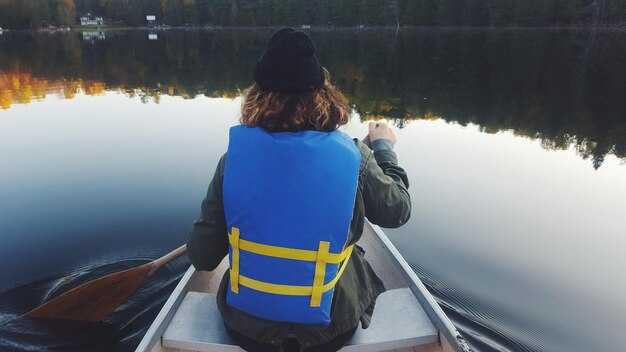
Stay within the weight limit and distribute gear and passengers evenly along the deck. Place heavier items low and centered to keep the center of gravity stable, and avoid riding on the bow or stern when wake rises. This proper arrangement reduces the risk of capsizing and helps you maintain control in conditions that vary; for boating, account for different loads and keep information on hand about how weight affects balance.
Don’t crowd tight spaces or block navigation channels. Keep a safe distance behind other boats, docks, and hazards, and always yield to larger vessels when needed. If you can’t see the channel clearly, slow down and use your sight to stay on a clear track that won’t hinder others. In busy waters, endless traffic requires patience and steady hands.
Use proper signals to indicate your intentions, and avoid abrupt or sudden changes in speed or direction that force others to slow or alter course. The required communication helps others anticipate your moves and reduces the risk of collisions.
During dusk or low-light conditions, keep a steady heading and slow your speed so markers and other vessels stay in sight. Be aware of markers with spikes that indicate restricted zones, locks, or hazards, and stay away from the edge of the channel. This approach lowers drowning risk and keeps traffic flowing.
Keep riding together with the guide or crew when following a designated track, and monitor changes in conditions. If thats not possible, pause to re-balance loads and adjust your plan so the channel remains clear for everyone.
Do: Establish clear on-board communication, plan docking, and practice safe passing etiquette
First, establish clear on-board communication: assign roles, confirm signals, and practice concise calls so every crew member knows who steers, who handles lines, and where to stand during approaching docks or passing opportunities. Don’t operate alone; align responsibilities so the whole team works together toward a safe, coordinated move.
Planifiez l'amarrage avant d'atteindre le point d'amarrage. areas: vérifiez depths, currents, and the space available in narrow channels; map a stable path et verrouiller une séquence d'amarrage avec votre équipage, en tenant compte de mono boats and the paths vous emporterez avec vous le bord de la rivière. Examinez le areas vous passerez et identifierez un plan de secours clair au cas où vous auriez besoin de vous arrêter.
During passing, convientz-vous du côté et position, gardez engines au ralenti, et maintenir un safe gap ; on busy waterways, annoncez vos intentions tôt et évitez de paraître encombrer un navire. Si l'espace est limité, , stop et attendre remontez le courant ou descendez en aval jusqu'à ce que vous puissiez passer en toute sécurité, que l'autre bateau soit en tête ou à votre arrière.
Gardez l'équipage et dogs sur le pont conscient et considéré: maintenir commun courtoisie, know le cours d'eau features, and learn les règles pour chacun areas. Tenir les chiens en laisse et limiter leurs mouvements pendant les manœuvres ; rester dans un stable, centré position et respecter le keel autorisation d'éviter les collisions avec les berges ou d'autres navires.
Après le mouillage, effectuer un débriefing rapide et frequent vérifications: confirmer que les lignes sont sécurisées, les pare-chocs sont en place et les moteurs sont refroidis ; back écartez-vous lentement si nécessaire et vérifiez depths remain safe en sortant de area. Whether vous revenez vers les routes du nord ou vous vous engagez sur une voie plus tranquille waterways, maintenir une main ferme et garder le waterways afin d'éviter les surprises.