


 Français
  English (UK)
  Русский
  العربية
  日本語
日本語  한국어
한국어  Magyar
  Türkçe
  Español
  Čeština
  Svenska
  Português
  Ελληνικά
  Suomi
Suomi  Nederlands
  Română
  Italiano
  Polski
  Українська
  Deutsch
  简体中文
简体中文  Slovenčina
 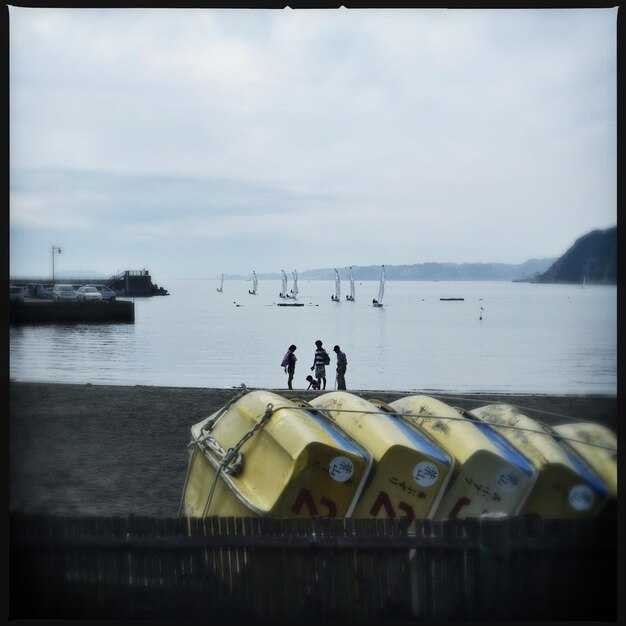 Planification de vacances à la voile – Différences entre location nue, location avec équipage et flottille">

Recommendation: Rent a captained charter for a stress-free start and let the skipper handle the navigation while you navigate the coastlines, arrive at famous anchorages, and enjoy unforgettable voyages and captivant bays. In september-october the seas calm and marinas ease into the schedule, making this option especially appealing for first-time crews and families.
Bareboat charters reward experienced sailors who can manage routing, provisioning, and weather decisions. You must hold a valid sailing license and be prepared to check local regulations and safety gear before departure. Expect to rent a 40–45 ft sailboat for roughly 2,000–3,800 EUR per week in popular bases, with fuel, marina charges, and dinghy rental on top. If you want a flexible pace and the thrill of exploring, this option offers autonomy; otherwise consider a captain or flotilla.
Captained charter balances independence with support. A skilled captain manages local tides, routes, and paperwork, giving you time to relax, dine ashore, or assist at the helm in short legs. English-speaking captains are common in famed bases around the Ionian and Aegean; they can serve as a local guide for hidden coves near ithaca and the Ionian. Expect daily rates around 150–300 EUR for the captain, plus boat rent, with discounts for multi-week trips–great for families or newcomers who want a calm yet perfect pace.
Flotilla navigation groups share the helm under a lead skipper, with coordinated itineraries, port checks, and group social events. You’ll enjoy the camaraderie, while still having room to lie on deck and soak up the scenery. Flotilla costs vary by boat size and route, but expect roughly 1,000–2,000 EUR per boat per week for the rent, combined with crew meals and marina dues. Lefkada, Corfu, and the biggest Ionian hubs host flotillas in the september-october window, with strong dealer networks for gear and support.
Tips for planning: Start with a short list of anchors and check the city where you’ll base your trip. If you want to explore ithaca, plan a route that links Lefkada, ithaca, and other coves with regular tender service. Check with a local dealer about gear and maintenance, and confirm an english-language contact for emergencies. If weather events happen, adjust your plans with the flotilla or captain. If your plans include a trip to the wight coast, factor ferries and overnight passages into the schedule. Arrive a day early to check in, stock the boat, and meet the crew; this reduces stress and sets you up for a smooth start. For best results, align your choice with september-october conditions and book early to secure berths in popular towns.
Choosing the right charter type for a May Amalfi Coast voyage
Choose a captained charter for a May Amalfi Coast voyage to maximize comfort and flexibility. A seasoned skipper guides you through the Sorrentine Channel, unlocks access to crowded coves, and facilitates exploring island havens like Capri and Ischia while you savor the coast’s nautical charm and cuisine.
Bareboat works only if your crew is experienced and ready to manage varying winds across the area. Without a skipper, you must master weather windows, plan offshore legs, and handle entry into busy ports along the coast, where access can be limited. Mastering weather patterns allows you to explore with confidence while you enjoy the cuisine and scenery.
A flotilla offers a social, guided option that still lets you explore on your own days. You stay in rhythm with the lead boat, enjoying stops in white-washed towns across the west coast and access a calmer cove near Praiano, Conca dei Marini, and Li Galli areas. This format blends safety in numbers with the freedom to linger where you want and to sample local cuisine in each port.
Sample May route: base in Sorrento, day trips to Capri island for a swim in clear waters, then a coastal arc to Positano and Amalfi, with stops in Praiano, Fiordo di Furore, and Conca dei Marini for short anchor stays in coves. For longer legs, cruise offshore to Procida and Ischia, or loop along the coast to explore the west coast towns with their white-washed architecture. May’s window offers gentle seas, but winds can shift, so a captain or flotilla lead helps you maintain a steady pace and keep to a sensible schedule with several stops.
september-october brings calmer seas and fewer crowds, making it ideal for deeper exploring along the italy coast and nearby islands. If you’ve been considering broader itineraries, you could compare options in spain or turkey later in the season.
Decision tips: a captained charter suits you if you want mastering the waters with a local expert on hand and a focus on exploring, cove stops, and island visits; some skippers even compare the solent routes for handling tides with the Amalfi coast when planning training. Bareboat requires proven experience and careful planning; flotilla balances guidance with freedom, ensuring you can enjoy the white-washed charm and cuisine without sacrificing safety. Consider your comfort with access to offshore routes, and pick the option that best fits the number of area stops you want to cover and the pace you want to keep down the coast of italy.
Bareboat Charter Requirements: Licenses, Experience, Documentation
Obtain a recognized bareboat skipper license before you book. This ensures you meet the usual requirements and reduces surprises at the check-in when you charter in grenada, the west Mediterranean, or the greek Sporades. A modern credential from a respected body demonstrates your competence and lets you explore with confidence, starting with beach approaches and dinghy handling.
Licenses and endorsements. Charter operators usually require a valid certificate from a recognized authority (for example RYA, ASA, or ICC) with coverage for the vessel size you chartered. Carry the original document, a translated version if needed, and a short listing of your helm experience. For boats up to about 40 feet, many bases accept a certificate of competence; larger yachts typically demand longer logged sea time and, in some cases, a supervising skipper for the first legs.
Experience and proof of competence. Build a logbook showing mastering helm skills during coastal passages and short crossings. Seasoned skippers usually hold 100–200 days at sea and have navigated a variety of wind and sea conditions, more varied than a single coastal hop. If this is your first bareboat renter, limit the first voyages to short hops between villages and beach towns, then add a couple of longer hops as confidence grows. This approach suits holidays with family or friends and works well in destinations such as the sporades, italy, and greek coastlines, where routes mix calm days with occasional sailing between corner ports and points along the coast.
Documentation pack. Prepare your passport (valid at least six months beyond your return), a current ID, and proof of insurance. Bring the charter agreement, the license, and emergency contact information. Operators may require a medical statement or a simple declaration of fitness to sail. Have crew lists ready for the stops and harbour calls, and ensure radio equipment and safety gear are in order for peaceful harbours and open-water sailing.
Destination planning tips. For holidays in grenada or the greek isles, check local rules in advance, as some bases require extra endorsements or a local briefing. Have an alternative plan for each day, including a shorter route to a sheltered beach or village if winds shift. A well-prepared plan helps you cover voyages and keep the experience comfortable for a diverse sailing community, from west winds to east bays, and along the coast toward the coast of italy.
Captained Charter: Onboard Roles, Captain Responsibilities, Safety
Book a captain-led charter and insist on a written onboard roles chart and a 30-minute safety briefing before departure. This setup clarifies who handles charts, watches, and guest comfort, reducing times when decisions stall. With a dedicated captain at the helm, crews know who calls the shots during calm seas and rough weather, and you can settle into the serenity of the voyage with predictable routines along coastline towns, cliffside harbors, attractions, and a touch of dolce vita on every voyage.
Onboard roles: The captain holds ultimate responsibility for navigation, safety, and adherence to routes. He or she sets the watch schedule, reviews weather updates, and makes contingency calls. The mate runs deck operations, handles mooring lines, checks the engine and electrical systems, and guides guests through safety procedures. Supporting crew such as a steward or cook stores provisions, serves meals, and keeps cabins tidy. With the captain in charge, crews rotate through watch duties in defined times, and this structure gives a couple and families a clear rhythm while sailors maintain readiness and comfort.
Safety specifics: The captain ensures safety gear is aboard and in date–life jackets for all guests, a life raft, an EPIRB, and fire extinguishers. Each voyage starts with a muster drill and a quick radio check on VHF. The skipper outlines emergency procedures, rendezvous points, and who to contact in port. Anchor plans consider coastline segments from irish shores to italy isles and the norwegian coast, choosing stable anchorages that protect gear and passengers. When the boat ties to a cliffside mooring, the captain coordinates a careful approach to minimize wake and keep guests comfortable. The crew keeps the galley organized, checks bilge pumps, and maintains clear lines of communication to preserve serenity during sailing and at anchor.
Differences: Compared with bareboat or flotilla, a captained charter centralizes decisions and safety in a single skipper, reducing miscommunication. The captain manages weather, anchorage choices, port calls, and provisioning with partner companies, and can tailor voyages to your preferences–whether a couple seeking charm in citys with waterfront attractions or a family exploring irish shores and italy isles. Though the upfront cost includes captain’s time and crew service, you gain steady routines and predictable schedules, with clear responsibilities for each leg and more time to enjoy serenity and the coastline without juggling every detail.
Flotilla Sailing: Group Coordination, Lead Boat, and Social Flow
Plan with a single lead boat (skipper) who coordinates the fleet using a dedicated VHF channel and a messaging app; this keeps maneuvers predictable and reduces confusion.
Before you sail, map a plan that links each stop to shelter options and markets for provisioning; choose a favourable harbour or open cove for each night, and if you pass through citys you can stock up.
Lead boat tasks include navigating the group, marking the route on shared charts, and maintaining a buffer for varying wind and currents; though itineraries vary, keep a core safety routine and dock procedures clear for every port.
Beginners benefit from pairing with an experienced skipper; youve got a faster learning curve when the lead boat demonstrates simple routines and clear signals you can manage yourself.
Social flow matters: plan a light rotation of duties, open the deck for conversation, and designate a dealer to organize provisioning from the markets–this keeps food fresh and timing predictable during July or other peak periods.
To illustrate place variety, you can imagine routes near alonissos with open coves, or iconic stops around Scilly where history-rich caves become photo moments; even trips toward guadeloupe or bora markets can inform the pace and safety standards you apply back home.
| Time | Route/Anchor | Lead Boat Action | Social/Notes |
|---|---|---|---|
| 08:00-12:00 | Open water leg to a nearby open cove near alonissos | Navigate with the fleet, keep 1-2 boat spacing | Brief coffee and safety check |
| 12:30-15:00 | Lunch anchorage with sheltered approach | Re-check provisioning with dealer | Sun, swim, light chatter |
| 17:00-19:00 | Return to dock or a favourable harbour | Dock coordination, stern line order | Group dinner on deck |
May Weather and Sea Conditions on the Amalfi Coast
Book a May rental with a skipper to handle variable sea conditions and keep your cruise flexible.
In May, the Amalfi coast shifts toward warmer days and calmer mornings, while sea conditions still offer lively sails for those seeking a memorable experience. Expect comfortable temperatures, with water warming enough for a early-season dip in favored spots. Use the following data as your quick-reference guide for those planning a peaceful, magical spring voyage along the coast.
- Air temperatures hover around 23–26°C during peak afternoons, with nights cooling to 15–18°C. By the end of the month, warmer days push toward summer comfort, but evenings can feel fresh near coastlines and hill towns.
- Sea surface temperatures range from roughly 18–21°C, rising as May progresses. Those who plan regular swims will find the water increasingly inviting, especially in sheltered bays.
- Winds are typically light to moderate, with seabreezes building in late morning. Most days see 8–15 knots, occasionally reaching 18–22 knots on stronger days or during sirocco pulses from the south. Expect calmer mornings and brisker afternoons.
- Sea state is usually gentle to moderate. Short-period waves calm quickly in shelter, while open stretches may offer a pleasing chop for seasoned skippers. Heavy swells are uncommon but possible with shifting weather fronts.
- Forecasts shift daily; rely on local information and connected forecasts from port authorities and seasoned skippers. Check a reliable forecast each morning before departure, especially if you plan to push toward Capri or Li Galli.
- Tides along the Tyrrhenian coast are minimal, so currents won’t dominate your planning. Anchoring decisions hinge more on wind shifts and protection than tidal gates.
- Best sailing times are from late morning to early afternoon when winds pick up and seas are steadier, creating smoother passages between the famed spots and quaint towns.
Practical planning tips for May sailing along the Amalfi coast:
- Choose a rental with a skipper or join a flotilla so your party can adapt to changing winds without sacrificing enjoyment at those beloved corners of the coastline.
- Favor sheltered corners and bays–Praiano, Fiordo di Furore, and Conca dei Marini–especially on windier days, to keep peaceful anchorages and safer, more comfortable nights.
- Start days early to enjoy calmer seas and cooler mornings; reserve afternoons for beaches and quaint town strolls after a restful sail.
- Plan visits to the spots that pair great views with good beach access, such as Positano’s beaches and Amalfi’s promenade, then pivot to Capri or Li Galli when weather allows.
- In towns with renowned wines and dining, reserve evenings for culinary experiences after short sails from anchorages; those moments elevate your knowledge of local culture and flavors.
Anchor and route considerations by destination:
- Positano and Praiano: deep coves and protected moorings near the town harbors, ideal for serene nights and easy dinghy trips to the quaint streets.
- Amalfi and Atrani: sheltered harbor options with easy access to the famed cathedral squares and a range of rental boats from small skippers to larger capacity charters.
- Conca dei Marini and Fiordo di Furore: quieter spots with dramatic clifflines, perfect for peaceful mornings and photography at each corner of the coast.
- Capri and Li Galli: plan longer hops when wind and sea cooperate; use reputable skippers to navigate capricious currents and busy marina spaces.
Overall, May offers a magical balance of comfortable temperatures, manageable seas, and a peaceful rhythm that suits a variety of sailing experiences, from a relaxed rental to a more ambitious cruise. With warm days, calmer mornings, and a handful of renowned spots just offshore, those who plan thoughtfully can enjoy a paradise-like coastal experience–where every corner reveals another beauty, and every day blends wine-soft evenings with sunlit sails.
Itinerary Design: Capri, Positano, Amalfi, and Sorrento Highlights
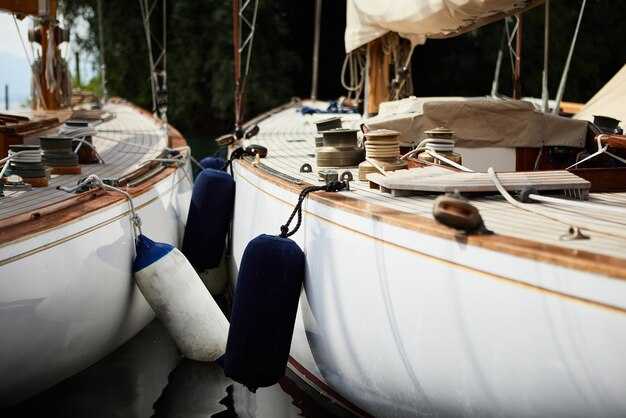
Begin your Capri-first itinerary with a dawn arrival at Marina Grande, drop anchor in a sheltered cove, and set your sailboat on a route toward Positano with a mild wind during march or october.
Capri delivers mesmerising seascapes, authentic flavours, and warm experiences that connect salt air with hillside charm. lets your crew hear the sounds of the coast as you glide past towering cliffs, pause briefly in a sheltered cove for a swim, and enjoy a lunch sourced from local producers. Think in terms of ithaca routes and plymouth provisioning ideas, but let Capri remain the anchor of this stretch.
From Capri, sail the short stretch to Positano, threading the channel between headland and sea with a backdrop of colourful cliffside houses. This leg is a must for many crews, especially in march and october when light is forgiving and the town feels lively yet manageable. The horizon widens over the bay as the streets teeming with people reveal cafés, stairways, and lookout points.
Next, cruise to Amalfi to anchor near the historic harbor, stroll the waterfront, and sample lemon-forward flavours in a waterfront trattoria. The coastline features viewpoints taken by generations of sailors. In the afternoon, head to Sorrento and drink in the warm aroma of coast-grown olives and seafood pasta while watching the ferries go along the channel. You can also take a short walk to a viewpoint over the sunlit bay, then return to your berth.
Back in Sorrento you reset your base, then plan a circular option back toward Capri or a detour to alonissos if time allows. Ensure your chart marks the shallow channels and safe areas, and keep mornings calm for easier transitions. If you wish, extend the route to alonissos for a Greek sidestep. A sunset over the horizon, with a lively skyline and teeming streets, closes this coastal run with authentic experiences and flavours for your crew.
Budgeting and Inclusions: Fees, Fuel, Moorings, Provisions
Set a weekly budget cap of 900–1200 USD per boat for a 7-day charter, and reserve 15–25% of the base rate as an APA for provisioning and crew gratuities. This keeps life on board predictable and creates a clear window for fresh provisions in grenada and along the grenadines.
Fees include the base charter price plus an APA, security deposit, and any marina or port dues. For captained charters, add a 5–10% tip; flotillas often use a small per-person contribution. If you sail with a norwegian-flag operator, confirm which inclusions are guaranteed and which costs remain extra to avoid surprises.
Fuel is usually charged separately or capped. Expect 8–12 L/hour on a 40–45 ft boat, yielding roughly 60–150 L across a 7-day period depending on wind and engine hours. A(n) adventurous itinerary with crossing between islands can push consumption higher. Plan ahead for fuel at grenada or other island stops, and reserve a small buffer to cover unplanned delays, as wind shifts may require engine use along a coastline that is picturesque et dramatic.
Moorings vary by location. Expect 30–60 USD per night for standard marina berths in the busy coast zones; premium spots rise to 70–150 USD. Private moorings in secluded bays can be 15–30 USD, but services are limited. For british crews, confirm hours and safety procedures before arrival; many popular coasts are known for busy schedules, so book early to avoid infamous price spikes week after week. Always check if a mooring field accepts boats of your length and draft, and prefer safe options to ensure you travel safely along the coastline.
Provisions: In grenada, source authentic, fresh produce at markets to keep meals varied and affordable. Plan a provisioning window of 48–72 hours before departure to stock staples, dairy, meat, and fresh fruit, then top up in grenadines ports as needed. Keep a mix of fresh items (bread, greens, fruit, fish) and long-lasting staples (pasta, rice, canned goods). For italy-inspired meals, stock olive oil, canned tomatoes, and pasta. Align provisions with your coastal route along warm, picturesque coastlines and secluded anchorages, and divide shopping duties to match crew abilities while maintaining tranquillity on board. This approach helps you safely enjoy every crossing and supports a flexible life aboard.