


 Français
  English (UK)
  Русский
  العربية
  日本語
日本語  한국어
한국어  Magyar
  Türkçe
  Español
  Čeština
  Svenska
  Português
  Ελληνικά
  Suomi
Suomi  Nederlands
  Română
  Italiano
  Polski
  Українська
  Deutsch
  简体中文
简体中文  Slovenčina
  Sailing in Thailand – The Ultimate Guide to Island Hopping and the Andaman Sea">

Begin with a sheltered anchorage in Ao Phang Nga Bay for your first night, then break the day with a steady, island-by-island hop along the coast. This route connects long passages with calm bays, which keeps you safe. For every stop, look for buoys for mooring and read the signs posted by marine parks to stay compliant.
The core routes center on the Similan and Surin marine parks, where uninhabited islets rise from the sand and long reef walls shelter marine life. If you plan to stop here, arrange permits in advance or book through a licensed operator who handles the process. For breaks between hops, overnight anchorages offer quiet time beneath starry skies, while tours from Phuket and Khao Lak provide guided routes that reduce risk and manage waste. For a detour, head toward phai, a cluster of islets that links to sheltered bays and steady windward legs. Every year, this region attracts many yacht crews who prefer a calm pace and a respect for park rules.
When planning, keep a flexible schedule: seasons vary by month, and weather shifts can alter safe options. In the dry season, routes stay within sheltered bays and near protected reefs, while in the monsoon you may need to shorten hops. Always monitor buoys, signs, and local regulations; paying attention helps avoid fines. Adjust overnight stays before a squall forms to avoid disruptions. A practical kit includes water, a sun shade, and a portable charger; keep the crew informed and ready to react.
Anchoring etiquette matters: drop the hook well away from coral and approach slowly to avoid disturbing life. In marine parks, use designated mooring buoys if available and avoid bottom-sitting on fragile reefs. Many coastal towns along the Andaman offer shore-based tours and services for repairs, while some operators provide overnight stays aboard with meals onboard. If you anchor near uninhabited islets, keep noise down, respect wildlife, and pack out all you brought in to minimize impact, being mindful of wildlife.
For your packing list, bring reef-safe sunscreen, lightweight clothing, a windproof layer, a waterproof bag, and a compact medical kit. Ensure your charts are current, and have a reliable GPS and compass as a backup. Update every chart and plan your days with a simple outline, keeping the crew informed with clear checks and goals, and set aside a few sunlit breaks to enjoy calm sand beaches along the way.
Practical, action-oriented plan for Koh Samui and the Andaman Sea
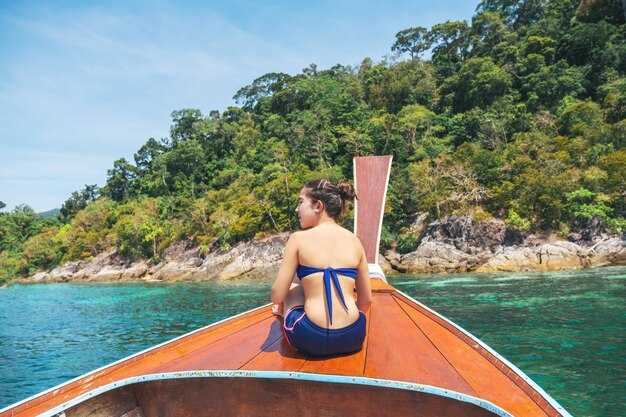
Base samui as your hub for the Gulf-to-Andaman arc. Drop anchor in Lipa Noi or Nathon to simplify provisioning, then set a simple system that keeps morning departures on track. From bangkok-supplied groceries to fresh market finds on samui, you will have many options. Use haad coves along the south coast for safe anchoring, and plan to sail west after a solid warm-up. This article offers a practical, action-ready framework that matches a range of speeds and weather.
Morning departures optimize wind and visibility, letting visiting samui’s villages such as Bophut and Choeng Mon before lunch. Drop anchor in sheltered haad coves for a quiet midday break, then resume sailing toward the next stop. Match pace with the crew to keep the schedule exciting without rushing. Onboard notes emphasize provisioning, water management, and keeping a clear mark on the chart for each port.
From samui, set your course west to the Andaman coast. The first leg targets Phang Nga Bay’s coves and sea stacks, where anchoring behind protected rocks works well in light winds. You will find numerous anchorages that match views toward limestone cliffs and caves. After Phang Nga, sail to Krabi Town and Ao Nang, then hop to Phi Phi and Phuket’s marinas for fuel, water, and fresh supplies. Ports along this stretch support occasional party nights on board, as well as quiet evenings onboard with views of sunset over karst formations.
Attention remains on safety. Maintain a daily log, update weather checks, and keep a checklist for anchoring gear and safety equipment. The plan remains flexible to weather windows and crew energy. For a true reader’s experience, file a quick article after each leg to track what works best and what to improve.
Region offers numerous opportunities to mix a traditional island vibe with modern comforts, from quiet haads to lively nights in samui’s neighbor ports. The plan provides exciting options, with a mix of anchoring, drop-offs, and shore visits that will make memories.
7-Day Koh Samui Sailing Itinerary: Day-by-Day Route, Distances, and Anchorages
Recommendation: Start Day 1 with a direct 22–24 nm hop from Koh Samui to Ang Thong National Marine Park, anchoring in a sheltered bay for a sunset you’ll remember.
Day 1 – Koh Samui to Ang Thong National Marine Park (22–24 nm). Set a steady course to the archipelago’s central bays, where hidden limestone formations rise from emerald water. Pick a protected cove on the lee of Mae Ko Island for an overnight, then wake to peaceful scenery and calm mornings. Keep a flexible plan to chase the best light and quieter spots, then head out for a closer look at sea caves or hidden lagoons when the seas cooperate. Official park rules require responsible behavior and gear stowage at anchor, so secure winches, fenders, and spare lines in the grounds of the cockpit. Look for world-class sunsets from the stern, and confirm a nearby marina option if weather shifts.
Day 2 – Ang Thong to Koh Phangan (12–18 nm). Slide along the western edge of the archipelago and set course for Koh Phangan’s quieter coves, such as Haad Salad or Thong Nai Pan Noi. Expect turquoise water, scenic cliffs, and fresh air at the helm. Use a shorter day to rest the crew and check gear after a night at Ang Thong. Nearby dive shops and snorkeling spots offer underwater life, while reefs stay in good form for safer snorkel sessions. Anchor at a sheltered beach and enjoy a chic, peaceful evening with a view of the pink horizon as sunsets bloom. If a berth opens at a small marina near Haad Rin, you’ll have an official option for shore amenities.
Day 3 – Koh Phangan to Koh Tao (25–28 nm). Set a steady pace to Chalok Bay on Koh Tao, a favorite for its calm lee and world-class snorkeling scenes just offshore. On the way, you’ll pass close to rocky islets where you can watch unique underwater formations from the surface. Stop for a mid‑day swim and fresh fruit, then anchor in Chalok Bay for a chic, quiet night. This shorter leg lets you stretch lines, refresh provisioning, and keep the crew content. Look longer at the map to pick a second option near Shark Bay or Ao Leuk if the wind shifts, then keep a flexible schedule to chase better light and calmer seas.
Day 4 – Koh Tao to Koh Samui (west coast) (18–24 nm). Return toward Koh Samui with a focus on Lipa Noi or Maenam as your overnight anchorages. Expect scenic coastline, sand‑top beaches, and a slower tempo after Koh Tao. Fresh air, smoother seas, and an easier dinghy ride to shore make this a good day for maintenance checks and gear inspection. Nearshore reefs provide near‑shore underwater color, while a quiet anchorage in Lipa Noi offers peace after three lively days. If conditions allow, enjoy an evening walk along a chic beachfront and a longer look at the lights on the water. A nearby marina option exists for official fuel and provisions if needed.
Day 5 – Koh Samui to Koh Taen (hidden spots and reefs) (6–12 nm). Slip into the calmer southern waters toward Koh Taen, a hidden gem with quieter coves and protected bays. Anchor off a sheltered coast near coral reefs and gentle snorkeling grounds. The day’s pace remains short, allowing you to savor fresh sea breeze and slower rhythms. Look for underwater life weaving around rock formations and sandy patches; you’ll find spots where the water stays clearer and the crowds fade. This is a great chance to review safety gear, top up drinking water, and enjoy a peaceful, near‑private evening in a quiet corner of the bay.
Day 6 – Koh Taen back to Koh Samui (Maenam or Bophut) (8–12 nm). Return to Koh Samui and pick a quieter anchorage in Maenam or Bophut for a breezy, peaceful night. This leg keeps the pace relaxed, so you can notice small details–the color shifts in the water, the scent of frangipani on the cockpit, and the look of the coastline at golden hour. Fresh provisions, a quick hull check, and a flexible plan mean you can switch to a marina for official services if needed, or linger at anchor and enjoy the islands’ slower tempo. Sunset views from the deck highlight the Pacific‑like palette and the Andaman‑styled charm that Thai waters offer in this region.
Day 7 – Koh Samui wind-down and return to base (10–14 nm). Cruise a circular route along Koh Samui’s western shore to a final anchorage near Nathon or Chaweng’s outskirts. This last day emphasizes comfort and gear checks, with a short hop that keeps the crew fresh for the final dock. Take a long look at the horizon as the lights come on, and plan a post‑cruise evening at a nearby marina or a quiet shorefront spot that matches the trip’s chic, peaceful vibe. If you want to extend, Leela‑style charters offer a flexible option for a longer stay or a tailored add-on to sample more spots, with official guides and fresh gear recommendations included. This route keeps a memorable balance of hidden bays, scenic coastlines, and world‑class sunsets, so countrys from around the pacific can share in the look and feel of a true Thai island hopped odyssey, andaman‑flavored still, within reach of Koh Samui’s grounds and easy land access.
Best Weather Window and Tidal Considerations for Andaman Sea Sailing
Attention: plan the core sailing window for November through April; this is the best period for stable days and crystal-clear seas across the Andaman coast. You’ll enjoy gentle to moderate winds, many sun-filled days, and smooth hops between Railay, Phi Phi, Phuket, and marina-dotted ports along the route. With proper planning, your crew can cover beautiful areas, stay in sheltered anchorages near villages, and offer chic experiences at every destination.
Within this window, tidal variation remains manageable: typical ranges 1–3 meters by moon phase, with spring tides around full and new moons and neap tides closer to 0.5–1 meter. Enter bays at slack water to minimize current and avoid shoal risks near Railay, Phang Nga, and Koh Phi Phi. When you drop anchor, use a scope of 5:1 in good holding mud so you don’t drift in gusts. Be mindful of needle-like coral heads near some reef drops that can surprise even an experienced crew.
During May–October, plan for monsoon season realities: more rain, stronger winds, bigger seas, and many days with rough conditions. Some areas become impossible to visit; Similan Islands typically close to boats, and you should adjust plans to sheltered bays such as Ao Nang, Phang Nga Bay, and coastal villages along the route. If you push beyond the core window, target short hops and stay near protected coastlines rather than venturing far from shore.
Practical tips for a smooth cruise: coordinate with fishermen in coastal villages to learn safe channels and sheltered drops; check local notices for protected areas and permits at major destinations–attention to regulations saves delays for your destination. Whether you sail a superyacht or a smaller craft, the means to safe navigation are the same. Reserve a calm night near Railay’s chic surroundings, consider anchoring near bambo huts on shore, and plan provisioning at Phuket or Krabi to keep the crew ready for multiple days of beautiful island hopping across many areas.
Boat Charter Options, Licenses, and Insurance for Thai Waters
Choose a licensed operator with full registration and comprehensive insurance for any Thai charter. This guarantees safety, compliance, and smooth handling of permits and emergencies across the region.
- Charter options
- Crewed charters with a skipper and crew for hopping between Krabi, Phi Phi, Hong Island, and other Andaman destinations, with on-board service and catering.
- Bareboat charters for experienced sailors who hold valid licenses and a proven track record, ideal for extended cruising and exploring more remote coves.
- Party or wedding charters that design a private itinerary along emerald waters and waterfront coves, with tailored food, decor, and entertainment.
- Family-friendly charters with relaxed pacing, sheltered anchorages near haad beaches, and short hops suitable for all ages.
- Vessels range from small motor yachts to modern catamarans and sailing yachts, suitable for destinations across Krabi region and the Andaman Sea.
- Licenses and registration
- Vessel registration must be current with the Thai Marine Department and shown on request.
- Captain and crew hold valid licenses appropriate to vessel size and type, with certificates clearly linked to the vessel.
- Operators must comply with countrys rules and Thai regulations for charter activities in the Andaman Sea, including Haad- and Hong Island routes.
- Ask for a formal safety plan and port-of-call permissions to avoid delays at coastal location hubs.
- Insurance and safety
- Hull and machinery insurance plus third-party liability coverage are standard for commercial charters.
- Protection and indemnity (P&I) is recommended for larger crews or event-focused charters (weddings, corporate parties).
- Medical evacuation and passenger accident protection should be included or available as add-ons.
- On-board safety gear includes life jackets for all guests, life rafts, fire extinguishers, a functioning VHF radio, EPIRB, and clear emergency procedures.
- Practical considerations
- Les courants et les marées varient selon l'endroit ; les côtes de Krabi et les chenaux de Phi Phi peuvent rendre la navigation difficile – prévoyez des plans flexibles et un itinéraire alternatif.
- Vérifiez les attractions autour des criques d'émeraude, des plages de Haad et d'autres destinations afin de structurer un programme efficace qui minimise les longs transferts entre les arrêts.
- Les déjeuners et la restauration à bord peuvent être organisés – coordonnez-vous avec l'opérateur pour des plats thaïlandais locaux ou des options internationales selon vos préférences.
- Établir un itinéraire réaliste pour un voyage à l'année, préservant du temps pour des expériences nature et des sauts d'île en île entre des mouillages paisibles.
- Veuillez demander la localisation de l'opérateur, son port d'attache et les détails d'enregistrement afin de vérifier sa légitimité et de simplifier l'enregistrement aux bases de Krabi, Haad ou Hong Island ; envisagez une autre option si un plan manque de clarté.
- Coûts et conseils de réservation
- Les composantes du devis comprennent le tarif de base du navire, les coûts de l'équipage, le carburant, les taxes portuaires et l'avitaillement ; recherchez une offre transparente tout compris.
- Comparez les forfaits qui couvrent les entrées aux récifs coralliens, les excursions d'île en île et les excursions guidées vers des destinations telles que les villes riveraines de Krabi et les destinations de Haad.
- Vérifiez les conditions d'annulation, les listes d'équipements et les options de transfert à terre pour éviter les frais cachés pendant les périodes de pointe ou les jours fériés.
- Négociez une offre groupée incluant un autre service pratique, comme les transferts aéroport ou le ravitaillement, pour simplifier la planification.
Pour les voyageurs en quête d'une alternative aux itinéraires surchargés, concevez un plan personnalisé qui équilibre nature, cuisine et culture à travers ces régions, la côte d'émeraude et au-delà. Un opérateur bien choisi rend les mariages, les fêtes ou les simples excursions d'île en île réalisables année après année dans les eaux Andaman de la Thaïlande.
Mouillages, Corps-Morts et Escales Côtières Autour de Koh Samui et des Îles Voisines
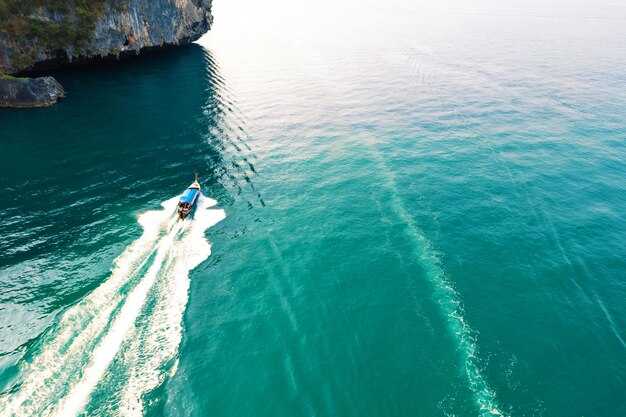
Planifiez une boucle de deux nuits de découverte d'îles qui commence dans la baie de Choeng Mon, sur la côte nord-est de Koh Samui, puis se poursuit vers Koh Taen pour une pause secrète de snorkeling, et se termine par une nuit près du parc marin national d'Ang Thong. Nous recommandons cet itinéraire pour ses eaux abritées, son approvisionnement facile et ses nombreux spots de snorkeling autour d'îlots inhabités ; vous partagerez l'eau avec de nombreux bateaux, mais trouverez toujours des mouillages tranquilles pour vous détendre.
La baie de Choeng Mon est située sur la côte nord-est et offre une protection calme même lorsque les alizés se lèvent. Les bouées offertes par les opérateurs locaux sont nombreuses, et une courte navette vous amène aux restaurants de plage et à une poignée d'étals de produits frais. Les points de ravitaillement en carburant et en provisions sont faciles d'accès depuis Nathon ou Bangrak, et vous pouvez vous diriger vers Koh Phangan pour une autre étape lorsque l'envie vous prend.
Koh Taen présente une autre option secrète : un îlot inhabité avec une crique abritée, une eau claire et des récifs idéaux pour la plongée avec tuba. Le rivage abrite une simple cabane servant du poisson frais et du khao, et la longue et fine plage est parfaite pour un débarquement discret de matériel ou une courte promenade vers des bancs de sable qui semblent véritablement privés.
Le parc national marin d'Ang Thong offre un mélange unique d'îlots, de lagunes marines et de falaises calcaires spectaculaires, idéal pour les excursions. Il existe de nombreux mouillages, et le règlement du parc exige un permis préalable. Utilisez les bouées d'amarrage autant que possible pour protéger les fonds marins et les récifs ; c'est un endroit fantastique pour admirer le lever du soleil dans les lagunes et visiter des criques isolées qui donnent l'impression d'être à des années-lumière de la côte principale.
Conseils de planification saisonnière : la meilleure météo est de novembre à avril ; surveillez les prévisions et restez flexible au cas où un front se déplacerait. Apportez du matériel robuste, des amarres supplémentaires, des pare-battages et une ancre de rechange ; vous voudrez coordonner avec les opérateurs locaux pour le carburant et les provisions fraîches. La côte autour de Koh Samui offre de nombreuses options, des plages secrètes aux escales inhabitées, avec des restaurants et des locations de matériel à proximité pour rendre votre navigation fluide et agréable.
Ravitaillement, Équipement de sécurité et Confort à bord pour la navigation entre les îles
Préparez une trousse médicale compacte et étanche, ainsi qu'un sac étanche de rechange pour chaque étape de votre voyage d'île en île. Incluez des remèdes contre le mal de mer, des lingettes antiseptiques, une pommade antibiotique, du sparadrap, des ciseaux et un guide de premiers secours de base. Emportez une petite trousse d'outils marins et une lanterne rechargeable, ainsi qu'un jeu de piles de rechange pour l'équipement essentiel sur le pont.
Planifiez votre approvisionnement en combinant des produits traditionnels stables à température ambiante avec des plats prêts à consommer, afin de pouvoir vous réapprovisionner facilement aux points d'entrée proches de centres importants comme Ranong, ainsi que dans les marchés autour de Surin et Racha. Stockez le poisson en conserve, le riz, les pâtes, l'huile et les épices dans un casier sec à portée de la cuisine, et conservez les légumes verts et les fruits dans une glacière compacte si votre navire en est équipé. Visez un approvisionnement de 3 à 4 jours par personne et ajustez-le en fonction de la chaleur ; si vous avez peu de temps de préparation, optez pour des repas préemballés afin d'accélérer vos visites à terre. Tenez un registre d'inventaire simple pour suivre ce que vous avez utilisé et ce dont vous avez besoin pour la prochaine étape, en vous assurant que vous avez suffisamment de provisions pour atteindre le prochain parc ou la prochaine plage.
Équipement de sécurité requis : un gilet de sauvetage par personne, un flotteur lançable, un dispositif de signalisation sonore, une lampe de poche étanche, des piles de rechange et un extincteur de base. Incluez une radio VHF portative et, pour les trajets isolés, une EPIRB ou une PLB. Vérifiez l'ajustement et l'état des gilets de sauvetage, testez le sifflet et inspectez les amarres et les défenses avant chaque étape. Gardez une trousse de réparation simple et des pièces de rechange dans un coffre accessible.
Le confort à bord repose sur l'ombre, la circulation de l'air et les espaces organisés. Installez un bimini ou un taud de pont, utilisez des ventilateurs portables et privilégiez les tissus respirants dans les espaces de couchage. Gardez les couchettes au sec avec des absorbeurs d'humidité et emportez une couverture légère pour les nuits venteuses. Rangez le matériel de cuisine et les denrées non périssables dans des paniers clairement étiquetés pour accélérer le réapprovisionnement et réduire l'encombrement après les visites à la plage.
La stratégie de mouillage privilégie les baies calmes avec une bonne tenue et un accès sûr aux côtes calcaires avoisinantes. Testez brièvement la tenue avec un mouillage court, puis réglez la longueur de chaîne et fixez les défenses. Ayez une ancre et une ligne de mouillage de rechange pour différents types de fond, et entraînez-vous à la récupération en eau peu profonde dans un endroit sûr avant de vous aventurer en pleine mer. Restez attentif aux courants près de Surin, Ranong et Racha, et utilisez cette approche pour profiter de paysages incroyables et d'escales paisibles et dynamiques dans des criques verdoyantes et des plages de parcs aux rivages calcaires.
Une fois que vous avez réglé l'avitaillement, l'équipement de sécurité et votre routine de confort, établissez une liste de contrôle simple avant le départ concernant le navire, l'équipage et l'équipement. Notez ce qui doit être réapprovisionné, quel équipement nécessite un entretien et quels articles de confort vous souhaitez pour la prochaine étape, afin que vos plans de navigation hauturière restent agréables et sans encombre le long de la mer d'Andaman.