


 Français
  English (UK)
  Русский
  العربية
  日本語
日本語  한국어
한국어  Magyar
  Türkçe
  Español
  Čeština
  Svenska
  Português
  Ελληνικά
  Suomi
Suomi  Nederlands
  Română
  Italiano
  Polski
  Українська
  Deutsch
  简体中文
简体中文  Slovenčina
 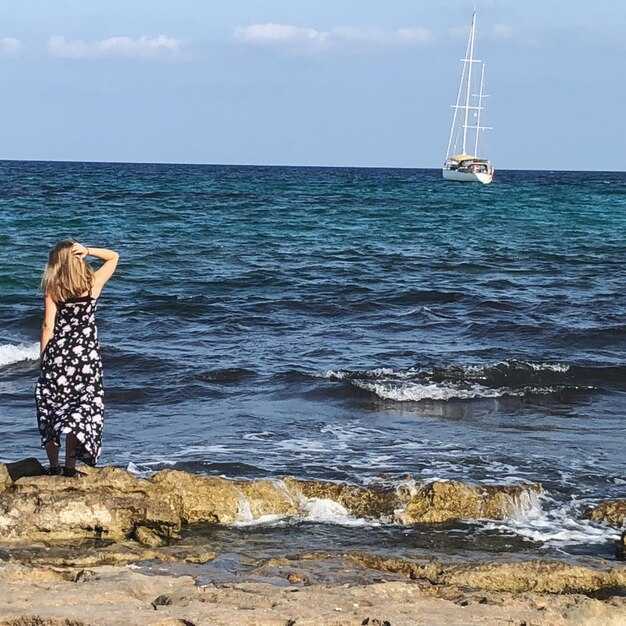 Sailing in Spain – The Perfect Haven for Sea Lovers">

Start with a round coastal loop from the Basque coast to Galicia, then arc south into the Balearics for a balance of rugged beauties and sheltered harbors. This approach keeps passages practical and lets you compare northern winds with southern calms, setting a steady pace for your voyage.
Along the northern coast you meet a variety of towns, from large port cities to smaller fishing villages. They each reveal coastal life with distinct flavors, and the scenery shifts from cliff-backed shores to sheltered estuaries, offering comfortable anchorages and the option to shorten legs if you prefer a shorter night at sea.
From palmas on Gran Canaria to the mainland, you’ll feel the year-round pulse of the sea. Each year, sailors return for reliable winds and predictable harbors. In busy ports you’ll pay higher cost per night, while in smaller harbors you’ll find more intimate moorings for about 40–70 EUR nightly. After sunset, many bays invite night swimming and a fresh breeze to wake your senses before bed as you drift toward the next anchor.
Head toward Galicia for the unique coastal beauties and a culture-rich land where you can plan a day ashore to explore santiago, then return to the boat for a sunset sail. This inland detour complements the maritime pace with culture and architecture, enriching the trip with unique experiences and coastal beauties.
For a practical frame, plan a final leg to Toro’s wine country after your coastal circuit, or combine a short inland loop to taste the best of Spain’s countryside. The route offers a variety of bays, coves, and lagoons where you can swim, fish, or simply drink in the fresh air and watch the sun dip behind rugged headlands, all while keeping the costs manageable and the pace comfortable.
Guide to Sailing in Spain
Fly into Malaga and book a sailing charter via Boataround for weekly trips along the Costa del Sol, then plan a Tenerife leg for a diverse holiday.
That blend of beaches and open-water passages lets you reset each day with a fresh horizon. Stay flexible to mix sheltered hops with longer sails.
The best windows are late spring and early autumn when steady winds shape easy days; the swells around Tenerife add exciting options for the crew seeking variety.
Main hubs and access: Malaga is the main gateway to southern Spain, while Tenerife anchors the Canary route; both have airports with frequent services and boats available for centre-based charters.
Beaches and havens along the coast invite flexible plans where you can anchor near protected coves, a haven for rest, after long hops and still reach lively towns.
Boataround connects you to a wide range of main routes and trips, with weekly options for bareboat or skipper-led formats, routes which suit your pace.
Practical tips: verify weather forecasts, check port fees, and confirm licenses; plan around ports in the Malaga centre or the Tenerife base if you want a longer-scale voyage.
Best Atlantic routes from Galicia to Basque Country: choosing a starting point and season
Start from A Coruña in Galicia, the recommended starting point, in May or September for the best balance of winds and seas. This keeps the level of risk approachable for a capable crew, while nearby ports provide provisioning and marinas with reliable wi-fi, and harbor protection. The wide, pristine coastline allows a flexible itinerary toward the Basque Country, with asturias as a natural nearby leg for a gentle first hop. If you prefer a shorter intro, Ferrol or Luarca offer nearby options with similar protection and a strong nautico vibe. Definitely plan the first leg to Santander at roughly 180–210 NM, then continue 60–90 NM to Bilbao, adjusting for forecast and currents.
Seasonal window and winds: late spring (May–June) and early autumn (September–October) deliver mostly steady conditions, with winds from the west-northwest averaging 15–25 knots and manageable seas. Winter adds stronger Atlantic lows, increasing risk; though experienced crews can handle it, you should rely on protected harbors and shorter hops. To navigate confidently, hire an expert skipper or pair up with a crew that has solid nautico credentials. If you crave a longer voyage, you can link this northward route with canaries or menorca extensions during milder months, always returning to a southern detour before rejoining the Basque coast. For enthusiasts, this setup works well as a stepping stone to longer, more ambitious itineraries.
Route structure and practical stops: begin A Coruña, hop to Luarca or Gijón for rest and provisioning, then press to Santander and finish in Bilbao. Distances fit well on multi-day passages: A Coruña–Santander about 180–210 NM; Santander–Bilbao about 60–90 NM. Along the way you’ll discover famous towns, protected harbors, and occasional pimpi bars where you can enjoy local wine and a quick wind check. For a more offshore feel, a direct Bilbao leg is possible in stable weather, but that demands careful planning and a ready crew. If you want a southern detour, malaga, churriana, and cabopino offer warm-water breaks, and you can loop to canaries or menorca later on for a longer, more ambitious voyage; you’ll also enjoy less crowded anchorages in sheltered bays depending on the season.
License, permits, and experience thresholds for Spain’s Atlantic coast
Get the right skipper certificate and ensure your vessel papers are current before you sail Spain’s Atlantic coast. Verify vessel registration and insurance, carry a valid VHF radio license, and have an EPIRB on board. Keep maintenance records up to date and perform a thorough pre-departure check; these things help when winds shift or fog rolls in. If you plan to enter protected zones, consult Capitanía Marítima well in advance for required permits; parc authorities along the coast may restrict anchoring or landing within designated areas. In galicias, plan for several checks with local authorities, and map your route to avoid restricted zones where needed.
What you need to document and obtain adds up to a practical list: vessel registration, proof of insurance, crew certificates for the skipper and any onboard trained members, a radio license for VHF use, and safety gear up to maintenance standards. For entries into Parc zones, you may encounter landing or anchoring limits that require a specific parc permit. Always verify current rules before you depart, especially if your plan crosses into the Las Islas Atlánticas de Galicia or other protected zones.
In parc zones along the Atlantic coast, you will find that permissions can change with the seasons and nesting periods. Factor in the delta area near the Guadalquivir for seasonal restrictions and designated moorings; this significant area demands careful scheduling and respect for wildlife rules. While you chart your course, keep in mind that several anchorages near galicias offer reliable shelter, but you must respect local regulations and avoid restricted basins during sensitive periods.
- Galicias coastal itineraries: start from A Coruña or Ferrol, sail through the rías, and progress toward Vigo and Baiona. Keep daily legs modest (20–40 nautical miles when possible) and choose daytime passages during summer trade winds. This approach builds experience while maintaining safety.
- Atlantic ring routes to the Guadalquivir delta: if you extend your voyage south, plan a conservative pace with backup anchorages near Cala de la Isla or Puerto de Santa María, and verify mooring options before entering the delta region. Keep a close eye on currents and wind shifts.
- Canaries addition: arguineguín serves as a reliable provisioning and maintenance hub when heading farther offshore; use it as a milestone for longer ocean passages, especially in winter when tradewinds are favorable for west-to-east legs along the Canaries and back toward the mainland.
When it comes to onshore stops, you’ll find delicious options, including wines and seafood in galcias ports. In vilanova and nearby towns, several restaurants serve authentic regional dishes that pair well with local wines; plan evenings for entertainment and informal maintenance checks in harbors that feel welcoming after a day at sea. Also, if you crave a change of scenery, consider Málaga as a cultural detour to contrast Atlantic sailing with Mediterranean energy, though keep in mind the sailing conditions and required permits if your route crosses into different maritime zones. Winds along the coast can shift quickly, so always have a backup plan and safe, short-day itineraries ready to serve your crew’s safety and comfort. The ultimate goal is a well-prepared voyage that balances adventurous sailing with practical constraints, delicious stops, and responsible boating across Spain’s remarkable Atlantic coast.
Weather, tides, and currents to plan safe passages along the Spanish Atlantic
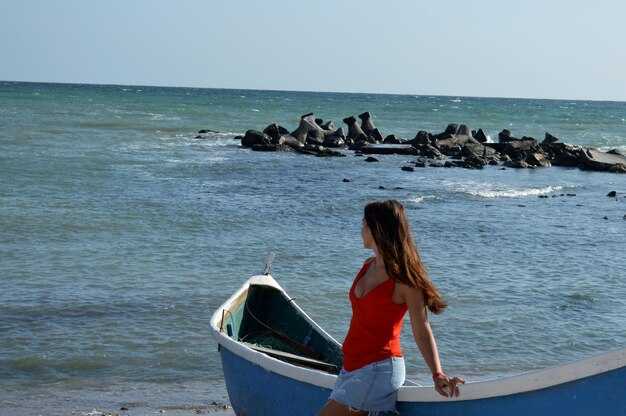
Plan long Atlantic hops in late spring or early autumn when NW winds stay steady and mornings are calmer, typically 12–18 knots with lighter chop. This window lets you ride a smooth, breathtaking ride along the coast and makes visiting marinas like Vigo, A Coruña, and Santander a pleasure. Make sure your certification is current and that rental terms cover safety gear; confirm crew needs and any assist options with your charter provider before departure.
Wind patterns vary by coast, so tailor each leg. From March to October the NW sector dominates the Atlantic near Galicia and Cantabria, with fronts bringing gusts that can spike to 25–30 knots in squalls. Choose legs that fit your level: 15–20 knot days for steady progress from A Coruña toward Ferrol or from Vigo toward Baiona, with a contingency for wind shifts. When the sea state tightens, slow down and enjoy the scenery–beautiful delta-like estuaries unfold to the east, while the next sheltered stretch offers calmer sailing. While you’re ashore, the buzzing restaurant scene near marinas keeps your crew entertained during visiting days and shore-side explorations.
Tides on the Atlantic coast swing with the moon, and Galicia’s Rías Baixas show tidal ranges of roughly 3–6 meters at spring tides, with other estuaries around 3–4 meters. In Cantabria and the Basque coast, expect 3–4 meter ranges. Plan passages to ride through narrows near high water for easier currents, and use tidal charts to time your approach to sheltered harbors. High-water entries shorten approach times into busy ports and help you manage marina slots during peak visiting seasons.
Currents run shallow along most open coasts, but in narrow channels and estuaries you can see 1–2 knots of ebb or flood. Expect cross-currents near headlands and around bends in the Rías Baixas delta. Bring up-to-date current tables and plot slack-water windows to keep your course true and minimize drift. If you sail during less favorable currents, adjust speed and heading gradually and communicate with the crew to keep everyone aligned and safe.
For planning efficiency, map your route with a couple of practical stops: from A Coruña south toward Vigo, then along the cantabrian towns of Gijón and Santander, finishing in Bilbao or San Sebastián if you add a longer leg. When you’re ready for shore days, you’ll find delicious options ashore and a resilient supply chain for Rentals and rentals–food markets, botanical gardens, and charming local markets enhance your route. If you’re considering a broader itinerary, you can also mix in Alcúdia to taste a different cuisine and a breezy, sun-drenched pause, or ride to Vilanova for a calm coastal vibe and a different harbor feel; Portmany can come later as a contrasting experience with a buzzing nightlife and a strong restaurant scene that highlights local products. Love the variety, and plan with safety in mind so each passage feels as calm as it is beautiful.
| Aspect | Typical values for the Spanish Atlantic | Planning tips |
|---|---|---|
| Wind | NW/ W winds commonly 12–22 knots; fronts can push gusts to 25–30+ knots | Target 2–4 day windows with 12–18 knot days; monitor forecasts from AEMET or trusted apps; choose legs with easier ranges; have contingencies for stronger fronts |
| Tides | Spring ranges 3–6 meters in Rías Baixas; 3–4 meters in Cantabria/Basque estuaries | Plan passages around high water through narrow channels when possible; use tidal charts for shelter and marina access |
| Currents | Shallow coast currents; 1–2 knots in ebb/flow within channels; variable near headlands | Consult current tables; time entry for slack water; adjust course to counter drift |
| Best seasons | Late spring and early autumn offer moderate winds and calmer seas | Prefer May–June and September–October for long hops; use July–August for shore-time in marinas |
| Hazards | Fronts atlantiques, brouillard en Cantabrie, mers déchaînées dans les baies ouvertes pendant les tempêtes | Conservez une prévision solide et disposez d'un plan de secours pour un abri à Vigo, A Coruña, Santander. |
Ports, marinas et escales d'avitaillement sur les itinéraires populaires

Commencez par Palma de Mallorca comme votre point de ravitaillement, achetez chaque semaine des provisions et faites le plein d'eau et de carburant avant de vous diriger vers Formentera et Ibiza.
Sur le circuit des Baléares, planifiez une séquence dans le sens des aiguilles d'une montre qui maintient les étapes courtes et le rythme confortable. Commencez à Palma, puis dirigez-vous vers les marinas d'Alcúdia, continuez vers Ibiza Town ou Cala de Sant Antoni, et terminez l'arc par un arrêt à Formentera (La Savina) avant de revenir vers Majorque. Chaque escale offre des services complets, une mercerie et des options de vie urbaine, y compris des pubs et des promenades en bord de mer qui s'adaptent à un rythme de vacances détendu. Cette configuration facilite également le plaisir des mers, de la chaleur et de l'histoire le long de la côte pour les familles et les équipages novices.
Au nord de la péninsule, l'Asturies offre une saveur différente. Gijón et Avilés présentent des marinas solides, des approvisionnements efficaces et des marchés hebdomadaires qui aident à reconstituer les provisions après de longues étapes. Leur emplacement vous offre moins de congestion que les grands ports, ainsi qu'un accès à des randonnées côtières, des sites culturels et un sentiment d'histoire maritime qui rehausse les vacances.
Pour les aventures plus longues, l'itinéraire des Canaries offre des vents fiables et des ciels dégagés. Las Palmas et Santa Cruz de Tenerife sont les principaux centres d'approvisionnement, avec des supermarchés, des quincailleries marines et des ateliers de réparation. Si vous recherchez de la variété, ajoutez La Palma ou La Gomera comme escale passagère pour profiter d'un paysage diversifié et d'ancrages plus calmes. Ce trajet vous maintient en mouvement tout au long de l'année avec un climat chaud, offrant plus d'une ou deux destinations et de nombreuses occasions de socialiser dans les pubs des villes portuaires.
Quelle que soit la direction que vous choisissez, élaborez un plan de provisionnement axé sur les bases : produits frais, eau, carburant et pièces de rechange. La meilleure pratique combine un rythme hebdomadaire avec des étapes flexibles, afin que vous puissiez vous adapter aux conditions météorologiques et à l'énergie de l'équipage. Le résultat est un mélange de services, de destinations variées et de multiples aventures qui font des côtes de l'Espagne un centre ultime pour les vacances de navigation, que vous chassiez les vents des Canaries, les falaises de l'Asturie ou les criques tranquilles de Formentera, le tout dans un rythme de navigation annuel.
Préparation de l'équipage, équipement de sécurité et compétences sur le pont pour les passages en Atlantique vers l'Espagne
Effectuer un briefing complet de sécurité avec l'ensemble de l'équipage 48 heures avant le départ et réaliser un exercice de 20 minutes sur le pont qui fait alterner les rôles parmi les débutants, en s'assurant que chacun puisse déployer un canot de sauvetage, passer une amarre et récupérer un homme à la mer.
Équipement de sécurité de base pour une location : un gilet de sauvetage par personne plus deux vestes de rechange, une bouée de sauvetage pour 6 personnes, un EPIRB avec GPS, une radio VHF sur le canal 16, deux extincteurs, une trousse de premiers secours maritime et un sac d’abandon contenant des cartes, des moyens de signalisation et des rations d’eau. Tester tout l’équipement, et également envoyer par e-mail une copie de la liste de contrôle à chaque membre d’équipage 24 heures avant le départ.
Exercices à bâbord pour un meilleur contrôle : border la grand-voile par vent léger, manipuler les écoutes et les drisse, récupérer une personne à la mer, et pratiquer un exercice de récupération contrôlée d'homme à la mer de garde, tout en maintenant un cockpit propre. Après chaque quart, effectuer un nettoyage rapide du pont pour éliminer les résidus de sel et d'huile, et garder les surfaces antidérapantes sèches.
Navigation et discipline météorologique : établir des quarts de 4 heures, tenir un registre continu et s'exercer à la récupération d'homme à la mer avec une bouée de sauvetage et un amarre. S'attendre à des fluctuations de vent de 15 à 25 nœuds et des mers de 1 à 3 mètres, avec des rafales plus importantes dans les averses. Utiliser une approche prudente du timon dans des conditions difficiles et ajuster la vitesse pour éviter les soutes de poupe.
Lorsque vous planifiez le voyage le long du couloir atlantique de l'Espagne, sélectionnez un mélange de ports plus petits et mettez en évidence les arrêts qui stimulent l'authenticité et la gastronomie. Prévoyez des escales à Benidorm et Marbella pour l'avitaillement et les repas sur terre, avec une étape plus importante en direction des Baléares, telles que Mahón ou Santa Cruz de Minorque, pour goûter des fruits de mer authentiques et visiter des restaurants locaux. Entre les étapes, profitez de la pêche fraîche et goûtez aux spécialités régionales, en laissant le paysage spectaculaire et le charme culturel guider le calendrier.
Pour les débutants, maintenez un rythme d'entraînement soutenu et utilisez l'e-mail pour partager les itinéraires et les consignes de sécurité avec l'équipage. Lors d'une location typique, attribuez des rôles clairs pour la veille, la manœuvre portuaire, l'avitaillement et les ris, et assurez-vous qu'un second officier expérimenté soit à bord ou joignable par la société de location. Cette approche évite la confusion et maintient les journées productives pendant que vous apprenez.
Après les vérifications finales, prendre le cap vers des eaux sûres et surveiller les autorités portuaires pour connaître les horaires de dégagement ; documenter le nombre de jours pour chaque étape et ajuster l'horaire en fonction des jours calmes ou des mers agitées. Le voyage allie la voile à la gastronomie et à la culture locale authentique, profitant pleinement de la côte espagnole et du patrimoine maritime du pays.