


 Français
  English (UK)
  Русский
  العربية
  日本語
日本語  한국어
한국어  Magyar
  Türkçe
  Español
  Čeština
  Svenska
  Português
  Ελληνικά
  Suomi
Suomi  Nederlands
  Română
  Italiano
  Polski
  Українська
  Deutsch
  简体中文
简体中文  Slovenčina
 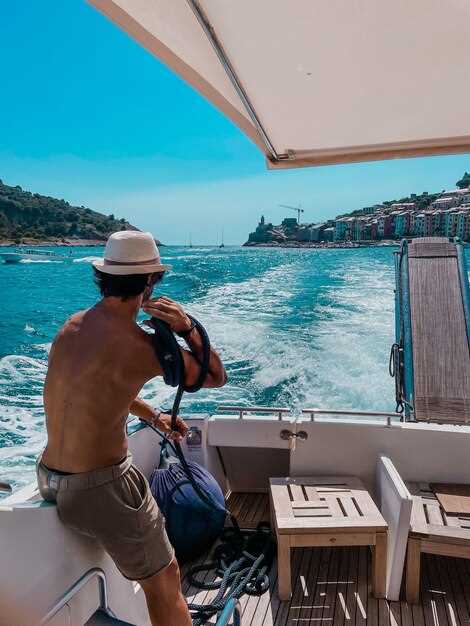 Sailing in Göcek – A Complete Guide to Exploring the Turkish Riviera by Yacht">

À l'arrivée, votre engagement avec la Riviera turque commence au quai, où un 3-person les voiliers s'adaptent confortablement dans les bassins abrités. D-Marin Göcek offre on-site support, une large gamme de commodités et un processus d'enregistrement simple, afin que vous puissiez réduire le stress et vous installer dans un haven pour l'après-midi. Pour votre first passer de nombreuses heures à bord, maintenir le pont propre et régler les amarres avec soin.
La lumière matinale révèle une série de criques et de rivages bordés de pins. Choose un saut tranquille vers un havre de paix parmi les îlots de Göcek pour une baignade ou un snorkeling, puis retour à la ville pour des provisions fraîches et un gourmet le déjeuner dans les délices sur place ou dans un café au bord de l'eau.
les croisières du soir resserrent le rythme nautique : de courtes jambes entre plusieurs baies abritées, avec une descente au vent détendue vers votre ancre choisie. Si les conditions météorologiques changent, vous pouvez ajuster la route sans un hassle et continuer à faire créer des souvenirs à l'équipage.
Des visites occasionnelles au rivage offrent un aperçu de ancien ruines et un village sur une colline. Accoster près d'un quai tranquille, address les questions du capitaine, et savourer un haven-digne coucher de soleil qui donne au port l'impression d'être votre propre retraite privée.
De retour à bord, planifier la prochaine matin avec une simple liste de contrôle : vérifier les provisions, vérifier le matériel d'ancrage et tracer un itinéraire qui visite deux ou trois criques avant de retourner à Göcek pour une dernière nuit sur l'eau.
Göcek Yacht Charter : Guide pratique et itinéraires
Embaucher un marin expérimenté et local qui connaît les criques de Göcek, la crique de Skopea et les accès au port. Ils lisent le vent, protègent votre équipage et assurent une traversée sans faille qui vous permet de profiter de la côte dès la première heure à bord.
Votre charte vous donne les moyens de personnaliser la croisière selon vos envies. Une option avec équipage vous permet de partager les repas sur le pont pendant que vous naviguez le long de la côte, tandis qu'un plan en autogestion vous donne le contrôle si vous êtes arrivé avec un plan clair. Si vous êtes tenté de tester un nouvel itinéraire, commencez par des étapes plus courtes et plus tard regardez la côte s'illuminer au crépuscule.
Exemples d'itinéraires de 3 à 4 jours kick off at Göcek harbour, head to Skopea Creek for a protected swim and lunch on deck, moor for an evening in Bedri Rahmi Bay, then return along a sheltered inlet for sunset wine aboard. Day 4 offers a relaxed finish back in the harbour with a final swim before disembarkation.
Voyage prolongé de 5 à 6 jours takes a loop through the archipelago, with stops at Tersane Island, Yassi Ada, and Kizilada, finishing with a sunset return to Göcek harbour. Overnight moorings in quiet coves let you enjoy seafood and wine in a calm setting, with evenings overlooking the water.
Practical tips Réservez les places de port dans le port de Göcek bien à l'avance, surtout en haute saison. Organisez l'approvisionnement afin que des produits frais arrivent sur votre bateau, et planifiez un itinéraire qui minimise les longues étapes. Emportez une veste légère pour les soirées plus fraîches et un grill compact pour des dîners gastronomiques sur le pont, puis savourez l'instant avec un verre de vin local.
Culture et gastronomie sur la côte Les petites tavernes de Göcek offrent des mezze, des fruits de mer et du vin régional ; à bord, vous pouvez préparer des repas gastronomiques avec des prises fraîches, en gardant les menus flexibles afin de pouvoir les modifier en fonction de ce que vous arrivez à trouver. Vous êtes en mesure d'explorer n'importe quel endroit le long du parcours, puis de retourner à terre pour goûter à la culture turque entre les baignades et les voiles.
Choisir le bon yacht pour Göcek
Choisissez un voilier de 40 à 44 pieds avec un tirant d'eau faible (1,8 à 2,0 m) pour s'adapter au réseau de marinas de Göcek et aux criques proches.
Optez pour une configuration avec deux cabines pour accueillir une équipe réduite, avec un espace repas accueillant et une cuisine pratique qui maintient le cœur du bateau animé pendant une année bien remplie.
Assurez-vous d'avoir un mât indulgent pour un tirant de bord fluide dans les vents légers et un timon sur lequel vous pouvez compter lorsque les vents changent près de Kayakoy et de la côte de Dalaman, avec des passages entre les îles et des baies abritées par des récifs.
Vérifiez la sécurité et la documentation officielle ; incluez des gilets de sauvetage, des extincteurs et une installation VHF actuelle. La source note des observations d'un marin local soulignant l'importance de maintenir un faible poids et de préparer les écoutes en amont.
L'équipement et le confort : un réfrigérateur de taille appropriée et une cuisine qui facilite les repas pendant les séjours près des arrêts de mini-marchés à Göcek, où vous pourrez faire le plein de produits essentiels sans faire de trajets supplémentaires.
Une petite équipe peut gérer les voiles et les drisses, et elle a appris à répartir le travail entre l'équipage.
Considérez le bon point de base pour le bateau : Dalaman sert de passerelle, avec un transport facile vers Kayakoy ou la côte turquoise pour démarrer ou réinitialiser votre itinéraire.
| Model | Longueur (ft) | Ébauche (f) | Type de voile | Berths | Best For |
|---|---|---|---|---|---|
| Beneteau Oceanis 41.1 | 41 | 1.98 | 2-cabin cruiser rig | 6 | comfortable marina hops |
| Dufour 420 Grand Large | 42 | 2.10 | full sail set + dual winches | 5–6 | une manipulation facile pour les couples ou la famille |
| Jeanneau Sun Odyssey 419 | 41 | 2.00 | semi-sloop rig | 6 | steady performance for day trips |
Marina Options, Moorings, and Overnight Stops
Start with a private berth at Göcek Marina or D-Marin Göcek for a stress-free first night; you’ll enjoy secure moorings, clean amenities, and easy shore access for provisioning.
Marina options in the bays around Göcek cover five pathways: private slips inside Göcek Marina, the D-Marin Göcek facility, public visitor berths at the town jetty, occasional private moorings offered by local renters, and sheltered bays (koyu) where you can anchor when space allows. Each option offers different amenities and price points; cancellation terms vary, so check them before you book.
Overnight stops: choose Gocek Koyu for solid protection and pink sunsets across the water, or stay at Göcek Town moorings for quick shore access and morning provisioning. If you push farther, Bodrum presents a distinct stop with lively nightlife and festivals; for calmer nights, look for a mooring across from the harbor that provides a clear view and easy access to services like fuel, water, and waste facilities.
Booking tips for renters and live-aboards: confirm the exact address of the marina before arrival; some operators require a deposit, others offer flexible cancellation options. If you plan multiple legs, ask about five-day or weekly packages and any peak-season surcharges. When you need to switch harbors, a private slip often provides the best balance of security, ease of access, and personalized service.
Beyond Göcek, a move toward Bodrum lets you compare a different set of marinas and a broader night-life scene; look for facilities that match your plan, offer reliable live-aboard options, and ensure the mooring you choose can handle occasional weather shifts while keeping you close to festivals and town events.
Navigation Routes: Classic Göcek Bays and Hidden Coves
Plot a five-stop loop starting from Göcek marina to maximize light winds, seamless transitions, and peaceful cruising: Kizilady (Kizil), Bedri Rahmi Bay, Sarsala Bay, Yassıca Islands, then back to Göcek.
-
Leg 1 – Göcek marina to Kizil Bay (Kizilada)
Distance: about 3 miles. Winds: typically light to moderate; best with a morning start. Anchor in 8–12 m or choose a nearby mooring buoy. The inlet offers protection from easterly gusts and delivers a calm approach for your first leg, reducing hassle as you settle in.
-
Leg 2 – Kizil Bay to Bedri Rahmi Bay
Distance: about 7 miles. Winds: you’ll often find a steady breeze around 8–12 knots. Sail or motor in as you approach the old port area; there are rocky shoals along the outer edge, so keep to the marked lanes and check depths. This first major stop delivers peace with easy anchorage and nearby tavernas for a light lunch during cruising in the Mediterranean coast region.
Yesterday’s light airs showed how these nearby coves stay comfortable even in modest conditions, making the crossing into Bedri Rahmi Bay feel seamless.
-
Leg 3 – Bedri Rahmi Bay to Sarsala Bay
Distance: about 6 miles. Winds: typically steady and manageable; avoid sudden squalls by tracking the forecast on the website. Sarsala offers a sheltered anchor and an inviting shoreline for a short swim. Expect rocky entrances at some points, so follow the charted channel and keep the renter informed if you switch to a mooring.
-
Leg 4 – Sarsala Bay to Yassıca Islands
Distance: about 8 miles. Winds: moderate cross-shore breezes are common; you may enjoy a light sailing feel along the coast. The Yassıca group provides several protected anchorages and gentle seas, ideal for a relaxed visit and a quiet dinner ashore on a nearby dock if you prefer. Plan a stop near the southern islets to maximize shelter and peace.
Leg 5 – Yassıca Islands back to Göcek marina is about 9 miles. Expect a return leg with smoother seas in the late afternoon, perfect for a gentle finish to the day and a final check of safety gear before entering the harbor.
- Visit details: near all classic bays you’ll find small ports with simple dockage, fuel options, and basic marina services. Keep a note of the order of stops to keep the day calm and predictable.
- Ports and moorings: use the official marina website or the local harbour master for up-to-date information on mooring availability and prices. Those updates help you plan the five legs with minimal hassle.
- Safety and documentation: carry all required documentation and renter insurance, and check that your safety gear is current. Before departure, review your insurance coverage and confirm what’s included for nearshore sailing in the Mediterranean region.
- Weather and winds: monitor forecasts on a trusted website; plan departures around morning winds for a smoother cruise. If the forecast looks uncertain, shorten the loop to stay within calmer, nearby waters.
- Gear and preparation: bring light line, fenders, and a spare anchor; verify all lights, VHF, and signaling equipment. A quick safety check reduces delays and keeps the day flowing with peace on the water.
Seasonal Planning: Weather, Winds, and Sea Conditions

Anchor in protected bays during peak Meltemi winds; choose a comfortable berth and stock up at a mini-market in gocek to keep provisions ready and protect the crew’s mood, which keeps the heart of your cruise happy.
Yesterday’s forecast reminded us that coastal weather shifts quickly. Do a daily search across multiple sources and monitor fronts that cross the gulf to anticipate wind shifts and adjust your plan.
-
Spring (April–June): Winds are usually light to moderate, 8–18 knots, with seas that remain comfortable and mostly smooth in lee of the islands. Plan day sails that tuck into hidden coves around yassica and kizil and finish with a tranquil evening in a sheltered anchorage. Include time for shore visits to replenishment spots and a relaxed dinner at one of the gocek restaurants. This period is perfect for long stops, slow exploration, and careful yacht management to protect equipment after months of storage.
-
Summer (July–August): Meltemi sets in from the north or northwest, frequently 18–30+ knots, with choppier open-water conditions and gusts that test handling. Favor sheltered bays near the yassica group or the lee of kizil to stay comfortable, and rely on marina moorings if wind gusts rise. Plan short hops between coves, anchor well with ample scope, and keep some reserve power for navigation lights and fans on deck. Remember, some days will demand a slow pace and a search for perfect shelter rather than bold sails.
-
Autumn (September–October): Winds ease gradually, typically 10–22 knots, bringing clearer skies and calmer evenings. Seek out gocek’s quieter shores and revisit beloved spots like yassica for sunset, then move to a protected harbor at kizil if a front approaches. This period offers a great balance for long coastal hops, good snorkeling, and relaxed meals at nearby restaurants. It’s a reliable window for heart-led cruising, tight provisioning, and thoughtful disposal of waste to keep harbor areas pristine.
-
Winter (November–March): Winds shift more fickly and can bring stronger onshore gusts, with occasional squalls and larger seas in open areas. Schedule only short hops between safe harbors, and favor gocek’s sheltered basins or the marina for protection. Manage engines, batteries, and hull care carefully, and plan inside-water activities rather than long sails. This season rewards patience, precise boat handling, and proactive disposal and storage of gear to protect the boat and crew.
Practical planning tips: use a daily forecast search that includes wind, wave height, and pressure changes; map routes that include yassica and kizil as anchor options; keep anchor gear ready and verify disposal guidelines before every stop. In Gocek, a well-timed stop at a hidden cove provides a tranquil night, while a stroll to a local mini-market supports provisioning without rushing. The management of wind, seas, and anchor positions shapes a safe, comfortable voyage rather than a rushed itinerary, making every sunset in the heart of the bay feel perfect.
Local Regulations, Safety Checks, and Charter Etiquette
Always complete a pre-charter safety check and verify insurance before departure.
In Turkish waters, you must carry insurance papers, vessel registration, and crew qualifications; present them at the centre harbour authority when you enter Göcek’s marinas; because the adasi and eco-sensitive lagoons lie along a sheltered coast, observe protected-zone rules and maintain a safe distance from nesting birds and seagrass beds; a knowledgeble crew helps you navigate the local rules smoothly.
Before departure, run a safety sweep: test bilge pumps, confirm fire extinguishers, verify gas detectors, check fenders and anchors, and confirm VHF radio channels; review weather conditions and plan the shortest, safest route with shelter during changing winds; during long passages, keep a safety log and miss nothing of routine checks; if you miss a scheduled check, re-run it immediately.
Respect fellow yachts, especially catamarans, by giving ample room when overtaking and when docking; avoid blocking entrances to pools at marinas; when visiting markets, the vibrant dining scenes and shops around the centre offer good local products; plan ashore visits to supermarkets for groceries, with a clear address for your taxi or transfer.
Waste disposal: never discharge graywater or oil; use on-board disposal tanks where permitted and pump-out facilities at marinas; bring plastic packaging back to shore to recycle; in Göcek bays, local rules require proper disposal as part of your charter details.
Insurance and paperwork: carry a current policy covering third-party liability and salvage; keep copies aboard and share broker details; because the region’s coast guard can request documents, have the address of your base handy; however, mobile coverage can be patchy, so keep a paper copy of essential numbers.
Shopping, dining, and on-water etiquette: align with hotels near the marina for a quick rest after a sail, and plan your provisioning around local markets and supermarkets; ensure clear docking addresses when arranging crew transport; if you already have a plan, share it with your crew and skipper to avoid miscommunications.