


 Français
  English (UK)
  Русский
  العربية
  日本語
日本語  한국어
한국어  Magyar
  Türkçe
  Español
  Čeština
  Svenska
  Português
  Ελληνικά
  Suomi
Suomi  Nederlands
  Română
  Italiano
  Polski
  Українська
  Deutsch
  简体中文
简体中文  Slovenčina
 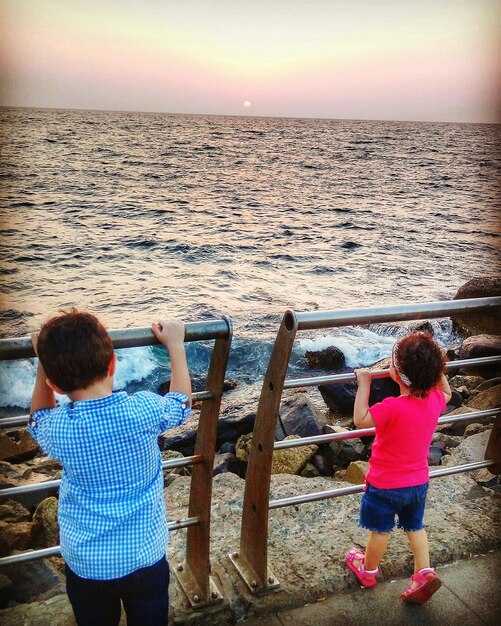 Sailing Away with Your Family – 1 Easy Step to Getting Started">

Begin with one concrete action: book a family-friendly half-day sail with a licensed skipper. This single action saves you time and stress, keeps the group together, and lets you test the waters without assuming complex commitments. The captain handles the weather and the galley, so youll focus on connection and smiles. This early step provides invaluable confidence in you and your familys.
Prepare a practical, clear plan that invites all participants to contribute. Before casting off, share a 15-minute safety briefing and a simple route that keeps options flexible for kids, teens, and adults. Involve the group in simple tasks on deck or in the galley, so each person feels a role and stays proud of the progress. Keep expectations realistic and celebrate each small win, relaxing the mood and building confidence.
Choose a vessel that fits your group size, typically a 30–40 foot sloop or a modest catamaran, with a crew that can handle beginners. For budgeting, plan around $400–$800 for a half-day charter in calm coastal waters, inclusive of skipper, basic insurance, and safety gear. Bring a small bag per person, packing light, water bottles, sun hats, and a light jacket. On board, the turquoise canvas and fresh breeze set a calm backdrop, making it easier to stay focused on the learning and keeping the experience inclusive for every member of the family. A well-chosen galley menu–snacks, fruit, and sandwiches–helps you avoid extra stops and keeps the mood high, while the captain can share quick demos on lines and sails.
After the sail, capture the moment with a quick debrief: ask for one takeaway from each familys member, and plan the next outing using that feedback. Encourage continued practice by keeping a simple checklist–sun protection, life jackets, and a short deck demonstration–that you can reuse for the next sail. Keeping the group close together on the water builds a shared story you can proudly tell every time you regroup at the quay. Your progress feels invaluable, and youll notice that a simple step can become a regular, practical adventure that flew from a single idea to a lasting habit.
Sailing Away with Your Family: A Practical Plan for Boating and Photography
Plan a single weekend practice sail near a sheltered harbor to test gear and capture family photos. Keep the run under four hours and focus on safety and basics, then review what worked and what to improve.
Safety comes first: ensure every person wears a properly fitted life jacket, verify the VHF radio or cell with waterproof case, and confirm a throw bag is within reach. Pack extra stuff for comfort: spare batteries, a compact first-aid kit, sunscreen, rain gear, nappies if you have a young child, and dry clothes in a sealable bag. Place high-priority items above the splash zone for quick access while staying balanced on deck. Label each item so youre not digging through gear while your crew stays balanced on deck. Create a specific checklist for each family member. These steps matter for smooth control on the water.
Photography plan uses two modes: keep a family documentary pass and a horizon shot. Use manual exposure: 1/125 s or faster for movement on the water, ISO 200–400 in daylight, white balance daylight. Wide-angle for boat-and-horizon context; telephoto for portraits from a stable position. If youre using a phone, enable grid lines and shoot in RAW when possible, and keep the camera secured with a strap. This approach yields an impressive set of action and portrait shots. Check online guides before going out, so youre prepared for different light conditions.
Operational roles on deck keep the day orderly: assign a captain or skipper, a navigator, a lookout, a photographer, and a safety monitor. Keep tasks age-appropriate: younger kids label buoys on a chart, older children steer the practice vessel under supervision, and adults handle docking. Assign jobs to each person to maintain flow. If someone is trying, adjust roles to keep balance. This approach builds confidence and teaches responsibility across different years of experience.
Pedagogics matters here: use short, friendly briefs before each move, explain why safety steps exist, and turn lessons into quick challenges. Encourage questions, celebrate small wins, and distribute micro tasks so everyone contributes. For nappies and snacks, plan break times to minimize risk while keeping kids engaged. This pedagogy keeps learning enjoyable and practical for young years aboard. Details matter for engagement and retention, so you can apply what you practice on future trips.
Weekend timetable: pre-check weather online; confirm route; check tide tables; gather a simple map; allocate 15-minute windows for practicing maneuvers; after docking, review photos and adjust equipment. If weather is borderline, switch to a shoreline photo session or a dry land practice with a mock knot drill. Going through week plan and keeping it flexible is applicable for most families. If conditions worsen, decide whether to stay in harbor or shorten the trip.
Inspiration and sources: rely on a trusted источник to compare guidelines with your local marina and coast guard advisories. For further ideas, search online communities and save tips for future trips.
Choose a Stable, Family-Friendly Boat for Beginners
Start with a 25–28 ft keelboat with a wide beam, a full keel or long keel, and a simple rig. This setup delivers comfortable motion in wind up to 15–20 knots, keeps the boat steady, and lets first-time crews settle into sailing with a smile.
Choose a hull with a low center of gravity and a broad, well-supported cockpit. A boat that veered less in chop and wind provides smoother motion and greater calmness for everyone. Inside, a cozy cabin with a simple galley and sheltered berths helps the family relax after the first day on the water, and a quiet space supports snoring-free nights.
Opt for a rig that’s easy to handle: roller-furling jib, a single main with lazy jacks, and self-tailing winches. Those features reduce the effort and keep you focused on safety. If youre new to sailing, hello to a confident start is easier when you can manage sails with minimal fuss.
Plan around ballast and hull form. Heavier ballast and a soft, forgiving hull improve stability in chop, wind shifts, and rough water. This is worth the extra cost for a family that wants calmness and a pleasant first experience on the water.
Before you buy, inquire with local dealers or cruisers who have already demoed similar boats. Call to arrange a test sail in light wind so you can observe motion, steering effort, and how the crew feels as you change course. Find out which models your family liked most, and whether everyone says hello to the boat at the dock and into the cockpit. This setup is popular with cruisers alike and tends to hold its value well.
Consider electronics and safety: satellite weather updates and a reliable VHF are valuable for planning routes and avoiding unexpected squalls. A boat that can keep everyone connected and informed makes the first adventures smoother, whether you’re fishing near the mouth of a river or heading toward a distant cove.
| Feature | Why it helps families | What to check |
|---|---|---|
| Stabilité | Low motion, less sickness, calmer sails | Ballast, hull form, beam width |
| Sail plan | Easy handling, quick reefing | Roller-furling jib, single main, lazy jacks |
| Aménagement cabine | Comfortable sleeping and living space | Berths, galley size, headroom |
| Dock and maintenance | Low effort for busy families | Access to lines, simplicity of systems |
| Safety tech | Peace of mind on longer trips | VHF, GPS, satellite weather |
Schedule a Short, Calm-Water Trial Trip
Definitely book a 2-hour calm-water trial trip with a family-friendly operator at a sheltered marina. This keeps the pace slow, builds confidence, and lets your family sample what cruising feels like without committing to a full voyage.
Idea: choose a date with light wind and smooth water, and request a short course around coves, with time to play and snack breaks. The safety steps are explained before departure, and the skipper handles the drive while you stay in the cockpit together.
Call the operator a week ahead to reserve, note your party size, and pick a morning slot when the water is calm. Confirm the cancellation policy; many providers offer a rain check if weather cancels. Expect rates around $60-$120 per person or a flat $250-$450 for a family of four, depending on boat size and location. Recommendations from locals also help you choose a solid option.
Choose compact cruisers (20-28 feet) with a cockpit that keeps everyone in sight, a non-slip deck, and a sheltered area for a comfortable ride. If younger kids are aboard, request a slower, straightforward route with fewer turns, so going feels natural rather than rushed.
On the day, bring water, sunscreen, hats, and light snacks; wear non-slip shoes; arrive 15 minutes early for a quick safety briefing and life-vest fitting. Also, confirm your cancellation details and ask about rescheduling if weather shifts. If plans change, the operator can help you come back the next morning, creating a positive memory for the family and making spending time together actually enjoyable, with value above mere sailing.
Pack a Minimal Onboard Photo Kit
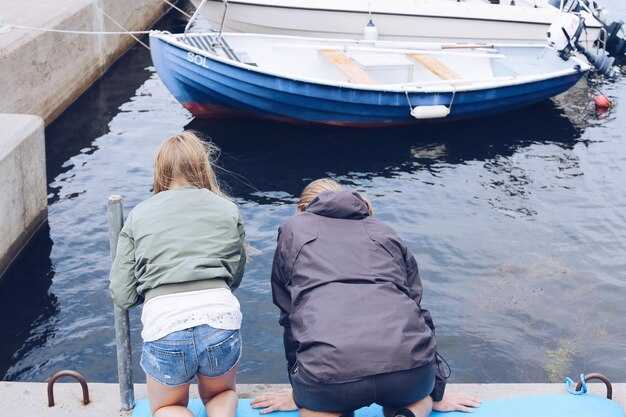
Pack a compact, waterproof kit in a single dry bag. It holds a smartphone with a charged battery, a spare power bank, and one microSD card with adapter. Add a microfiber cloth, a small tripod or flexible phone mount, and a notebook for quick captions. Keep it in a hidden pocket so it stays dry and ready when the waves roll by. Loud waves won’t shake it there. Label the spare battery mine to avoid mix-ups. This setup adds reliability, so you can shoot without fumbling.
- Smartphone or compact camera – main capture tool
- Spare battery and a small power bank
- One microSD card (32 GB or 64 GB) with adapter
- Microfiber cloth and a lens cleaning pen
- Mini trépied ou support téléphonique flexible
- Pocheé étanche contre les jets d'eau et le sel
- Cahier avec un crayon pour des légendes rapides
- Petit sac étanche ou étui pour tout garder ensemble
On daily sessions, they take turns: the oldest handles light, the young grabs candid moments, and a helper tallies captions. Talking through shots keeps everyone engaged. Assign simple jobs to keep things smooth, so you stay sure of what’s in reach. For quick action, alternating between wide scenic frames and tight close-ups keeps your feed lively; in a second you can capture a macro detail of a rope or a water droplet. Simply tap the shutter to lock in the moment. By day’s end, they took a handful of photos that tell the story as you sail back toward the harbor and the crew smiles at the results. In the evening, you watched the horizon glow.
Conseils pour rester organisé : gardez la trousse à l'endroit d'accès principal, afin de pouvoir la saisir en quelques secondes. Si vous souhaitez participer à des concours simples plus tard, enregistrez une courte note légendée pour chaque cliché ; cela crée un dossier prêt à être soumis. Branchez un chargeur électrique pour recharger la batterie lorsque vous accostez ou atteignez un salon, et utilisez les heures de lumière du jour pour planifier votre éclairage. Cette approche rend le projet à bord naturel et amusant.
Définir une routine simple de photos embarquées
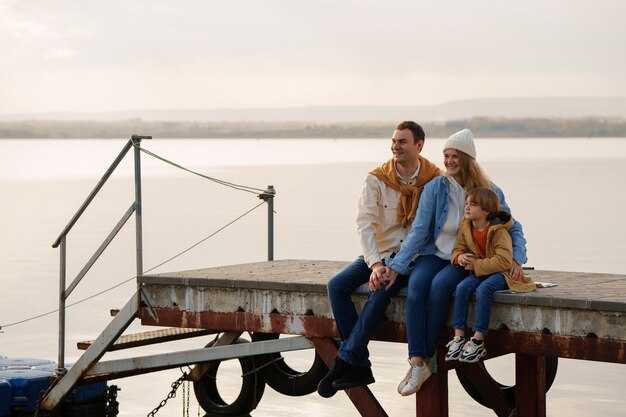
Choisissez une fenêtre de 5 minutes après les repas, chaque jour, pour ancrer la routine et impliquer toute la famille.
- Fenêtre horaire et cadence : choisissez un moment calme après le déjeuner ou avant le coucher du soleil, allouez cinq minutes, et respectez-le. Ce bloc de démarrage permet à chacun de participer facilement sans pénaliser le programme de la journée.
- Équipement et éclairage : utilisez un smartphone avec un trépied discret ou une prise en main stable. Si la lumière est faible, ajoutez une lampe électrique supplémentaire ou une petite lampe à pince. Fermez les portes de la cabine pour réduire les reflets, puis ouvrez-les brièvement pour une prise de vue plus lumineuse du pont. Évitez les projections par-dessus bord en gardant une distance de sécurité par rapport à la rambarde.
- Sujets et poses : concentrez-vous sur quelques poses fixes en plus des moments spontanés de personnes chères au travail, à la barre ou sur le pont. L’aire de jeux sur le pont est un excellent décor pour des photos amusantes, surtout avec des enfants à la barre ou près du mât.
- Emplacement et composition : commencez à partir des angles situés vers la terre ferme pour minimiser les reflets de l'eau. Déplacez-vous dans l'espace afin que toute la famille rentre dans le cadre, et laissez l'environnement – coque, gréement et océan – ajouter du contexte. S'il fait mauvais temps, passez aux couloirs intérieurs pour des prises de vue stables et intimes.
- Styles alternés : alternez entre des portraits posés et des moments rapides et spontanés. Un mélange maintient la collection vivante et authentique, avec quelques gros plans et des scènes de pont plus larges.
- Stockage et options : exploitez l'archive avec quelques options — stockez une sauvegarde sur votre téléphone et dans le cloud, plus un petit disque si vous en avez un. Étiquetez les photos avec des libellés simples comme “ deck-1 ” afin de pouvoir retrouver des souvenirs plus tard, et conservez quelques modifications prêtes à partager dans votre pellicule ou application.
- Sécurité et préparation : la sécurité doit toujours être la priorité – restez stable lorsque le bateau roule et évitez de vous pencher contre les garde-corps. Si la mer est agitée, passez à l'éclairage intérieur et gardez les portes ouvertes ou fermées selon les besoins pour maintenir le calme et le contrôle.
En fait, cette routine ne prend que quelques minutes et implique toute la famille sans perturber le voyage. Inutile de trop réfléchir, il existe des options pour la luminosité, les angles et les sujets. Cela donne à la terrasse l'impression d'un terrain de jeu pour vos souvenirs, et grâce à une touche inspirée de Manava pour des modifications rapides, vous serez prêt à partager des moments avec vos amis et votre famille où que vous débarquiez.
Sécurité d'abord : Vérifications rapides avant le lancement
Vérifiez d'abord les gilets de sauvetage et assurez-vous que tout le monde porte un PFD (dispositif de flottabilité personnel) bien ajusté avant de vous détacher du quai. C'est la base sur laquelle vous comptez lorsque les enfants sont à bord, et cela permet de garder les familles en sécurité lorsque vous vous éloignez du rivage.
Effectuer un bref contrôle du moteur et des systèmes de sécurité : tester la pompe de cale, confirmer les niveaux de carburant et d'huile, et vérifier que la chaîne de l'ancre et l'extincteur de rechange sont à portée de main. Si votre excursion du week-end commence de nuit, vérifier que les feux de navigation, la corne et le poste VHF fonctionnent afin de pouvoir contacter l'aide immédiatement.
Inspectez les lignes, les treuils et les trappes ; maintenez le pont dégagé et rangez l'équipement pour éviter les chutes. Garder les enfants à portée de vue autour du salon pendant que vous vous déplacez dans le cockpit rend la navigation plus sûre et leur permet de se sentir intégrés au plan.
Faire un briefing de sécurité simple à tous à bord, en attribuant un rôle clair à chaque adulte. Ils peuvent gérer les amarres, faire fonctionner les crampons d'étrave ou de poupe et surveiller les enfants. Simplement énoncer des règles de sécurité réduit la confusion et accélère la réponse si quelque chose bouge.
Si quoi que ce soit semble anormal – une odeur de carburant, un collier desserré ou une rupture de conduite – mettez le bateau au point mort et refaites une vérification avant de continuer. Si une fuite est détectée, coupez la pompe et demandez de l'aide.
Tenez un registre continu des coûts et du poids. Emportez des collations légères pour le week-end et évitez de surcharger la salle avec de l'équipement ; les charges légères améliorent la stabilité et réduisent l'usure pendant les quarts de travail.
Traitez chaque barre avec soin, comme un gecko sur un mur : rapide à s'adapter, mais stable lorsque vous grimpez. Pour les familles avec enfants, présentez les expériences comme un terrain de jeu sur l'eau plutôt qu'un voyage, et vous verrez des réactions plus calmes lorsque des surprises apparaissent.
Définissez une zone cible, puis procédez à un rythme mesuré ; l'équipage a atteint l'ancre prévue en douceur car vous préparez les points d'entrée et prenez votre temps avec les amarres. Cette méthode élimine les conjectures lors des sorties, et ils restent confiants, ce qui rend le week-end plus sûr et plus agréable pour les familles et les enfants.