


 Français
  English (UK)
  Русский
  العربية
  日本語
日本語  한국어
한국어  Magyar
  Türkçe
  Español
  Čeština
  Svenska
  Português
  Ελληνικά
  Suomi
Suomi  Nederlands
  Română
  Italiano
  Polski
  Українська
  Deutsch
  简体中文
简体中文  Slovenčina
 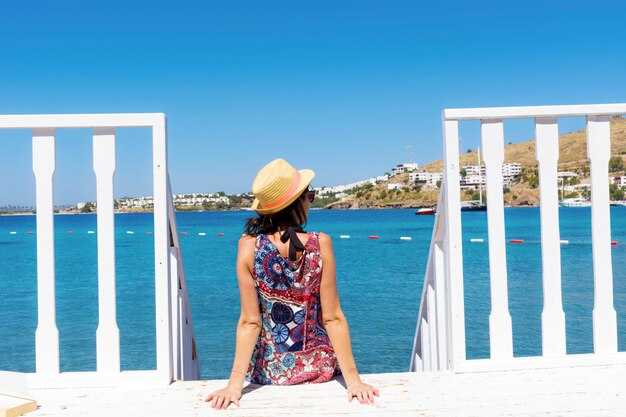 Sail the Greek Islands – Ultimate Guide to Aegean Sailing Routes, Tips, and Best Time to Visit">

Start your trip in alonissos with a leisurely afternoon at the marina and a taverna nearby. This simple first move helps you read the wind, settle into island life, and set a practical pace for the days ahead.
From alonissos you can head towards Skopelos and Skiathos in a straight corridor across the Aegean; the area offers sheltered bays, pine forests, and crystal water ideal for short sails and relaxed swims.
Behind every stop lies cultural information from locals about mooring rules, market hours, and fresh catches. Use this information with them to plan walking routes and light hikes during the afternoon heat; check weather windows in the morning to avoid gusts that could complicate the approach to a new marina.
Best time to visit runs approx May through October, when Meltemi winds subside and seas stay calm near coves. Distances between main Sporades hops are typically under 40 km, so you can cover approx 1–2 hours under sail on a typical pace. These tips can help you maximize time on the water.
A practical itinerary includes 4-6 hops and 2-3 leisure days; you’ll want to reserve berths in each marina ahead of peak season in Aug. Missing a stop due to weather happens; nevertheless, check schedules and keep a flexible plan that aide you stay on track.
Walking along coastal paths and bays on alonissos and Skopelos takes you behind the obvious harbors to hidden viewpoints; a moderate hike offers fresh air and a chance to see wildlife and old pine tracks.
The plan also appeals to the adventurous traveler: short hikes, stealth swims, and dinners ashore in taverna scenes. Walking paths around each island offer lookouts that frame the next straight leg of your route towards another marina.
Sail the Greek Islands: Practical Guide
Book a 7–9 day loop starting in symi, spend two nights in the town, then sail to leros and arki, returning along a course that favors sheltered coves. Daily legs of approx 18–22 nm keep pace comfortable, leaving time for a walk ashore and a relaxed moment on deck. Reserve marina space in advance at Symi’s Gialos marina and Lakki on leros, and keep a plan for such havens where town lights fade to stars. This setup works well for friends and solo crews, balancing popular sights with secluded corners that feel postcard-perfect.
For the best sailing window, aim for late spring or early autumn–May–June or September–October–when the winds are steadier and seas calmer. Start with symi, then motor or sail toward leros to enjoy a slow coastal cruise, and include arki as a compact, relaxed stop between larger island stops. A night in arki (arki) offers a secluded haven with simple tavern meals, clear water, and a quiet anchor that makes the trip truly restorative.
As you cruise, plan to sample Greek cuisine along shore paths, take a gentle walking loop to overlook cliffs, and set aside time for a hike that reveals lush hinterlands and picture-perfect viewpoints. The most memorable moments come from a slow pace, relaxing on deck with friends, and watching a single moment of sunset turn the harbor to gold. Such pauses turn a routine trip into a lasting memory and keep the journey authentic and adventurous.
источник
| Leg | Distance (approx nm) | Best mooring | Highlights |
|---|---|---|---|
| Symi to Leros | 20–22 | Lakki marina or sheltered cove | cliffs, Symi town charm, Greek cuisine along the quay |
| Leros to Arki | 12–15 | Arkoi harbor or a calm bay | crystal water, short hike, serene walking routes |
| Arki to Symi | 25–30 | Symi Gialos marina | picturesque town, postcard-perfect sunsets, harbor walks |
Best Months for Sailing in the Aegean: Winds, Sea State, and Crowd Levels
May and September are the sweet spot for sailing in the Aegean: steady winds, still seas, and lighter harbor crowds.
In May and October you’ll typically see 12–18 knots along exposed shores, with calm to moderate sea states that suit easy day sails; by June the breeze climbs to 15–22 knots and small chop appears on longer hops; July and August bring the Meltemi, often 25–35 knots with gusts that demand careful handling; September eases back to 15–22 knots, offering comfortable passages and more time in sheltered coves. Those shoulder months also reduce the typical congestion around popular routes, so you can find secluded anchorages and enjoy scenic sunsets without the rush.
From Kos, heading toward pserimos, then agathonisi and othonoi, you’ll trace a string of islets where your course skirts mountainous shorelines and sands in tiny coves. The route then straight toward gaios on Paxos leads to a beautiful village with cobbled lanes, lively tavernas, and easy access to shore adventures. This sequence is widely loved, yet during May or September you’ll discover opportunity to anchor in quiet bays and enjoy doing water activities without the crowds. Some charters offer dinner included, letting you end the day with a stroll in the village and a view of the harbor lights.
Practical tips: plan early in the day, keep a flexible pace, and watch for wind shifts that push you toward those calm coves. Because the Aegean offers many secluded bays, you can found a balance between popular stops and peaceful spots, enjoying the beauty of each island and then returning to the glow of sunset over gaios and its lights. In pserimos, agathonisi, and othonoi you’ll find tiny shops, grilled fish, and quiet beaches, where you can enjoy the night and even a dinner ashore if you wish. For those desired coastal experiences, mix a few lively stops with equally calm bays.
Iconic Itineraries: Cyclades, Dodecanese, and Sporades Routes for 7–14 Days
You should start the trip in the Cyclades for 4 days, basing in Paros and Naxos, then move to the Dodecanese for 3–4 days, and finish with 1–2 days in the Sporades. This plan keeps crowds manageable while delivering honest information on wind windows, ferry gaps, and moorings. Booked moorings in peak season save stress, especially at Parikia, Naoussa, and Mykonos Town hours before sunset. In each leg, pick othonoi harbours with good protection and a lively cafes scene to blend the day’s view with a peaceful evening.
Cyclades route details: allocate 4 days across Paros, Naxos, and a quick hop to Antiparos or Koufonisia. Paros offers Parikia and Naoussa as sheltered moorings; Naoussa is stunning but crowded in peak season, so book ahead. Naxos Town provides a broad harbour with strong protection and a view of the castle. If you want a lighter breeze and fewer crowds, add Syros or Sifnos for a day or two, with 1–2 hours of sailing between each stop. These hops create a charming mix of small coves, clear water for swimming, and authentic tavernas such as nikitas for a simple, honest dinner. Between hops, boats slip through turquoise water beneath a quiet horizon, perfect for sharing a calm hour with your crew.
Dodecanese plan: base in Rhodes or Kos for 2–3 days, then sail to Symi for a night and continue to Kalymnos, Leros, and Patmos. Rhodes Town and Symi’s Gialos offer sturdy othonoi and well-protected harbours; Kalymnos delivers a relaxed pace and good snorkeling, while Patmos provides a compact island feel and historical views you can discover. Moor in the protected bays and enjoy a final taverna meal, sharing the day’s best view with fellow sailors. Youre the captain here, so adjust pace to the wind and keep a few flexible hours for changes if a front rolls in.
Sporades circuit: Skiathos, Skopelos, and Alonissos fit comfortably into 2–4 days. Skiathos Town has a buzzy harbour, Skopelos offers quieter coves and pine-shadowed hills, and Alonissos adds the National Marine Park for quiet anchorages. Expect 1–2 hours of sailing between islands and moorings in Glossa or Patitiri for calm evenings. Finish with a sunset view, a small cafe stop, and time to reflect on the day’s things as you plan the next hop.
For a mainland detour, sivota offers peaceful harbours and cafes, a nice counterpoint between Aegean legs. Lakka on Paxos can provide a calmer anchor if you’re keeping to the Ionian side before returning to the Cyclades, and a visit to nikitas offers a simple, authentic taverna experience. Youre the one steering, so share final plans with your crew, keep the schedule flexible, and book ahead where possible. This blend of routes shows how these islands can be visited together without rushing, with honest information on winds, harbours, and hour-by-hour sailing times.
Charter Options: Bareboat, Skippered, and Fully Crewed–Pros, Cons, and Costs
Skippered charters strike a balance between independence and guidance, making island-hopping through the Aegean enjoyable for a first-time traveller who wants strategic routes and expert tips along the way.
-
Bareboat
A self-sufficient charter where you handle navigation, provisioning, and docking. Suitable for confident sailors who want to craft a personal course through iconic spots like paros, delos, and the tranquil coves around sikathos-style routes.
- Pros:
- Maximum freedom to set your own schedule and stops, from laid-back days in lush harbors to quick walks to ancient ruins ashore.
- Lower base rate, which keeps the trip budgets lean for groups of friends or a small family.
- Strong memories when you chart your own path through island-hopping and anchor at sheltered bays surrounded by turquoise water.
- Cons:
- Requires solid skipper credentials or a capable crew on board; weather and tides are your responsibility.
- No onboard guide for sites like Delos or the ancient ruins; planning and safety depend on your crew.
- Logistics: provisioning, fuel, and marina waits fall on you, which can slow the pace if you’re new to the waters.
- Costs (approx):
- Boat rental: approx €120–€350 per day, season-dependent; excludes fuel, marina fees, and provisioning.
- Insurance and safety gear typically included in basic packages; skipper or host crew not included.
- For a week, expect €1,000–€2,500 on the boat alone, with extras for marina stops or high-demand ports.
- Pros:
-
Skippered
A skipper handles navigation, routing, and docking while you handle provisions and days ashore. This option shines for a relaxed pace and access to hidden spots around Delos, Symi, and the coastal trails between Paros and Mykonos.
- Pros:
- Local route knowledge speeds up planning and reduces waiting at ports, freeing time for walks to ancient sites or tranquil beaches.
- Great for first-timers who want security without giving up island-hopping flexibility.
- Helpful in managing currents, weather changes, and safe anchorages so you can focus on memories with your crew.
- Cons:
- Higher daily cost due to the skipper’s fee; some itineraries may be shaped by the skipper’s plan.
- Meals and provisioning are still your responsibility unless the charter includes crew meals.
- Costs (approx):
- Boat rental: approx €200–€450 per day; skipper fee: approx €120–€180 per day.
- All-in daily range: roughly €320–€630, depending on yacht size and season.
- Provisioning and marina fees are extra, with some itineraries including fuel but not port charges.
- Pros:
-
Fully Crewed
A staffed yacht with captain, chef, and crew who manage navigation, meals, and daily logistics. Ideal for a laid-back, family-friendly trip where you focus on the scenery and shore excursions rather than boat management.
- Pros:
- Highest comfort level, with daily meals, drinks, and housekeeping handled by the crew.
- Itinerary variety, from tranquil bays near Paros to day-trips to ruins and ancient sites with a knowledgeable crew to guide you.
- Perfect for guests who want to enjoy island-hopping without sailing chores, including those seeking a relaxed pace near calm waters.
- Cons:
- Significantly higher cost, suited for larger groups or special occasions.
- Less personal sailing control; some ports and times are set by the crew’s plan.
- Costs (approx):
- Fully crewed charter: approx €600–€1,200 per day for mid-size yachts; larger yachts rise beyond €1,200 per day.
- Port fees, provisioning, and optional extras are usually separate; meals and beverages are often included up to a cap.
- Pros:
Which option fits best depends on your priorities. If you want the thrill of steering and a fully self-directed route with classic stops like skiathos-adjacent coves, Bareboat can deliver unforgettable memories when you have the experience. If you prefer a smooth rhythm with local insight, a Skippered charter helps you explore delos’ ruins or the lush coastline near paros without the heavy lifting. For maximum comfort and social ease, Fully Crewed lets you focus on shore walks, island culture, and the sunsets around a marina, with there being little waiting time between meals and sightseeing.
Practical notes to guide your choice: plan a course that matches the island-hopping tempo you want, from a relaxed, laid-back pace to a more active day-by-day schedule. Include places that suit all interests–ancient sites, tranquil bays, and opportunities to walk along the shore or join a short trip to nearby islets. If you’re new to the area, consider starting in a classic route that covers Paros, Symi, and Delos before extending to other destinations. For a complete picture, think about adding a short Ionian detour or future trips to skiathos and other Sporades if you’re curious about varied sailors’ routes. Bring waterproof bags and light gear for shore excursions, and remember to stock up on essentials before entering quieter harbors. Your crew can help tailor stops, from a welcome welcome to late-day anchorages, ensuring you make the most of every day and create timeless memories along the way.
Harbors, Mooring, and Provisions: Docking Tips and Local Essentials
Begin at a protected marina offering reliable water, power, and security in an unspoiled harbor setting; it’s the fastest path to a calm start and sets the heading for your Aegean leg.
Equip two bow lines, two stern lines, and a pair of fenders per side. Approach from the windward side, run two spring lines, and snug the stern line to a cleat away from other boats. In dramatic coastal evenings, leave ample room for the next arrival and avoid swinging into slips.
Shop where locals shop: markets, fishmongers, and family-run grocers offer fresh produce, olives, tomatoes, bread, and herbs. On thursday mornings, coastal markets bring the greenery you desired and unspoiled varieties that taste of the sea. Make a simple list to avoid missing staples and keep your visit efficient.
Ask harbor staff about water, diesel, and pump-out points; many coastal harbors offer showers, laundries, and small cafés. If you plan multiple hops, a short pause can become a perfect leisurely stop before the next leg. Especially when the pace is a bit brisk, talking with the dock crew can spark useful tips for your next dock.
Set a practical itinerary: begin each hop early to miss crowds, then linger in coves along the way. The best harbors join easy coastal walks and chances to visit quaint villages where culture still feels authentic, and the scenery can be amazing.
Decision time: choose your final stop based on tide, wind, and crew energy; the best choices provide beautiful views, a safe mooring, and easy access to a seaside tavern. If your flight lands thursday, aim for a marina within a short shuttle and a stroll to a lighthouse path for a calm dusk. Maintain a concise checklist so you don’t miss any essentials and keep the itinerary on track.
Rates and Booking: How to Compare Packages, Inclusions, and Hidden Fees
Compare three options side by side: base rate, duration, included services, and clearly stated extra fees. Ensure the total price reflects taxes, port dues, and any surcharges. Request a final quote listing line items so you know exactly what youre paying for. For a Greek island itinerary that visits bays and beaches, confirm how many days are at sea versus on shore and when meals are served.
Verifying inclusions helps you compare value: the boat and skipper, crew meals, fuel, water, snorkelling gear, beds, and optional extras. If a package lists included items, double-check whether transfers, provisioning, and local taxes are covered. Ask whether a separate charge applies for any onshore experiences or special meals, and whether discounts apply for longer charters.
Watch for marina dues, port taxes, fuel surcharges, provisioning costs, and optional experiences like a traditional dinner ashore. Some operators add local tips or gratuities separately; confirm if they’re included.
Request a sample itinerary with lipsi, Gaios, Sami stops, and note how flexible the plan is. If you want snorkelling in a particular bay, ask whether you can adjust the order of visits during the trip. Confirm the nostos return date.
Prices shift year to year; the value you see now may change part of the year. Look for packages that clearly state the year the rates apply and whether there are seasonal adjustments. If you travel during spring or autumn, you may secure better conditions and calmer seas.
Packing tips: bring compact clothes, sun protection, reef-safe sunscreen, a lightweight jacket for coastal evenings, and a small dry bag. Check if equipment is included so you can skip bringing snorkelling gear or extra gear you won’t need.
When you arrive, plan the logistics: confirm morning arrival times, pick up coffee at local cafes, arrange the first dinner near lipsi or sami, and map a relaxed final day in a calm cove.