


 Français
  English (UK)
  Русский
  العربية
  日本語
日本語  한국어
한국어  Magyar
  Türkçe
  Español
  Čeština
  Svenska
  Português
  Ελληνικά
  Suomi
Suomi  Nederlands
  Română
  Italiano
  Polski
  Українська
  Deutsch
  简体中文
简体中文  Slovenčina
 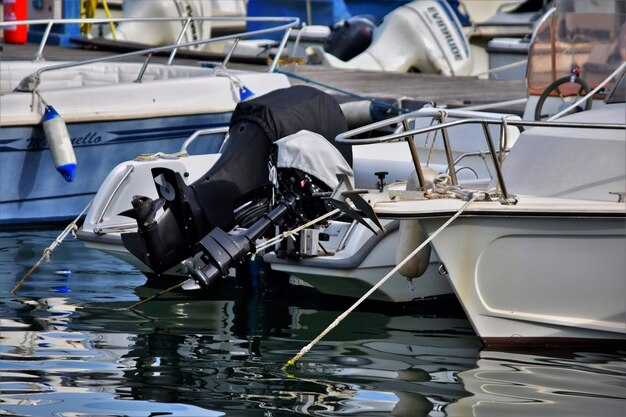 Practical Boat Owner – Essential Boat Maintenance, Safety Tips, and DIY Repairs">

Begin with a simple routine: inspect the hull, check fittings, and test the bilge pump before every trip. They know this routine saves time and cuts the risk of on-water surprises. If your boat is owned by a family or a small business, keep licencing and registration documents alongside your maintenance logs, and track the period between major services. dont skip these quick checks, because minor issues become costly problems later. This is the best habit you can form.
Most owners use a simple checklist: change oil and filter according to the engine manual, replace fuel filters every 100 hours or 12 months, and test the battery under load monthly. Inspect hoses and clamps for signs of wear; check the impeller for the raw-water pump and replace if there are cracks. sometimes issues are hidden until the last moment. Inspect for corrosion on shafts and fittings, and keep spare parts in a dedicated case ready for repairs at marinas or on the water. This approach minimizes downtime and avoids costly repairs after a long idle period.
Prepare safety gear and procedures: verify life jackets fit properly, ensure fire extinguisher is charged, and check flares or signaling devices before departure. Share a float plan with someone you trust; this reduces the risk of harming your crew if weather or visibility shifts. Do a weather check before leaving the dock, and give yourself time to adjust plans if wind or seas change. In busy marinas, keep your eyes on lines, docking spaces, and other boats to avoid collisions. youve got to stay alert in all conditions.
DIY fixes demand a practical toolkit and clear process. Start with small tasks, such as sealing a minor deck crack or replacing a worn seal, then move to more complex jobs as you gain confidence. Use accurate measurements and follow the manual; document each fix with photos so youve got an ongoing history you can reference at marinas or when you sell the boat. If a task involves removing major systems or racing past the limits of your licencing and insurance, stop and call a pro. Keep spare belts, impellers, filters, and sealants in a watertight box so you can handle repairs without delaying the next trip.
Keep a realistic cadence: review the maintenance plan at the end of each period, and adjust based on how the boat is used. They say many owners learn from experience after a season and share tips with friends and neighbors to avoid harm. Always prioritize safety, keep the maintenance log up to date, and use the knowledge you gain to keep the boat reliable for every voyage. you can sell some items you no longer use to fund the next upgrade, or trade with other owners for a better setup.
Practical Boat Owner: Maintenance, Safety Tips, and DIY Repairs

Check your bilge pump, battery connections, and deck hardware before every trip; a quick test saves you from a stalled voyage. If youve got a plug-in tester, verify indicators for each circuit and confirm no corrosion on terminals. Do a short checklist that covers a number of key items to keep yachts and yacht operations safe. Keep it simple, just a few minutes.
Inspect the hull and wood fittings, both above and below the waterline. Check fasteners, cleats, and fittings made of wood; tighten where needed and apply marine-grade coatings to protect surfaces. Wipe a quick scale of wear on diagonal frames and check the keel if accessible.
Safety routine: wear life jackets for everyone on board, keep a VHF radio on channel 16 when you operate, and review weather forecasts before leaving shore. Create a simple undercover safety plan for rough conditions and practice the drill with your crew so someone on deck knows their role.
DIY repairs: carry a compact toolkit and a small supply of marine epoxy, resin, fiberglass tape, and marine sealant. For minor leaks in wood, sand the area, apply epoxy, and press a patch; if a panel is lifted, recheck moisture and reseal. For fittings, use a counter-sunk screw pattern to prevent snagging lines.
Legal and operating notes: verify the number of required fees for registration and permits in your area; maintain a record for the client or owner. If you operate a yacht or small boat, ensure you meet the legal limits for crew, licenses, and hours. Always confirm you are authorized to operate the craft on that waterway.
Equipment check list: include spare parts, a compact toolset, a scale ruler for hull inspection, a small wood brush, a flashlight, and a rope fender kit. This helps you handle common issues without calling a pro. A well-organized kit saves time and may reduce fees by avoiding urgent service calls.
Communication and workflow: provide clear instructions to the crew and assign responsibilities so someone is aware who handles checks and who maintains equipment. This aspect keeps the yacht and client operations running smoothly during maintenance windows. For better results, include a written checklist and a calendar reminder; you can confirm every item is done and maintain a log for future reference.
The Cost of Mooring a Boat
Establish a concrete budget: estimate annual mooring costs and commit to a monthly amount before you tie up, then review it quarterly to track market shifts along the coast. This true approach helps you sort these costs and save where possible, while aligning with the rules and your practice aboard.
Major cost factors include berth fees, utilities, insurance, and ongoing maintenance. heres a quick breakdown of the cost components. Berth fees vary by marina and season, with several options on the market; compare offers to identify the best value. Ongoing upkeep covers hardware like bolts and cleats, as well as filters for water and fuel systems, and periodic testing of safety gear. If you neglect the rudder or steering components, you risk costly repairs; you need regular inspections to keep risk manageable and protect your vessel when storms approach the coast.
To save, negotiate long-term slips, ask for bundled services, and consider off-peak options. Sort options by total ongoing costs rather than upfront discounts, and lean on knowledgeable marina staff for tested routines that extend hardware life. wyatt notes that small, consistent maintenance now pays off later, especially for items like bolts, filters, and lines that wear with use.
Keep a contingency budget for unexpected repairs; even minor damage near the dock can spike costs. Treat mooring as ongoing practice, not a one-time expense, to build cost awareness and confidence in managing the coast and its tides. With the right skills and planning, you stay aboard safely while keeping expenditures predictable.
Calculate base mooring rates for marina types (private, municipal, club)
Set the base mooring rate per metre per month using a fixed formula: base charge plus a per-metre electrics fee, service costs, and a risk reserve. This approach provides a clear framework and keeps pricing consistent between private, municipal, and club marinas for easier budgeting by owners and managers.
Base rate components include base service charge (dock maintenance, security, access, waste handling), electrics, water, and optional amenities. Later adjustments reflect the environment, hull exposure, and contract period. For accuracy, tie the rate to a standard measure–LOA or berth width–with a separate surcharge for electrical load and any high-consumption party loads.
Typical ranges (per metre per month, local currency): private 40–60, municipal 25–40, club 60–85. Where electrics add 15–30, water 3–7, and security/waste 5–8, the total often falls between 80–170 per metre depending on location and facilities. youll see differences between regions, so use local comparisons. Deposit is commonly one month of base rate; in high-risk cases you may require two months. Deposit is held during the contract and applied to the final bill; cannot be used for other purposes. There comes a point after annual surveys when you should adjust the base rate to reflect updated conditions.
Power specifics: most marinas offer fixed shore-power connections rather than unlimited supply; expect a per-metre charge for higher loads (e.g., 16A or 32A circuits) and consider a separate meter for reading consumption. If your vessel uses more, negotiate a load-based surcharge rather than expecting unlimited capacity.
Risk assessment and surveys help keep rates accurate. Conduct asset and hull surveys where boats are moored; old wood hulls or frequent fouling require higher risk reserves. Factor in environmental considerations and potential fires from electrical faults; arrange regular maintenance checks and plan for replacing aging components. Surveys feed into a periodic review, with adjustments later to reflect updated condition data.
Case example: a private marina sets base at 50 per metre, electrics 20, services 8, water 5, and security 7. Total monthly per metre equals 90. Deposit equals one month of the base total (90). If risk reserves add 10%, adjust to 99 per metre. Reviews occur annually; policy may add 2–4% depending on inflation and regional demand.
Recognize recurring charges you’ll pay monthly (electric, water, pump-out)
Keep budgeting simple: track electric, water, and pump-out in a single monthly account. You might pull data through the marina portal or your vessel’s onboard meters to build a detailed view of what you spend.
- Electric: Costs depend on usage, inverter efficiency, and whether you run AC onboard. Typical ranges for a mid-sized vessel on shore power are about $25–$90 per month; larger vessels or frequent AC can push to $100–$180. To reduce, switch to LED lighting, limit high-draw appliances, and avoid idle inverter time. The bill might carry fixed charges if your marina uses a standard rate plus a daily service fee; carry out a quick check in your account to see if a monthly cap is available.
- Water: Charged as a fill or per volume. Typical monthly cost ranges from $5–$25. In some moorings the water is included; in others you pay per litre or per 100 gallons. Dont rely on optimistic assumptions–monitor through your account to see whether water is covered under your moorings or billed separately. Don’t forget to fix leaks and use efficient taps to reduce the bill.
- Pump-out: Pump-out charges vary by marina. Typical per-session cost ranges $10–$35; if you use a holding tank, you may have a monthly plan or cap. Some moorings include pump-out in the package; others require a separate service or deposit. Review your bill to confirm the covered services and avoid undercover fees. If you see discrepancies, ask a surveyor to review the terms and confirm they match your vessel type and moorings.
Through a simple process you can keep a clear account of what’s covered and what isn’t. Some people carry a detailed, monthly log that helps youself spot changes early, which reduces surprises and protects your budget.
- Open your account and pull a detailed breakdown for electric, water, and pump-out.
- Compare this month to the last: look for anomalies tied to usage or new rates.
- If you notice a major discrepancy, request a written explanation from the marina and, if needed, involve a surveyor to verify the standard terms and covered services for your vessel type.
- Record any deposit or licence requirements tied to pump-out, moorings, or access to services;
- Adjust consumption and maintenance routines, and track the impact over the next month to strengthen your commitment.
Regular checks protect your budget and support responsible ownership of your vessel. This ought to be a great habit, no matter your mooring location or the size of your boat.
Plan for one-time setup costs and seasonal price changes

Set a one-time setup budget of $1,500–$3,000 for typical 20–25 ft vessels and reserve $500–$1,000 for unexpected items. This upfront plan keeps onboard systems reliable and preserves the experience of your first voyages, without harming the value of your investment.
Major costs include safety gear, a basic tool kit, spare parts, an electrical check with a new battery and charger, a bilge pump, fenders, mooring lines, an anchor, and a properly rated nav light set. Tackle these now and you reduce the odds of costly repairs later, making the overall plan very solid.
Prices vary by market and season. Shop early to catch surprisingly good deals and keep accurate estimates. Included items at reputable outlets often come with warranties, but compare at least two suppliers to avoid surprises and stay within your planned costs.
Seasonal swings affect marina slips, fuel, insurance, and parts. Lock in gear and parts in late winter or early spring when prices dip, and avoid the peak spring rush. A smart approach saves you money and keeps your plan on track without compromising pleasure on the water.
Track progress with a simple onboard log: item, supplier, cost, and purchase date. This experience helps someone new talk with others, refine the plan, and build confidence for next season. If you monitor accuracy now, you’ll catch any drift early and adjust accordingly, keeping your vessels ready and your maintenance schedule predictable.
Strategies to lower annual mooring spend (location, timing, contracts)
Begin with listing 4–6 moorings along waterways, including public options and privately run yards. There are several factors to compare, so you know the true monthly costs, renewal dates, and access terms. This gives you a clear number of options and keeps costs predictable, especially when you map routes that are convenient for marine activity.
L'emplacement compte : privilégiez les mouillages qui minimisent la distance par rapport à votre chenal navigable principal et aux opérations d'éclusage. Une courte promenade du quai au bateau réduit l'usure quotidienne des navires flottants et diminue les dépenses de carburant, tandis que des douches fiables et des services de chantier à proximité ajoutent de la valeur pour les visiteurs qui s'arrêtent. Il existe des options très fiables à proximité des voies navigables animées qui équilibrent coût et accès et offrent un soutien toute l'année.
Le timing joue un rôle clé : visez les mois de basse saison pour verrouiller des tarifs plus bas, et recherchez de la flexibilité autour des dates de renouvellement. Étant donné que les terrains privés offrent souvent des options de dates flexibles, vous pouvez vous aligner sur votre plan de navigation. Si votre emploi du temps montre des mois à faible utilisation, signez un contrat d'engagement continu ou d'un an avec un préavis de 30 jours. Comme les changements de prix surviennent souvent après l'hiver, fixez une date pour un examen annuel.
Contrats : recherchez des termes qui maintiennent les coûts prévisibles. Privilégiez les renouvellements mensuels ou les extensions à court terme avec des dates de renouvellement claires et des pénalités minimales en cas de modifications. Faites inspecter la profondeur, la quincaillerie de mouillage et les commandes d'accès aux serrures par des experts avant de signer. Si vous possédez plusieurs navires, gérez toutes les réservations à partir d'un seul calendrier pour éviter les frais doublés. Faites cela manuellement pour éviter tout mélange et vous assurer que vous savez ce que vous avez convenu.
| Location | Type d'amarrage | Coût mensuel | Mois disponibles | Installations | Notes |
|---|---|---|---|---|---|
| Riverside Public Moorings | Public | £360 | Toute l'année | Douches, verrouiller l'accès, eau | Bonne fiabilité ; à proximité d’une cour à 2 km ; renouvellements constants |
| Harbor Yard Private | Cour privée | £480 | April–October | Douches, portail 24h, accès aux marées | Conditions flexibles, possibilité de remise annuelle |
| Settlement Waterway Public | Public | £380 | Toute l'année | Verrouiller l'accès, l'eau, les douches | Coût et accessibilité équilibrés ; activité des visiteurs accrue. |
| Marina Edge Private | Privé | £420 | Toute l'année | Douches, baies sécurisées | Nombre de places limité ; bon pour les plus grands navires. |
Après comparaison, approchez les propriétaires ou les gestionnaires avec un plan clair : une date de renouvellement, la possibilité de couvrir les mois creux et un chemin pour réduire les coûts par mois au fil du temps. Il y a également la vente de places de port inutilisées par certains yards privés ; les propriétaires peuvent explorer cette option pour récupérer leurs coûts sans nuire au service des autres. Avec cette approche, vous savez qu'il y a de la marge pour ajuster au fur et à mesure que l'année avance, vous permettant de rester à flot sans trop payer.
Comparez les options de marina par rapport aux mouillages et aux alternatives de stockage en self-stockage
Recommandation : choisissez une marina couverte avec un tirant d'eau et des amarres indépendantes pour la saison ; cela permet de protéger votre quille au-dessus des embruns et de réduire les risques liés aux intempéries.
Ensuite, évaluez les options de marina par rapport aux mouillages et aux alternatives de stockage personnel en fonction du coût, de la protection et de la commodité. Un aménagement bien choisi permet de gagner du temps pendant la saison et réduit le besoin de récupérer le bateau hors saison. Tenez compte des zones ouvertes ou ombragées à la marina, de la fiabilité de l'électricité et de l'eau, ainsi que de la facilité d'accès pour l'entretien courant.
Marina benefits include secure access, on‑site services, and crew support. Most facilities offer moorings with reliable depth, a range of painted hull options, and lift services to haul your boat for under‑deck work. For owners with larger boats or a keel that needs regular checks, a covered berth with a lift makes preventative maintenance far easier and reduces wood or gel‑coat wear.
Les radeaux d'ancrage offrent des économies de coûts et une plus grande intimité, mais exigent une vigilance constante, des vérifications météorologiques et une radio à portée de main pour les alertes météorologiques et les appels de détresse. Les mouillages ouverts et les mises en place d'ancres nécessitent une initiative indépendante pour gérer les marées, le balancement et la sécurité de la chaîne ; les plus petits bateaux bénéficient des baies abritées, mais vous échangez la commodité contre l'exposition aux changements de vent et aux ondes.
Les garde-meubles et le stockage à sec offrent des frais prévisibles et une exposition réduite aux intempéries lorsque vous n'avez pas besoin de garder le bateau à flot tous les jours. Les options incluent les installations de stockage à sec, le stockage en conteneur ou le stockage de remorques près d'une zone d'échouage. Les coûts varient selon la région ; sur les marchés de Zealand, certains chantiers annoncent un accès illimité en dehors des heures de service, tandis que d'autres limitent l'utilisation aux heures d'ouverture, ce qui a un impact sur la façon dont vous planifiez l'entretien et la peinture pendant la saison. Ces solutions permettent aux propriétaires de protéger les composants situés au-dessus de l'eau et de maintenir l'état de finition de la coque entre les levages.
Ce qu'il faut rechercher dans chaque option : la profondeur et le placement des amarres (le meilleur scénario est qu'aucun quille ne touche les fonds meubles), la proximité des chantiers de réparation, la sécurité d'une personne pendant les jours venteux et la facilité de transport vers et depuis l'appareil élévateur. Dans tous les cas, confirmez les compétences requises pour la manœuvre des câbles, l'interprétation des conditions météorologiques et les réparations de base sur le pont ; ne négligez pas le cas de l'entretien hors saison. Demandez des recommandations à d'autres propriétaires et demandez des études de cas d'événements orageux passés afin d'évaluer la résilience et la réponse au service.
De plus, élaborez une stratégie ouverte : cartographiez les prochaines étapes pour la saison, comparez les scénarios les plus probables et préparez un calendrier d'entretien qui comprend les retouches de peinture, l'inspection de la quille et le nettoyage de la coque. Si vous gérez plusieurs bateaux, commencez par une unité plus petite pour tester les routines, puis étendez-vous à un autre aménagement pour une plus grande flexibilité. Cette approche vous aide à équilibrer les coûts, la protection et la commodité tout en gardant votre initiative axée sur la sécurité et l'entretien.