


 Français
  English (UK)
  Русский
  العربية
  日本語
日本語  한국어
한국어  Magyar
  Türkçe
  Español
  Čeština
  Svenska
  Português
  Ελληνικά
  Suomi
Suomi  Nederlands
  Română
  Italiano
  Polski
  Українська
  Deutsch
  简体中文
简体中文  Slovenčina
 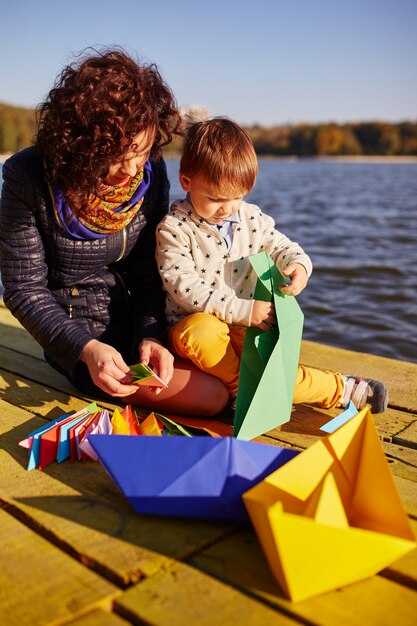 Planning Your First Big Sailing Trip with Kids – A Practical Guide">

Commencez par un plan concret : décidez d'une étape d'essai de 2 à 4 jours près d'eaux abritées, idéalement autour d'une île. Choisissez un voilier fiable avec une cabine confortable, et établissez un rythme quotidien qui inclut une courte pause pour les collations et le repos, ainsi qu'une marge de sécurité en cas d'intempéries.
Créer une liste de tâches partagée : tâches telles que les contrôles de sécurité, l’approvisionnement, la planification des itinéraires, les quarts de veille et la surveillance météorologique. Pour moi, garder une liste de contrôle imprimée et une copie numérique que nous pouvons modifier ensemble, et attribuer à un autre membre de la famille un rôle rotatif pour contribuer, afin que le travail soit réparti.
La sécurité d'abord : les enfants attachés avec des VFI de la bonne taille, avec des longes lorsqu'ils sont au-dessus du pont, et des règles claires sur l'endroit où se tenir sur un voilier. Entraînez-vous à rester calme pendant les manœuvres et évitez les actions risquées ; impliquez tout le monde dans les exercices de sécurité pour maintenir une atmosphère calme et concentrée, afin que ceux qui sont sur le pont se sentent en confiance.
Logistique et équipement : voyagez léger, utilisez du matériel de cuisine compact et planifiez des repas faciles à préparer sur un petit réchaud. Limitez la durée des escales sur les îles afin que le voyage reste gérable pour ceux qui ne sont pas encore à l'aise sur l'eau.
État d'esprit et expérience : réfléchissez à la manière dont vous déciderez quand raccourcir une étape et maintenez l'adhésion des personnes impliquées. Pendant que vous naviguez, expliquez constamment les indices météorologiques et notez ce qui fonctionne bien pour ceux qui sont à bord, afin de ne pas oublier l'essentiel lors de votre prochaine planification.
Prochaines étapes : planifier un essai de suivi avec une autre étape de 2 jours, en augmentant progressivement la distance au fur et à mesure que l'expérience s'accumule. Documentez la contribution de chaque enfant, ajustez la répartition du travail et continuez à renforcer la confiance à chaque point d'arrêt et point d'ancrage.
Planification pratique pour une aventure familiale en voilier avec des enfants
Recommandation : Préparez une trousse de sécurité compacte et testez les gilets de sauvetage à bord avant le départ, puis effectuez une première étape courte pour renforcer la confiance et inciter tout le monde à garder les yeux sur l’horizon.
Raison : Un plan réaliste avec des étapes adaptées aux enfants réduit le stress, assure des heures de navigation gérables et libère du temps pour l’exploration à terre. Prévoyez des sorties en mer de deux à quatre heures par jour, avec une visite à terre de temps en temps pour refaire le plein d’énergie et de curiosité.
Ensuite, impliquez tout le monde dans la planification. Confiez aux enfants une petite tâche quotidienne, comme vérifier la direction du vent, tracer un itinéraire simple sur une carte ou noter les marques de bouées. Cela les maintient engagés, améliore leur perception de la côte et du ciel, et les aide à s'approprier l'aventure sans crainte.
Devant, évaluez les traversées et choisissez des baies abritées ou des chenaux protégés par temps plus calme. Évitez les longues traversées jusqu'à ce que la confiance et la tolérance au mal de mer augmentent, et visez des arrivées de jour afin que les parents puissent garder un œil sur le prochain point de passage et que tout le monde reste calme sur le pont.
Des besoins différents exigent une organisation flexible. Pour les tout-petits qui rampent et les enfants énergiques, intégrez des jeux sur le pont à la routine, alignez les heures de sieste avec une mer plus calme, préparez des repas courts et nutritifs, et gardez des collations à portée de main. En planifiant en fonction du temps et de l'appétit, vous vous sentirez plus en contrôle et tout le monde restera plus heureux pendant les heures de navigation.
Choisissez judicieusement : réservez les places de port de plaisance ou les escales côtières à l'avance, surtout en haute saison ; confirmez la présence d'installations adaptées aux enfants et d'un ancrage sûr. Apportez plusieurs gilets de sauvetage de tailles appropriées et vérifiez l'ajustement en faisant un essai rapide sur le pont. Avant de partir, vérifiez les fenêtres météorologiques et adaptez le plan si les prévisions changent, car une bonne préparation maintenant rendra le voyage plus agréable par la suite.
| Item | Why it matters | Action to take |
|---|---|---|
| Trousse de sécurité + gilets de sauvetage | Protège tout le monde et permet une réponse rapide | Vérifier les tailles, tester l'ajustement, garder à portée de main |
| Plan de navigation sur deux jours | Rythme réaliste pour les enfants et fatigue réduite | Prévoir des étapes courtes ; permettre des escales à terre |
| Tâches pour enfants | Stimule l'engagement et permet de voir l'horizon | Attribuer les vérifications du vent, les cartes et les journaux de bord |
| Réservations portuaires | Évite le stress de dernière minute dans les ports très fréquentés. | Réservez à l'avance ; vérifiez que les installations conviennent aux familles |
Indispensables pour les enfants : quoi emporter par âge et par étape du voyage
Attribuer un quartier-maître pour que chaque enfant gère un sac de transport étiqueté contenant l'essentiel. Préparez un sac résistant aux intempéries suit (superposition), un chapeau de soleil, un vêtement de pluie compact et une tenue de rechange par enfant ; étiquetez les articles et gardez une trousse de rechange rapide près de l’espace de l’équipage afin d’être prêt à vous adapter lors d’un voyage côtier.
0–3 ans – Avant le départ: Préparez des tenues pour 2 à 3 jours, un sac de couchage, des couches ou des pull-ups, des lingettes, de la crème pour l'érythème fessier et une petite trousse de toilette. Incluez une couverture ou une peluche familière pour les aider à dormir pendant le voyage ; ajoutez des fruits pour un regain d'énergie rapide et une petite veilleuse. Gardez un change dans une poche facile d'accès et une petite carte avec les numéros d'urgence des parents et de l'équipe.
0–3 ans – Pendant le voyage: Utilisez une pochette étiquetée pour les couches, les lingettes, une tenue de rechange, une tétine ou un anneau de dentition, un petit jouet et une bouteille d'eau. Gardez votre calme pendant que le bateau balance, pendant que vous et l'équipage ajustez les horaires. N'oubliez pas de garder les articles essentiels à portée de main ; vous ne pouvez pas compter sur un seul sac pour tout.
4–7 ans – Avant le départ: Créez un court kit d'aventure : un petit sac à dos pour les activités aventureuses, une lampe de poche compacte, un carnet, une bouteille d'eau, de la crème solaire et un chapeau. Incluez 2 à 3 jours de tenues, des chaussettes de rechange et quelques fruits ou collations. Utilisez des tissus durables et lavables en machine ; impliquez l'enfant dans le choix des articles afin que les parents et l'enfant partagent la responsabilité. Une courte liste de contrôle aidera à trouver rapidement les articles et à réduire l'encombrement.
4–7 ans – Pendant le voyage: Gardez une routine simple ; placez des vêtements de rechange dans la poche de la cabine et un petit kit d’activités (coloriage, autocollants ou une carte). Une lampe frontale accrochée à leur chemise est utile pour se déplacer la nuit sur le pont ; rangez des options de calme pour éviter la surstimulation. Si une autre famille est à proximité, vous pouvez échanger des idées de repas et de collations ; cela permet à votre équipage d’être content et de rester actif tout au long de la journée.
8–12 ans – Avant le départ: Favoriser l'autonomie : responsabiliser avec une trousse de soins personnels, une mini-trousse de premiers soins (pansements, lingettes antiseptiques) et une petite carte de règles. Inclure un livre de lecture, une trousse à crayons, des collations saines et une sélection de fruits. Laisser les enfants plus âgés choisir les articles de leur propre sacoche pour renforcer le sentiment d'appropriation ; cela permet de s'assurer qu'ils trouvent rapidement ce dont ils ont besoin.
8–12 ans – Pendant le voyage: Fournir une liste de contrôle adaptée aux enfants et un petit sac pour les besoins quotidiens ; une lampe frontale ou une lampe de poche compacte, des fruits en collation, un journal de voyage et un appareil photo si autorisé. Garder les articles de toilette en format voyage et leur apprendre à gérer les déchets et le linge ; leur rappeler de baisser la voix sur le pont pour ne pas déranger les autres passagers ou l'équipage.
13 ans et plus – Avant le départ: Encouragez les enfants plus âgés et les adolescents aventureux à préparer leur propre kit, comprenant un appareil léger, un chargeur, des écouteurs et un sac de confidentialité. Ils doivent emporter une gourde personnelle, de la crème solaire et un kit de couchage compact ; utilisez une règle de lessive simple pour laver les articles à bord ; étiquetez clairement les bagages et conservez un jeu de rechange dans un sac commun. Vous êtes prêt à aborder la prochaine phase avec confiance et à vivre des histoires du voyage comme des souvenirs.
13+ years – During voyage: Set expectations: teens can manage checklists, locate items quickly, and contribute to the maintenance. If they need to sleep in a different space, a small headlamp helps orientation. Keep a calm dialogue with the crew, and use the chance to understand their comfort and privacy needs; finding solutions strengthens confidence on the journey.
Charter Prep: Clothing, Footwear, and Layering for Sea Conditions
Start with a three-layer system: a base layer to stay dry, a mid-layer for warmth, and a waterproof outer shell to protect against spray. Pack a compact spare rope in a dry bag at the cockpit locker so hands stay free when you move between lines and rails. This setup helps the whole group stay comfortable from dawn to dusk.
Base layers should be moisture-wicking and quick-drying. Choose merino wool or high-quality synthetics rather than cotton. For summer days, aim for 150–180 g/m2; in cooler stretches, 200–260 g/m2 provides reliable warmth while drying quickly after rinses or spray. If you began the day with sun, a lightweight long-sleeve option can protect arms without overheating.
Mid-layers offer adaptable warmth. A 200–300 g fleece or a light synthetic puff balances loft and breathability, so you can easily adjust as breeze shifts. Simply zip in and out without fuss, and keep a couple of solid options so both adults and kids stay comfortable as the forecast changes. A sublayer that moves with you saves effort on deck when trimming sails or tying moorings.
Outer shells should be waterproof and breathable with sealed seams. Look for 10,000–20,000 mm hydrostatic head and a MVTR of 10,000–15,000 g/m2/24h for dependable rain and spray protection without overheating. Choose jackets with adjustable hoods, cuffs, and a vented back panel for airflow. An attractive, well-fitted shell makes a big difference in staying active and dry while you anchor, reef, or maneuver around tight spaces with rope arcs and halyards.
Footwear matters as much as any layer. Pick deck shoes or sandals with non-marking, grippy soles and closed toes for safety. In rough seas, a short pair of waterproof boots adds traction and keeps feet warm. For hot summer days, breathable water shoes can work, as long as they stay securely on during heel-toe movements on a pitching deck. Stock two pairs per person: one dry pair and one wet pair, and add moisture-wicking socks (synthetic or merino) to prevent blisters and keep feet comfortable on long passages. Brand options like mahina or arcona offer reliable grip and fit for sailors who value performance on deck.
Accessories round out the system. A sun-safe hat and sunglasses stay in place on a windy day, while thin, windproof gloves help when handling lines or fenders. If you’re chartering a small crew and plan to sail in cooler mornings, include a lightweight beanie that fits under a hood. For the boat’s setup, keep a few spare caps or bands labeled with clear colors, so kids can identify their gear quickly and stay engaged with the voyage–seeing everyone move confidently with their own kit boosts morale.
For kids and the group dynamic, plan ahead to reduce stress. Assign a color-coded set of layers for each person, and keep a couple of extra outfits in a dry bag near the helm. Names on bags, like agnes and adamastor, help little sailors stay with their gear. When a crew member feels happy and prepared, they contribute more to the day’s tasks and decisions. A steady, thoughtful approach makes the optimist-fleet feel safer, and both adults and children reach the end of the day with clear, comfortable outfitting that supports movement and alertness.
Finally, rehearse the routine before departure. Check the forecast, decide who wears what, and practice quick changes in the cockpit or salon so you don’t waste travel time. Remember to store a light, packable layer for summer heat and a warmer option for chilly breeze. If crews switch boats–say between agnes, lara, or arcona models–the same layering principle holds, keeping everyone happy and ready for the next sail.
Deck Safety and Supervision: Life Jackets, Harnesses, and Daily Safety Routines
Recommendation: Always have everyone aboard wear a properly fitted life jacket when the boat is moving, and attach a harness to a jackline whenever you are near the rails. This real, practical habit reduces the risk of a fall and enables a quick response if something goes wrong.
As asked by many families, this plan writes clear steps for fit and use. Choose Coast Guard–approved PFDs sized to weight and chest measurement; the straps should be snug and adjustable, with a crotch strap for babies and toddlers to prevent ride-up. Test each jacket in shallow water before you depart, and ensure it stays in place when the wearer moves. On longer passages, Type II or III on deck provide buoyancy and mobility, while Type I is preferred for offshore passages if conditions worsen. Keep spare PFDs on hand for guests and new crew.
Harness use: Attach kids to a jackline when moving aboard; clips should be secured to rated points. Inspect straps and buckles weekly and replace frayed parts immediately. Leave gear stowed when not in use and keep the left side of the deck clear of lines and toys to prevent trips. Baby-proof locks on cabinets and hatch covers help keep little hands safe, and harnesses should be checked for proper fit every morning.
Daily safety routines: Start each day with a quick safety check – verify PFDs, harnesses, and jacklines are in good condition, and confirm hatches are secure. Create a buddy system so no one sails alone; rotate supervising duties every hour to stay alert. Minimize advertisement distractions on deck to keep focus on safety; involve kids in simple tasks like tying knots or checking straps to spark curiosity. Tips: keep a small spare kit of PFD parts, and practice a two-minute man overboard drill so responses stay fast. This approach has great benefits, especially for families who go longer distances along the coast, and it literally keeps everyone focused on safety; everyones aboard will sleep better with consistent routines.
In december, daylight wanes and weather can shift quickly. Plan shorter passages, frequent stops, and more supervision during late afternoons. The strategy yields real benefits: faster reactions, calmer crews, and longer, happier days aboard. Keep the habit along and you will see better outcomes for all aboard.
Entertainment at Sea: Structured Activities to Engage Toddlers and Preschoolers
Set a four-block daily plan to keep looking ahead and maintain energy. Each block lasts 12-15 minutes with 2 minutes for transitions. Start with a brief welcome chat before the first block to set tone, then move smoothly between activities to support focus and fun.
Jessica began with this approach and quickly saw that kids love predictable timing, simple choices, and the chance to contribute ideas. Keep lifejackets strapped and ready for any deck activity, and position the activity area near the head or stern so supervising adults can see everyone clearly.
-
Block 1 – Story time with books: choose 2 short sea-themed picture books and read aloud for 6-8 minutes. Prompt questions like “What color is the boat?” and “Where is the wave going?” to boost talking and listening. Sit together on a small mat in a safe area, with lifejackets nearby for quick access if needed.
-
Block 2 – Craft and ship shapes: use laminated sheets and waterproof markers or magnetic shapes to build a tiny boat collage. Include 4 shapes (circle, square, triangle, rectangle) and let kids decide layout. This group activity fosters collaboration and helps everyone feel involved.
-
Block 3 – On-deck movement games: a quick “steer the boat” relay where little ones walk from bow to stern and back, following simple commands. Keep transitions fast, use a light rope as guide, and remind kids to keep feet on the deck and hands off rails unless supervised.
-
Block 4 – Quiet reading or puzzle corner: finish with a calm moment–puzzle mats, soft books, or a small sea-themed puzzle. If a child began to lose focus, switch to a shorter option and invite a parent to read aloud a favorite page.
Tips to keep everyone engaged: use a simple cue signal for transitions, like a whistle or clap, and offer a quick choice: “Would you like story time or a craft next?” Build in a moment for talk about what they loved and what they want to try tomorrow, so everyones voice is heard and valued.
- Safety first: lifejackets on during any movement area, fastenings checked, straps snug, and supervision close at head and stern zones.
- Planning: arrive with a small kit that includes books, laminated craft sheets, markers, magnets, and a few simple props, then rotate items to keep interest high.
- Involvement: invite kids to pick the next block’s theme and let them talk about boats, waves, or colors; encourage them to contribute ideas and lead brief routines.
- Resources: check websites for fresh, age-appropriate activities and adapt ideas to your boat’s space and weather constraints.
- Logistics: position the area away from crowded rails, keep the four blocks in mind, and begin with a quick safety check each day before arriving on deck.
To keep the plan moving, set a first block objective, monitor quickness of transitions, and adjust the pace based on mood. The approach helps everyone feel included, builds confidence for little ones, and turns entertainment into a shared family routine during the voyage.
Simple Cruising Strategies: Short Hops, Clear Routines, and Shore Time
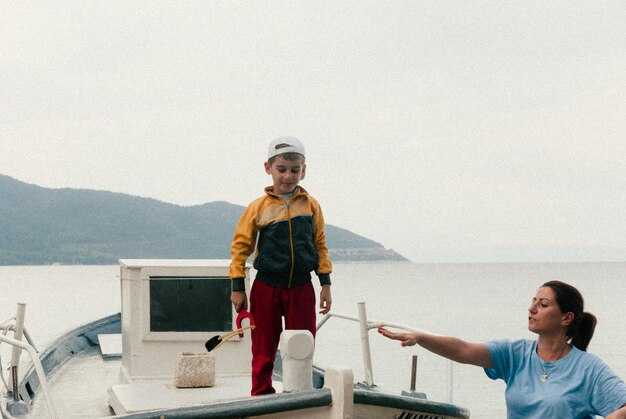
Plan short hops of 2–4 hours between sheltered anchorages, aiming to reach a marina or calm place before lunch. Choose days with steady wind around 8–12 knots and small waves, and stay off fast routes whenever possible. If a crossing looks rough, shorten the leg and reposition toward a nearby cove while you regroup.
Create a simple, repeatable routine you can follow every day: pre-check weather and tide, secure the lifejacket for kids, check the line and winch, include a quick snack, and assign a small task to each traveller. Use this structure whilst underway to reduce surprises and to let the kids feel secure.
Build shore time into each leg: plan 1–2 hours on land for a walk, a playground visit, or a quick shore-cleanup. This helps childrens needs by giving them space to move, observe kinds of sea life, and simply be in a different place.
Gear check: ensure lifejacket fits everyone, keep a spare on deck, and attach a durable line for docking. If you bought a mahina lifejacket or other gear, verify fit before departure and test it in the marina’s calm water.
Travelling with kids means packing compact activities: a few small books, chalk, cards, and a nature guide. Bring books for calm moments and the occasional fish-spotting page. On calm days you can literally sit with the kids watching waves and the ocean, sometimes spotting dolphins at a distance.
On marina days, plan for hydrated water, snacks, and a shaded rest area. Use a simple checklist to confirm water, electricity, and waste stations are available. Keep a light bag with essentials to avoid overpacking. This plan meant to reduce stress by keeping kids engaged.
This approach will make travelling with kids smoother and lets you become more confident at sea. Keep notes in a small log and gradually adjust hops as the crew grows. This plan will allow you to adjust hops as needed.