Wooden Yachts that Gave Sailors Their Freedom
Alexandra
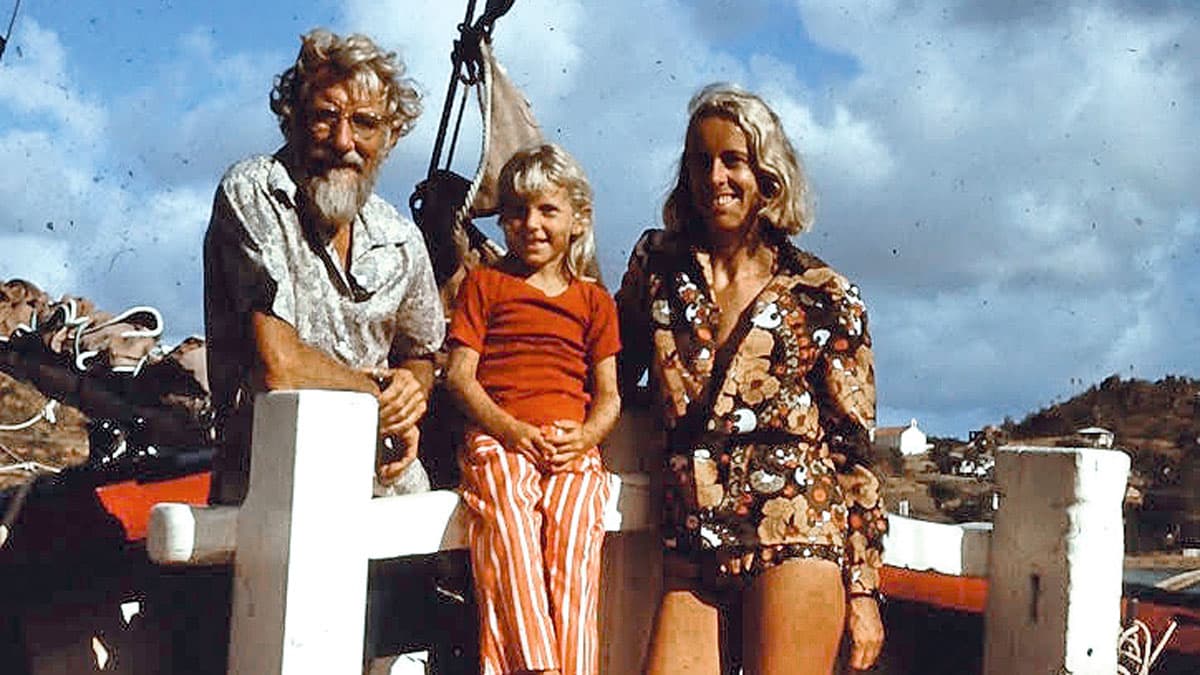
Restoring a 69ft Baltic ketch like Johanne Regina demands coordinated dockyard scheduling, continuous supply of seasoned oak planks, skilled caulking, and access to specialist spares for legacy engines such as the Gardner — logistics that determine whether a wooden yacht returns to sea or languishes ashore. Shipwright availability, berth access, and the cost of marine-grade materials are often the decisive constraints in maintaining classic wooden craft.
Independent ownership and the work behind it
For many mid‑20th‑century sailors, independence meant more than the ability to navigate; it required the capacity to manage the maintenance and logistics of a wooden vessel. Peter Gerard (writing name of Dulcie Kennard) exemplified this: her long association with the Falmouth-built Juanita illustrates how customization and regular care turn a boat into a home. Juanita’s distinctive counter stern and fully enclosed cabin were later additions, possible only because wood is adaptable and because her owner could coordinate the necessary modifications and craftsmen.
Peter insisted on control over modifications and upkeep so that the boat reflected her needs without being subject to another partner’s decisions. That autonomy often required sustained access to yards and parts, a steady budget for repair cycles, and the patience to preserve wooden hulls through replanking, recaulk, and protective coatings. Without those logistical inputs, even beloved boats fall into disrepair: Juanita herself later spent years beached and, for a time, partially dismantled before enthusiasts restored her lines.
📚 Vous aimerez peut-être aussi
Clare Allcard and the transformational refit
Clare Allcard found independence not only through ownership but by leading a major restoration. When Edward Allcard bought the Baltic ketch that became Johanne Regina, the 69ft vessel arrived in Antigua in a semi‑derelict state: worm‑eaten planking, seized Gardner engine, and compromised bilges. The restoration demanded months of coordinated labour: sinking and replacing rotten planks, overhauling the engine where possible, and sourcing appropriate rigging while balancing sailing schedules and family responsibilities.
Clare’s decision to enrol their daughter in a local kindergarten so she could focus on refit highlights a common practical requirement for seaworthy independence: someone must be available to manage the restoration logistics. Clare’s eventual moment of ownership — alone at the helm as Johanne sprang forward in a line squall — came because she had taken on the operational work of sailing and watchkeeping herself. The refit transformed the vessel from a household project into a living ship, later placed in sail training service with the City of Badalona.
Rozelle Raynes: small boat, big freedom
Rozelle Raynes moved from a hardscrabble motorboat to an engineless 25ft Folkboat, Martha McGilda, and learned how a modest wooden yacht can provide a durable route to autonomy. Her choice was informed, not impulsive: buying a well‑built Folkboat from Noel Jordan meant acquiring a vessel with a known performance profile and an available mentor. Rozelle’s single‑handed voyages — including a crossing to the Gulf of Bothnia — depended on seamanship and on the practical simplicity of a craft that required fewer spares and a smaller logistical footprint than a larger cruiser.
For Rozelle, Martha became a platform for social good as much as for personal liberation. She kept Martha actively sailed, using her to teach children from a Newham home the basics of seamanship. The boat’s long life owes as much to this continuous use as to periodic maintenance; wooden hulls thrive when they are sailed and kept in regular care. Custodianship later passed to local enthusiasts who restored Martha and continue to sail her in Essex waters.
| Owner | Boat | Key actions | Current status |
|---|---|---|---|
| Peter Gerard (Dulcie Kennard) | Juanita | Custom refit, enclosed cabin, racing and teaching | Restored; active in quay punt racing |
| Clare Allcard | Johanne Regina | Major replanking, refit, sail training conversion | Sail training ship for City of Badalona |
| Rozelle Raynes | Martha McGilda | Single‑handed cruising, youth training, custodial restoration | Restored and sailed in Walton-on-the-Naze |
Practical lessons for modern sailors
- Maintenance cadence: wooden boats require a predictable cycle of care — winter work, spring commissioning, and regular hull inspections.
- Material sourcing: oak, fastenings, and traditional caulking compounds often need sourcing from specialist suppliers.
- Berthing logistics: access to a yard and affordable long‑term mooring are decisive for restoration projects.
- Community: club networks, shipwrights, and brokers play a key role in saving and repurposing wooden craft.
Ann Davison: a nod to solo ocean voyaging
Wooden yachts also framed other pioneering stories, such as Ann Davison’s solo transatlantic voyage in 1953. That achievement underlines how the right vessel, maintained and managed, becomes a platform for extraordinary individual journeys.
The GetBoat service always keeps an eye on news about sailing and seaside vacations because those developments influence where and how people choose to spend time afloat. We appreciate the energy of discovery and the freedom to choose a vessel that fits personal tastes and budgets, and we understand the logistical realities behind restoration, mooring, and crew planning that make sailing possible for individuals and families.
Although these biographies are largely of historical and regional significance rather than drivers of global tourism policy, they feed into a wider cultural trend: interest in heritage boats, sail training, and experiential travel. For individual travellers and coastal communities, that interest can translate into local demand for charters, training voyages, and festivals — modest ripples rather than tectonic shifts on the global tourism map. However, it remains relevant to customers because platforms like GetBoat aim to stay abreast of developments and keep pace with a changing world. If you are planning your next trip to the seaside, consider the convenience and reliability of GetBoat.
The stories of Juanita, Johanne Regina and Martha McGilda highlight how wooden yachts provide access to culture, nature and local rhythms: each inlet, bay or lagoon reveals a region as vividly as cuisine or architecture. These vessels teach navigation, patience and community stewardship; they also demand practical logistics — supply chains, yard time, and skilled labour. If you are planning your next trip to the sea, you should definitely consider renting a boat (boat rentals, rent a boat, rent a yacht), as each inlet, bay, and lagoon is unique and tells you about the region just as much as the local cuisine, architecture, and language and also the unique aspects of the service. GetBoat.com
In summary, the lives of these three sailors show that a wooden yacht is both a technical project and a personal platform: maintaining hulls, coordinating repairs and managing berthing are as important as the passages themselves. Whether you seek a compact Folkboat for single‑handed cruising, a restored ketch for sail training, or a classic cutter for coastal adventures, the combination of careful maintenance, logistical planning and community support makes those experiences possible. GetBoat.com provides a transparent, global and user‑friendly way to discover and book yachts, charters and boats for every budget and taste — from day rentals to superyacht charters — helping you find the right captain or self‑crew option for unforgettable waterborne activities. Set your course.


