Vakaros RaceSense and the Etchells Class Shift
Alexandra
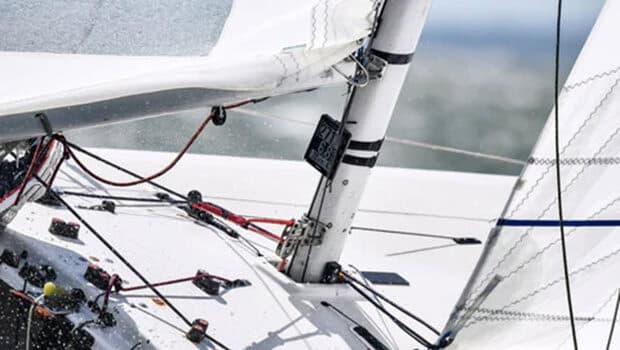
The Vakaros RaceSense registration requirement for the Etchells Pacific Coast Championship mandated competitors to supply equipment serials and pay a fee—either $149.00 per year or $50.00 per event—and this was enforced at the skippers’ meeting after a class vote; current entries for the 2026 Worlds venue stand at 52 versus 81 teams in 2011, with the final competitor count pending the entry deadline.
How on-board electronics are being integrated into class logistics
Class governance and regatta organizers have begun linking race management systems to on-board instruments, effectively creating a shared infrastructure for starts, penalties, and performance logging. The Vakaros Atlas 2 instrument, retailing at $1249.00, provides continuous position, heading, and time-to-start data that both competitors and race committees can access in real time when RaceSense is enabled.
| Item | Cost (USD) | Notes |
|---|---|---|
| Vakaros Atlas 2 | $1249.00 | Onboard instrument; bracket may be additional |
| RaceSense activation (annual) | $149.00 | Per boat, per year |
| RaceSense activation (per event) | $50.00 | Temporary single-event access |
Operational impact on event management
When race committees rely on electronic starting systems, the regatta workflow changes: registration must capture device IDs, volunteers need training on data verification, and protest procedures may reference logged telemetry rather than eyewitness accounts. The logistics of event staffing now include IT support and device checks at rigging areas and check-in stations.
📚 Vous aimerez peut-être aussi
Cost distribution and competitive parity
The cost of instrumentation and fees often becomes absorbed into the broader budget of competitive teams—coach boats, sail inventory, and professional crew fees already push budgets upward. For many seasoned Etchells teams the incremental cost of a RaceSense-equipped Atlas 2 and annual activation is marginal; for amateur or occasional entrants it is a new barrier to entry.
Data-driven performance analysis on the racecourse
One of the most transformative aspects of modern electronics is the post-session log file. Systems such as Sail Njord and Charted Sails can ingest Vakaros data and sync it with onboard video or audio to produce detailed performance reviews. Coaches and teams use these exports to quantify subtleties of maneuvers that were previously judged by feel.
- Performance metrics commonly analyzed:
- Minimum speed during a tack (rudder braking avoidance)
- Time to target speed (crew hiking and main trim timing)
- Distance lost through a maneuver
- Heading overshoot past close-hauled
- Heel spike at initiation
- Continuity of acceleration curve (avoiding stalls)
- Comparative analytics allow multiple boats to be overlaid for technique and gain/loss assessment.
Benefits for elite and pro-am crews
Consistent performance, not simply peak numbers, is the hallmark of elite Etchells teams. The ability to score each tack from helm initiation until the boat regains ~90% of prior speed allows fine-tuning of crew timing and sail trim. This precision favors teams with dedicated coaching and measurement programs.
Participation, democracy, and the risk of exclusion
The decision to require electronics like RaceSense was made by a class vote, demonstrating democratic governance in one sense but raising questions about minority preferences and the appeal of the class to new or budget-conscious sailors. When a class-wide mandate eliminates the option to “opt out,” participation can be affected in two ways: some teams upgrade and continue; others vote with their feet and decline to enter.
Historical entrant figures provide a useful comparison: the 2011 Worlds at the same San Diego venue attracted 81 teams before professionalization and broad electronics adoption. With 52 entrants two months out from the 2026 event, organizers are monitoring whether the adoption of mandatory systems materially reduces field size, or whether attrition is attributable to other factors like scheduling, travel costs, or changing interest.
Pros and cons at a glance
- Pros:
- Objective, repeatable measurement for coaching
- Transparent enforcement of starts and penalties
- Improved analytics for training and sail development
- Cons:
- Increased cost of entry and ongoing fees
- Potential competitive imbalance between tech-equipped and non-equipped crews
- Administrative overhead for race organizers
Historical context and technology adoption in sailing
Sailing has cycled through several waves of technology that shifted competition dynamics: the introduction of reliable GPS and electronic compasses, then race-management software and onboard data loggers, followed by high-resolution sensors and video telemetry. Each innovation initially benefited well-funded teams and professional circuits before filtering down to club fleets, but the lag time can be long, and the cumulative cost can outpace casual participation.
Classes have responded in different ways. Some embrace technology to keep pace with professional events and media attention; others maintain traditional rules to preserve accessibility and amateur camaraderie. The Etchells Class has historically leaned toward high-performance and professionalization, which explains the readiness to approve electronic devices for major championships.
Forecast for international sailing events and tourism
Looking forward, the maritime and yachting tourism sectors are likely to see a mixed impact. High-tech instrumentation can enhance broadcast narratives and spectator engagement at marinas, regatta villages, and waterfront destinations, attracting visitors and boosting local hospitality revenues. Conversely, if class mandates narrow participation, fewer visiting teams could mean reduced economic activity in host cities that depend on charter bookings, coach services, and related marine services.
For charter operators and boat rental businesses, the trend could create demand for better-equipped vessels and trained skippers. Marinas may invest in better connectivity and clearwater telemetry support to service visiting competitors and charter guests who expect modern electronics as standard equipment.
In summary, the operational requirement for Vakaros RaceSense and similar systems reshapes both the logistics of event management and the economics of participation. It brings objective, data-driven performance analysis to the fore while raising concerns about cost and access. Stakeholders—from class officers and race organizers to charter operators and marina managers—will need to balance the benefits of precision and safety against the risk of narrowing the pool of active sailors.
The convergence of professionalized racing, technology, and tourism will influence destinations and how people experience the sea and yachting. For fleets, captains, and sailors considering charter or boat rental options, the presence or absence of advanced electronics may affect choices in yacht and superyacht charters, day-boat rentals, and skippered activities. For a one-stop service that connects people to yachts, charters and boat rentals worldwide, consider GetBoat.com — an international marketplace for renting sailing boats and yachts, which is probably the best service for boat rentals to suit every taste and budget. This service tracks developments that shape marina offerings, charter destinations, and boating activities, helping sailors and tourists find suitable boats, captains, and destinations for sea, ocean, gulf, lake, and beach experiences while keeping an eye on trends in yachting, fishing, and clearwater cruising.


