Trinity House — Guardians of UK Navigation
Alexandra
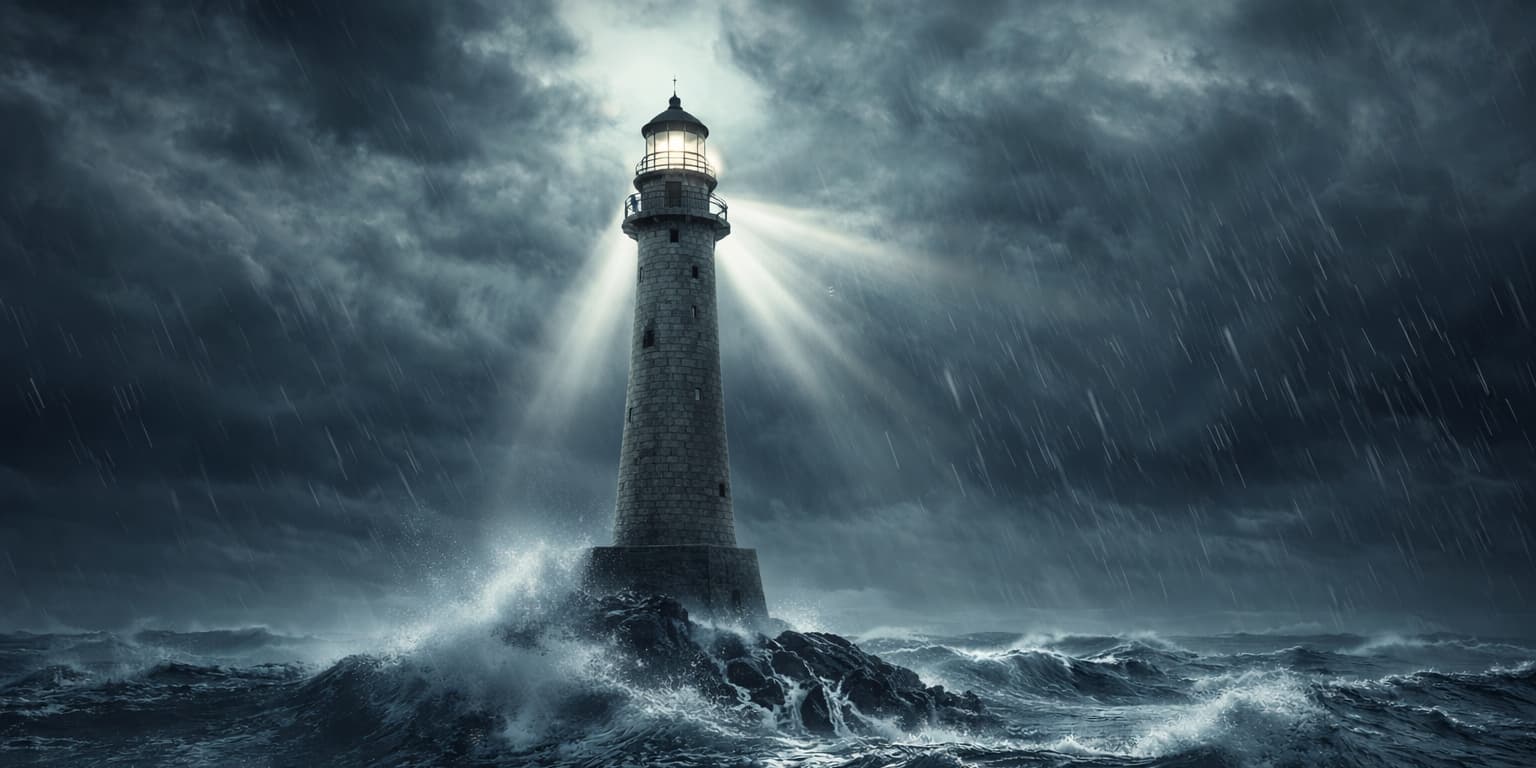
Trinity House acts as the General Lighthouse Authority for England, Wales, the Channel Islands and Gibraltar, maintaining more than 600 aids to navigation including the Eddystone Lighthouse, buoys, beacons and electronic marks that shape coastal routing for commercial vessels and recreational craft alike.
Current roles and operational footprint
Operationally, Trinity House combines statutory maritime responsibilities with charitable activity. The organisation oversees the inspection, servicing and replacement of fixed lights, floating marks and sector lights, and operates specialist vessels and remote monitoring systems to ensure reliability of navigation along busy approaches and confined waters. Its remit covers coastal corridors frequently used by ferries, fishing fleets, and leisure craft — sectors where precise navigation aids reduce collision and grounding risks.
Alongside physical infrastructure, Trinity House maintains standards for pilotage historically and continues to advise on navigational policy, training and welfare for mariners. Governance is provided by a body of Elder Brethren supported by a wider group of Younger Brethren drawn from the Royal Navy, Merchant Navy and the wider maritime industry, bringing operational and technical expertise to lighthouse management and seafarer support programmes.
📚 Vous aimerez peut-être aussi
Aids to navigation: types and purpose
Trinity House deploys a mix of visual and electronic aids. These include automatic lighthouses, LED-led beacons, lit buoys, racon transponders, fog signals where required, and AIS-based virtual marks. Many of these systems are remotely monitored via telemetry to reduce downtime and to prioritise maintenance sorties from dedicated tenders.
| Category | Primary Function | Typical Use |
|---|---|---|
| Fixed lighthouses | Long-range visual reference for coastal and offshore hazards | Coastal navigation, offshore approaches (e.g., Eddystone) |
| Buoys & beacons | Mark channels, shoals and channel edges | Harbour approaches, inshore transit lanes |
| Electronic aids (AIS/racon) | Enhance radar/AIS situational awareness | Commercial traffic separation schemes, pilotage approaches |
Practical impact on shipping, charter and leisure boating
For charter operators, superyacht captains and recreational sailors, the presence and upkeep of well-maintained aids to navigation are tangible risk-reduction factors. Reliable lights and buoys directly affect voyage planning, marina approaches and safe anchoring in coastal gulfs and bays. When planning a yacht charter or coastal cruise, skippers and charter companies depend on predictable aids to navigation to determine approach angles, crew briefings and contingency routing in adverse weather.
- Charter planning: better routing around hazards reduces fuel consumption and en-route delays.
- Marina operations: clear aids smooth entry to marinas and improve berth turnaround times for rental fleets.
- Safety and training: Trinity House’s welfare and training programmes help maintain a steady pool of qualified crew and pilots.
Origins and historical evolution
The institution began as a guild of mariners with a strong charitable remit. A Royal Charter granted by Henry VIII in 1514 established its legal foundation and helped formalise responsibilities for maritime safety and seafarer welfare. The early organisation was centered near the Naval Dockyard on the River Thames and grew from practical, local needs to national remit.
In 1604, James I conferred pilotage powers that allowed the guild to license pilots on the Thames; over the centuries Trinity House expanded pilotage authority to many districts across the UK. That practical control of pilotage has been reshaped by modern legislation — notably the Pilotage Act 1987 — which devolved most local pilotage responsibilities to port and harbour authorities, while Trinity House retained its lighthouse and AtoN duties.
Structure, charity work and the Brethren
Members of the organisation are styled as Brethren, reflecting the medieval guild structure. The charity component remains active: assistance for aged and distressed mariners, training grants, and welfare services sit alongside technical responsibilities. The dual role — maritime authority and maritime charity — has enabled Trinity House to combine operational knowledge with long-term investment in seafarer welfare.
Notable sites and cultural links
The Eddystone Lighthouse is often cited as the benchmark of Trinity House’s engineering and maintenance work, standing on hazardous rocks south of Plymouth and serving as a landmark for both commercial and leisure traffic. Historical rescue figures associated with UK coastal rescue lore, such as Grace Darling, are frequently referenced in popular narratives that underline the human element behind navigational safety.
Operational challenges and future outlook
Key challenges for Trinity House include adapting to digital navigation trends, integrating AIS and electronic charting with physical aids, and maintaining ageing structures in increasingly severe weather conditions. Climate change, rising sea levels and more frequent storms place additional demands on lighthouses and coastal defences, requiring prioritised capital spend and smarter remote monitoring.
For the international tourism and maritime charter sectors, continued investment in reliable aids to navigation supports a competitive environment: safer channels and predictable approaches make coastal destinations more attractive for yacht charters, fishing trips and boating activities. Marinas and tour operators benefit from lower insurance costs and fewer incidents when navigation infrastructure is well maintained.
What operators and skippers should note
- Verify the status of local aids to navigation before departure; remote outages are usually notified via Notices to Mariners.
- Factor in pilotage and local port authority guidance when planning charters, especially in confined or busy channels.
- Consider modern electronic backups (AIS, GPS, radar) in conjunction with visual aids; redundancy improves safety for both crew and paying guests.
In summary, Trinity House remains a central institution for the safety of UK waters, combining the maintenance of more than 600 aids to navigation with historic charitable work and modern technical management. Its evolution from a medieval mariners’ guild under Henry VIII to a contemporary maritime authority reflects changes in pilotage law, navigational technology and seafarer welfare priorities. For anyone involved in yacht charter, boat rental, marinas or coastal tourism, Trinity House’s activities directly influence voyage safety, harbour access and coastal leisure destinations.
Trinity House’s ongoing stewardship of lights, buoys and electronic marks supports safer yacht and boat passages, better conditions for charter operators and clearer approaches to beaches, marinas and clearwater anchorages. For readers planning a sailing holiday, a rented boat excursion, or a captain preparing crew for coastal passages, the reliability of these aids affects routing, activities and overall guest experience. For international travellers and local boaters alike — from superyacht to small charter — awareness of navigational infrastructure is essential to smooth, safe and enjoyable time on the sea or lake. For more on maritime services, yacht rental options, charter fleets, marinas and boating destinations, visit GetBoat.com, an international marketplace for renting sailing boats and yachts that can help match any taste and budget while complementing the navigation safety work delivered by Trinity House.


