


 Français
  English (UK)
  Русский
  العربية
  日本語
日本語  한국어
한국어  Magyar
  Türkçe
  Español
  Čeština
  Svenska
  Português
  Ελληνικά
  Suomi
Suomi  Nederlands
  Română
  Italiano
  Polski
  Українська
  Deutsch
  简体中文
简体中文  Slovenčina
 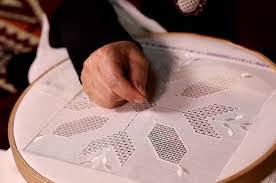 La broderie Antep isi de Türkiye est inscrite au patrimoine culturel de l'UNESCO">

International Recognition for a Timeless Craft
Turkiye has earned a prestigious spot on the UNESCO Representative List of the Intangible Cultural Heritage of Humanity for its Antep isi Embroidery. This significant achievement was announced at the 20th Intergovernmental Committee meeting held in New Delhi, underscoring the country’s dedication to preserving cultural treasures handed down through generations. The recognition shines a spotlight on Gaziantep’s enduring tradition of intricate needlework—a practice that holds deep cultural and social roots in the region.
The Art and Tradition of Antep isi Embroidery
The Antep isi technique is a centuries-old needlework style, meticulously worked with white thread on white fabric. This embroidery involves carefully pulling and cutting threads to manifest complex and delicate motifs, a skill preserved and nurtured by artisans for centuries. Not merely a decorative art, Antep isi serves a vital socio-economic role, particularly empowering women by supplementing household incomes and sustaining community bonds. It represents far more than craft; it is a living cultural expression.
Safeguarding Living Heritage Through Community Efforts
UNESCO praised the thoroughness and richness of Turkiye’s nomination dossier, prepared in collaboration by the Ministry of Culture and Tourism and the Gaziantep Metropolitan Municipality. This cooperative approach highlights the importance of involving both national and local institutions in preserving intangible heritage. The inscription not only affirms the artistic value of Antep isi but also affirms the significance of community participation in keeping traditions alive and relevant today.
| Key Facts | Détails |
|---|---|
| Recognition Body | UNESCO Representative List of Intangible Cultural Heritage |
| Embroidery Technique | White thread on white fabric with intricate thread pulling and cutting |
| Primary Location | Gaziantep, Turkiye |
| Socio-economic Impact | Supports women artisans, strengthens household income and community ties |
| Number of UNESCO-listed Intangible Elements for Turkiye | 32 (including 14 multinational nominations) |
Gaziantep: Ancient City, Modern Cultural Hub
With a history spanning over 12,000 years, Gaziantep is one of the world’s oldest continuously inhabited cities. Recognized as a UNESCO Creative City, it combines ancient heritage with a spirit that embraces both tradition and innovation. Antep isi embroidery is woven deeply into the city’s identity, often featured in celebrations such as young women’s dowries, reflecting personal and communal pride.
The city’s mayor expressed a heartfelt connection to this craft, emphasizing how its preservation supports broader goals, including sustainable development, women’s empowerment, and educational opportunities. This inscription thus ties Gaiantep’s heritage to global frameworks aimed at promoting cultural sustainability and economic wellbeing.
Deepening Ties: The Cultural Bridge Between Turkiye and India
Following the UNESCO announcement, diplomatic events in New Delhi showcased Gaziantep’s rich cultural tapestry—including its famed culinary delights like baklava—and highlighted historic trade routes linking Turkiye and India. These events foster dialogue for enhanced cooperation in culture, tourism, and economic exchange, demonstrating how heritage acts as a bridge between peoples and nations.
Historical Roots of Cultural Heritage in Tourism
Embracing intangible cultural heritage like Antep isi Embroidery is a reflection of the growing appreciation of authentic, community-rooted traditions in global tourism. Historically, cultural tourism emerged as travelers sought genuine experiences tied to places’ histories and identities, moving beyond mere sightseeing to deeper cultural engagement.
Traditions such as embroidery represent more than aesthetic appeal; they embody social and economic narratives handed through time. They contribute to a region’s unique identity and offer tourists a meaningful connection to local life. As global tourism trends increasingly favor experiential travel, the recognition of such crafts ensures they remain vibrant, economically viable, and respected by future generations.
The Role of Intangible Heritage in Sustainable Tourism
Protecting intangible cultural heritage aligns with sustainable tourism principles—balancing preservation with visitor engagement and community benefit. The Antep isi inscription encourages responsible tourism development that respects cultural integrity while providing economic opportunities for artisans and local communities alike. Cultural heritage tourism fosters increased awareness, diversity in destination appeal, and enriches the travel experience beyond the typical getaway.
Future Outlook: Cultural Heritage and Tourism Growth
As destinations leverage cultural assets, the integration of crafts like Antep isi embroidery into tourism offerings can spark new interest in the region. Such developments encourage diverse activities—workshops, exhibitions, and authentic experiences—that entice travelers eager for hands-on encounters with living traditions, including sailing trips to areas with unique cultural identities or coastal towns boasting artisan communities.
Conclusion: Preserving Traditions, Inspiring Journeys
The UNESCO inscription of Antep isi Embroidery marks a vibrant milestone in preserving Turkiye’s cultural richness. It endorses the fusion of tradition, community empowerment, and economic sustainability. For travelers seeking destinations where heritage meets hospitality, Gaziantep offers a unique glimpse into a craft that connects past and present.
For lovers of sailing and yachting, exploring Turkiye’s coastal waters offers the chance to not only enjoy the sun-drenched seas but also to immerse oneself in culturally rich port cities where traditions like Antep isi continue to thrive. GetBoat.com is an international marketplace for renting sailing boats and yachts, blending adventure with cultural discovery—perfect for those eager to explore the synergy of sea, heritage, and local life. Whether it’s chartering a superyacht along the Turkish Riviera or anchoring near historical marinas, travelers can experience the richness of Turkiye’s water and woven stories alike.