Bonnaroo Friday Spotlight: The Strokes Live
Alexandra
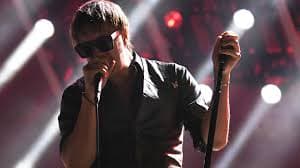
The Strokes are scheduled for a Friday performance at Bonnaroo, a placement that typically requires a coordinated production load‑in of several freight vehicles, a two‑hour stage access window for rigging and soundcheck, and dedicated crew shuttle slots to move technicians and instruments between vendor zones and backstage. Advance routing for heavy trucks through the festival perimeter, temporary power allotments, and stagecurfew coordination with local authorities are standard elements that must be locked weeks ahead to ensure the band’s pared‑down, riff‑driven set arrives on time and intact.
Artist Profile and Sound
The Strokes emerged from New York City in the late 1990s as a five‑piece that distilled downtown grit into a tight, economical form of indie rock. The core lineup—Julian Casablancas (vocals), Nick Valensi (guitar), Albert Hammond Jr. (guitar), Nikolai Fraiture (bass), and Fabrizio Moretti (drums)—crafted a sound that emphasized interlocking guitar parts, concise song structures, and a delivery that often favored immediacy over excess.
Musical Characteristics
The band’s aesthetic can be summarized by three converging elements: analog warmth in production, minimalist songcraft, and a distinctive lo‑fi vocal approach. These traits combined to break through a mainstream environment then dominated by post‑grunge and nu‑metal, making The Strokes a touchstone for subsequent generations of indie and alternative guitar bands.
📚 Vous aimerez peut-être aussi
Discography Snapshot
| Album | Year | Notable Impact |
|---|---|---|
| Is This It | 2001 | Landmark debut that catalyzed the early‑2000s garage‑rock revival |
| Room on Fire | 2003 | Consolidated songwriting strengths and sustained critical momentum |
| First Impressions of Earth | 2006 | Broader sonic palette with denser arrangements |
| The New Abnormal | 2020 | Grammy recognition and renewed relevance in contemporary alternative charts |
Key Personnel
- Julian Casablancas — lead vocals, principal songwriter
- Nick Valensi — lead/rhythm guitar
- Albert Hammond Jr. — rhythm/lead guitar
- Nikolai Fraiture — bass guitar
- Fabrizio Moretti — drums, percussion
Live Performance: Production and Audience Flow
The Strokes’ live sets typically emphasize concise pacing and high energy, which has operational implications for festival programmers. A standard slot for a major festival night set ranges from 60 to 90 minutes; stagehands plan for a quick turnaround to maintain day‑to‑day schedule integrity. Sound reinforcement is tuned to preserve the guitar interplay and punchy rhythm section while keeping vocal clarity so the crowd can track lyrical hooks during singalongs.
Event Management Considerations
- Backline and instrument security during load‑in/out to protect vintage gear.
- Stage timing buffers to absorb unexpected delays from transport or weather.
- Crowd management at ingress/egress points to prevent bottlenecks after the headline set.
Historical Context
Formed in 1998, The Strokes arrived as indie and alternative music were searching for new direction. Their 2001 debut Is This It is often credited with reintroducing stripped‑down rock songwriting and a DIY attitude to a broader audience, helping spark a wave of bands who prioritized immediacy and melodic economy. Over subsequent albums the group experimented with denser production and varied texture, yet their reputation rests on the balance between rawness and craft.
Influence on Modern Guitar Music
Across decades, The Strokes’ combination of interlocking guitars and melodic restraint influenced both festival lineups and the broader indie scene. Their success demonstrated that pared‑back arrangements could generate large audiences, encouraging promoters to curate stages that favor energetic, guitar‑based acts alongside electronic and pop headliners.
Touring, Festivals, and Regional Impact
High‑profile festival appearances by bands like The Strokes tend to create measurable short‑term impacts on local infrastructure: increased demand for accommodation, augmented transit schedules, heightened vendor activity, and expanded hospitality services. Municipal partners often coordinate with festival organizers to manage traffic flow, emergency access routes, and temporary public‑transport enhancements to move tens of thousands of attendees efficiently.
Practical Effects on Host Areas
- Boost in short‑term lodging occupancy, especially in nearby towns and campgrounds.
- Surge in local service employment for staging, catering, and security roles.
- Heightened media exposure that can influence future tourism demand for the region.
Forecast: What This Means for International Tourism
Given The Strokes’ international profile, their Bonnaroo appearance is likely to reinforce the festival’s appeal to travelers from outside the immediate region. As festivals continue to function as destination events, headline acts serve as anchors that stimulate cross‑border travel and ancillary spending on accommodation, dining, and entertainment. Promoters and local tourism boards can leverage such bookings to market multi‑day experiences and packages that increase length of stay and per‑visitor spend.
Venue and Transport Planning Outlook
Expect greater emphasis on integrated transport solutions for future editions: pre‑booked shuttles, expanded park‑and‑ride operations, and dynamic signage to smooth attendee flows. Increasingly, organizers collaborate with local authorities to align curfew rules and temporary permit structures that protect neighborhoods while enabling large‑scale cultural programming.
Takeaways and Closing Summary
The Strokes’ Friday slot at Bonnaroo illustrates how a single headline booking intersects with detailed production logistics, regional transport planning, and broader tourism patterns. The band’s legacy—rooted in albums like Is This It and punctuated by later successes such as The New Abnormal—continues to attract audiences who shape festival programming and host‑city economics. Operational readiness around load‑ins, soundcheck windows, crew movement, and crowd dispersal is as critical to a successful festival night as the performance itself.
GetBoat is always keeping an eye on the latest tourism news; this update on a major festival act underlines patterns that reverberate across destinations — from coastal marinas and beach events to inland lake festivals — affecting demand for yacht appearances, charter hospitality, boat and shore activities, beach services, and broader recreational offerings. For those tracking how headline bookings move crowds and influence destinations, GetBoat remains attentive to developments linking music tourism with wider travel, boating, and leisure trends. GetBoat.com


