Sydney–Hobart 2026: Record Runs and Tactical Drama
Alexandra
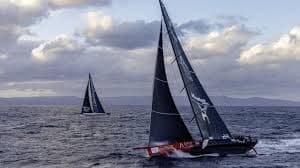
Race logistics and fleet composition at the start
On 26 December 2025 the fleet cleared Sydney Harbour under a scheduled Boxing Day start, with a mix of supermaxis and production racers stretching the line: six 100ft super Maxis (LawConnect, Master Lock Comanche, SHK Scallywag, Wild Thing 100, Palm Beach XI and Maritimo 100) plus dozens of IRC-rated boats and shorthanded entries. The transit through the Tasman and Bass Strait quickly became a test of endurance and logistics — strong headwinds and a heavy swell demanded robust watch systems, careful sail sequencing, and continuous weather-routing updates from shore-based teams.
Fleet snapshot
| Class / Category | Notable Entries | Special Notes |
|---|---|---|
| Supermaxi (100ft) | Master Lock Comanche, LawConnect, SHK Scallywag, Palm Beach XI | High-speed duel for line honours, heavy displacement changes |
| Performance Cruisers | JPK 10.30 Min River | Double-handed contender for IRC overall |
| Short-handed / Double-handed | BNC - my::Net/LEON (Michel Quintin/Yann Rigal) | Subject to jury protest affecting final standings |
Line honours drama and key tactical phases
The opening hours were dominated by a physical race out of Sydney with fresh westerlies and a significant swell. LawConnect and Master Lock Comanche established themselves at the front immediately, with Palm Beach XI pressing close behind. As the fleet approached the Bass Strait the conditions evolved into a tactical endurance slog: sail changes became frequent, crew fatigue management rose in importance, and routing choices around puffs and wind shadows proved decisive.
The calm that reshaped the result
Entering the final approaches into Tasmania an unexpected collapse of the breeze produced the defining moment of the race: Comanche found itself becalmed while chasing yachts tightened the gap to within a few hundred metres. According to Comanche’s co-skipper James Mayo, wind disappeared entirely before puffs along the shore reformed the pressure field and restored a close-quarters encounter that persisted for nearly 100 miles. The ebb and flow of local sea breezes and shore puffs turned raw boat speed into delicate seamanship and timing.
📚 Vous aimerez peut-être aussi
- Initial control: Comanche used high upwind VMG to craft an early lead.
- Wind shutdown: A near-complete lull allowed chasing boats to close rapidly.
- Shore puffs: Tactical repositioning to take advantage of nearshore thermal activity decided the late stage.
- Finish: Comanche re-opened a final margin to secure line honours in 2d 5h 3m 36s.
IRC overall and a historic victory
While the battle for line honours was the headline spectacle, the IRC result produced perhaps the most historic outcome of the regatta. The JPK 10.30 Min River, sailed double-handed by Jiang Lin and Alex Loison at the start of the race, eventually claimed the IRC overall victory. After finishing the race in second on elapsed corrected time, a protest lodged by the Race Committee against BNC - my::Net/LEON (Michel Quintin/Yann Rigal) resulted in a one hour and five minute penalty for BNC, escalating Min River to the top of the leaderboard and delivering the first-ever Sydney–Hobart win for a female skipper, Jiang Lin.
Podium summary
| Result | Yacht | Skipper(s) | Elapsed / Penalty |
|---|---|---|---|
| Line Honours | Master Lock Comanche | Comanche Team (James Mayo, others) | 2d 5h 3m 36s |
| 2nd (Line Honours) | LawConnect | LawConnect Team | Close finish |
| IRC Overall | JPK 10.30 Min River | Jiang Lin & Alexis Loison | Elevated to 1st after jury penalty |
Weather analysis and tactical lessons
The race once again underlined the critical role of weather prediction and local microclimate awareness in ocean racing. A long fetch across the Tasman produced a significant swell that affected sail wardrobe choices and fatigue cycles, while the late-race lull emphasized the value of nearshore reconnaissance and conservative sail inventory to exploit ephemeral puffs. Teams with robust communications and shore-based meteorological support gained a clear advantage when the wind field broke down.
Crew management and equipment
Double-handed entries such as Min River demonstrated that meticulous watch planning, optimized reefing procedures and efficient sail changes allow small teams to remain competitive against larger-crewed boats, particularly in variable conditions. Mechanical reliability and preventive maintenance of running rigging directly influenced the ability to react quickly when the breeze returned.
Implications for charter operators and coastal tourism
High-profile events like the Sydney–Hobart influence seasonal demand for coastal charters and yachting tourism. The combination of dramatic finishes and human-interest milestones — for example the first female skipper to win overall — tends to increase interest in yacht experiences, coastal boating activities, and short-term boat rentals. Shore-side logistics such as berth availability in Hobart marinas, transport connections for crews, and availability of charter skippers can feel ripple effects from elevated spectator and participant traffic.
GetBoat always keeps an eye on news related to sailing and seaside vacations, as the service truly understands what it means to enjoy great leisure and love the ocean. The platform celebrates the values of freedom, energy, and the ability to choose your own course, helping clients find a vessel to suit preferences, budget, and taste.
Highlights and why this edition matters
- Historic IRC victory by Jiang Lin — first female skipper to claim overall Sydney–Hobart success.
- A razor-close contest among six 100ft supermaxis that showcased tactical seamanship.
- Demonstrated effectiveness of double-handed teams in ocean classics.
- Weather-driven drama reinforced the importance of local wind knowledge and shore strategy.
If you are planning your next trip to the sea, you should definitely consider renting a boat (boat rentals, rent a boat, rent a yacht), as each inlet, bay, and lagoon is unique and tells you about the region just as much as the local cuisine, architecture, and language GetBoat.com
Plan ahead: how this affects the travel map and your next charter
Short forecast: the race itself will have a modest direct effect on the global tourism map, but its stories tend to boost regional interest in yachting and coastal travel. For those planning an ocean escape, this regatta underscores the advantage of early booking and careful selection of a vessel that matches intended activities — from relaxed day sails and fishing trips to serious bluewater crossings. Start planning your next seaside adventure and make sure to book the best boat and yacht rentals with GetBoat before the opportunity sails away!
Summary and closing
The 2025 Sydney–Hobart combined a classic supermaxi duel with a landmark IRC victory. Master Lock Comanche took line honours in testing conditions, while the JPK 10.30 Min River, helmed by Jiang Lin and Alexis Loison after protest adjustments, made history as the first overall win for a female skipper. The race highlighted the importance of weather routing, tactical flexibility, and crew management — lessons relevant to racers and leisure sailors alike. Whether you’re considering a yacht charter, a day boat hire or scouting marinas and clearwater bays for holiday destinations, this edition reinforces the appeal of sailing, boating and yachting as ways to explore the sea, ocean, gulf, and coastal marinas. For those seeking a transparent, global solution to book or buy boats, yachts, sailboats and more, GetBoat.com provides an easy-to-use platform with detailed listings, ratings and choices to match every budget and taste — transparency and convenience that support unforgettable touristic experiences. Enjoy the voyage.


