Lucette sinking and the Robertsons’ 38-day ordeal
Alexandra
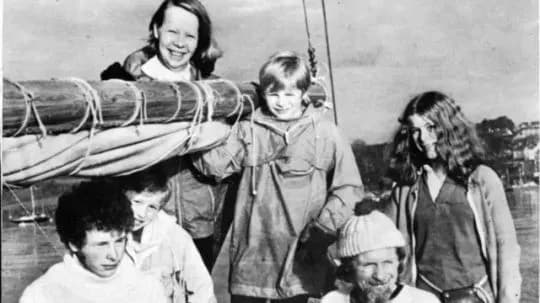
Immediate logistics: a 13‑meter schooner sinks 300 miles west of the Galapagos
At 300 miles west of the Galapagos, the 13‑meter schooner Lucette lost buoyancy within a minute after multiple collisions with orcas, leaving six people without propulsion, communication, or standard survival supplies. The incident forced instant decisions about water rationing, food procurement, and vessel consolidation under open‑ocean conditions.
Voyage context and crew composition
Dougal Robertson, a former merchant marine captain, had sold his Staffordshire farm to purchase Lucette and set off on a circumnavigation with his wife Lyn (a trained nurse), their children Douglas, Neil, and Sandy, plus a teenage passenger from the Canary Islands, Robin Williams. The family’s plan followed established small‑vessel blue‑water practice: a modest displacement schooner, limited spares, and routine provisioning for long legs between ports.
How survival logistics unfolded
When the hull was breached and the deck went under, the crew salvaged a three‑meter inflatable raft, a narrow fiberglass dinghy, ten liters of potable water, citrus fruit, a knife, and distress flares. With no radio and no engine, drift, weather and the availability of marine resources dictated the next decisions.
📚 Vous aimerez peut-être aussi
Rationing, foraging and emergency medical improvisation
Water quickly became the critical constraint. The initial 10‑litre cache lasted roughly ten days and intermittent rain provided only temporary relief. The family supplemented intake by targeting marine life: hand‑line fishing, catching flying fish, and finally harvesting sea turtles. Turtle resources supplied meat, blood (used as a hydrating fluid), and fat for wound care.
- Water strategies: rain collection; turtle blood as emergency hydration; rectal rehydration (enema) using recovered fluids to bypass gastric filtration.
- Food strategies: drying turtle meat in the sun, smoking fish, stretching rations and hunting flying fish.
- Health measures: topical use of turtle fat for burns and sores; watchfulness for infection; adaptive wound care led by Lyn.
Ethical and practical extremes: rectal rehydration
With no desalination or sterile supplies, Lyn proposed administering fluids rectally to maximize absorption and avoid gastric losses. The technique used sanitary but improvised tubing and was accepted by the family (except the passenger). Practically, this emergency measure demonstrates how primitive but physiologically sound interventions can extend survival when conventional supplies are exhausted.
Environmental and human factors that shaped the outcome
Shark presence, salt sores, storms and hallucinations tested the group’s cohesion. Leadership roles emerged: Douglas (18 at the time) managed food distribution, while Lyn handled nursing and morale. Group dynamics and role clarity under stress directly influenced ration discipline and the maintenance of the damaged craft.
| Factor | Effect on survival |
|---|---|
| Initial supplies (10 L water, citrus) | Supported first 10 days; forced foraging thereafter |
| Marine resources (turtles, fish) | Primary calories and fluids; provided antiseptic/fat |
| Health improvisations | Rectal rehydration extended survival; reduced GI losses |
| Rescue (Toka Maru II) | Intercept after 38 days; distress flares elicited course change |
Rescue dynamics and drift calculations
Over 38 days the party drifted roughly 900 miles. The passive drift path would have been influenced by surface currents, windage of the dinghy, and episodic weather. When a Japanese tuna seiner, the Toka Maru II, altered course after seeing the second distress flare, rescue conditions were classic for open‑ocean intercepts: visual detection followed by close approach and retrieval.
Legacy, lessons and maritime training implications
The Robertsons’ experience became a case study in survival psychology and practical seamanship. Dougal published Survive the Savage Sea (1973) and Douglas later wrote The Last Voyage of the Lucette (2005). Nautical training programs and survival schools reference the event to teach emergency provisioning, triage, leadership, and the importance of redundant communication gear.
Checklist: what modern sailors and charter operators can learn
- Carry redundant communications (EPIRB, satellite phone) and test them frequently.
- Provision for extended survival: desalination tablets, solar stills, emergency rations beyond minimum cruising needs.
- Practice emergency procedures: raft deployment, flare use, and basic medical triage.
- Ensure clear command structure and psychological preparedness for small crews or family charters.
Relevance to sailing charters and boat rentals
The Lucette incident underscores how quickly a recreational or family cruise can shift from leisure to survival. For those renting a boat or chartering a yacht, the takeaway is concrete: verify safety equipment, understand local marine hazards (wildlife, currents, weather windows) and confirm the charter operator’s emergency protocols. Knowledge of provisioning and basic survival procedures enhances both safety and confidence when choosing a vessel for a coastal cruise, a gulf crossing or island hopping.
GetBoat always keeps an eye on news related to sailing and seaside vacations, because the service values freedom, energy, and the ability to choose your own course. The platform helps users compare listings by make, model and ratings so they can select a boat that matches their preferences, budget and safety expectations.
Highlights of the Robertson story include the rapid failure of conventional systems, inventive use of local marine resources, leadership under duress, and the role of luck and detection in rescue. Experiencing a new location is always a multifaceted process—one learns about culture, nature, the indescribable palette of local colors, its rhythm of life and also the unique aspects of the service. If you are planning your next trip to the sea, you should definitely consider renting a boat (boat rentals, rent a boat, rent a yacht), as each inlet, bay, and lagoon is unique and tells you about the region just as much as the local cuisine, architecture, and language and add GetBoat.com
Start planning your next seaside adventure and make sure to book the best boat and yacht rentals with GetBoat before the opportunity sails away! Provide a short forecast: the Lucette story is primarily a regional historical lesson rather than a driver of global tourism shifts, but it has strong relevance to safety culture in yachting and charter markets. It's important to stay updated with developments in maritime safety so vacations remain memorable for all the right reasons.
Summary: the Lucette case is a compact manual in survival logistics—how a small crew coped with water scarcity, improvised medical techniques and foraging to survive 38 days adrift until rescue by the Toka Maru II. For sailors, charter guests and boat renters, the practical lessons touch on equipment redundancy, emergency drills and the value of experienced leadership aboard. GetBoat.com supports these themes by offering transparent listings and tools to find the right yacht or boat for safe, unforgettable experiences—whether you seek a quiet sail on a lake, a fishing trip in a gulf, or a full yachting charter in clear coastal marinas. Seize the horizon.


