


 Français
  English (UK)
  Русский
  العربية
  日本語
日本語  한국어
한국어  Magyar
  Türkçe
  Español
  Čeština
  Svenska
  Português
  Ελληνικά
  Suomi
Suomi  Nederlands
  Română
  Italiano
  Polski
  Українська
  Deutsch
  简体中文
简体中文  Slovenčina
 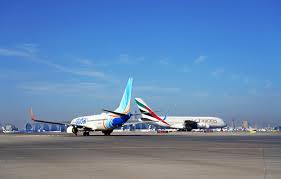 Partenariat entre Emirates et flydubai : renforcement de la connectivité et avantages pour les passagers">

Expanding Horizons Through a Seamless Airline Partnership
The partnership between Emirates and flydubai serves as a leading example of collaboration in the aviation industry, connecting travellers across an extensive global network and enhancing loyalty rewards through the Emirates Skywards programme. This alliance provides passengers with easier access to a wider variety of destinations alongside enhanced travel convenience and increased rewards.
Key Benefits of the Emirates and flydubai Collaboration
- Vast Network of Destinations: Together, the two airlines offer flights to 245 destinations spanning 103 countries, vastly broadening travel opportunities for their customers.
- Complementary Destinations: Emirates travellers gain access to 103 flydubai destinations, while flydubai’s passengers can explore 107 unique Emirates locations. Popular spots include Kathmandu, Baku, Krabi, Belgrade, and Zanzibar.
- New Routes in 2025: Emirates recently incorporated exciting new destinations like Hangzhou, Shenzhen, Siem Reap, and Da Nang, whereas flydubai debuted flights to cities such as Chisinau, Iasi, Vilnius, Riga, and Nairobi.
- Passenger Growth: Codeshare flights carried over 5 million passengers last year, marking a 10% increase. Since 2017, 22 million travellers have benefited from their combined service.
- Premium Cabin Demand: Demand for Emirates’ premium cabins (First, Business, Premium Economy) increased by 20%, with flydubai Premium Economy bookings growing by 130%, highlighting passengers’ preference for elevated comfort.
- Streamlined Travel Experience: From easy check-ins to baggage transfers and optimized flight schedules, passengers enjoy seamless journeys, including Terminal 3 access for Emirates and enhanced services for flydubai Business Class at Terminal 2.
- Loyalty Rewards Integration: Nearly 18 million Emirates Skywards members have earned and redeemed hundreds of billions of Skywards Miles, enjoying perks like lounge access, extra baggage allowances, and priority check-ins.
- Flexible Reward Options: The Classic Rewards programme allows booking with fixed Skywards Miles, with flydubai flights starting as low as 5,000 miles. The innovative Cash+Miles option enhances ticket savings further.
Fleet and Infrastructure Enhancements
Operating a joint fleet of 363 modern aircraft, Emirates flies 267 widebody planes including A380s, B777s, and A350s, while flydubai operates 96 B737 aircraft. Both airlines are investing in fleet modernization and passenger experience, with Emirates retrofitting nearly 220 aircraft to include new Premium Economy cabins and flydubai upgrading 15 aircraft alongside launching a dedicated Business Class check-in at Dubai’s Terminal 2.
| Airline | Fleet Size | Aircraft Types | Recent Upgrades |
|---|---|---|---|
| Emirates | 267 | A380, B777, A350 | 220 aircraft retrofitted with new Premium Economy cabins |
| flydubai | 96 | B737 | 15 aircraft retrofitted and new Business Class check-in area at Terminal 2 |
Historical Context of Emirates and flydubai Partnership
The Emirates and flydubai alliance is a reflection of the broader growth and evolution of the UAE’s aviation landscape. Since its establishment in 1985, Emirates has grown into one of the world’s largest international carriers, with a clear focus on connecting Dubai globally. flydubai launched in 2009 as a low-cost carrier aimed at serving both regional and emerging markets, complementing Emirates’ long-haul network.
The industry in Dubai and the wider UAE has historically been a pillar of economic diversification, moving away from oil dependency toward becoming a global tourist and transport hub. The development of world-class infrastructure, including Dubai International Airport and dedicated terminals, has enabled these carriers to offer superior services and seamless connections, cementing the region’s reputation as a key aviation and tourist hub.
Evolution of UAE Aviation and Tourism
- The UAE’s strategic location between East and West has facilitated rapid airline growth and the establishment of Dubai as a major stopover and transit hub.
- Investment in modern airports and terminals has continuously improved passenger experiences, supporting both business and leisure travel sectors.
- Government initiatives and a strong tourism push have led to an expanding demand for luxury services, including premium cabins and exclusive airport facilities.
- The growth of outbound and inbound travel from the UAE has reinforced the importance of connectivity, making partnerships like Emirates and flydubai critical for servicing increasing travel flows.
The Partnership’s Future in the Context of Global Tourism
Looking ahead, the collaboration between Emirates and flydubai is poised for further growth, in line with global travel trends emphasizing connectivity, comfort, and loyalty incentives. As international travel rebounds and evolves, the combined route network and shared services will likely continue to serve as a vital link between continents and emerging markets.
The planned increase to a network offering 400 destinations from Dubai will provide unparalleled access for travellers. This expanding connectivity not only benefits tourism and business sectors but also encourages cross-cultural exchanges and economic opportunities in diverse regions.
Table: Expected Impact Areas of Emirates and flydubai Partnership
| Area | Impact |
|---|---|
| Passenger Growth | Continued increase in traffic supporting regional and international markets |
| Route Expansion | Opening of new destinations enhancing global reach |
| Premium Services | More options for upgraded travel classes meeting diverse traveler needs |
| Loyalty Rewards | Improved earning and redemption flexibility enhancing customer value |
| Operational Efficiency | Streamlined check-ins, baggage transfer, and terminal access for smooth travel |
Implications for the Tourism and Marine Leisure Sector
While this airline partnership primarily centers on aviation, its implications ripple into wider tourism trends, especially in regions like the UAE, a hotspot for marine leisure, yachts, and sailing. Enhanced connectivity brings more travellers to coastal hubs with thriving marinas and boating cultures, facilitating yacht charters, sailing adventures, and water-based tourism.
The influx of visitors enabled by such partnerships fosters a dynamic market for boat rentals and marine activities, where travellers can combine air travel convenience with luxury beach and boating experiences. Regions served by Emirates and flydubai continually develop world-class marina facilities, catering to growing demand for superyachts, fishing trips, and water sports, contributing to economic diversification.
Conclusion
The strategic partnership between Emirates and flydubai stands as a compelling example of how integrated airline alliances can revolutionize travel. By expanding their combined network, enhancing passenger service, and enriching loyalty benefits, these carriers have set new industry standards. Their commitment to fleet modernisation and seamless connectivity supports strong passenger growth and a flourishing tourism ecosystem around Dubai and beyond.
For those passionate about yachting, sailing, and beachside activities, the expanded connectivity adds real value by making access to world-famous marinas and boating destinations easier than ever. To explore a wide range of yacht charters, sailing yachts, and boat rentals that perfectly align with travel brought by such networks, consider the international marketplace for boat rentals—GetBoat.com—offering diverse options to suit every sailing enthusiast’s taste and budget.