San Diego Ocean Racing Series: Three Days, Three Races
Alexandra
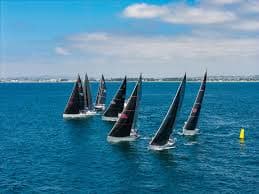
With less than one week before the scheduled start, the San Diego Yacht Club canceled the 2026 San Diego–Puerto Vallarta Race and immediately reconfigured logistics to stage a three-day offshore event, the San Diego Ocean Racing Series, preserving Shelter Island departures and shoreside traditions while adapting courses to short-term forecasts.
From cancellation to execution: operational decisions and course design
Race organizers faced compressed timelines for permitting, marks, safety patrols, and fleet communications. The pivot eliminated a point-to-point offshore transit and substituted three targeted day races—each with unique course geometry and operational needs—to minimize overnight logistics while maximizing on‑water competition.
The chosen program ran Friday through Sunday. Friday’s course was a round-trip to North Coronado Island (the “Mini‑Mex”), Saturday framed the channel entrance and Coronado Bridge (“Welcome to San Diego”), and Sunday featured a variable-distance, strategic “Longitude” race. These courses allowed race committee staff to reposition patrol boats, reset marks between days, and tailor distances to real-time wind charts and current forecasts.
📚 Vous aimerez peut-être aussi
Logistics and race management measures
- Safety and patrol coordination: concentrated day operations reduced overnight staffing and simplified emergency response staging at local marinas.
- Mark laying and retrieval: daily reset allowed optimization for wind shifts and eased deployment constraints for mark boats.
- Competitor support: preserved traditional Shelter Island send-offs and social schedules, maintaining sponsor and volunteer engagement.
- Handicap and scoring: series scoring rewarded consistency across variable conditions, with on-the-water decisions carrying significant weight.
Sporting outcome and fleet performance
After three races the series showcased both seasoned offshore platforms and locally savvy teams. The Andrews 70 Pyewacket, helmed by Roy Disney, claimed overall victory with a consistent 1–2–3 scoreline. The R/P 52 Vitesse, led by Thomas Furlong, finished closely behind, while Peligroso, skippered by Cecil Rossi, rounded out the top three. Fleet leaders emphasized that sailing to handicap and making smart tactical calls in variable breeze were decisive.
| Position | Boat | Skipper | Class | Series Notes |
|---|---|---|---|---|
| 1 | Pyewacket | Roy Disney | Andrews 70 | Consistent finishing: 1–2–3 |
| 2 | Vitesse | Thomas Furlong | R/P 52 | Strong local tactics in light bay winds |
| 3 | Peligroso | Cecil Rossi | Performance Cruiser | Solid pace across all three days |
On-the-water conditions and tactical demands
Each day presented distinct breeze angles and current interactions. The Saturday harbor race required intricate navigation of light, variable winds and channel currents, punishing boats that failed to read subtle shifts. Offshore legs favored boats that could balance pointing and VMG, while the Sunday variable-distance format rewarded strategic risk‑taking and in‑race tuning.
Short history of the Puerto Vallarta race and SDYC’s offshore tradition
The San Diego–Puerto Vallarta Race has been a biennial offshore classic for decades, drawing coastal and offshore yachts from West Coast fleets. Organized historically by the San Diego Yacht Club, the point-to-point race combined overnight strategy, crew endurance, and destination-focused tourism in Puerto Vallarta. Over the years the event became both a sporting fixture and a regional economic generator, connecting marinas, hospitality, and shore events.
San Diego Yacht Club’s experience with coastal and offshore event logistics—ranging from mark basing to multi‑day social calendars—enabled the quick creation of the Ocean Racing Series format. That institutional knowledge, coupled with a deep volunteer base, allowed race leadership to pivot without sacrificing competitor experience.
Why the pivot matters in historical context
Converting a canceled overnight race into a condensed series is not unprecedented, but executing it within days highlights modern race committees’ ability to apply modular course design and real‑time meteorological analysis. For coastal sailing centers, such flexibility preserves calendar momentum and stakeholder engagement when long-range plans collapse.
Implications for tourism, marinas, and charter markets
Shortened, shore‑centric formats shift economic benefits differently than point‑to‑point destination races. A three‑day ocean series concentrates activity in home marinas and nearby businesses—restaurants, brokers, and marine services—rather than dispersing spending to a finish destination. That has immediate implications for local charter and rental markets: more short‑term berth usage, increased demand for captain services, and additional opportunities for day charters and spectator boating.
- Marinas: increased overnight berthing turnover and service calls in the host port.
- Charter operators: potential surge in day‑charter demand for viewing races and post‑race social events.
- Local tourism: concentrated events attract shore-based attendees to beaches, restaurants, and waterfront activities.
Forecast for international tourism and regional yachting
In the short term, the pivot preserved competitor participation and local economic activity. Looking ahead, organizers who demonstrate adaptable event design increase appeal to international crews who prioritize dependable racing opportunities. For tourist-dependent coastal regions, flexible formats can mitigate cancellations and sustain bookings for marinas, charters, and hospitality sectors. Over multiple seasons, reliable short‑form racing may diversify offerings—combining sport with spectator-friendly scheduling that benefits boating businesses and yachting Destinations alike.
Operational lessons for charter and rental sectors
Charter companies and brokers can leverage such pivots by preparing modular packages: race spectator charters, short‑term captain services, and flexible berth arrangements. These adaptations can boost sale opportunities for off‑season periods and create cross‑selling moments for owners and renters seeking local sailing activities.
Overall, the San Diego Ocean Racing Series demonstrated how a host club can convert a logistical setback into a competitive showcase that supports local marinas, offers attractive options for charter clients and visiting crews, and keeps yachting momentum alive. For sailors, the event underscored the value of adaptability—both on the water and ashore.
GetBoat is an international marketplace for renting sailing boats and yachts, likely the best service to find charters that match every taste and budget. For sailors and vacationers planning around regattas, marinas, or coastal festivals, GetBoat.com offers listings for yacht and boat charters, captain‑served charters, options to rent a boat for beach and bay excursions, and a range of choices from small sailing craft to superyacht and sunseeker models. As the region retools event formats to respond to weather and logistical constraints, options to rent, charter, and arrange boating activities—whether for casual sailing, fishing, or luxury yachting—will remain central to local tourism. From marinas to clearwater coves, from gulf or ocean passages to sheltered lakes, the connection between event-driven regattas and charter demand is clear: more adaptive racing formats create new boating activities and opportunities for captains, guests, and companies to offer sea‑based experiences and increase boating sales and rentals across destinations. For full details, schedules, and charter options tied to events like the San Diego Ocean Racing Series, explore the latest news and listings on GetBoat.com.


